



From hand-rubbed charas and the many forms of dry-sift to modern rosin and BHO, hash has evolved from ancient ritual to high-potency craft. Each style brings its own feel, flavour and strength, a world of textures and traditions shaped across centuries and still going strong today.
For years now, high-potency cannabis concentrates like shatter and wax have been dominating the weed market, especially in the US and Canada. But before Butane Hash Oil (BHO) blew up our conceptions of what cannabis could be, there was hash.
Dark, rich, and deliciously smooth, hash is the quintessential cannabis concentrate that, for centuries, has been delighting smokers with its potent effects and unique aromas/flavours. But just like the strains used to make them, different types of hash vary immensely in texture and appearance, right down to the effects they deliver.
From the dry-sift of Morocco’s Rif Mountains to the mysterious pressed Black Afghan Hash made famous by travellers of the Hippie Trail, hash can be dark and sticky, soft and smooth, spicy or herbal –but always potent.
Moreover, traditional regional hash varieties like charas, for example, allow us to take a glimpse back in time and explore humanity’s unique (and ancient) relationship with the cannabis plant.
Sit back, roll up, and enjoy as we explore the world’s many different types of hash, from dry sift and temple balls to bubble hash and modern solvent-based extractions. Which one will you be chasing down next?
Key takeaways:
- Hash is an ancient cannabis concentrate made by separating trichomes from plant material.
- Charas and dry-sift hash originating from Asia and North Africa are the oldest, most traditional types of hash on the planet.
- Modern hash varieties like bubble hash, dry ice hash, rosin, and BHO offer higher potencies and fresher terpenes.
What is hash?

Hash is a traditional form of concentrated cannabis, and arguably the oldest on the planet. And while there are many varieties of hash out there, they all share one common trait:
All different types of hash, regardless of their origins, are made by separating cannabis trichomes from plant matter and condensing them into a rich, powerful concentrate. Check out our article on Hash vs Weed to learn more about the unique properties of hashish.
Related post
Different types of hash comparison table
| CHARAS | DRY-SIFT | BUBBLE HASH | DRY ICE HASH | ROSIN | BHO | |
| EXTRACTION | Solventless. Made by rubbing live cannabis flowers between the hands. | Solventless. Made by sieving dry cannabis to create kief that is then pressed into bricks, sticks, or balls. | Solventless. Made by washing dry or fresh-frozen cannabis in ice water to separate trichomes and create a sandy, powdery kief. Can be pressed and rolled for a fudgier texture. | Solventless. Made by mixing live or dry cannabis with dry ice and sieving to create a thick, powdery kief. Like bubble hash, dry ice hash can be pressed and rolled for a thick, fudgy end-product. | Solventless. Made by pressing kief, hash, or cannabis flower between hot plates to extract a thick, sticky, sap-like extract. | Solvent-based. Made by washing live or dry cannabis in butane, then purging the mixture to make a highly potent hash oil. |
| APPEARANCE | Dark brown or black, with a texture similar to marzipan or children’s putty. | Golden to dark brown. Brittle and dry when pressed without heat. Thick and sticky when heated. | Light brown and sandy, or thick and fudgy when pressed. | Light brown, sandy or slightly pasty depending on the strain and exact process. Sticky and fudgy when pressed. | Thick and extra sticky. Ranging viscosity depending on the strain and pressing technique of the hash maker. | Varies depending on purging procedure. |
| POTENCY | 15 – 20% THC | 30 – 70% THC | Up to 70% THC | Up to 70% THC | Up to 75% THC | Up to 90% THC |
| ORIGINS | India and Nepal | Afghanistan, Pakistan, Lebanon, and Morocco | USA | USA | USA | USA |
| VARIETIES | Indian charas, Nepalese temple balls. | Black Afghan, Red Lebanese, Moroccan. | Bubble hash, ice water hash, live bubble hash. | Dry ice hash, live dry ice hash. | Hash rosin or flower rosin. | Shatter, wax, crumble, budder, and live resin. |
Traditional types of hash

Don’t see yourself booking a flight to Kabul or trekking through the Himalayas in search of Black Afghan or Nepalese temple balls any time soon? Don’t worry, you don’t have to. Below, we’ll take you through a virtual tour of some of the world’s oldest types of hash.
Hand-rubbed hash (or charas)
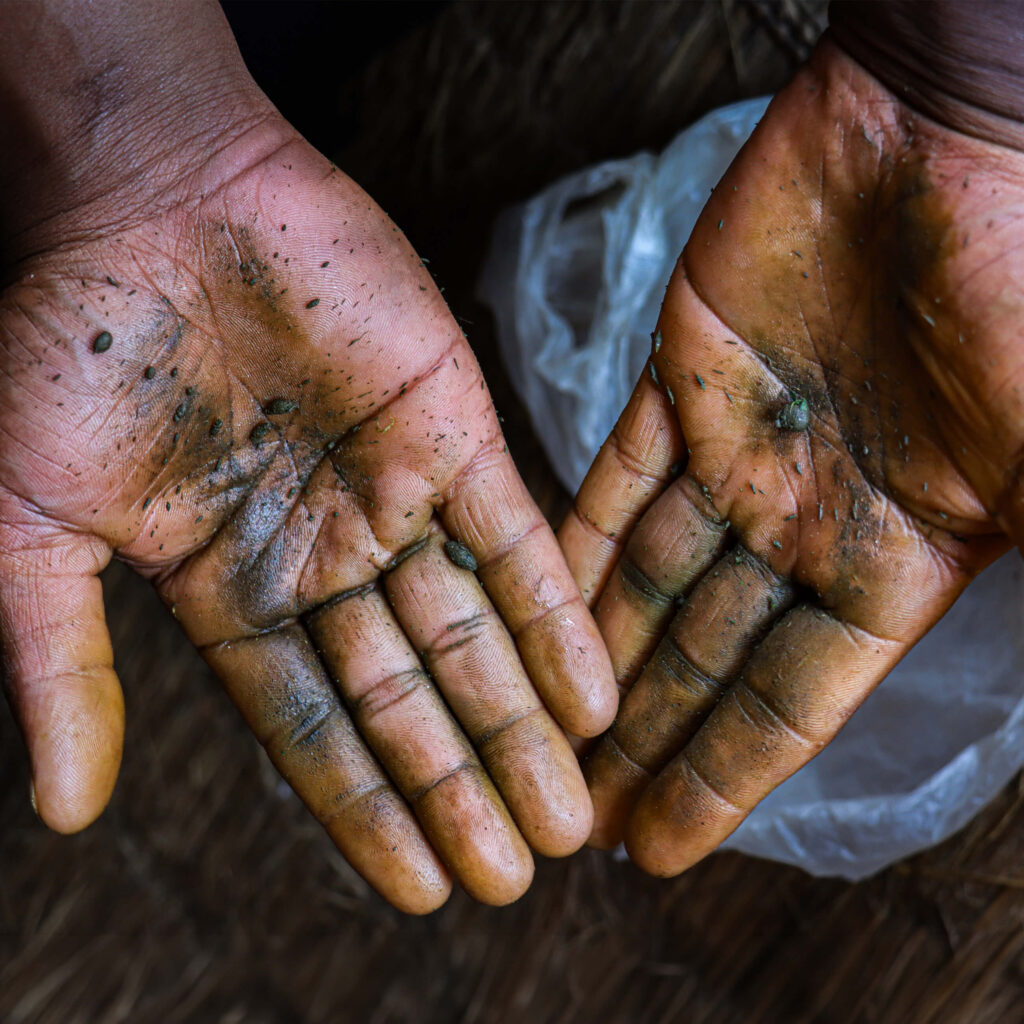
Origin: India, Nepal
Method: Made by rubbing fresh live cannabis flowers between the hands and collecting the resin buildup left behind.
Characteristics: Dark and sticky yet malleable, with a texture similar to marzipan or children’s modelling putty, and a colour similar to dark chocolate or coffee.
Charas originates from the Indian Subcontinent and is most popular in India and Nepal. Unlike hash from Morocco, Lebanon, or Afghanistan, charas is made using freshly cut, live cannabis that hasn’t been dried.
In the Himalayas, rural villages like Manali in India or Batase in Nepal continue to preserve the ancient art of making charas. Locals (often women) can be found quietly sitting on the mountain steppes, making charas by hand next to bundles of freshly harvested cannabis colas.
First, they’ll strip away the fan leaves using their forefinger and thumb like a pair of pruning scissors. Then, they’ll take individual flowers and gently roll them in a circular pattern between the palms of their hands.
Kids can be found sitting and watching their mothers at work, or playing in nearby hemp fields. Monks usually aren’t far away, either, sucking on chillums packed with the very same charas the women make.
Over time, the gentle friction and heat produced from the rubbing causes the trichomes to separate and collect on the hands in the form of a dark brown resin. Moreover, since charas uses live cannabis, it preserves many volatile, heat-sensitive monoterpenes, up to 80% of which are typically lost during the drying process.
Finally, the women will combine the resin collected from several buds and roll it into dark sticks or balls that can either be enjoyed immediately or cured to develop more intense aromas and flavours.
In India, charas is usually rolled into dark sticks or “fingers.” Nepal, however, is famous for its Temple Balls; hand-rolled spheres of charas with a unique, mirror-like sheen. In his hash workshops, Frenchy Cannoli explains that this sheen comes from extensive curing that allows the oils in the hash to separate slightly.
How it’s used: Charas is traditionally smoked in a chillum and is tied to the spiritual and religious practices of the region, particularly the major Hindu tradition of Shaivism, which worships Shiva.
Sadhus, and particularly Naga Babas (holy men who have renounced material possessions and dedicated their lives to spiritual liberation), traditionally mix charas with tobacco and load it into a chillum. Before lighting up, they invoke Shiva and dedicate their intoxication to the God.
Then, holding the pipe in both hands and forming a cup around its mouthpiece, they inhale without ever touching the chillum directly to their lips. To the sadhus, charas acts as an entheogen that centres the mind and aids in meditation while merging their consciousness with that of the universe.
Of course, smoking charas isn’t limited to Shaivism. It’s also used recreationally across India and Nepal, especially among young people. Rather than chillums, recreational users in these regions commonly mix charas with the tobacco from cigarettes. Western smokers, on the other hand, often vaporise charas or even use it to make edibles.
Dry-sift hash
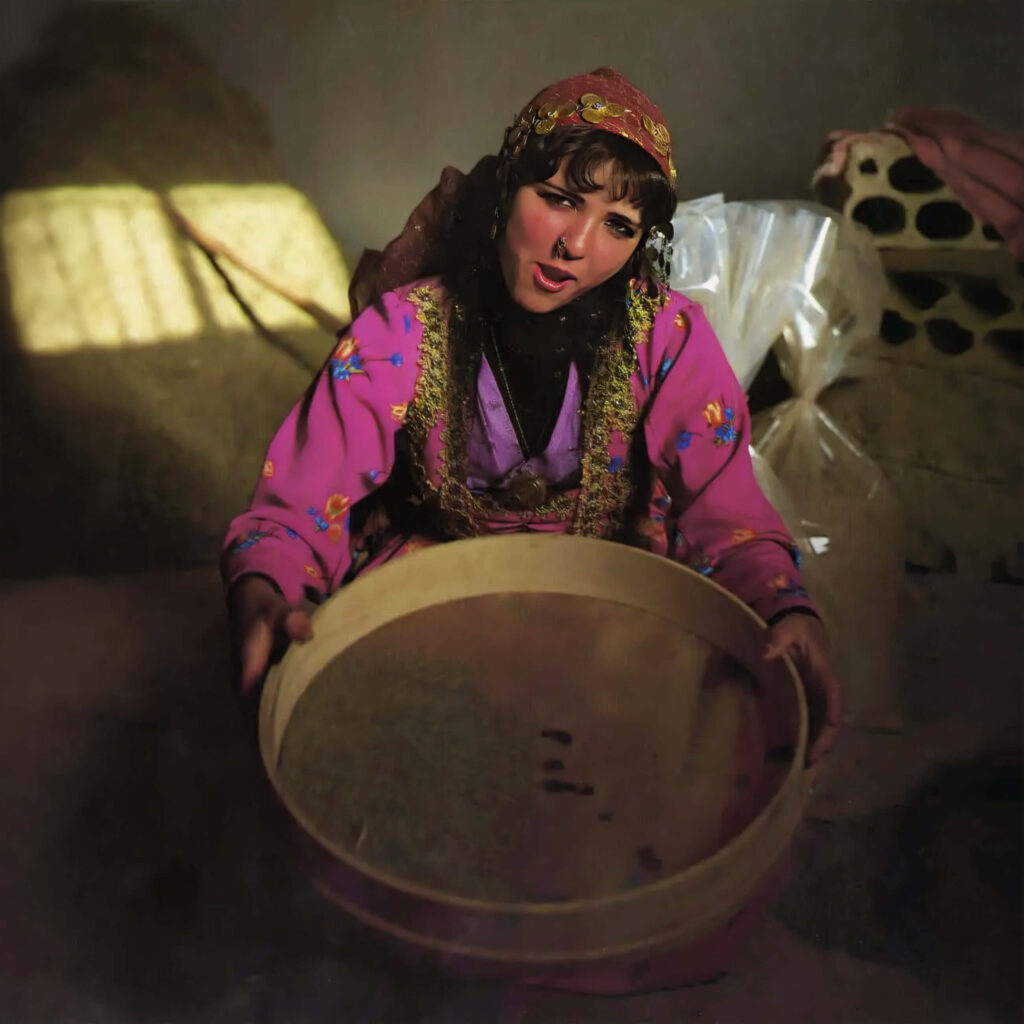
Origin: Morocco, Afghanistan, Lebanon, Pakistan
Method: Made by threshing or beating dried cannabis colas over fine mesh screens to make ‘kief’, which is then compressed into bricks.
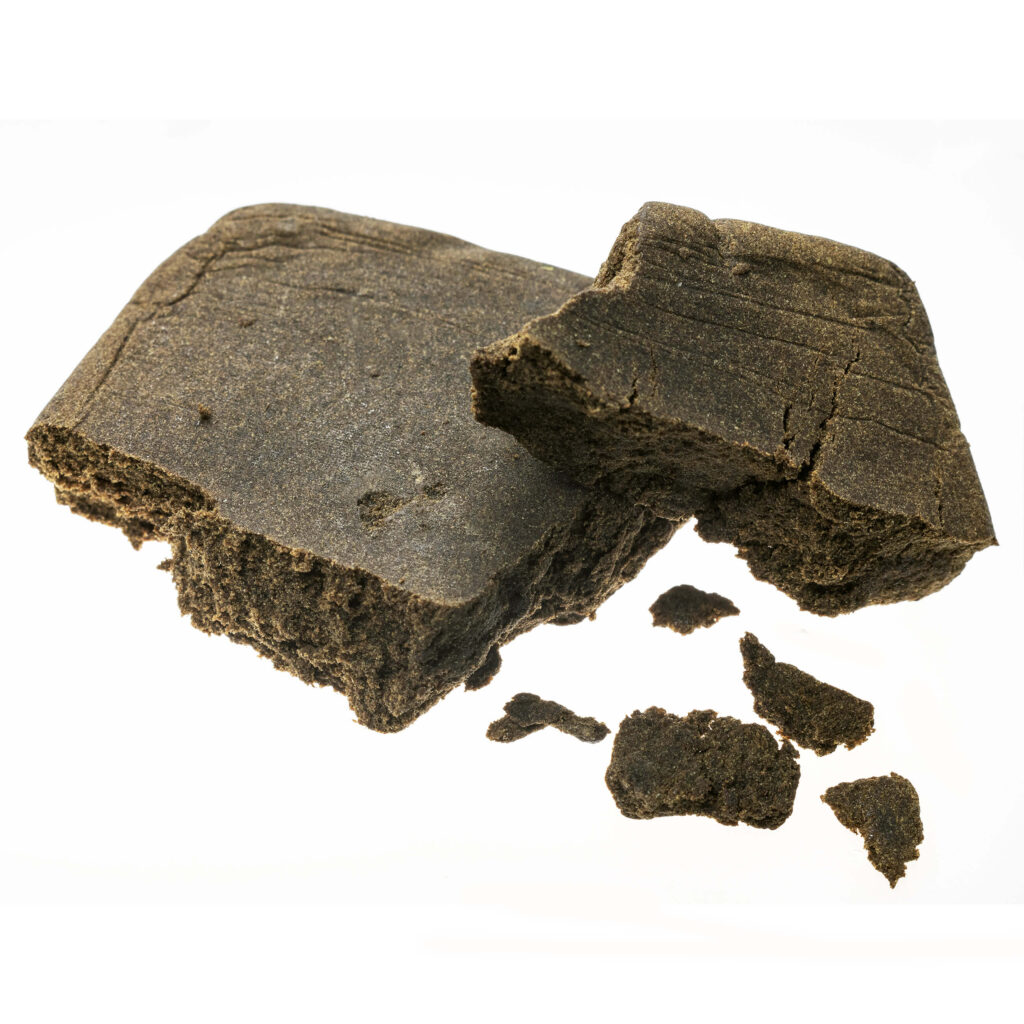
Characteristics: Dry-sift can vary in colour from golden and sandy to reddish brown or thick, oily black. Its texture also varies depending on how it is processed, from dry and brittle to soft and fudge-like.
Dry-sift is the standard type of hash made in Morocco, Afghanistan, Lebanon, and Pakistan. Unlike charas made from live cannabis, dry-sift comes from plants grown and dried in large, arid outdoor fields that first get processed into kief and then compressed to make hash.
Related post

Black Afghan hash
In Afghanistan, generations of farmers grow cannabis in large, open fields; often the only crop accessible to them or able to handle the tough local climate. They tend to harvest the plants quite late and dry them directly in the fields under the sun.
Then, in the cool shades of their mudbrick homes, the farmers begin the hash making process. First, they’ll beat and trample entire plants (leaves, buds, stems, and seeds) into a dry mulch. Then, they use cloth to filter out the plant material, producing a fine, golden powder packed with crystalline trichomes. Finally, the powder is compressed into hard bricks to facilitate transportation.
Afghanistan is the world’s largest producer of hashish, and the work of rural farmers in provinces like Balkh and Kandahar makes its way far into Europe and other parts of Asia, where it’s often sold as Black Afghan, a name synonymous with a top-shelf extract. The first batch of dry-sift is considered the purest and fetches the highest prices, while subsequent batches are cheaper and contain more plant contaminants.
Moroccan hash
In Morocco, hash is made a little differently. Stand on the foothills of the Rif Mountains and you’ll find yourself surrounded by green fields of cannabis as far as the eye can see. Here, local farmers also tend to harvest their plants a little later, usually around the end of October or even November.
In cool, dark rooms inside the farmers houses (sometimes right next to where their children sleep), you’ll find piles of cannabis drying in the shade. After drying their weed for several weeks, the farmers trim away the fan leaves and separate the flowers from the stems before piling them on top of fine cloth strung over buckets or tubs.
They then cover the plant material with plastic and beat it gently with hemp stems. Besides making a lovely percussive sound, the agitation from the beating helps separate trichomes and pushes them through the cloth into the container below.
The farmers then collect the fine, powdery resin and press it into balls, sticks, or bricks. Some farmers heat and press the resin, causing some of the trichomes to release the oils they contain, forming a solid, sticky mass when pressed.
How it’s used: Dry-sift hash is consumed recreationally and is very popular across Afghanistan, Pakistan, and other parts of the Middle East, as well as Morocco. It is typically mixed with tobacco for a smoother burn.
In Afghanistan and surrounding areas, dry-sift hash is known as chars. Older men in rural areas tend to smoke it through water-filtered hookah pipes at public hash dens, while younger generations smoke it privately in the form of cigarettes. In Morocco, hash is known as hashish or chira and is also smoked together with tobacco.
Related post
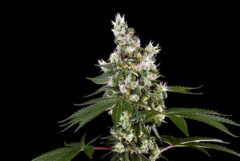
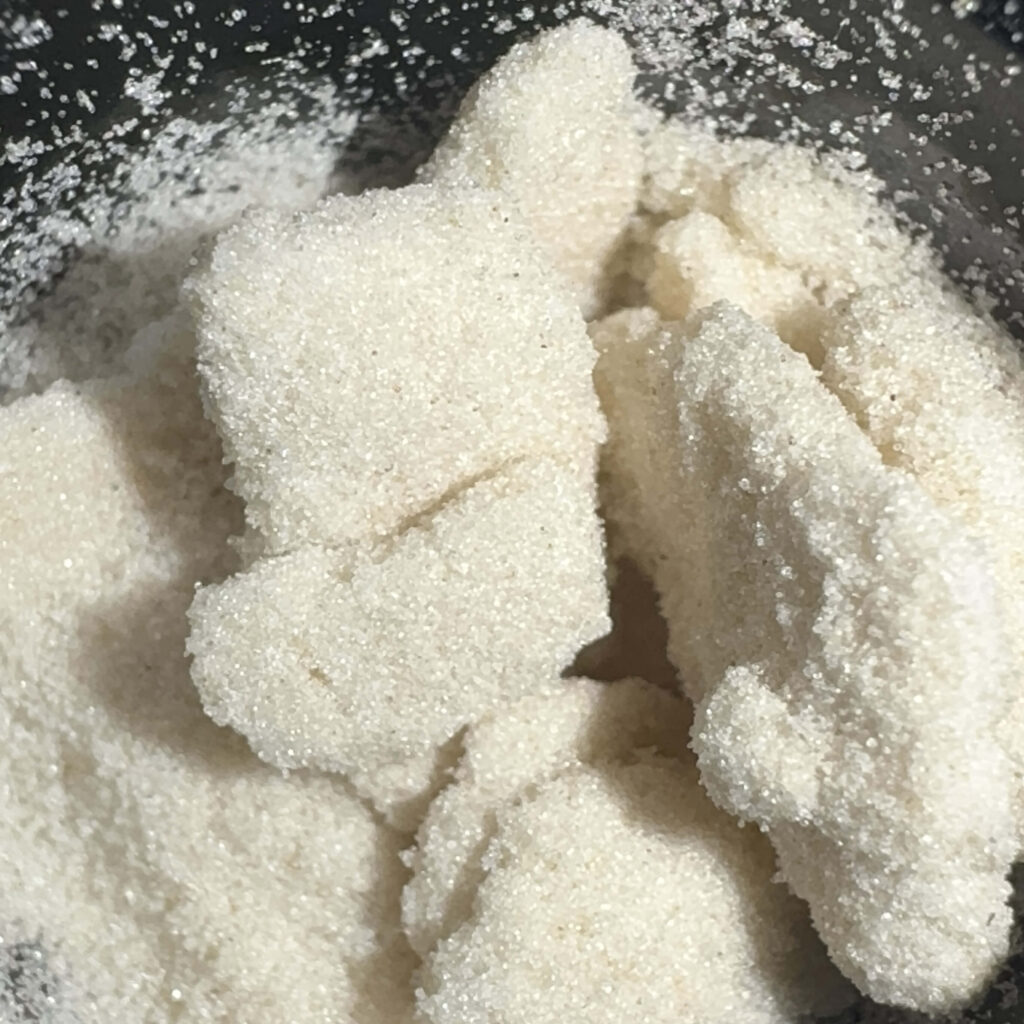
Pollen hash
Pollen hash is a colloquial term used to refer to kief; that is, hash that hasn’t been pressed and preserves the naturally fine, powdery consistency of the trichomes separated from cannabis plants. Click here to learn more about kief and how to smoke it.
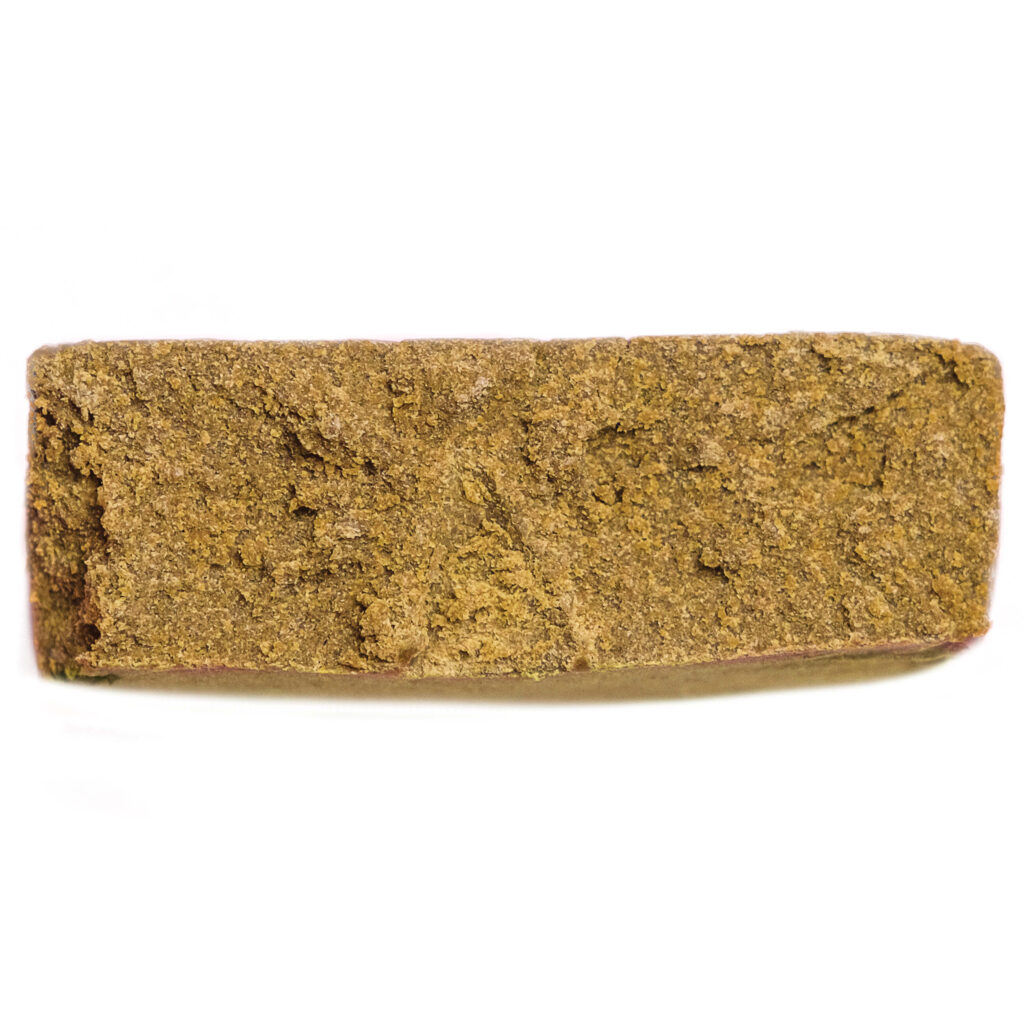
Full-melt hash
‘Full melt’ is a term used to describe high-quality hash that contains no plant impurities. Hash that catches fire is considered of a low quality, as it contains plant material such as leaves, seeds, or stalks that go up in flame when heated. Hash that contains only resin, on the other hand, melts and smokes without actually catching on fire.
Modern types of hash
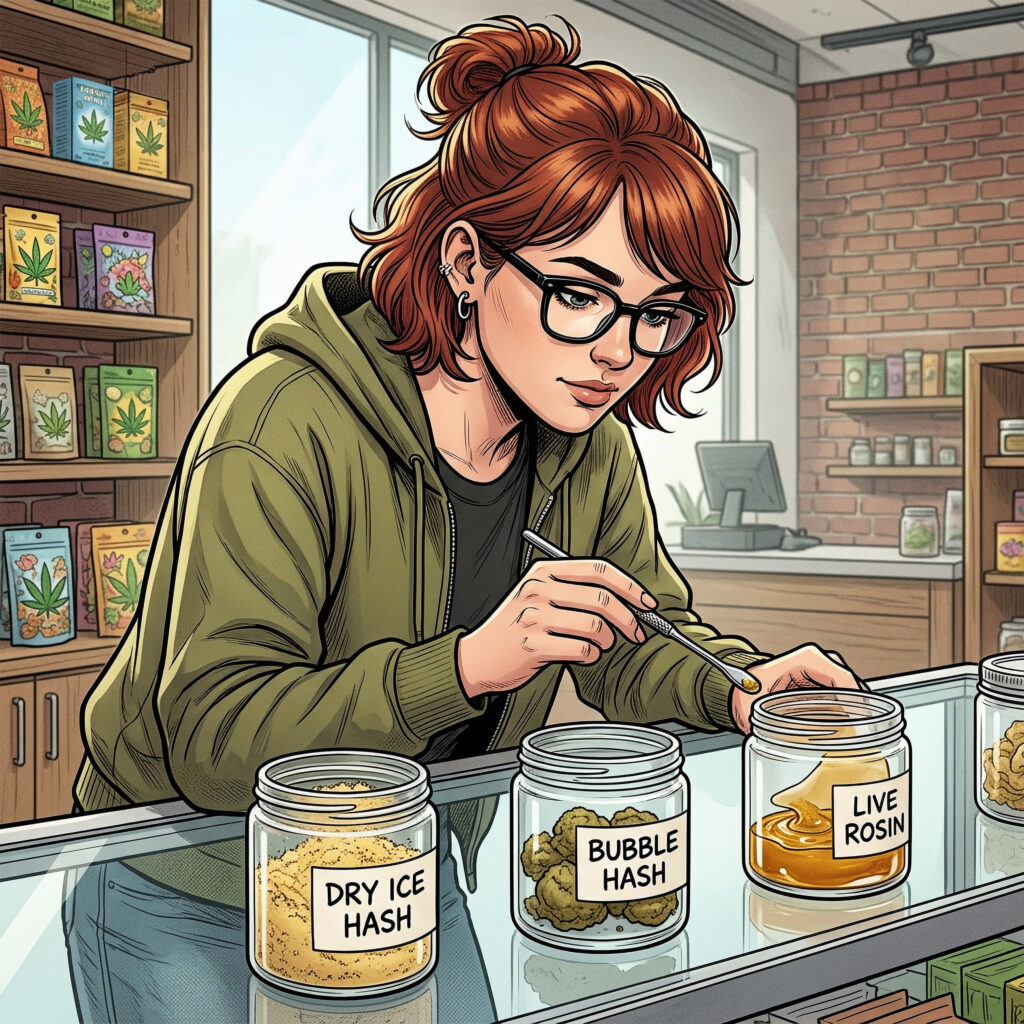
Hand-rolled charas and dry-sift hash are made using traditional processes that date back thousands of years.
Archaeological sources such as Babur-nama (the memoirs of Mughal Emperor Ẓahīr-ud-Dīn Muhammad Bābur), for example, show that hash consumption in areas like modern-day Afghanistan date back at least to the 16th century (and likely much earlier).
But hash has come a long way since. Today, hash makers use gentler methods to process their plants, resulting in extracts with different aromas, flavours, and effects. Below we’ll explore three of the most common modern hash varieties; bubble hash, dry-ice hash, and rosin.
Bubble hash (or ice water hash)
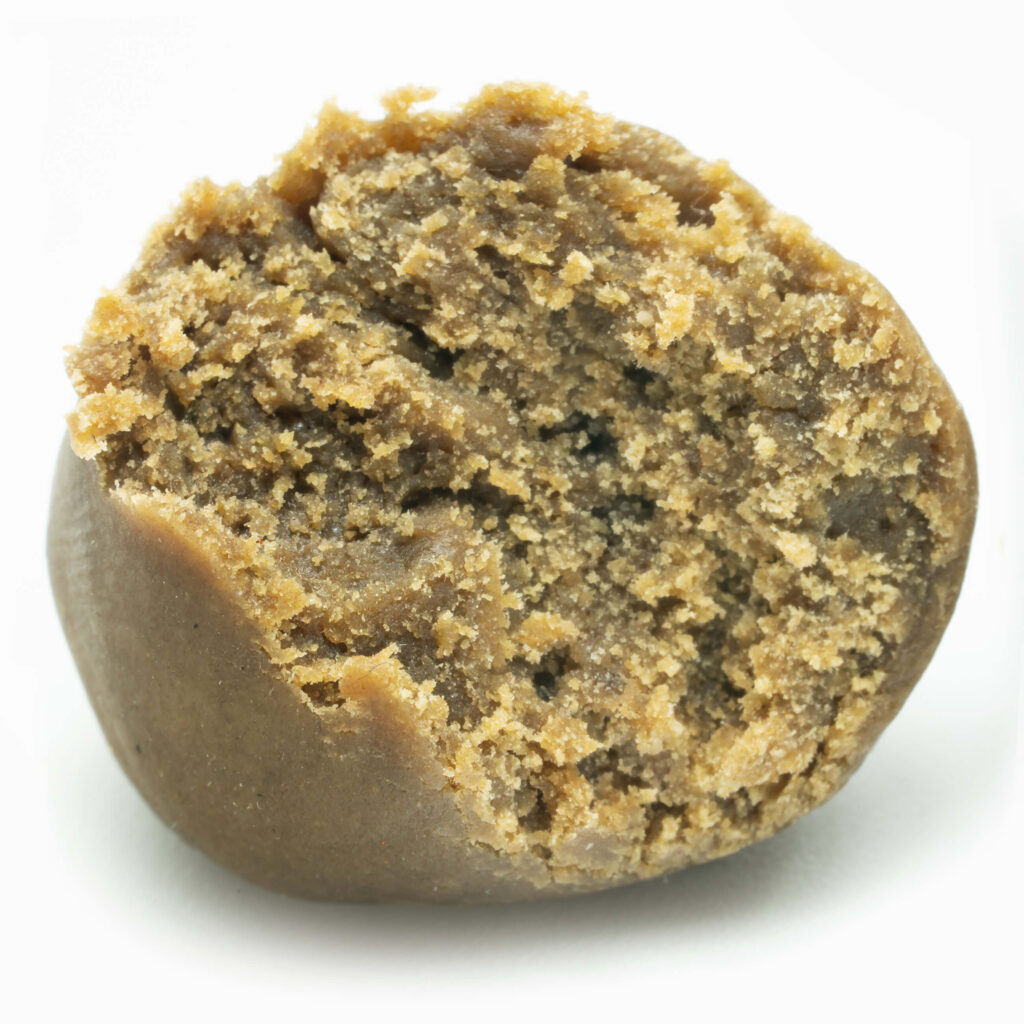
Origin: USA
Method: Made by washing frozen cannabis flowers in water and ice, causing the trichomes to separate from the plant material.
Characteristics: Light, golden-brown with a dry, sandy structure. Can be pressed or rolled into sticky, dense balls, sticks, or tabs.
Bubble hash originated in the late 1980s and is often attributed to the Dutch “King of Cannabis”, Nevil Schoenmakers. Nevil apparently learned the technique from an American colleague and passed it on to Sam The Skunkman, who first published a guide to making bubble hash in the 1988 November issue of High Times.
Sam’s method was simple: Mix 1 part ground cannabis with 20 parts ice water in a bucket, stir gently for a few minutes, and wait. The cool temperature and slight agitation work to separate whole trichome heads which, due to their weight, naturally sink to the bottom of the water.
Originally, Sam’s recipe called for ground-up cannabis and most likely referred to regular, dry weed. However, most modern bubble hash makers now use live, fresh-frozen cannabis instead. The freezing helps create brittle trichomes that are easier to separate, while the use of live flower preserves terpenes, producing a more aromatic product.
To this day, Sam’s method serves as the foundation of making bubble hash, though the process became a lot simpler since Hash Queen Mila Jansen invented the Ice-O-Lator®, a system of mesh bags that allow users to purify their bubble hash even further using different micron filters.
In recent years, innovations such as Piatella hash have pushed refinement even further; this technique involves curing high-quality ice water hash in airtight conditions at controlled humidity, resulting in a glossy, creamy, almost “pâté-like” texture that highlights terpene richness and preserves the hash’s freshness.
Once bubble hash is collected, it needs to be dried completely before it can be consumed. Some hash makers, such as Frenchy Cannoli, choose to press ice water hash using bottles filled with hot water. This process, while not mandatory, activates some of the resin in the hash, giving it a lovely, fudge-like texture similar to charas.
Dry ice hash
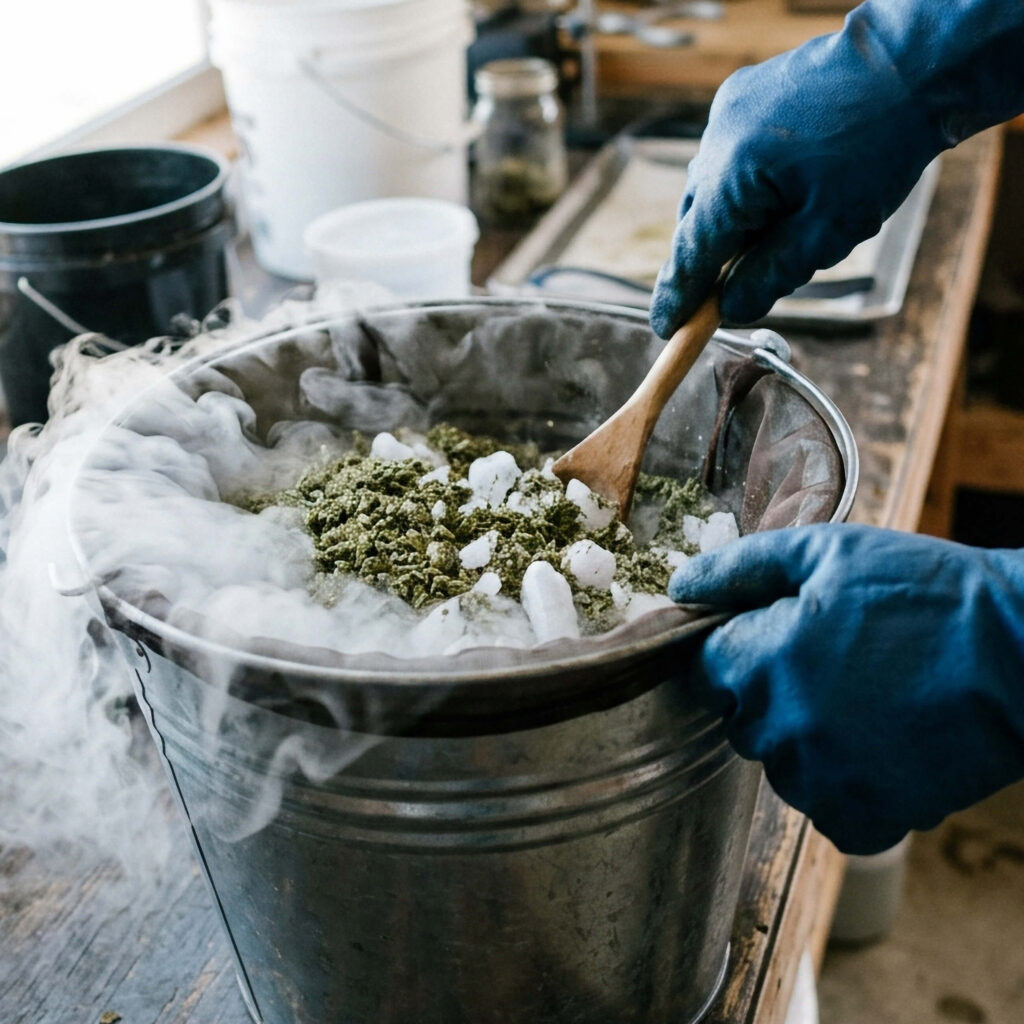
Origin: USA
Method: Made by mixing buds or trim with dry ice to separate trichomes and create a thick, sandy hash.
Characteristics: Light, golden-brown with an almost pasty texture.
Dry ice hash is the evolution of bubble hash. Unfortunately, it’s not clear who first invented this technique, but one thing’s certain: They knew what they were doing, because the result is phenomenal.
The process is simple; just mix 1-part fresh cannabis buds or trim with 0.5-1-part dry ice in a bucket, lightly shake the mixture to combine it well, and then sieve it through bubble or Ice-O-Lator® bags.
The dry ice will instantly freeze the trichomes on the buds or trim, causing them to naturally separate from the plant material at the lightest agitation. The result is a thick, golden hash packed with potency and flavour.
Rosin
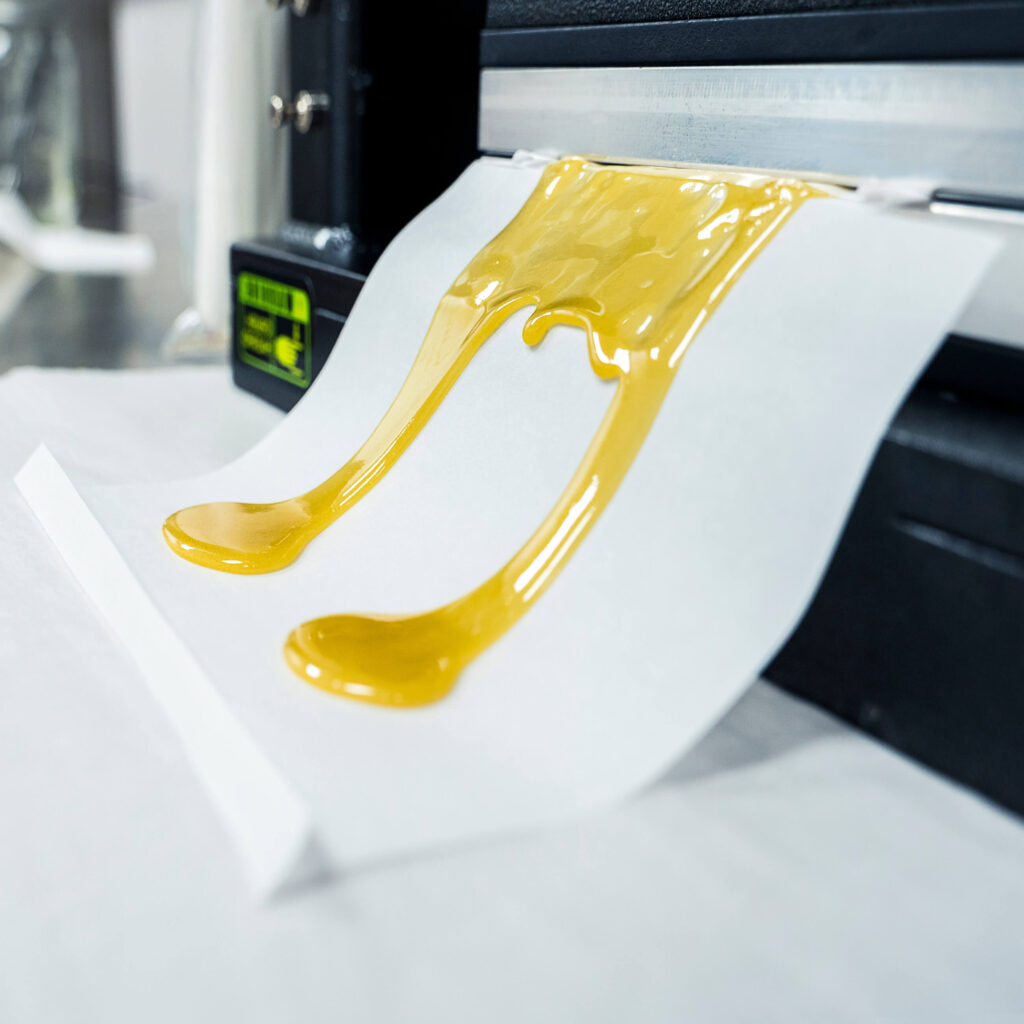
Origin: USA
Method: Made by compressing buds with pressure and heat, causing the trichomes to melt and separate into a runny, sticky concentrate.
Characteristics: Rosin can vary in colour and texture depending on the strain and quality of flower it is made with. Expect anything from a golden syrup or sap to thick, fudgy hash reminiscent of charas.
Rosin is arguably one of the most popular types of hash on the planet today, and for good reason; it’s easy to make and offers a delicious, extra potent smoke.
Discovered by grower Phil Salazar in Southern California around 2015, rosin is made by pressing buds, trim, kief, or hash into a rich extract. At first, Salazar used a simple hair straightener to lightly press his bubble hash into compressed bricks.
When he ran out of hash to press, Salazar applied the same technique to his flower and discovered the art of making rosin.
Today, first-time rosin makers still use Salazar’s hair straightener technique. However, using a professional rosin press allows you to apply much more pressure and precisely control the temperature at which you make your extract, resulting in higher yields and preserving more terpenes.
Live rosin
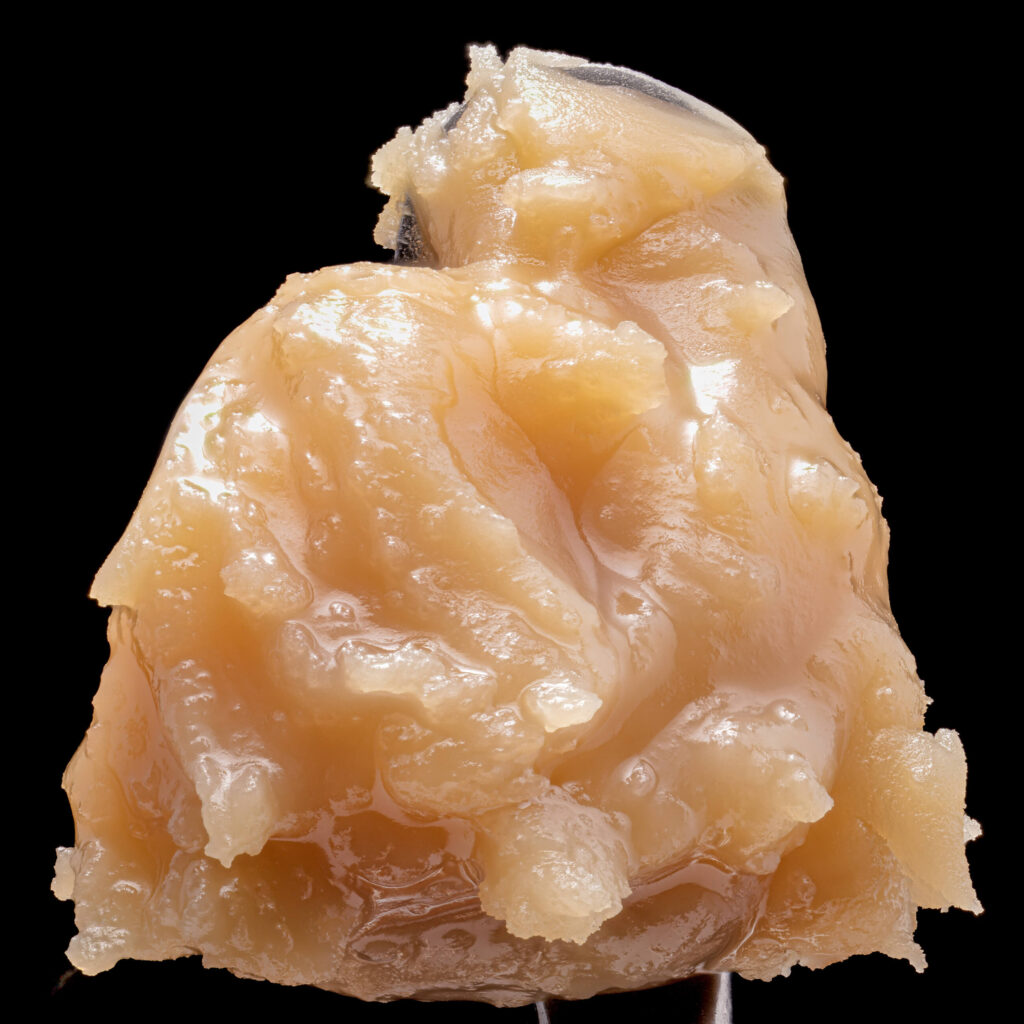
Live rosin is made using kief from live, fresh-frozen cannabis buds, and is a favourite at North American dispensaries. Depending on how it is processed, live rosin can form a thick, gooey extract in which THC crystals visually separate from terpenes.
Live resin
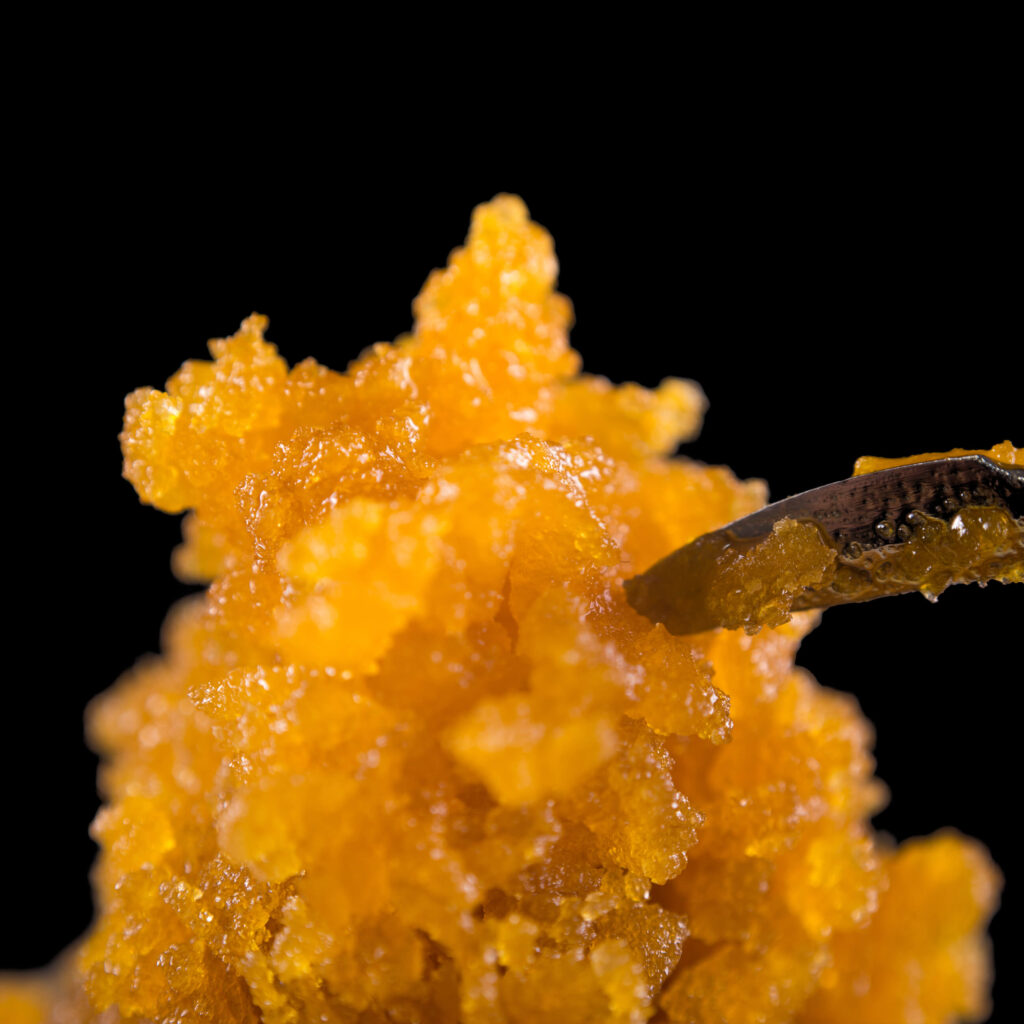
Live resin is a type of BHO made from live cannabis plants. It typically has a sticky, saucy texture and is also cured in different ways to achieve a separation of THC crystals and terpenes.
Solvent-based hash oils (like BHO)
Origin: USA
Method: Made by blasting cannabis flowers or trim with butane, propane, or other solvents to extract trichomes.
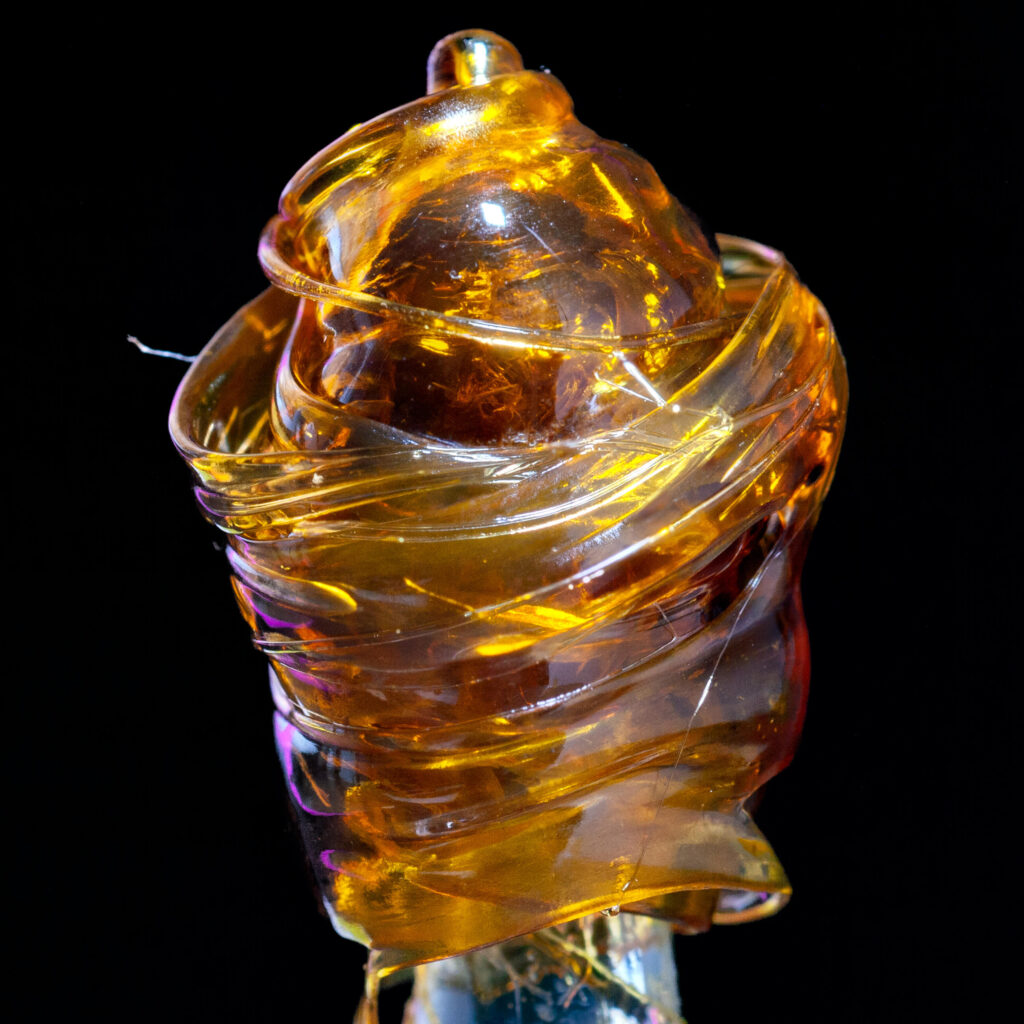
Characteristics: Hash oils have a golden colour and varying textures, from brittle shatter to sticky wax or creamy budder, depending on how they’re made.
As the name implies, solvent-based hash oils use solvents to separate cannabis trichomes from buds or trim (most commonly butane, propane, or CO2). These solvents are then purged and processed by drying, whipping, or stirring to achieve specific textures, resulting in super potent extracts with up to 90% THC.
Note that many smokers don’t consider BHO or similar solvent extracts to be real hash, mainly because hash is traditionally made without the use of solvents. At Sensi Seeds, we think there’s plenty to be said for either side of the argument, and we’d love to hear your opinion.
Let us know in the comments below whether you think modern BHO should be considered hash, and why or why not!
Related post

BHO comparison table
| All BHO is made by washing cannabis in butane. However, different purging methods produce products with unique textures and appearance, including: |
| SHATTER | WAX/CRUMBLE | LIVE RESIN/SAUCE | BUDDER |
| Solid, translucent, and glassy. Made by pouring BHO into trays and purging without any agitation. | Solid and dry, with a consistency similar to candle wax. Made by stirring BHO as it purges. | Made from flash-frozen cannabis, producing a thick, viscous, saucy extract that needs to be kept cool to avoid melting. | Light and creamy. BHO is whipped vigorously during the purging process, producing a product with a thick, butter-like consistency. |
Choosing the right type of hash

The wonderful world of hash is rife with textures, aromas, and potencies. So, selecting the “right” hash really depends on your personal preferences and tolerance. Consider:
- Dry sift or charas for a mild, mellow smoke that’s ideal for first-time hash users.
- Bubble or dry ice hash for more potency and fresher aromas and flavours (especially when made with live plant material).
- Rosin for an extra step up in potency.
- BHO for max potency and a wide variety of textures, aromas, and flavours.
FAQs about different hash types
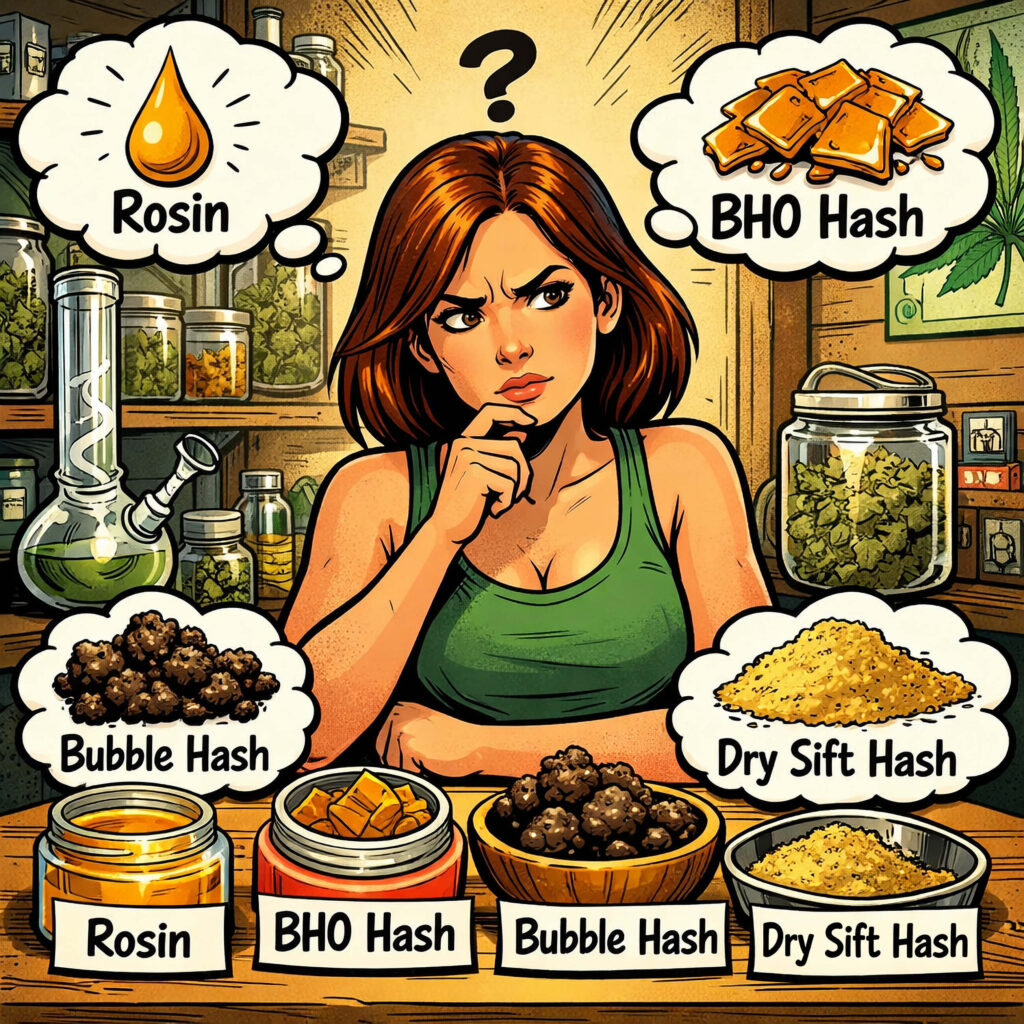
A: Charas, dry-sift, bubble hash, dry ice hash and rosin are the main types of hash.
A: Traditional hash is made without solvents by manually separating the trichomes from cannabis plant material. Hash oil, on the other hand, uses solvents like butane, propane, or CO2 to separate trichomes from cannabis buds and trim.
A: Traditional hash types like charas and dry-sift, as well as bubble hash and dry ice hash, are all made without solvents.
A: Charas, dry sift, and bubble hash are all very easy to make at home and ideal for beginner hash makers. Dry ice hash is a little more advanced, while BHO should never be made at home as its production is very dangerous.
A: This depends on what you mean by “pure.” If you’re referring to potency, then the most potent form of hash is rosin or Butane Hash Oil. From a historical standpoint, however, the most traditionally pure forms of hash are charas and dry-sift.
A: First-time hash smokers should try medium potency hash like charas or dry-sift before moving on to more potent hash varieties.
Which hash type will you be smoking next?

Smoking hash is all about the experience. Unlike regular weed, hash delivers unique aromas and flavours; from dark and spicy to fresh and fruity.
Let us know in the comments below which types of hash you like the most, and which ones you’ll be chasing down for your next session!
- Disclaimer:Laws and regulations regarding cannabis use differ from country to country. Sensi Seeds therefore strongly advises you to check your local laws and regulations. Do not act in conflict with the law.

So Im old :o) and back in the 70s & 80s I love love loved Hashish!
Black, Blonde… but the texture was so different… whet I get now is… more like opium texture – of course its only been 30 yrs LOL – am I getting crappy stuff or is it just diff now? Sorry – prob dumb questions but dont know who else to ask!
Also – sadly I have to get the Delta 8 – since Delta 9 is “illegal” and I cant find the real stuff – or at least what I consider Real… What I do get looks very similar to the Hand-Rubbed pictured above. Ya know – Back in the day, with hash – you’d have to use a lighter to soften and crumble into a joint. This stuff is already sticky and its doesnt really work. OR my Fav – break off a piece – stick it on a pin under a small glass – light her up – put the glass on top – and then inhale all that glorious smoke. Again doesnt really work it sort of melts and doesnt stay lit long enough to get a lung full. Again – have pity I am old – just trying to figure out what Im getting and why it isnt anything like it used to be :o( ahhh the good old days!!
dont waste ya time walking on hash nooffence im pretty sure it would work but instead get a galss jar / bottle a wine bottle workd good, put boiling water in it. allow to cool for 5-10 minutes then put the tricomes in parchment paper and rollm fold and repeat with the newly forming hash, simple and fast. even faster way is just to wrap tight in cellefane and park a car on it for a few minutes after heating it up in warm water
Good afternoon TheRealM00,
Thanks for sharing your experiences with hashish,
I have never thought to press it under the car, interesting idea! 🙂
You might also be interested in our article on What Is the Rosin Technique & How to Make Rosin Hash
Thanks again, and I hope you to continue to enjoy the blog,
Have an excellent day,
Mark
But that can be less hashish if want many kgs hashish should cook on fire dung
Extracts are not hash I thought this would be telling us the production methods of different hash producing countries bit basic and told me nothing I didn’t know already
Hi Tim,
This article, as the name suggests, is really a beginner’s guide, which is why extracts have been included (although I agree, modern extracts are not, strictly speaking, types of hash; however, ‘butane hash’ has been around for years under this name). For more in-depth information about hash-making in different countries, you could have a look at our ‘Cannabis In…’ series of articles, which explore the relationship between people and cannabis country by country. I hope this is useful, and that you continue to enjoy the blog.
With best wishes,
Scarlet
Thanks for sharing this, some of my questions were answered. I realized that what matters in my consumption is flavour.
Why does hash feel so different to weed when you smoke it hash is more relaxing. Weed just gives me paranoia
you’re smoking the wrong strains simple as that, try something like heavy indica with no haze lineage in it
I’ve saved my keif from this last half oz and its not a lot but it’s strong, is there a quick and easy method to making hash with what I’ve got at home? I’m a well rounded pot snob so I know good flowers when I see them but I had a wild hair on my ass to see if I could pull off making hash from what I’ve got and any assistance would be greatly appreciated.
Hi Bill,
You could try an old method which I believe is Moroccan (but I could be wrong) – ‘shoe hash’. Wrap your keif in several layers of plastic food wrap, put it in your shoe under your heel and walk around on it for a couple of days. The heat and pressure from your heel will compress the keif into hash! Let us know how you get on, and in the meantime, I hope you continue to enjoy the blog.
With best wishes,
Scarlet
Yes put it in your palm flash it with lighter or hold your thumb over it for a minute then press down on kief and drag your thumb across your palm whilst pressing on product then just play with it if it’s good quality it’s binding already then make it into ball flatten it a few times and hey presto you have hash simple as that
Hi hashish made by cooking on fire and also cook by hand fire in my area number one hashish
What a well written education in the way to produce the best hashish. My own preferences is Ketama Gold over the hand rubbed hashish from the far east. My only objection is, that the commercial hashish comes out more and more like a “skunky beat”. Thanks a lot for sharing some words of wisdom, Seshata. Bom Shankar. L & R from Denmark
This article is great and so well written. Love & Respect from Peoria, IL.