


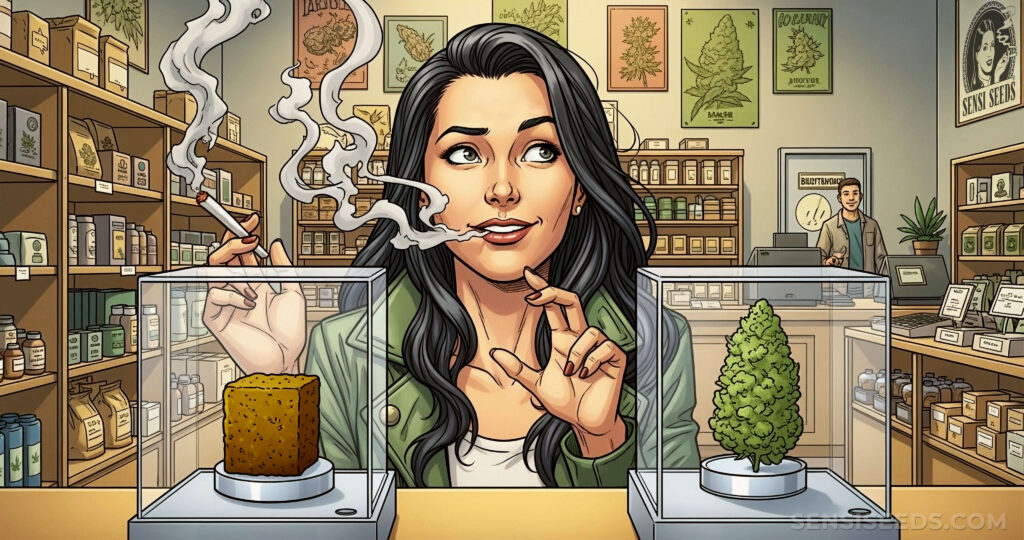
New to the wonderful world of weed? Then you might be wondering about the difference between weed vs hash. Keep reading for a comprehensive look at the differences between hash vs weed, including how they look and taste, as well as the different highs they deliver.
People sometimes refer to cannabis using the terms “hash” and “weed” interchangeably. However, there are clear differences between hash vs weed, from their constituents right down to the kinds of effects they deliver.
The term “weed” refers to the dried cannabis flowers, or “buds”. Hash (or hashish), on the other hand, is made by condensing cannabis resin into a potent extract with unique aromas, flavours, and effects.
Key takeaways:
- Hash and weed come from the same plant – cannabis!
- Weed is made from dried and cured cannabis flowers, while hash is made from concentrated cannabis resin.
- Hash is generally more potent than weed, containing more THC and inducing a longer-lasting, more physical effect.
- Weed has a fresh aroma, while hash is rich, spicy, and earthy.
- Choosing between hash vs weed depends on your preference for relaxing or uplifting effects.
Hash vs weed: Understanding the basics
| WEED | HASH | |
| MADE FROM: | Dried, trimmed, and cured female cannabis flowers. | Concentrated cannabis resin. |
| POTENCY: | 20-30% THC | 20-40% THC |
| ONSET & EFFECTS: | Fast and strain-dependent, with some varieties producing an energetic, cerebral buzz and others a more physical stone. | Slow, gradual onset. Generally produces soothing physical effects. |
| FLAVOURS AND AROMAS: | Fresh and vibrant | Dark and spicy |
Both weed and hash come from the same place, namely (ideally) unpollinated female cannabis plants. These plants produce flowers with crystalline resin glands (known as trichomes), which contain the terpenes and cannabinoids responsible for cannabis’ unique properties.
Weed is made by simply harvesting, trimming, drying, and curing these flowers. Hash, on the other hand, is made by separating the trichomes from flowers and other resinous plant parts (like sugar leaves) into a potent extract.
What is weed (i.e. marijuana)?

Weed – whether you call it marijuana, grass, Ganja, bud, or something else, refers to dried and cured female cannabis flowers. Note that some people also use the term cannabis (which technically refers to the weed plant) to refer to these buds, which consist of:
- Pistils – long hairs designed to catch pollen from nearby male plants.
- Bracts – designed to grow seeds once a plant is pollinated.
- Small “sugar” leaves – designed to physically protect flowers and contribute to photosynthesis.
- Trichomes – small, crystalline resin glands containing cannabinoids, terpenes, flavonoids, and other compounds responsible for cannabis’ unique effects and flavours.
Unlike hash, which is made using unique processing, weed is made by simply harvesting, drying, and curing mature cannabis flowers.
While the potency of weed varies greatly, most modern cannabis flowers contain around 15-30% THC.
How is weed made?
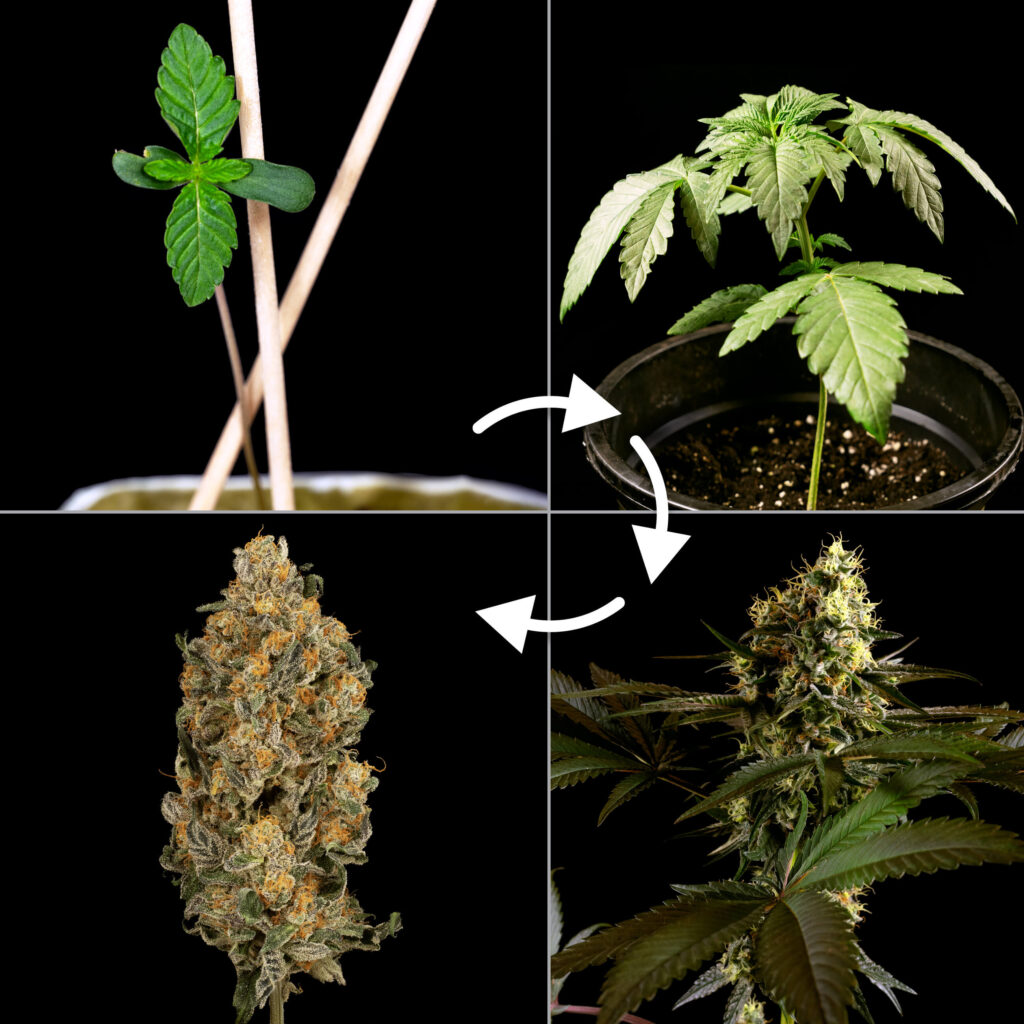
Weed is made by growing female cannabis plants (either from cannabis seeds or by taking clones from a mother plant). During cultivation, cannabis plants go through three distinct growth phases:
- The seedling/clone phase, where plants are young and mainly focus on developing a strong root system.
- The vegetative phase, where growth accelerates and plants focus on developing healthy foliage (leaves, branches, and flower sites).
- The flowering phase, where plants stop developing new foliage and focus almost entirely on developing flowers.
Today, most weed is cultivated using the sinsemilla technique attributed to Mexican drug trafficker Rafael Caro Quintero. Once female cannabis plants are pollinated, they focus most of their energy on the production of healthy seeds. Preventing pollination, on the other hand, pushes female cannabis plants to produce larger, more resinous flowers.
Weed with more resin naturally contains more cannabinoids and terpenes, making for a tastier, more potent, and aromatic smoke. Meanwhile, weed with less resin tends to have a distinct “grassy” flavour and produces a harsh smoke and mild effects.
Once mature, cannabis growers harvest their flowers and hang them to dry for roughly 2 weeks. This process allows moisture to seep from the flowers, making them smokeable and prepping them for long-term storage (flowers with too much moisture will not burn properly and may go mouldy during storage).
After drying, weed is cured in glass jars to allow its aromas, flavours, and potency to develop further. How long you cure weed is a matter of personal preference, but most growers cure for at least two weeks after drying.
How is weed used?

Weed is commonly ground and smoked or vaporized. In some cultures, it’s common to smoke cannabis together with tobacco, though smoking it pure is becoming ever more popular. The most common ways of smoking cannabis include in:
- Joints; cannabis cigarettes
- Blunts; cannabis cigars wrapped in large cigar wrappers (which can be made of tobacco, cellulose, or hemp)
- Bongs; special water pipes tailor made for smoking weed
- Pipes, which can be made of materials like ceramics, wood, or glass
Vaping or vaporizing cannabis has also become increasingly common. Since it involves heating cannabis at lower and more controlled temperatures, vaping allows cannabis users to extract more cannabinoids and terpenes from their herb without combusting it (which destroys its compounds and increases one’s exposure to toxic chemicals). Weed is most commonly vaped in dry herb vaporizers that use either convection, conduction, or hybrid heating elements.
Related post

What is hash?
While there are many different types of hash out there, they all share one common trait: all hash is made by separating cannabis trichomes from plant material and condensing them into a rich, potent extract.
Traditional varieties of hash contain 25-40% THC, according to the World Drug Report. Meanwhile, more modern solvent-based hash extractions like Butane Hash Oil (BHO) can contain over 90% THC.
The origins of hash aren’t clear, but regions like Pakistan, India, Afghanistan, and Nepal have centuries-old hash practices. The first clear historical link between hashish and the Nizari Ismailis appears in 12th-century Middle Eastern sources that label the group with the term hashishin, which translates as “hashish users” or “hashish eaters”.
Crusaders later mangled this word into “assassins,” which further fuelled the story that Hassan al-Sabbāh drugged his soldiers with hashish to intoxicate and manipulate them.
How is hash made?
All hash is made by separating cannabis trichomes from plant matter. There are many ways of doing this, but some popular hash-making methods include:

- Dry sifting: This involves gently rubbing dried cannabis flowers against mesh sieves. The fine, powdery trichomes are then pressed into blocks. This is how traditional hash varieties like Moroccan, Black Afghan, and Red Lebanese are made.
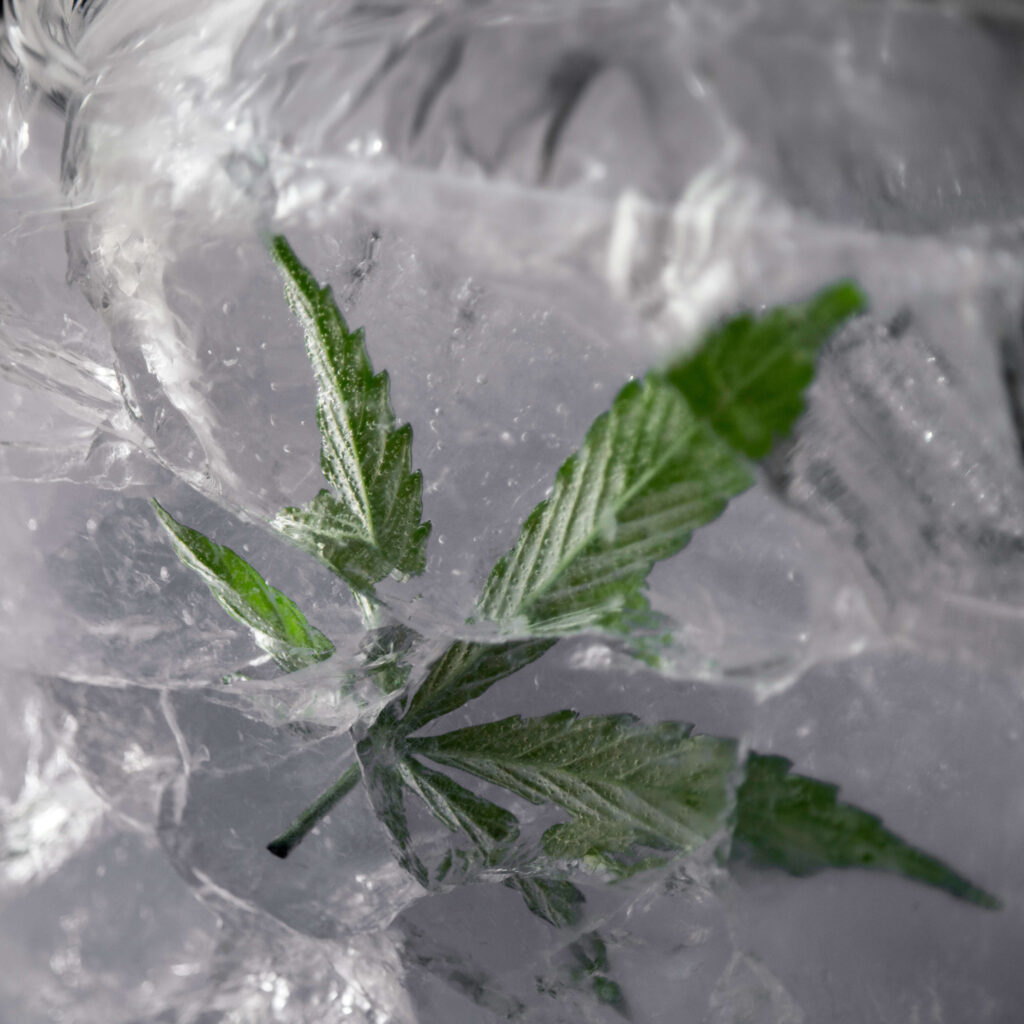
- Washing: This involves washing frozen cannabis flowers in ice and water, causing the oily trichomes to separate from the plant matter. The trichomes are then collected and dried to make a light, waxy resin known as Bubble Hash (or Ice Water Hash).
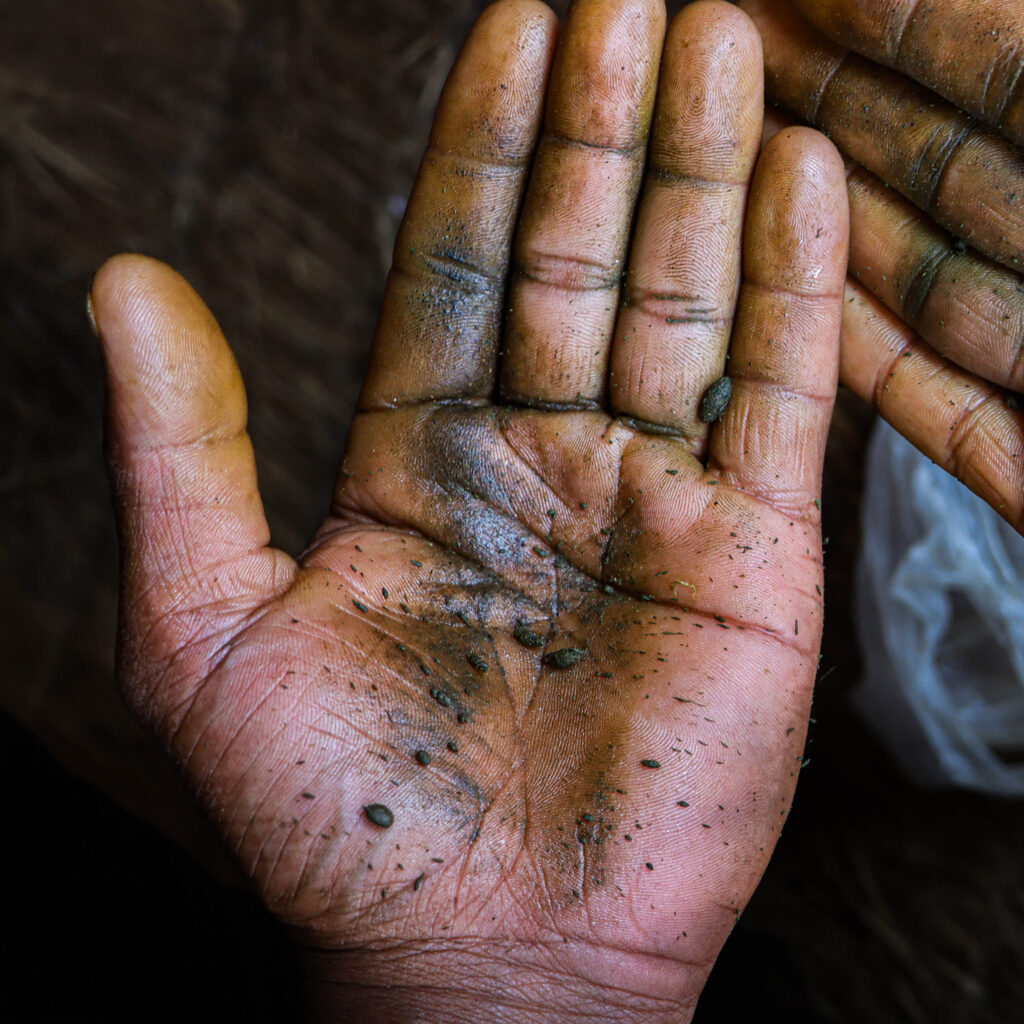
- Hand rubbing: This involves rubbing live (i.e. undried) cannabis flowers between the hands, causing the resin to stick to one’s palms. This is how traditional charas is made in India, Pakistan, and Nepal.
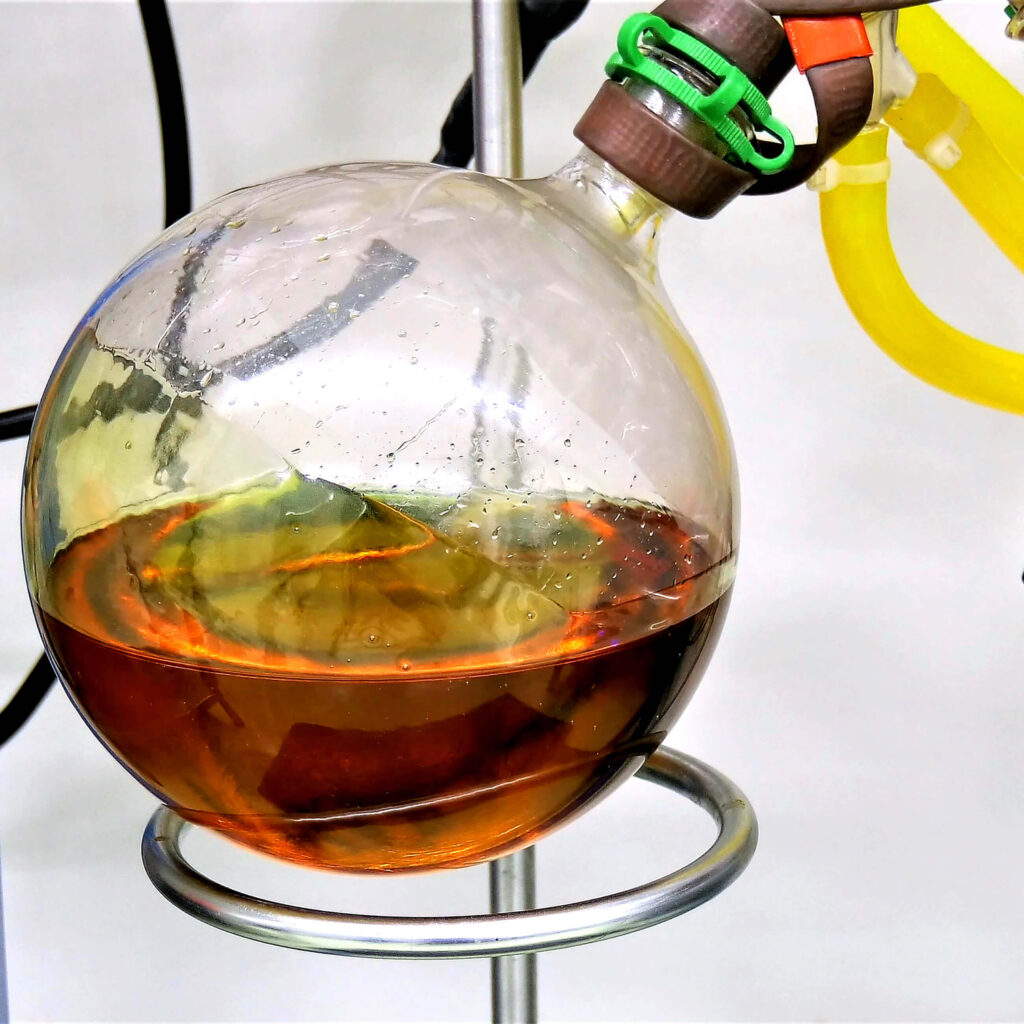
- Solvent-based extraction: Here, alcohol, butane, CO2, or other solvents are used to chemically separate trichomes from cannabis flowers and trim. This is a more modern technique used to make extra-potent hash varieties like BHO.
Hash-makers typically seek out cannabis strains capable of producing large amounts of bulbous trichomes. Read more about some of the world’s best hash strains here.
How is hash used?

Dry sift or charas hash is traditionally smoked with tobacco, though it can also be consumed with nicotine-free herbal smoke blends or ground weed (though this makes for a much more potent experience).
More modern hash varieties, like Bubble Hash or solvent-based extracts, are commonly vaporised.
Related post
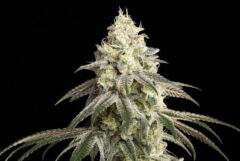
Hash vs weed taste/smell comparison:

Given the stark differences in how they are produced, hash and weed feature very different aromas and flavours. This table describes some of the different aroma/flavour notes of hash vs weed:
| HASH VS WEED FLAVOURS & AROMAS |
| WEED | HASH |
| Aromatic notes: CitrusFruitCandyFloralPineSweet Skunk Diesel & gas Aromatic descriptions: Fresh and “green”Bright SharpPungent | Aromatic notes: SpiceWoodEarthMuskNutsIncenseCaramel ChocolateTobaccoLeather Aromatic descriptions: Toasted ResinousSmoothRich |
Note – the exact aromas and flavours of hash vs weed depend on the strain. The table above doesn’t aim to be comprehensive, and instead offers a broad overview of some of the general aromatic/flavour characteristics of weed vs hash.
Weed vs hash effects comparison:

The differences in weed and hash production don’t just affect the cannabis plant’s aromas and flavour – they also contribute to unique effect profiles. This table offers a basic overview of the different effects between hash vs weed:
| HASH VS WEED EFFECTS |
| WEED | HASH | |
| ONSET | Quick | Slow and smooth |
| EFFECT | Weed produces balanced and strain-dependent effects that often start with a cerebral lift before turning more physical (though this depends on the strain). Some strains may produce prolonged bursts of energy, focus, and creativity, while others may induce states of deep relaxation. | Hash generally induces a more physical effect that builds gently over time but rarely becomes overwhelming. The buzz from hash can be described as warm and comforting, rather than energetic. |
| DURATION | Quick build with a shorter duration (1.5 to 3 hours). | Slower build with deeper, longer-lasting effects (3+ hours). |
How to choose between hash vs weed:
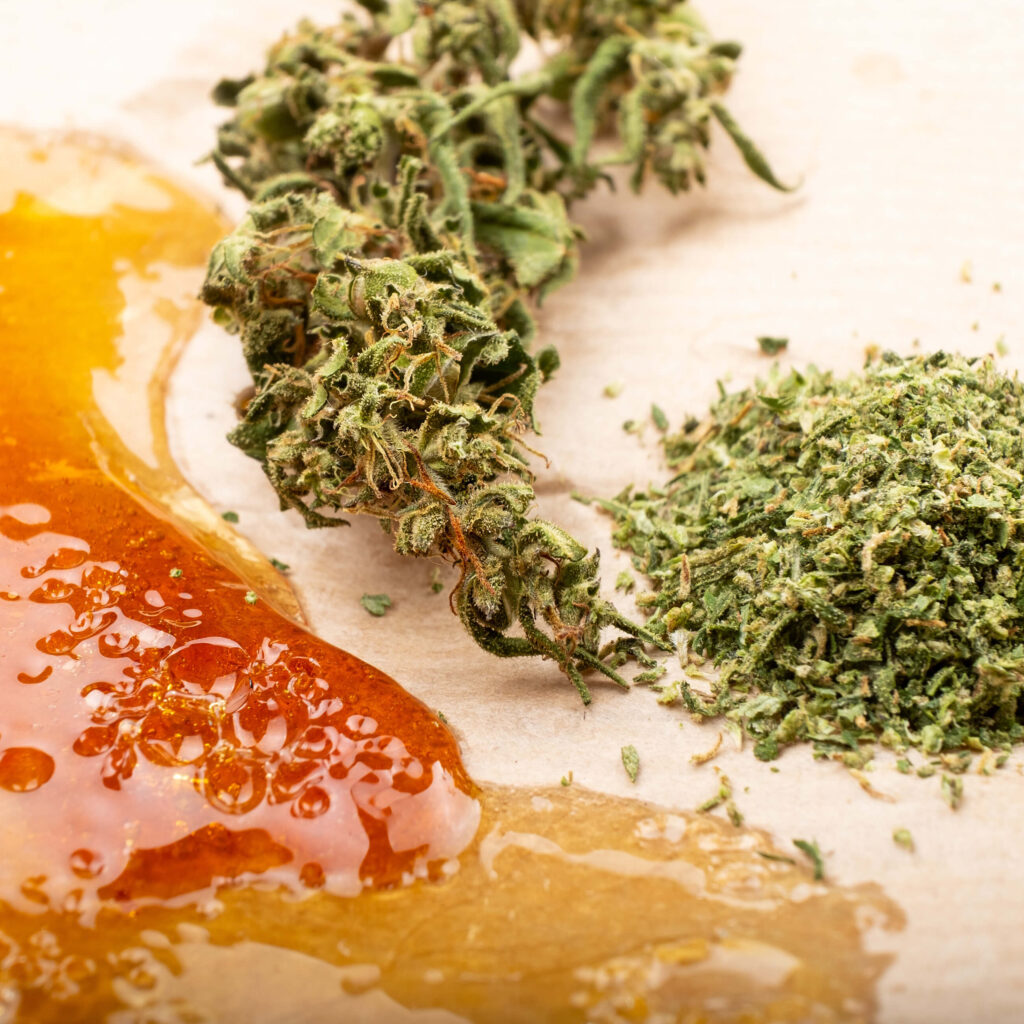
Whether you choose to smoke hash or weed (or both!) depends entirely on your preference.
- Ask yourself: do you prefer more of a physical stone or an uplifting, energetic buzz? The effects of hash tend to be more mellow and physical (ideal for relaxing), whereas weed can induce more of a stimulating effect (ideal for daytime use).
- Consider the different aromas and flavours of hash and weed; where weed can have fresh, vibrant aromas and flavours reminiscent of fruit, candy, skunk, and gas, hash tends to have a darker, spicier aroma reminiscent of wood, earth, spice, and musk.
- Arguably most importantly, consider your tolerance and general response to cannabis. If you dislike heavy physical effects, your best bet is to try uplifting weed strains. Alternatively, if you don’t like cannabis with a fast, strong onset, you may enjoy the more mellow effects of hash.
And if you’re unsure of what kind of cannabis you like, then experiment! Try out different strains of weed as well as different varieties of hash until you find what makes you feel best. Who knows, you might just like both for different occasions!
Hash vs weed for sleep:
Do you like to use cannabis to relax in the evening and prepare for bed? If so, hash might be your best bet. Its slow-onset physical effects tend to relax the muscles and mind, making it the perfect natural nightcap.
If you like to use cannabis during the day when you need to stay active or productive, on the other hand, you might prefer to smoke some uplifting weed.
Related post

Hash vs weed FAQs

A: Weed typically contains 20-30% THC, while traditional hash varieties like dry-sift, charas, or Bubble Hash can contain 20-40% THC. Finally, more modern hash varieties like BHO can contain upwards of 90% THC.
A: The high from hash typically has a slower onset than the effect of weed. However, it also tends to last a little longer.
A: Hash has a dark aroma with notes of spice, earth, musk, wood, tobacco, and leather. Weed, on the other hand, has a fresh aroma with notes as varied as fruity, sweet, citric, herbal, and gassy.
A: The strength of edibles depends on how much THC they contain. Since hash is generally stronger than weed, you’ll need less hash to make potent edibles than if you were making them with weed.
Share your thoughts – do you love weed, hash, or both? Also, what hash and weed varieties are your favourites? Let us (and our readers) know in the comments below!
- Disclaimer:Laws and regulations regarding cannabis use differ from country to country. Sensi Seeds therefore strongly advises you to check your local laws and regulations. Do not act in conflict with the law.

I prefer hashish-although I come by weed much more easily. I like the high from hash better-the ability to deeply relax and still function. It doesn’t make me tired like weed can.
I agree
Lebanese and i prefer hash over weed, the earthy flavor/odor is nice, eyes will not turn red and it will make me more hihg
Good morning Flank,
Thanks for sharing your thoughts with us!
I can quite imagine the Lebanese prefer smoking hashish over cannabis.
With a unique hash-making culture, it has been many cannabis connoisseurs’ dream to venture into the Beqaa valley and try some Lebanese Blonde or Red!
You might also enjoy our article on .
Have a great day!
Mark
I think you will find that ‘Lebanese’ or Leb is where the Hash is from. Very strong
My favorite hash in my younger years was from Afghanistan. I haven’t had anything near since 2005 lol I smoked hash in the 1970s and still do! I would love to enjoy some old school again
Same for me. I also have fabulous memories of laughing continuousy with the afgan black we smoked in the 70 s. Also the Thai sticks were great. I even went to the remote parts of Thailand recently to try and locate the original land race strain and get some seeds. Unfortunately I m not as young as I think I am and the solo trip was too much…(I still think I m 20 until reality kicks in)
I live mosty in Inda now and occasiinally I can find some good black hash. Such a joy..
from Africa/Algeria and i like hash, people here smoke only hashish, there no mafucking green shit uknow what im saying
Hey David,
Thank you for your comment!
I’m sorry to hear the availability of cannabis flower is limited in Algeria,
To learn a little more about medicinal cannabis, here are some links that you might find of interest.
What Is Medicinal Cannabis, and How to Choose a Medicinal Cannabis Strain? and What Are Cannabidiol and CBD Oil & How Is CBD Used in Medicine?.
Thanks again, and I hope you continue to enjoy the blog.
With best wishes,
Mark
No I don’t. Maybe you have used too much?
In Norway the majority smokes hash, mostly because it’s more potent than weed. I like the taste of weed, but I enjoy the effect of hash better.
I prefer hash. Seed: Gold, Sesemelia and light
I started out smoking hash, then went to flower, and then recently went back to hash. And I have to say that a hash high is much better quality high than a flower high.
It’s more like being baked as hell but still able to function, ideal for social or creative use. The dark hashes however usually are hypnotizing, bit of an opium feel to it.
Whereas flower makes me more of a zombie that is completely zoned out into inner dialogue.
When it’s a long day to go, I go for weed where I become thoughtful and slow down the world and when weed is wearing off, that drowsy tiredness make me sleep.
Quick times, hash is best as it blends with your routine work and make ordinary things like extra-ordinary and no wear off experienced like weed
For me,I’m 49 year and ALWAYS I’LL GETTING HASH THEN WEED!!!IN AMSTERDAM VERY FEW “OLD SCHOOL”PEOPLE USING HASH,EVERYBODY SMOKING WEED WITH 3X MUCH MONEY UP TO 37€/g…AND HASH “RED LEBAN” IS MY FAVORITE HASH AND MOST EXPENCIVE HASH BETWEN OTHERS
For me hash is much better then weed
I have always smoked hashish but last few years weed has came in to play as potent but as I write this I’ve 2g of charas hash in my freezer n smoking Oreoz weed which is super potent over 30% thc content if I had a choice would be hashish as for stone but some plants hold superb taste 👅
Hahaha yeah oroez sold consistently by my guy very nice stuff 😀