


Cereal Killa Feminized wasn’t quite what we’d expected. With a predominantly indica lineage, this strain’s lanky, stretched-out frame, delayed flowering time, and smallish flower clusters are distinctly sativa-like. On the other hand, the rapid development of the buds once started, their density, and their sedative effects are classically indica.
Total growing time: 90 days
Flowering time: 62 days
Final height: 101 cm
Final yield: 118 grams
THC content: 24.2%
We grow our Cereal Killa Feminized cannabis plant in an 8-litre plastic pot filled with BAC Lava mix in a climate-controlled room with a daytime temperature of 23°C (nighttime temperatures dropped to 21°C) and a relative humidity of 65% during vegetation. We grew our plant under a 1000 W Phillips GreenPower lamp hanging three metres off the ground on an 18/6 schedule.
Related post
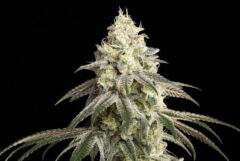
Germination & seedling
As with every grow, our first step was to germinate the seed. To do this, we used the tried-and-true paper towel method as it’s the fastest and most reliable technique that only requires a few basic household items: paper towels, a plate, and a plastic bag.
Simply fold up a couple of paper towels and sprinkle them with about 20-30 ml of water; they should be damp but not dripping wet. Next, put your seed on top of the towels and cover it with another damp paper towel. Lastly, place all of this into an open plastic bag and leave it somewhere warm and out of direct sunlight for a day or two. After 24 hours or so, our seed had cracked open to reveal a small, thin, white taproot sticking out.
This freshly germinated seed was planted into a pre-soaked Rockwool cube, placed under a 600 W LED light, and left for a few days. At this early stage of growth, young plants are extremely fragile, and an excess of light, heat, or water could kill them before they even take root. After three days, we gave our plant its first feeding with 100 ml of pH-balanced water (pH 6.2; EC 0.8) mixed with a small dose of rooting hormone.
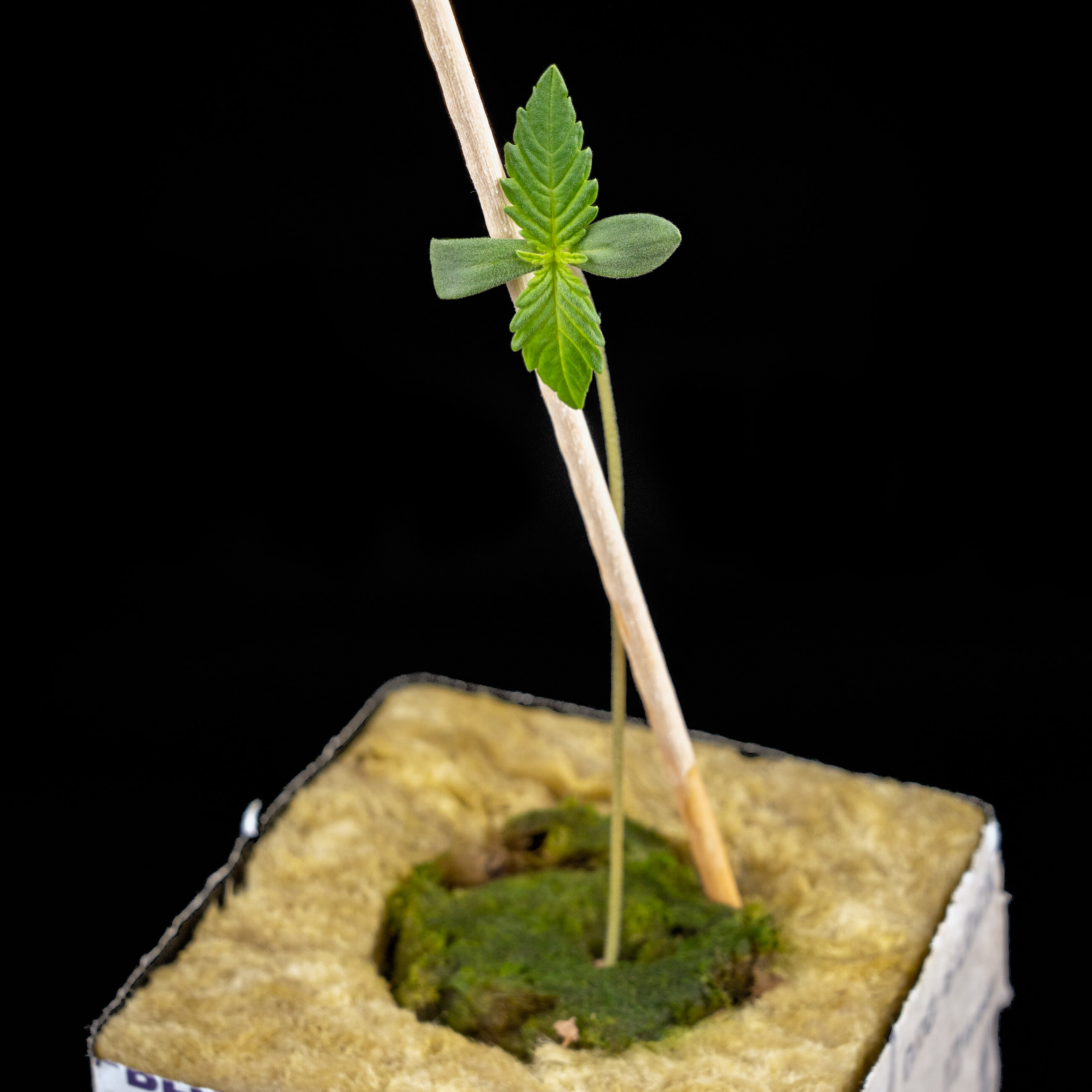
As we came to the end of week one, our plant’s roots were sticking out of the bottom of the Rockwool cube, so we transplanted it to its new home in an 8-litre plastic pot and set it under our 1000 W lamp. By now, our plant was already 9 cm tall with two healthy sets of pre-leaves on top of a thin, straight stem. This week, we began giving our seedling daily waterings with 100 ml of water (pH 6.0; EC 1.4) mixed with Bio Grow Liquid nutrients.
Vegetation
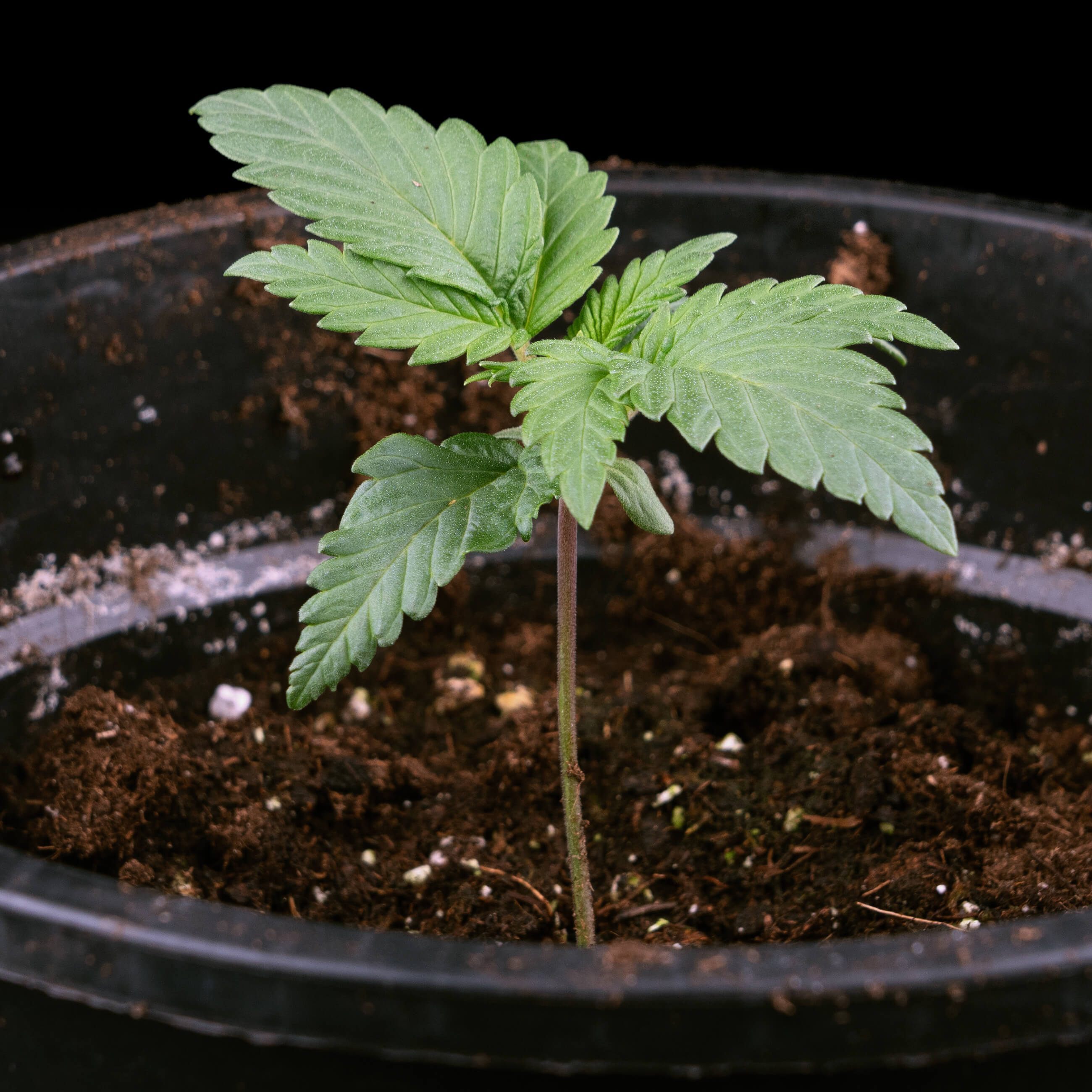
Making our way through week two, our plant nearly doubled in height to reach 16 cm tall and saw the first set of true leaves appear as the stem thickened slightly. With rapid growth expected in the coming days, we doubled our daily feedings to 200 ml of water.
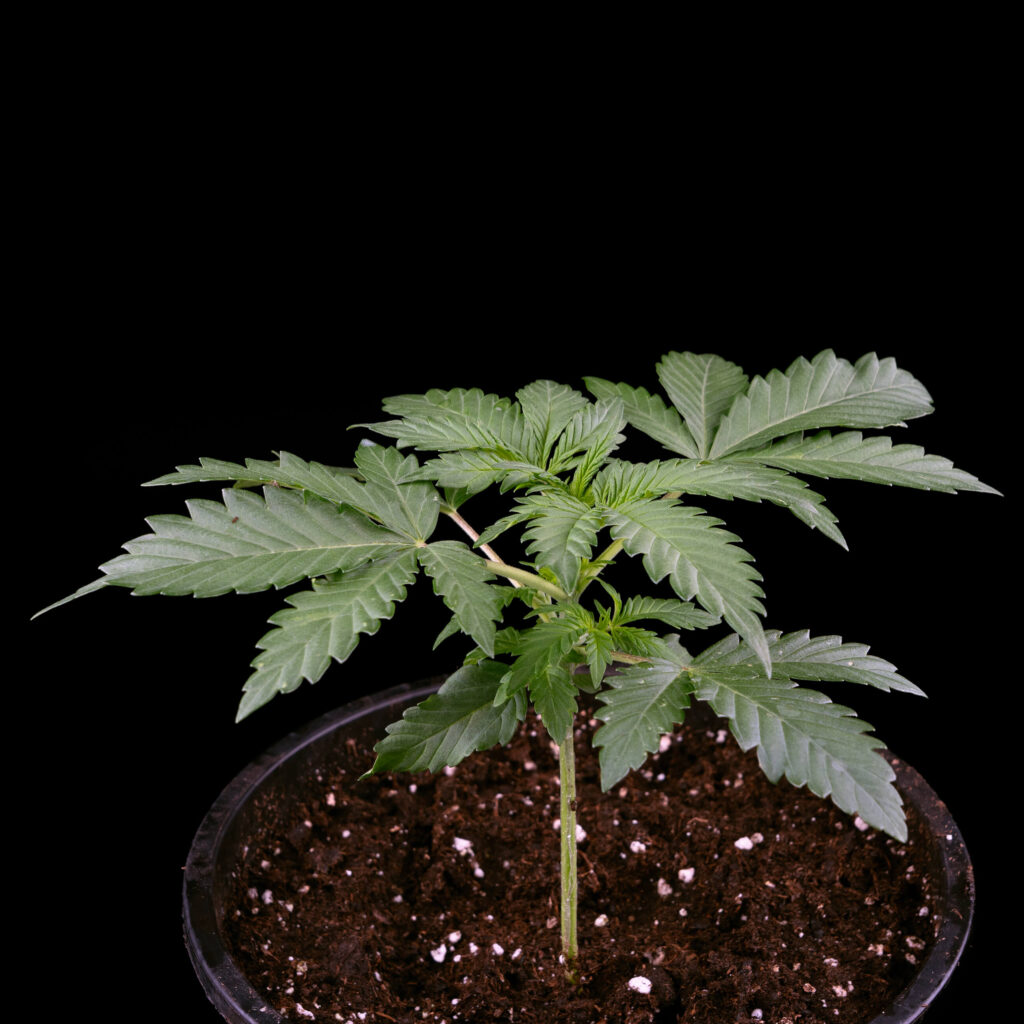
In week three, our plant shot up to 25 cm tall, as multiple new sets of leaves grew in, as well as the first lateral branches. Internodal spacing was reasonably tight, though we were already starting to see some signs of stretch, even at this young age. With the switch to flowering happening next week, we once again doubled the volume of daily water to 400 ml.
The last thing we needed to do before flowering was to hang a small satchel of Neoseiulus californicus and Amblyseius swirskii from the plant’s lowest branches. Sadly, there are several pests like spider mites and thrips that call cannabis plants home, and they can devastate even the healthiest plants if left unchecked. These little satchels contain hundreds of tiny creatures that hunt down these pests without harming cannabis plants, and we replace these satchels every four weeks to keep up a fresh supply.
Flowering
In week four, we flipped our plant to flowering by switching our lights to a 12/12 schedule and adjusting our watering habits: we switched to Bio Flower liquid nutrients and began feeding our plant 800 ml of water (pH 6.0; EC 1.8) daily. On top of that, we reduced the relative humidity to 60% to help prevent mould or fungus. By the end of the week, our plant had grown to a new height of 31 cm, with several new sets of leaves and further development of the lateral branches.
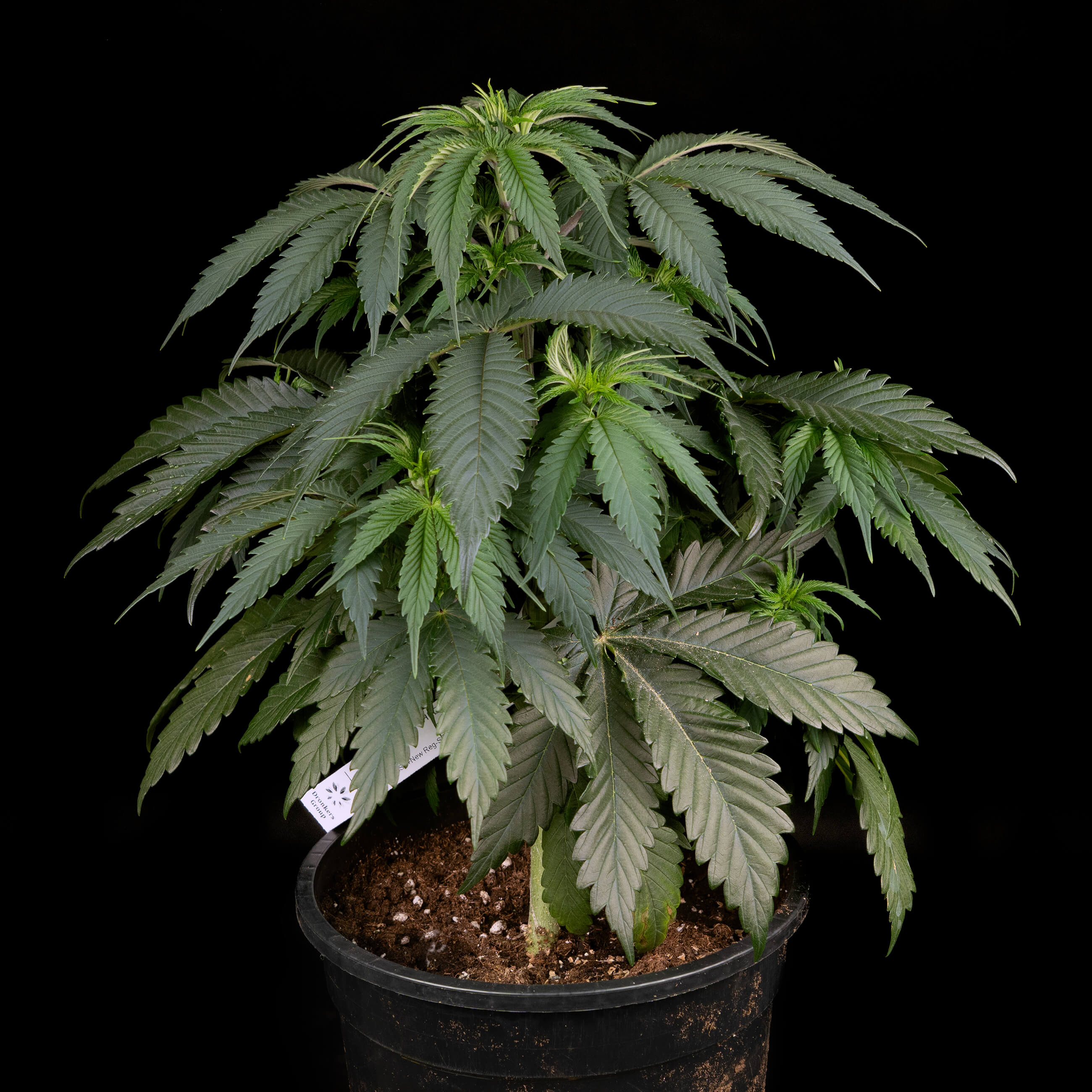
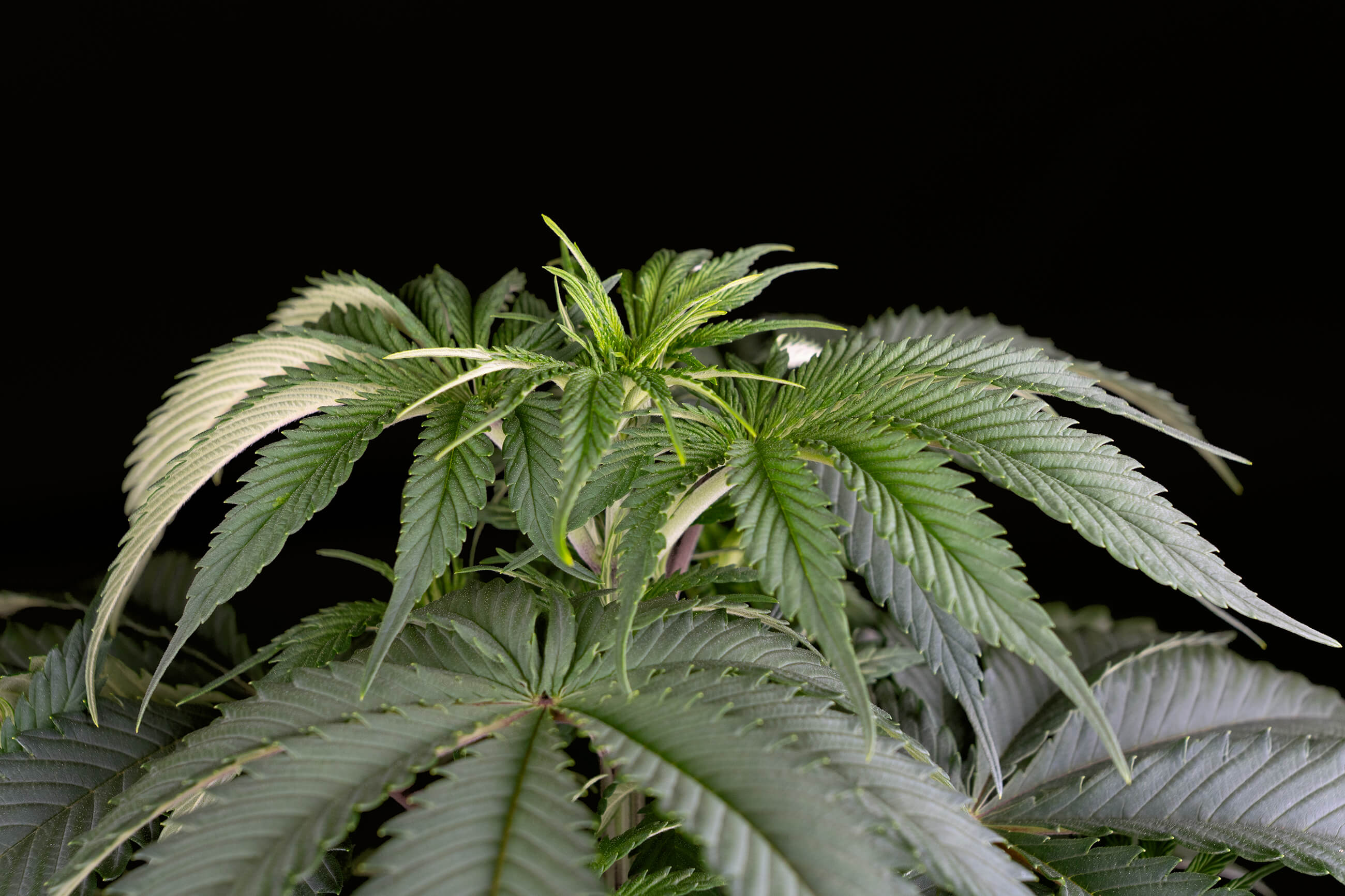
In week five, our plantreached a new height of 39 cm as the entire plant grew into a dense, bushy tangle of leaves and branches. Internodal spacing was moderate, but the heavy vegetation gave the plant a much denser appearance. The lateral branches were about 75% the height of the main stem, and everything was lush and healthy. With flowering expected to begin in earnest in the next week, we once again upped our daily feedings to 1000 ml.
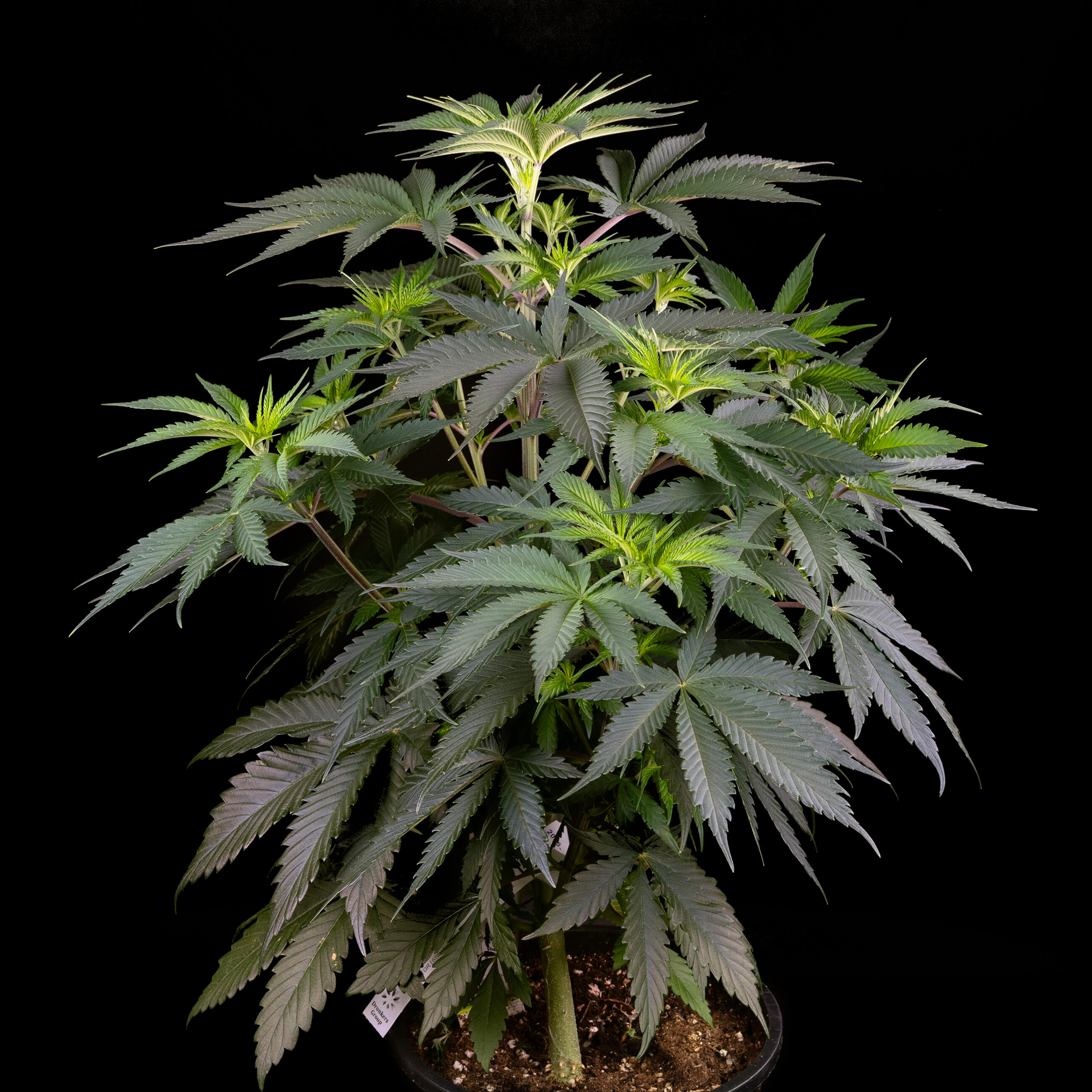
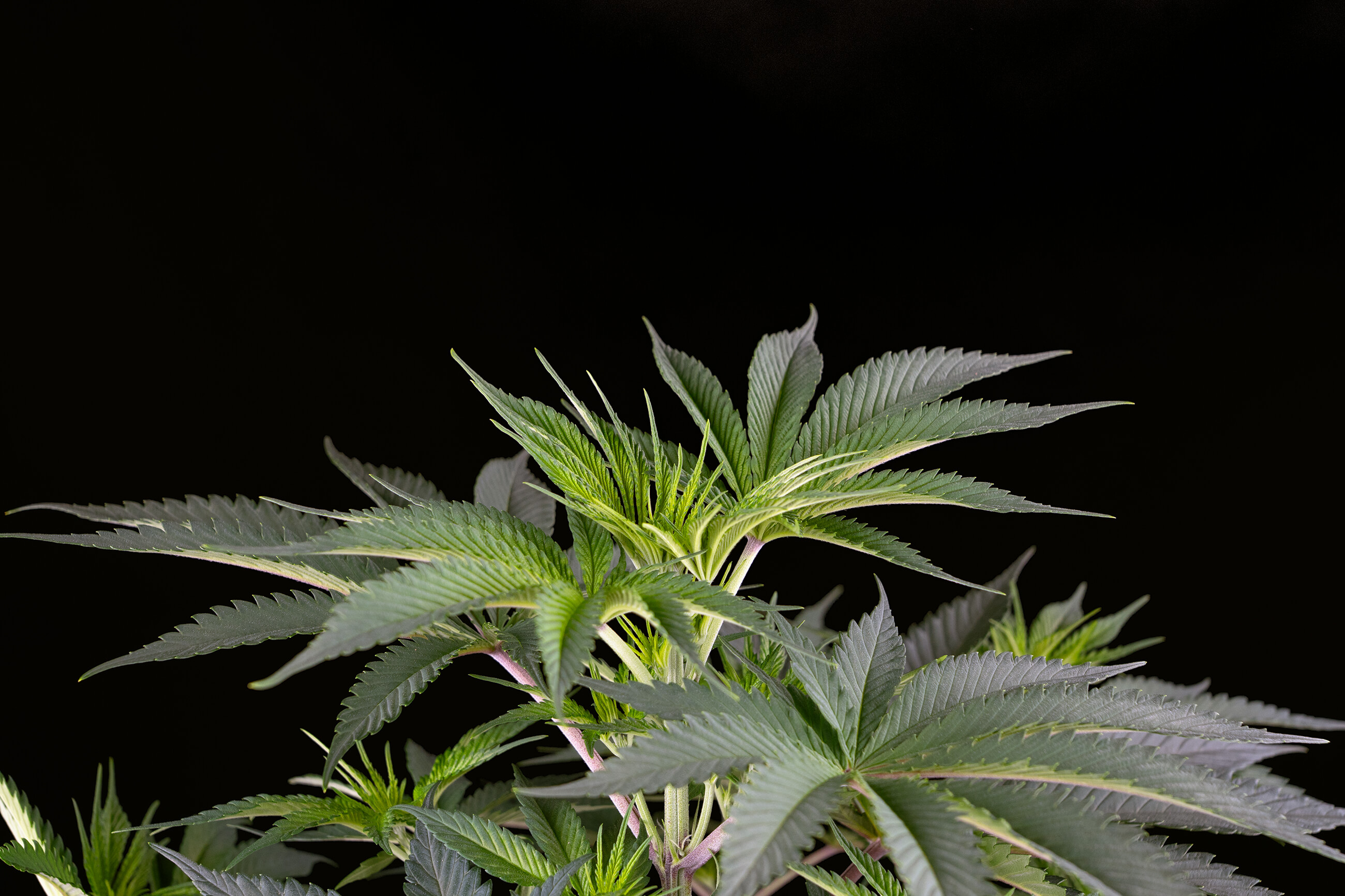
Week six saw our plant speed up its growth as it underwent its largest week-on-week growth, gaining 14 cm to finish the week at a height of 53 cm. While much of this growth was stretch in the main stem, the lateral branches also burst upwards and formed a fairly even canopy. As the week came to a close, we were noticing the very first pistils appearing at the tips of some branches, so we increased our feeding to 1500 ml of water every day.
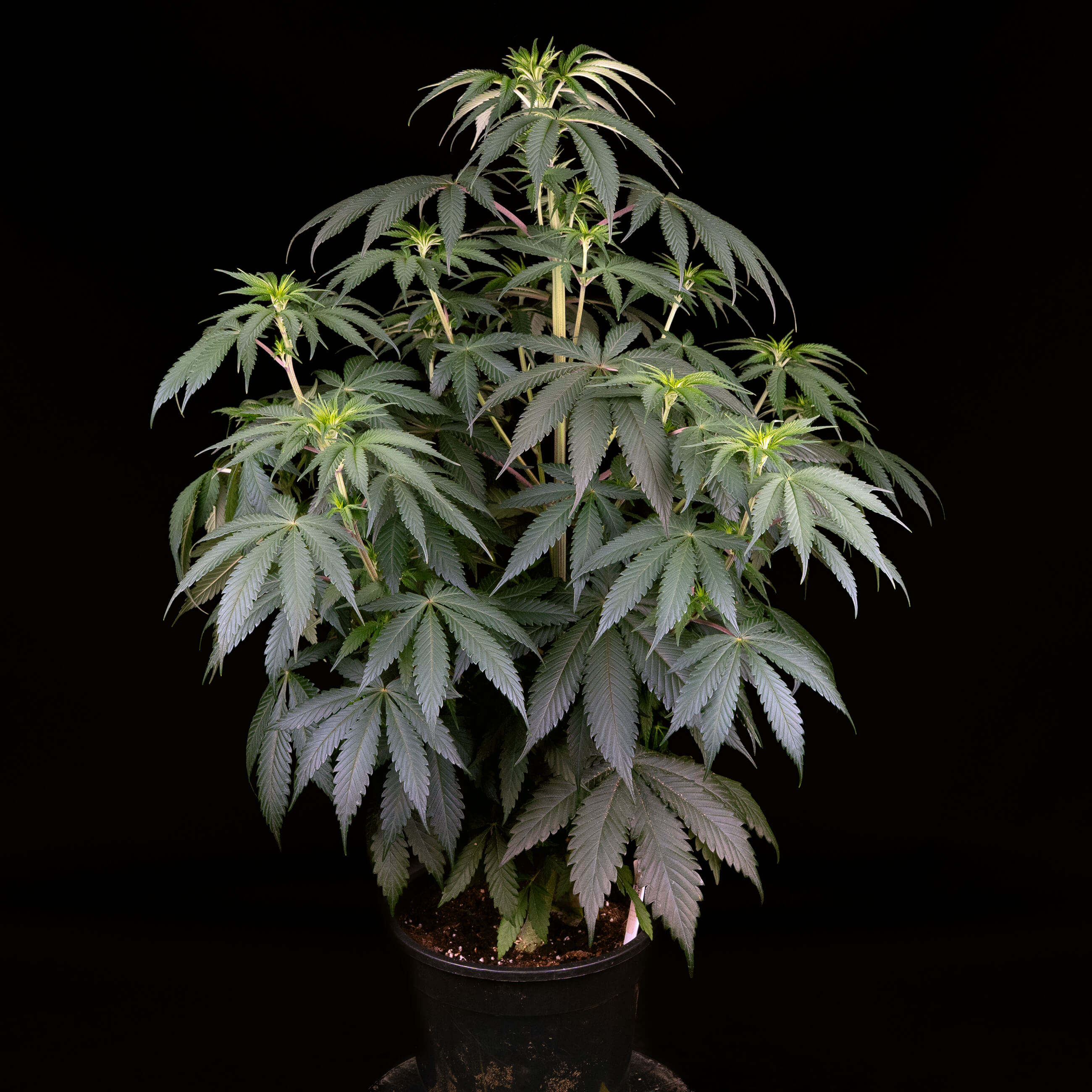
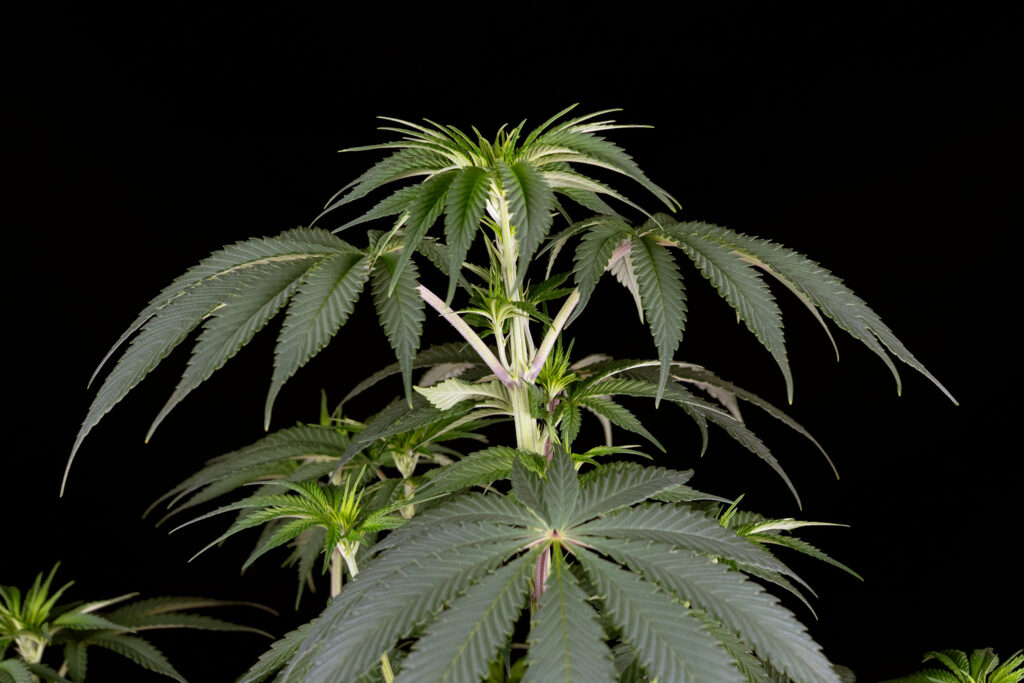
Over week seven, our plant reached a height of 61 cm, and flowering continued to accelerate as more and more clumps of white pistils were slowly appearing all over the plant. The plant was still stretching and was beginning to look less dense than it had even a week ago.
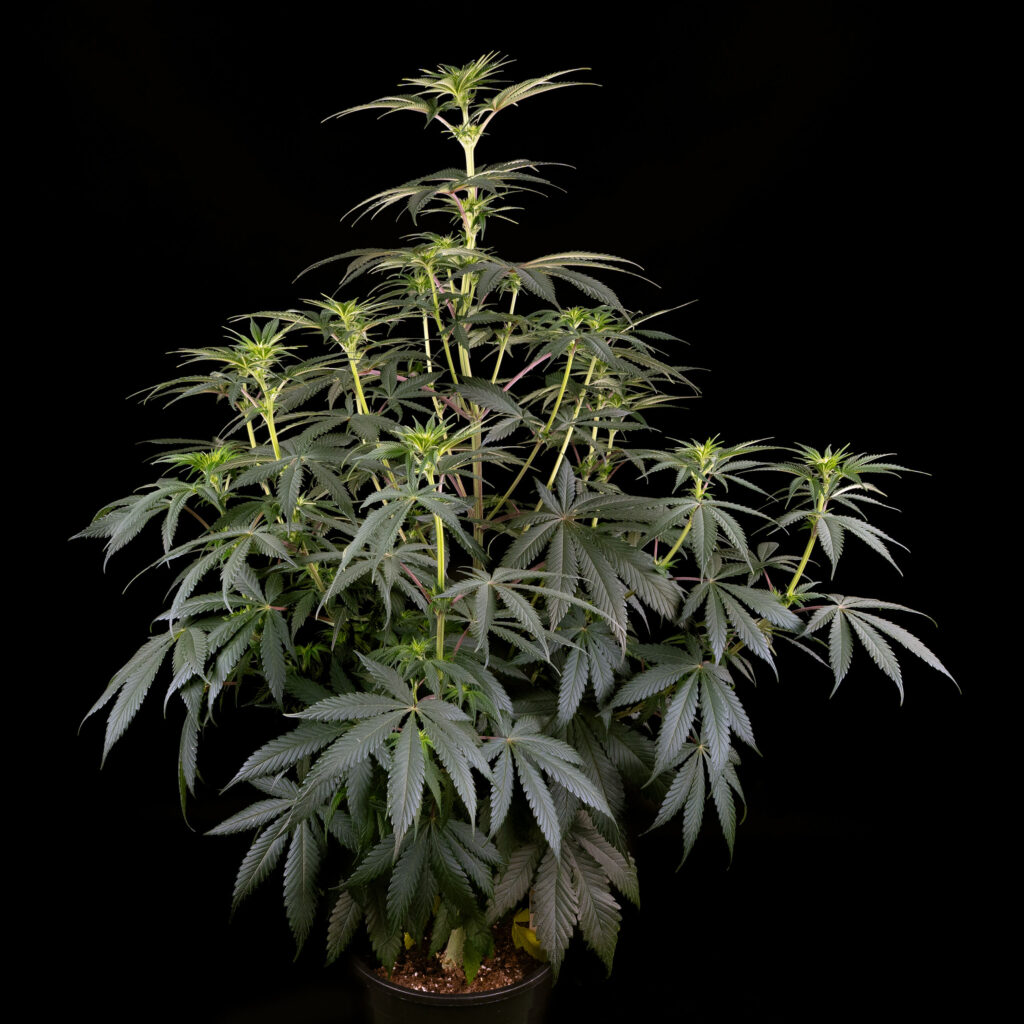
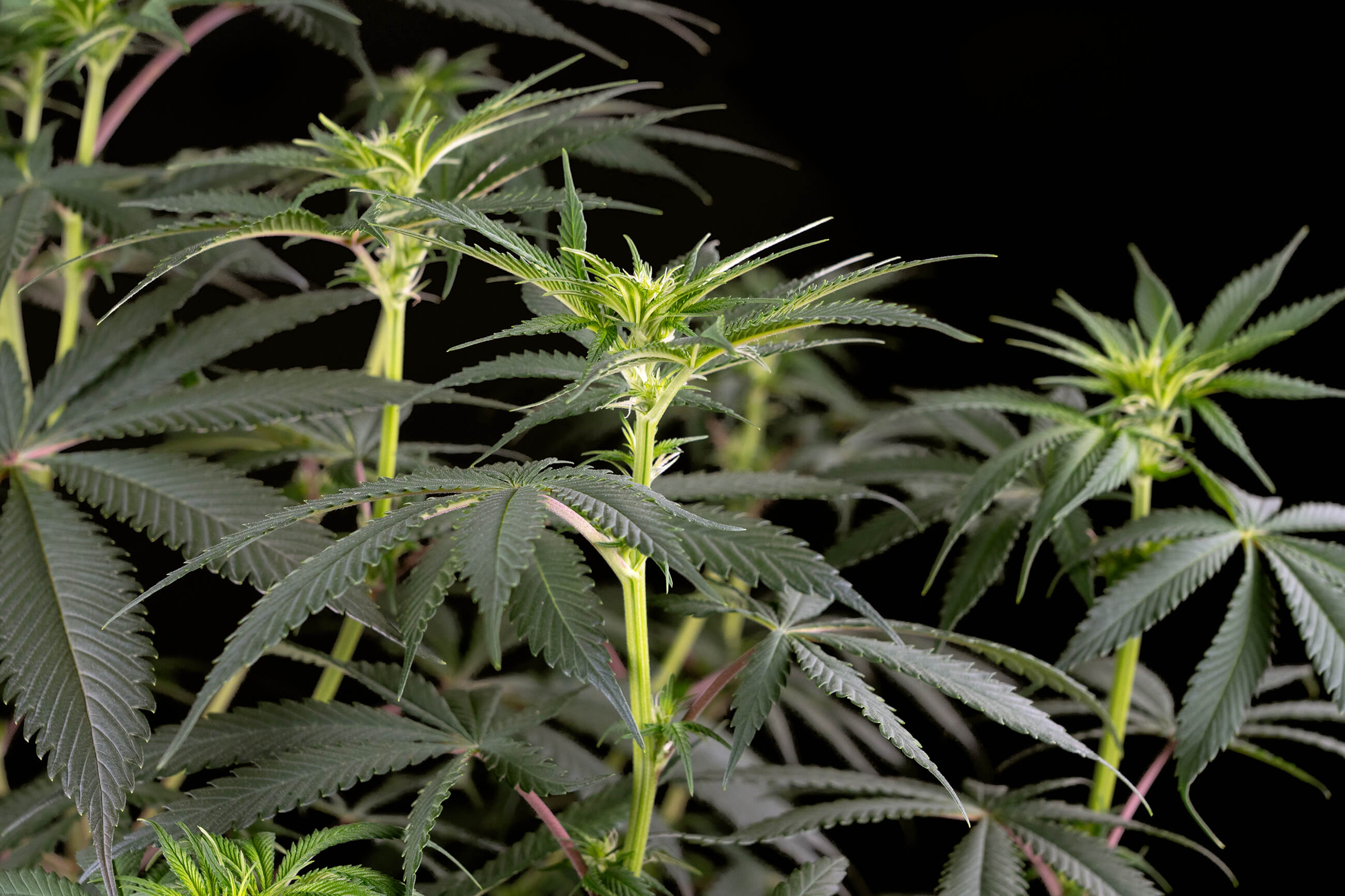
In week eight, our plant stretched considerably and reached a height of 72 cm. By now, it was taking on a clearly sativa-like structure as the main stem grew well above the lower branches. All of this stretch meant that the plant was no longer such a dense and bushy mess, though it still had extremely heavy vegetation that meant extra attention needed to be paid to airflow and humidity levels. As such, we reduced the humidity to 55%.
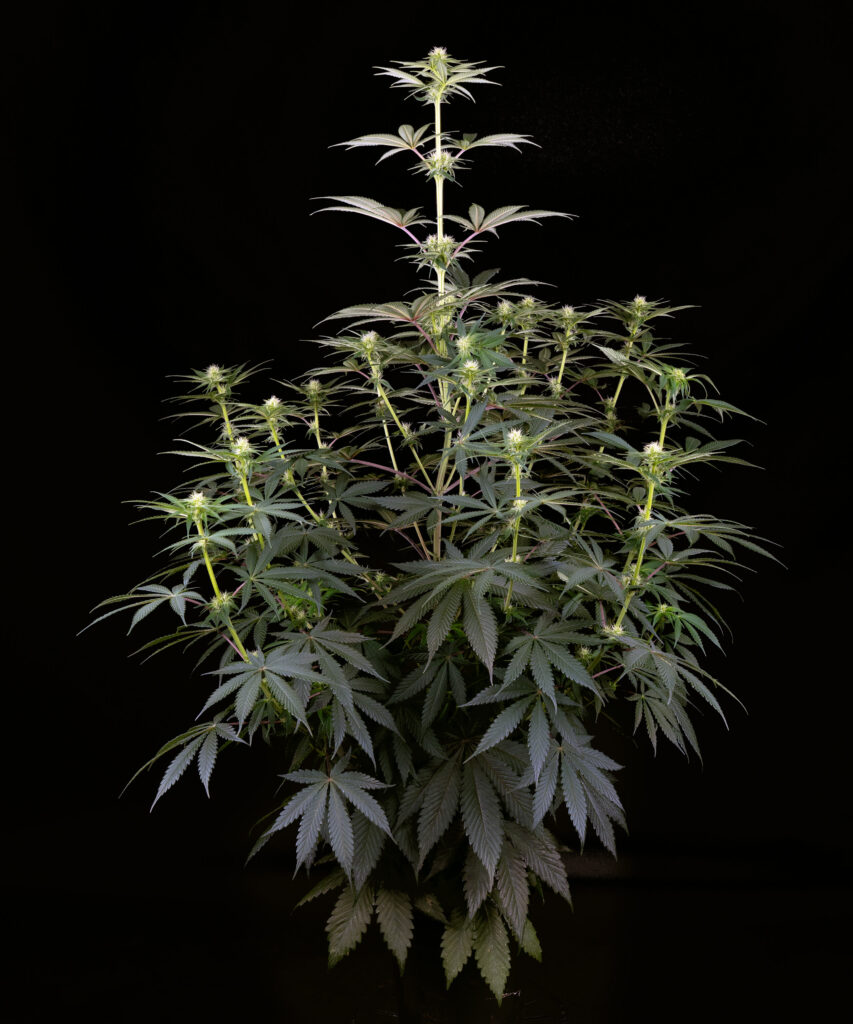
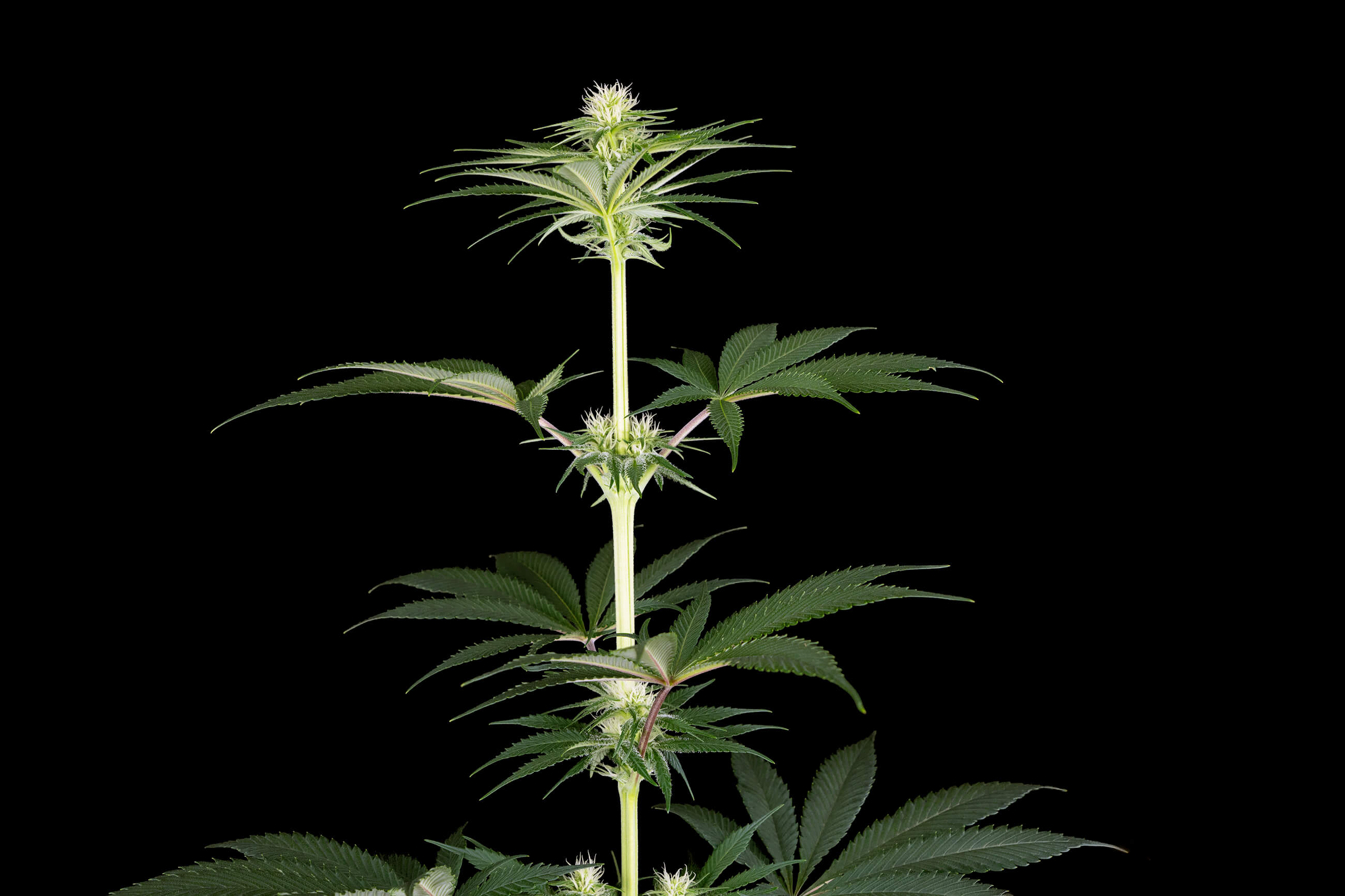
Over week nine, flowering accelerated greatly while our plant slowed its vertical growth, finishing the week at 81 cm. The main stem was now significantly taller than the lower branches, and every part of the plant was far more stretched and exposed than it had been the week prior. Flowering was coming along nicely, and every bud site now had discernible flowers growing larger every day.
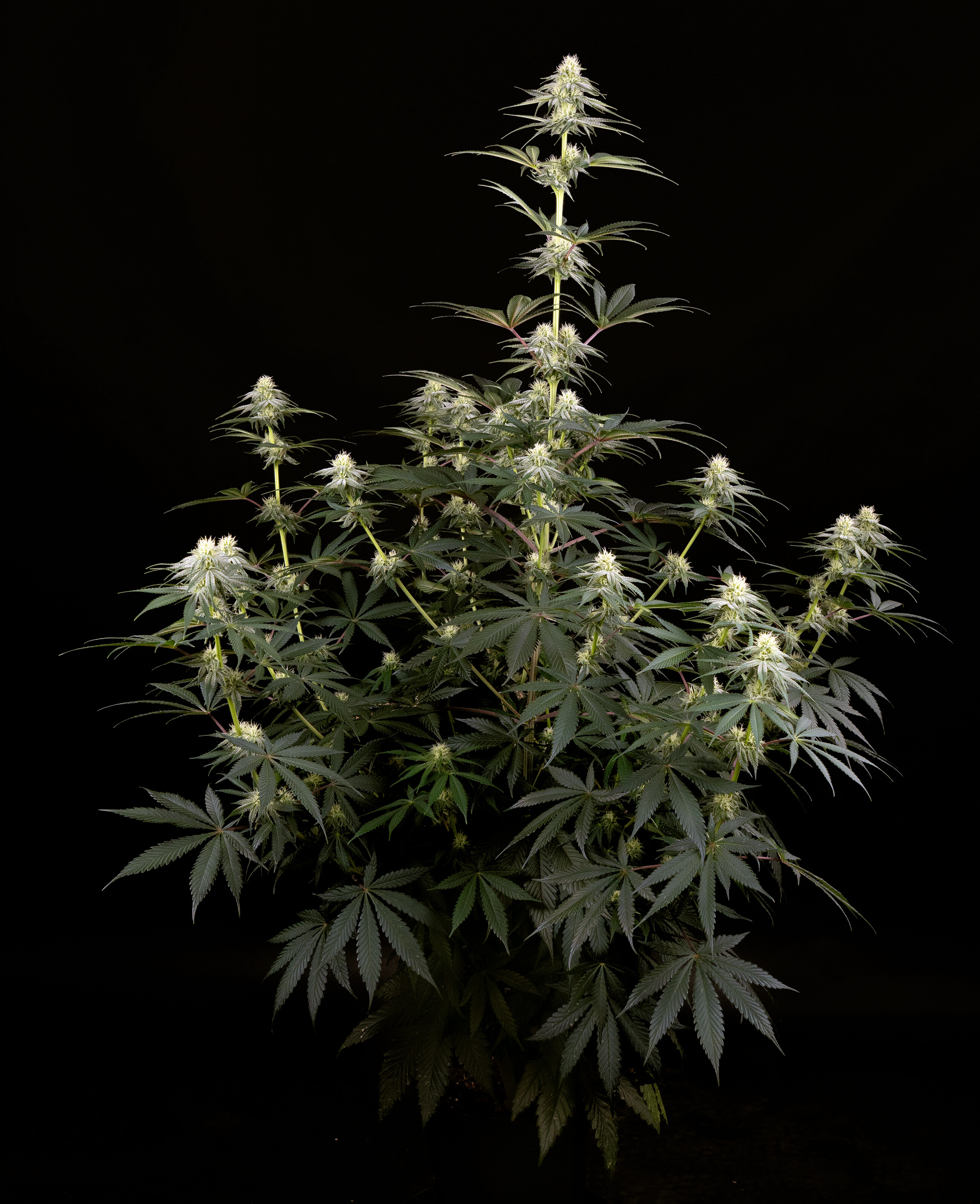
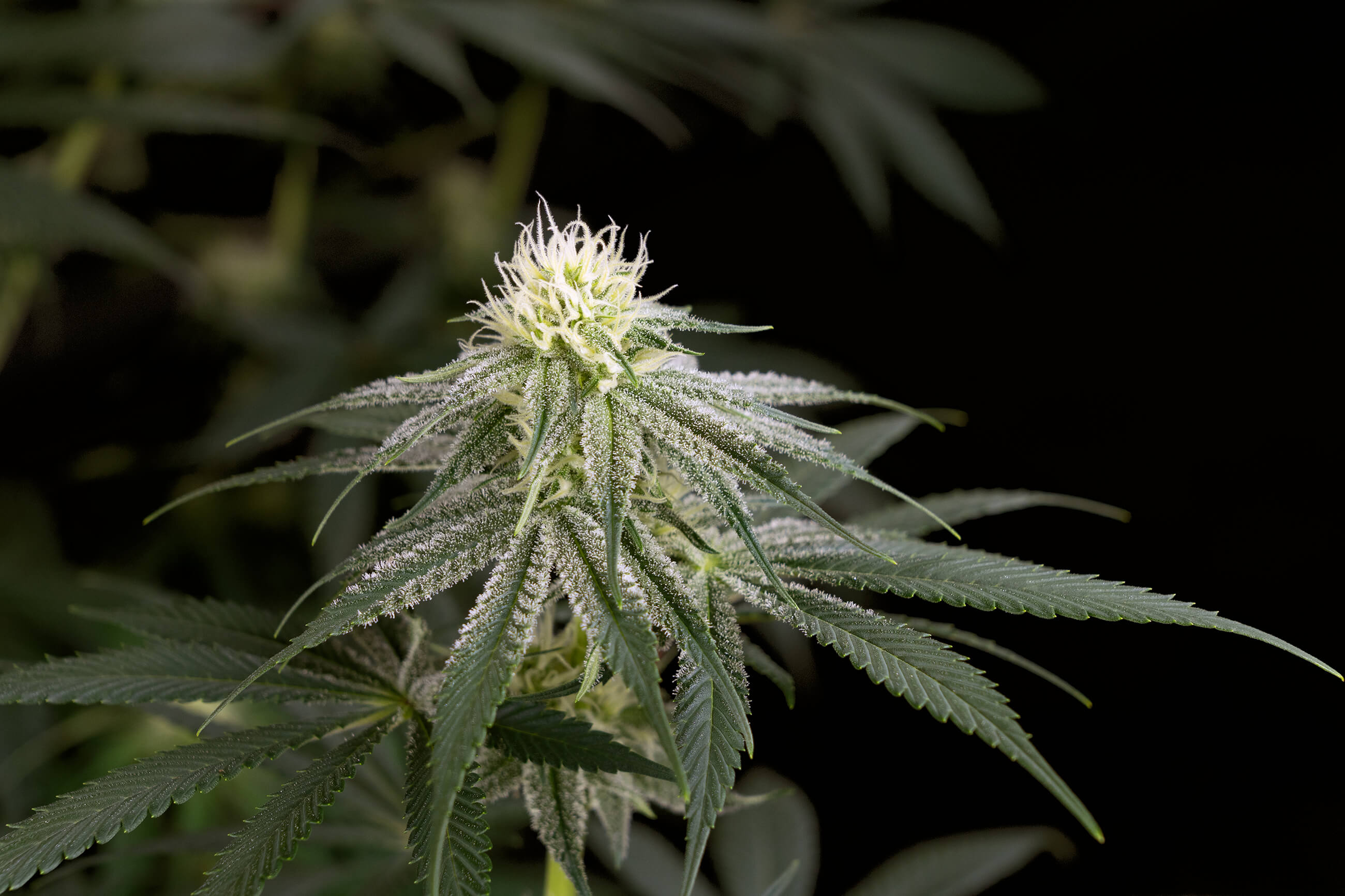
Week ten saw our plant’s vertical growth slow even further, ending the week at 88 cm. The lateral branches saw almost no growth this week, but the entire plant was bursting with large, dense buds that were beginning to emit a powerful, sweet and earthy aroma that filled the grow space.
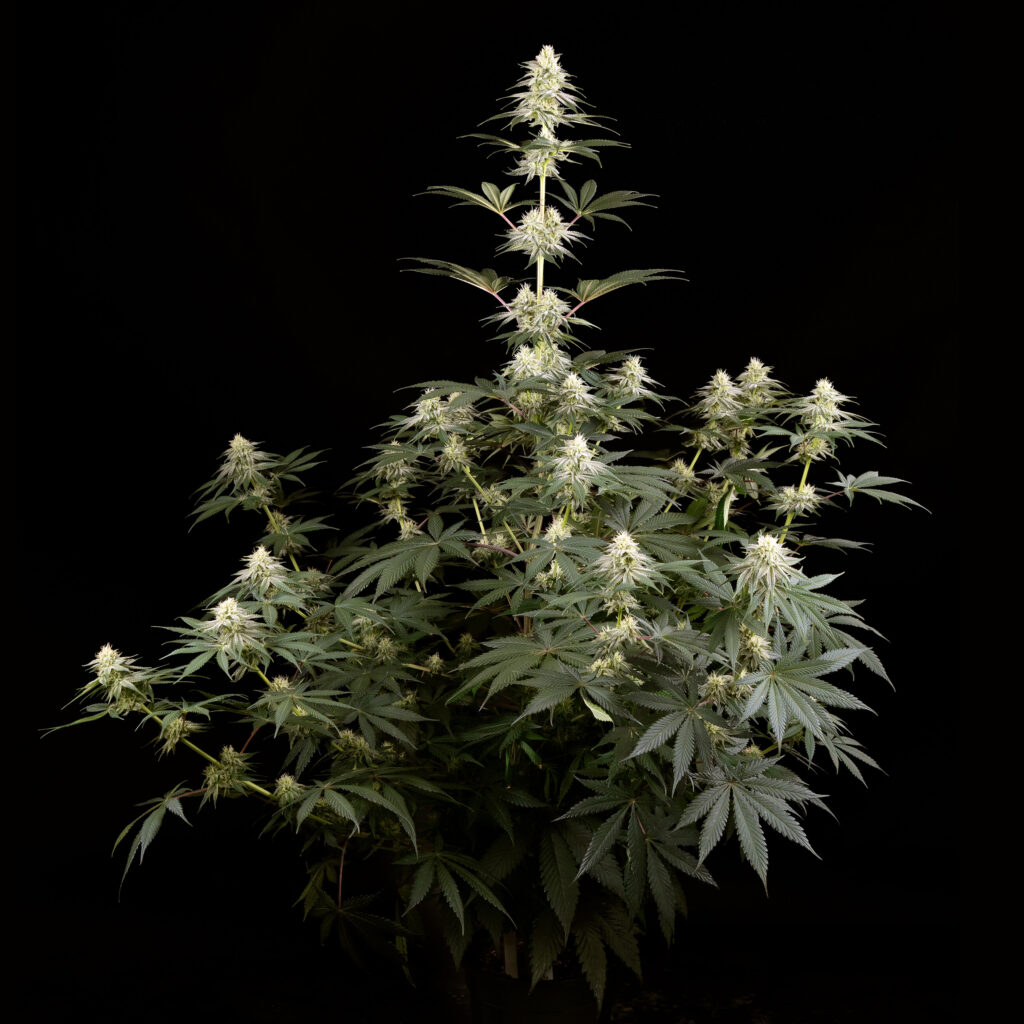
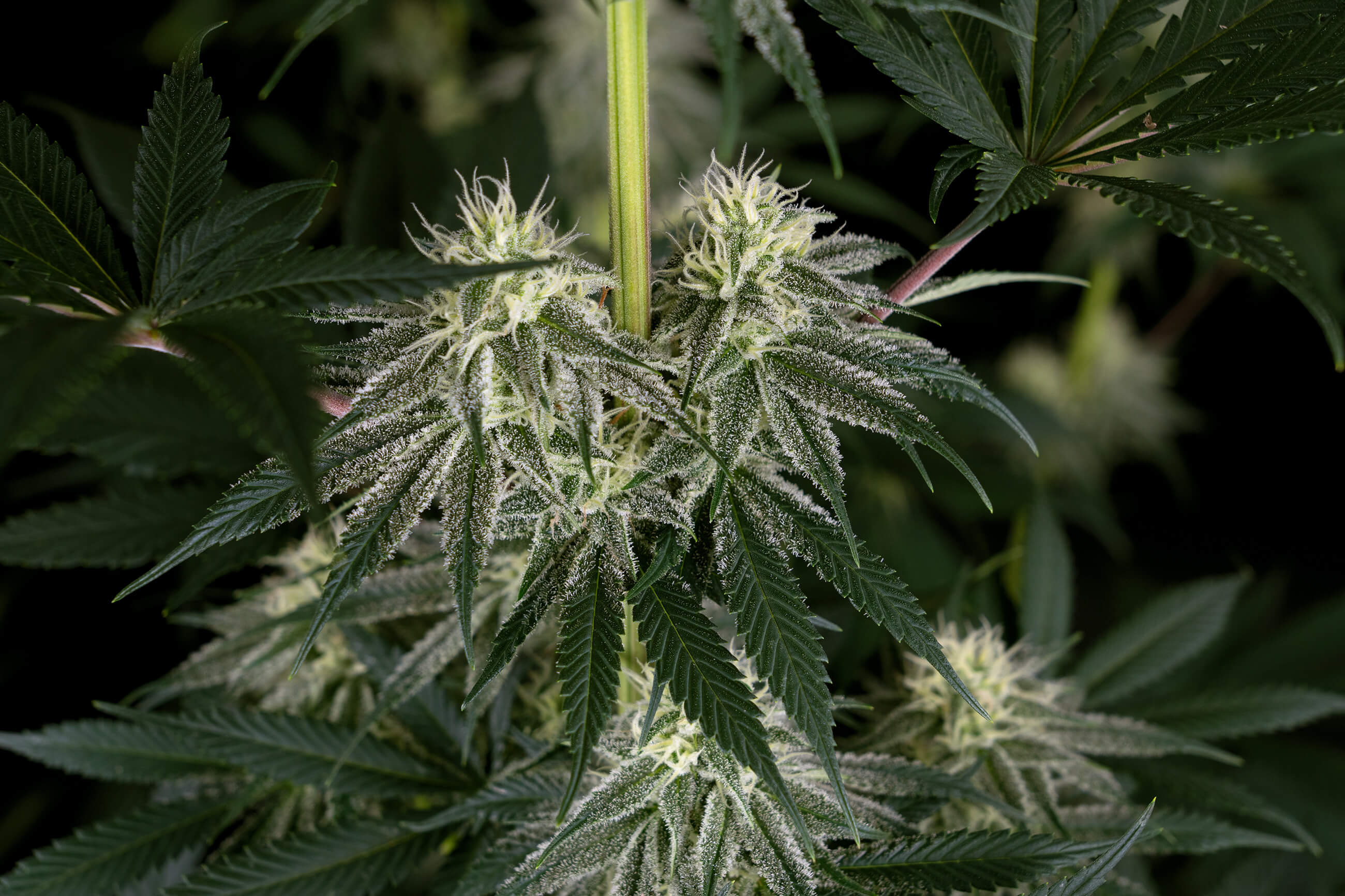
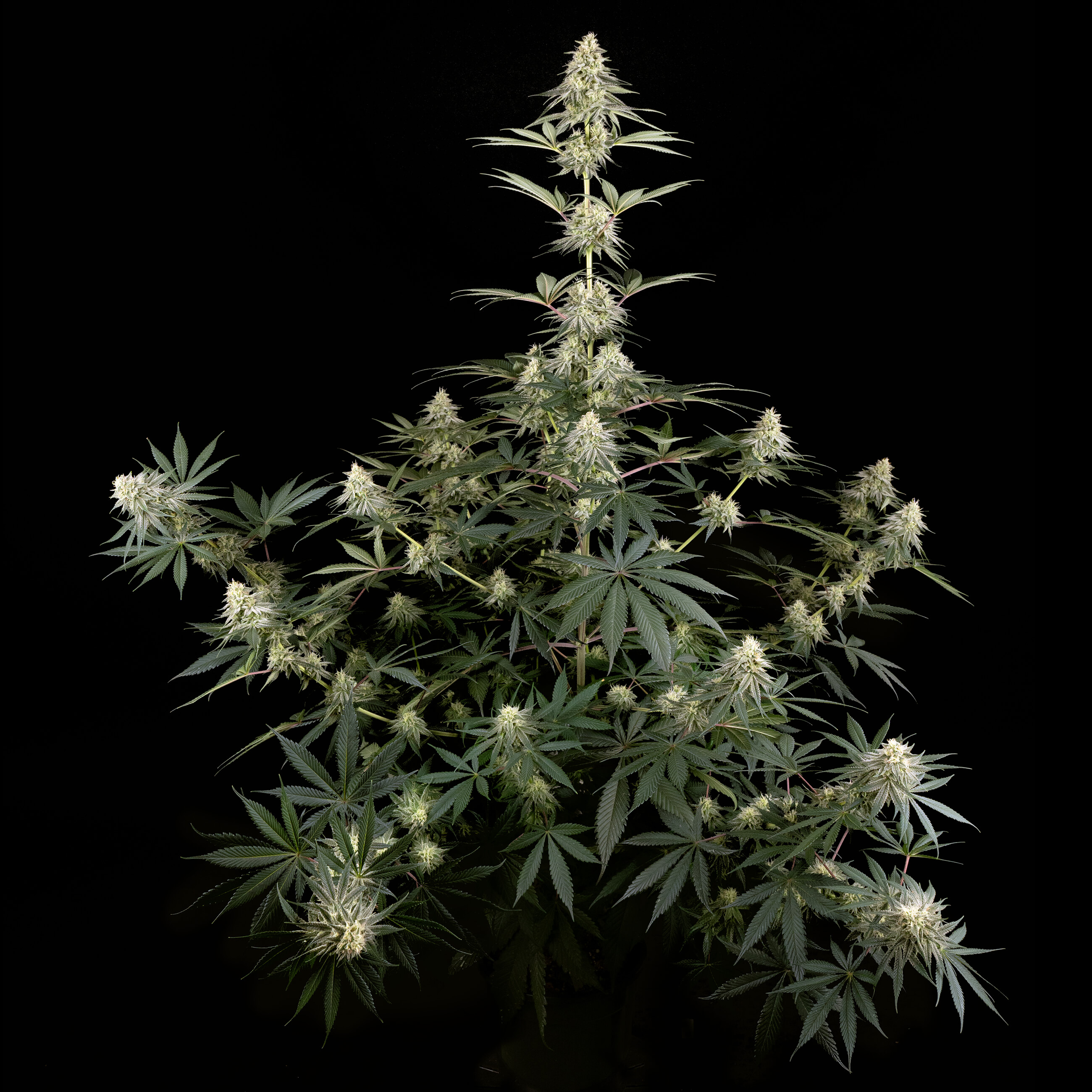
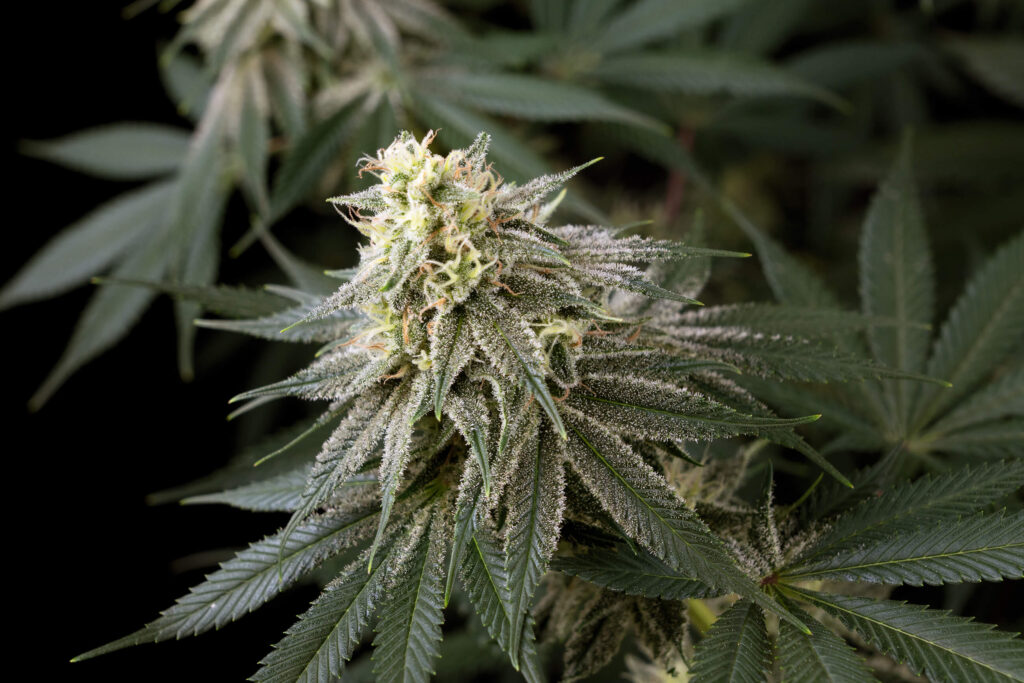
Over weeks eleven and twelve, our plant grew to 99 cm, and the main stem formed an impressive cola while the lateral branches began to buckle beneath the weight of their buds. The pistils were slowly turning orange, and harvest was rapidly approaching.
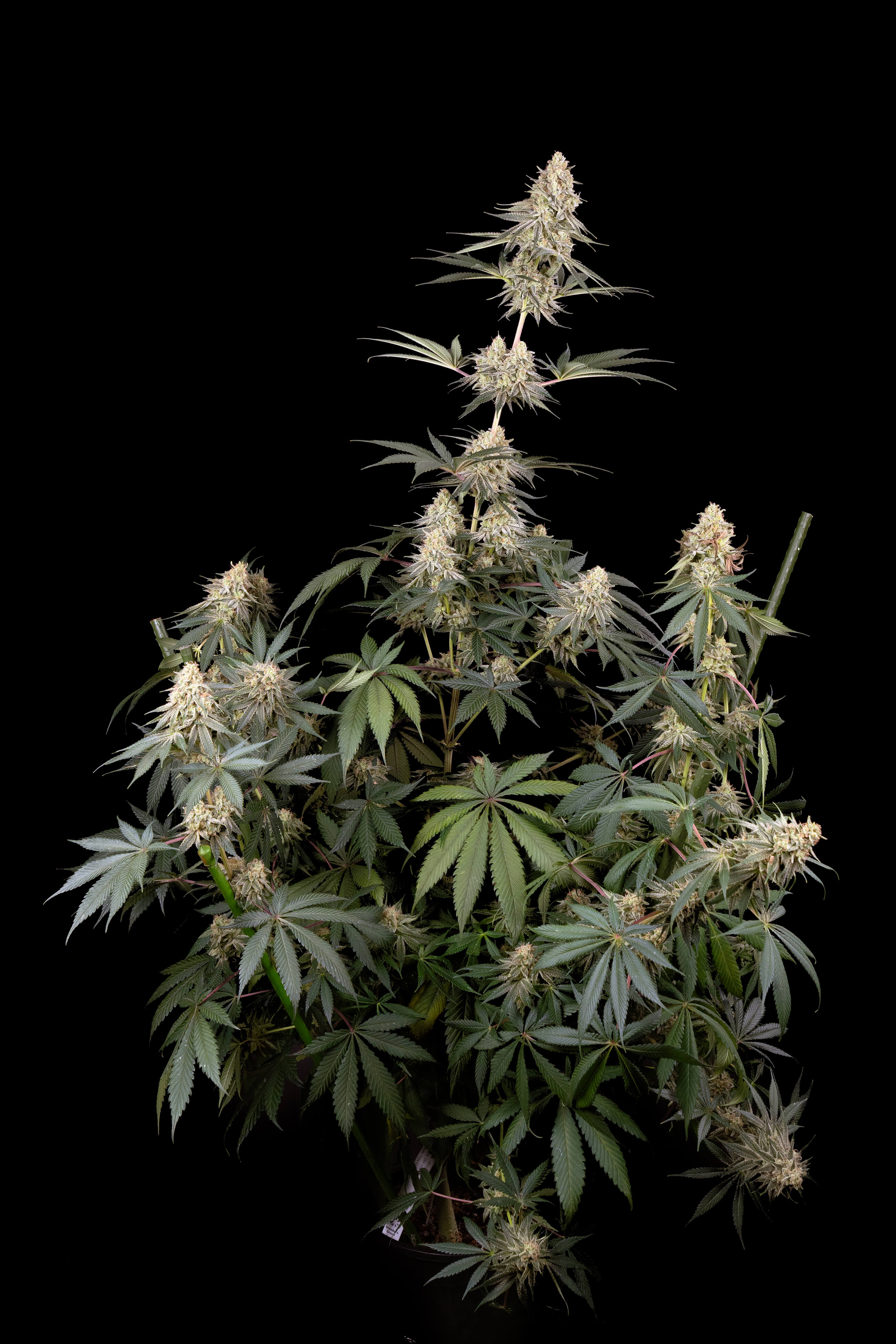
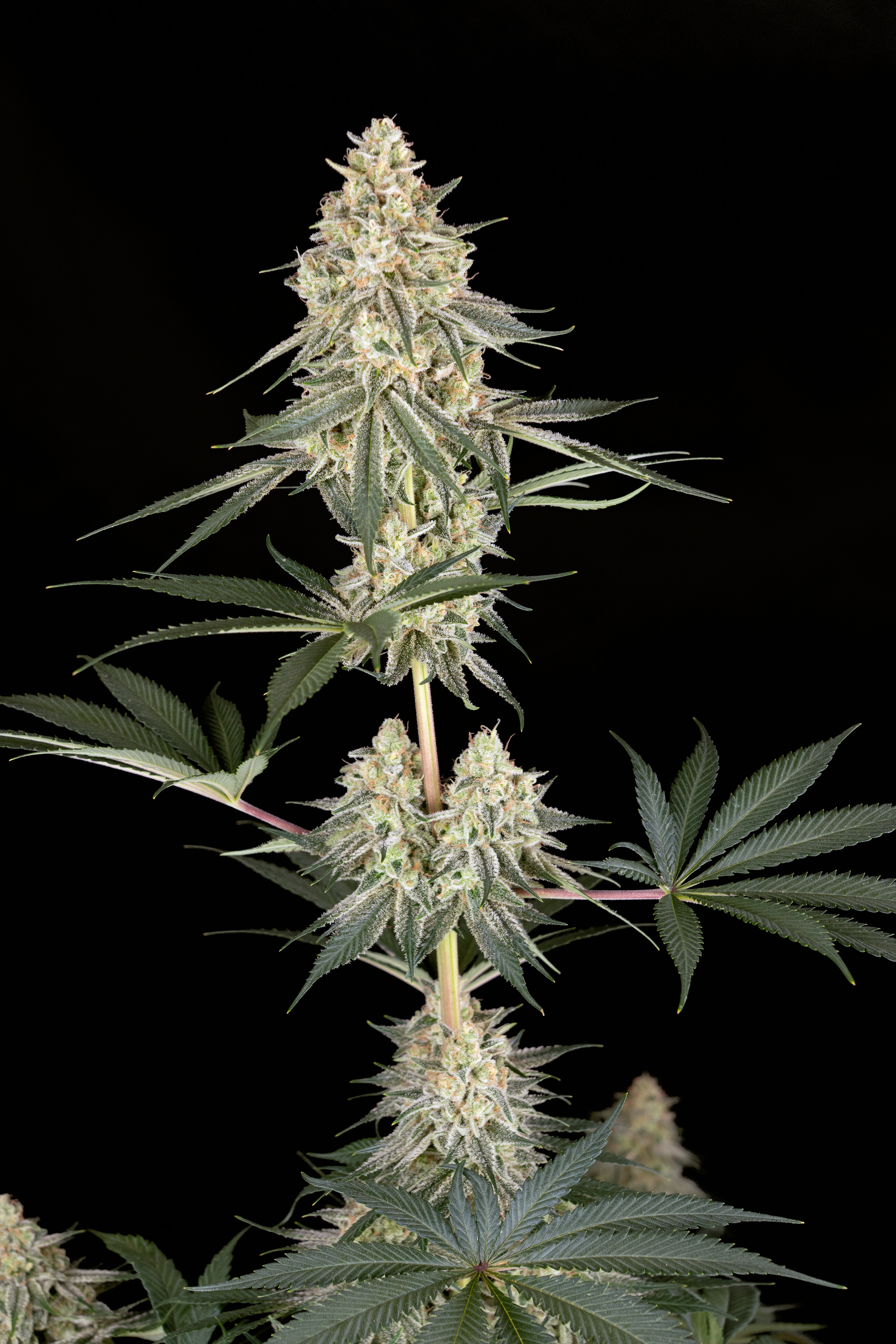
At last, in week thirteen, we harvested our Cereal Killa plant at a final height of 101 cm.
Harvest
To harvest our Cereal Killa Feminized plant, we cut it down at the base and removed the large fan leaves. Next, we hung it upside-down to dry in a climate-controlled drying room kept at a constant temperature of 15.5°C and a relative humidity of 50%. It was left here until the smallest branches were dry enough to snap when bent; typically, this requires 10-20 days.
Once the plant had dried, we removed the buds for trimming and curing. Trimming this plant was a time-consuming hassle. While the buds themselves weren’t overly leafy, there were a tremendous number of them, and each one was on the smaller side, though they were incredibly dense. Once trimmed, the flowers were put into glass jars to begin the curing process.
For the first 24 hours, the jars were left open to allow as much moisture as possible to evaporate. After a day, we sealed the jars and placed them somewhere dark and cool, and we “burped” them multiple times per day. Over the next few weeks, we reduced the frequency of these burps to once per day until the buds were sufficiently dry. Generally, the curing process takes 4-6 weeks and cannot be rushed if you care about flavour and overall experience.
Once everything was done, we were able to harvest 118 grams of dried flowers with a THC content of 24.2%.
Terpene profile
As flowering started, our Cereal Killa Feminized plant started giving off a relatively mild aroma that was a mixture of rich, sugary sweetness and several earthy, creamy notes from its Cereal Milk genetics. Overall, the aroma was quite pleasant, though it became overpowering as the plant reached maturity, so growers will likely want to take a few steps to cover it up if privacy is a chief concern.
As the buds gradually cured, they took on a smooth, almost dessert-like scent that left a lingering sweet, candy-like aroma. The flavour perfectly matched the smell with a fruity explosion hitting us as soon as we inhaled, with candy and berry flavours taking centre stage. On the back end, we noticed a sweet and creamy blend come through to deliver a balanced blend of flavours with a subtly sweet aftertaste.
The effects of Cereal Killa Feminized were supremely relaxing as a calm sense of euphoria eased our minds into a peaceful state of tranquillity. This was accompanied by a degree of couch-lock and potent sedation as this strain relaxed every muscle in our bodies. This strain is a great pick for unwinding after a long day, and its potent sedative effects make it ideal for a nightcap before bed.
Related post

The outcome
As a 60% indica, Cereal Killa Feminized surprised us a bit with its distinctly sativa growth pattern and somewhat delayed start to flowering. However, the ease of growth and the speed at which it finished flowering were impressive. Overall, Cereal Killa Feminized is an extremely well-balanced strain that grows like a sativa, but has distinctly indica-like effects.
- Disclaimer:Laws and regulations regarding cannabis cultivation differ from country to country. Sensi Seeds therefore strongly advises you to check your local laws and regulations. Do not act in conflict with the law.
