


We’re detailing our experience with Tezla OG Feminized. This 70% indica is a blend of Hash Plant, Shiva Skunk, and SFV OG and is one of the most “typical” strains we’ve come across. While it won’t blow anyone away with its size or yield, Tezla OG is a simple no-nonsense strain that’s sure to be a hit with growers of any experience level.
Total growing time: 94 days
Flowering time: 73 days
Final height:102 cm
Final yield: 94 grams
THC content: 20.6%
To grow our Tezla OG Feminized, we used a 1000 W Phillips GreenPower HPS lamp which we hung three metres off the ground. We kept the light on an 18/6 schedule during vegetation which allowed us to keep a consistent daytime temperature of 23°C during the “day” while the temperature fell to 21°C at “night” and a relative humidity of 65%. Our plant was grown in an 8-litre plastic pot filled with BAC Lava Mix.
Germination & seedling
As always, the first step in our grow was to germinate the seed and we chose to use the trusty Paper Towel Method. This is easily the fastest, simplest, and most reliable technique out there and only requires a plate, some paper towels, and a plastic bag.
Simply fold up a couple of paper towels, set them on a plate, and add enough water so that they’re thoroughly damp without being soaked. Next, place your seed in the centre and cover it with another damp paper towel. Finally, put the whole thing into an open plastic bag and place it somewhere warm. After a day or so, you should see that the seed has split open and a small white taproot is sticking out; this means it’s time to plant.
For our grow, we first put the seed (taproot down) into a pre-soaked Rockwoll cube and set it beneath a 600 W LED lamp. Right now, giving a seedling too much light, heat, or even water can cause permanent damage and may even prevent it from sprouting. We left it alone for three days until we gave it the first feeding with 100 ml of pH-balanced water (pH 6.2; EC 0.8) dosed with a small amount of rooting hormone.
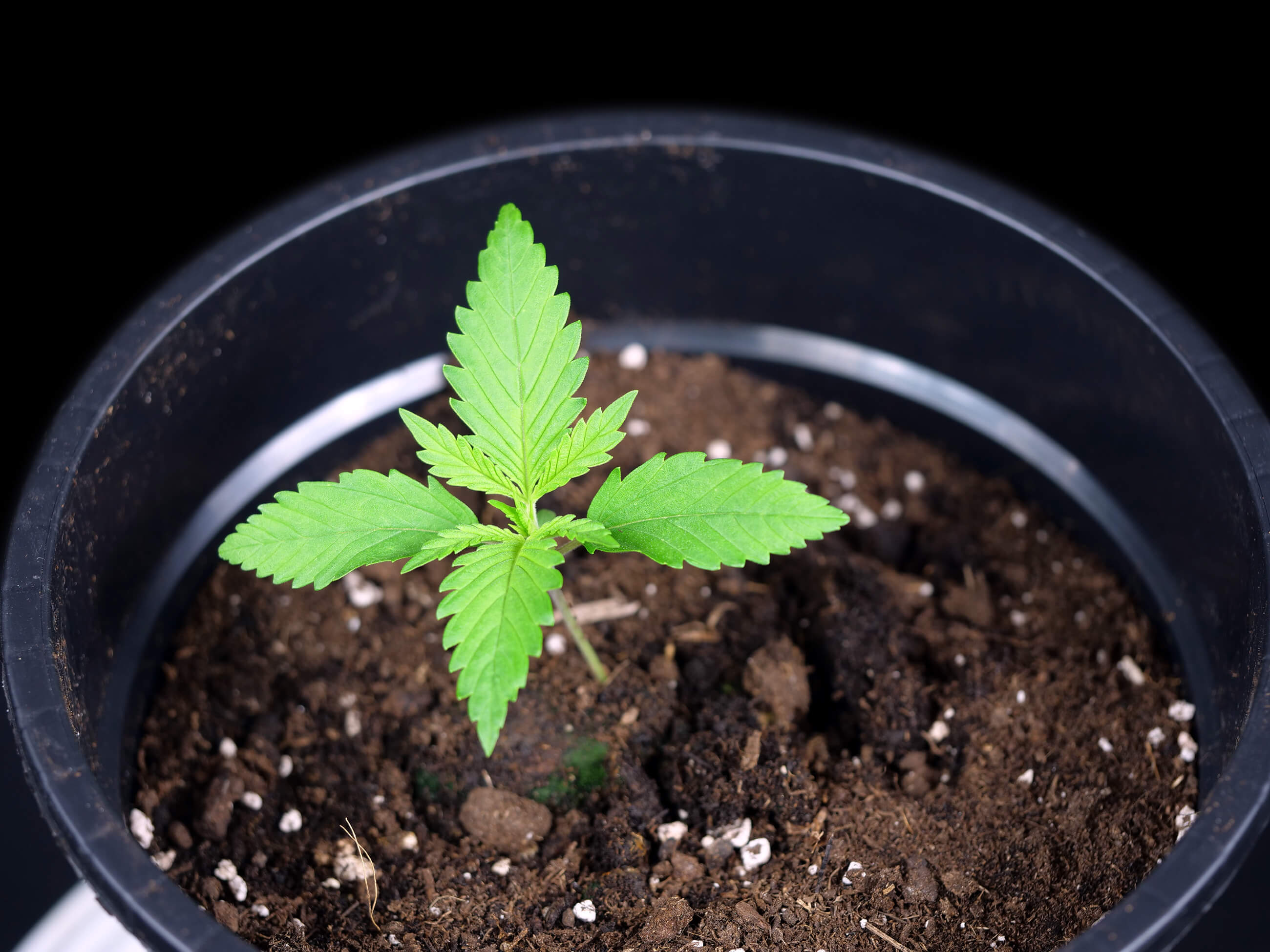
By the end of the first week, our plant was 7 cm tall with small but healthy cotyledons and a set of pre-leaves. After the initial feeding, we continued with daily waterings of 100 ml (pH 6.0; EC 1.4) mixed with Bio Grow liquid nutrients. After this week, our plant’s roots were growing out of the Rockwool cube and we moved it to our 8-litre plastic pot under our 1000 W lamp.
Related post
Vegetation
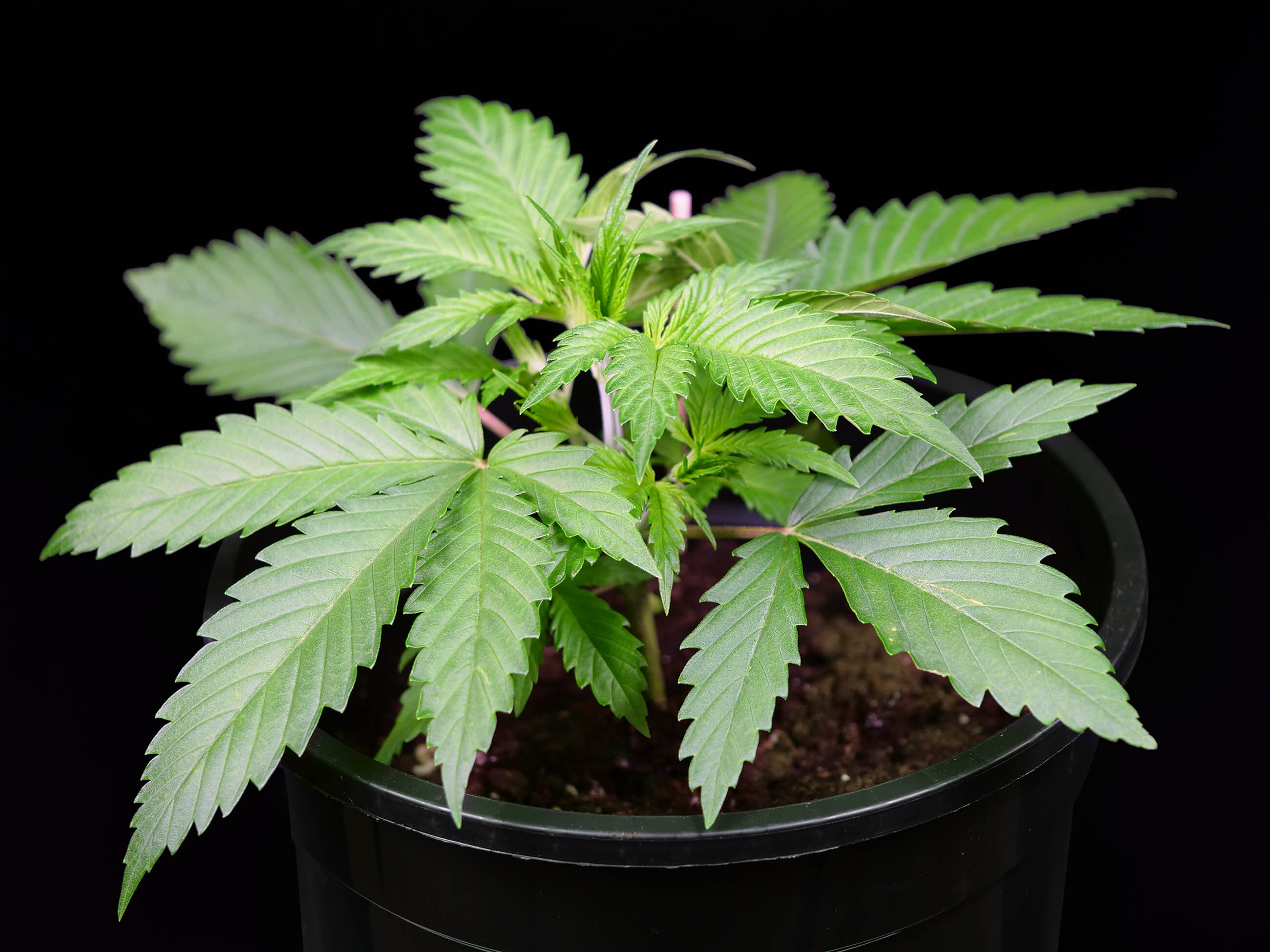

Week two saw our plant nearly triple in height to 19 cm and grow its first set of true leaves. These leaves were fairly small and a very light shade of green but overall the picture of health. With our plant finally starting to really take off, we doubled the amount of water each day to 200 ml.
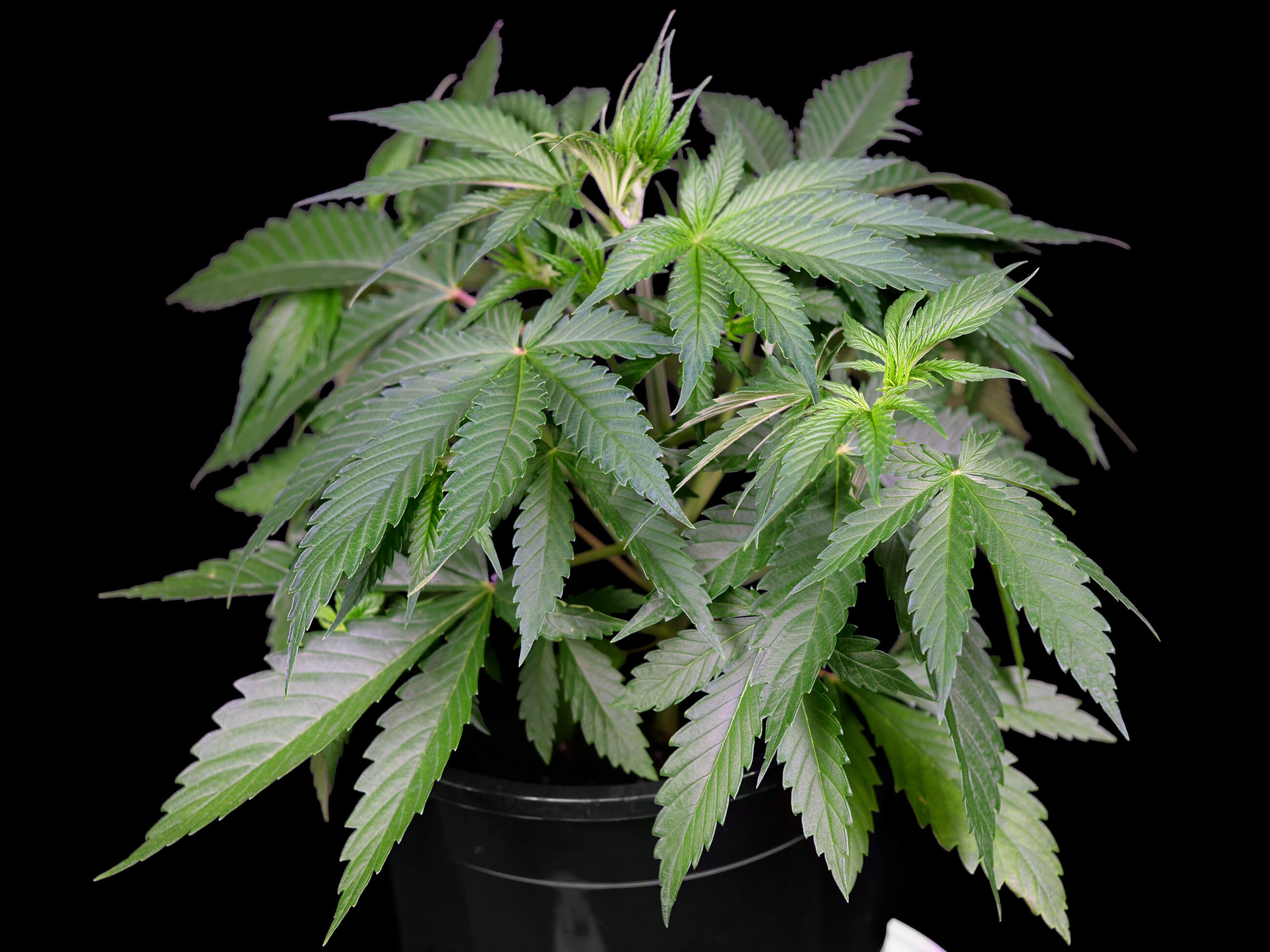
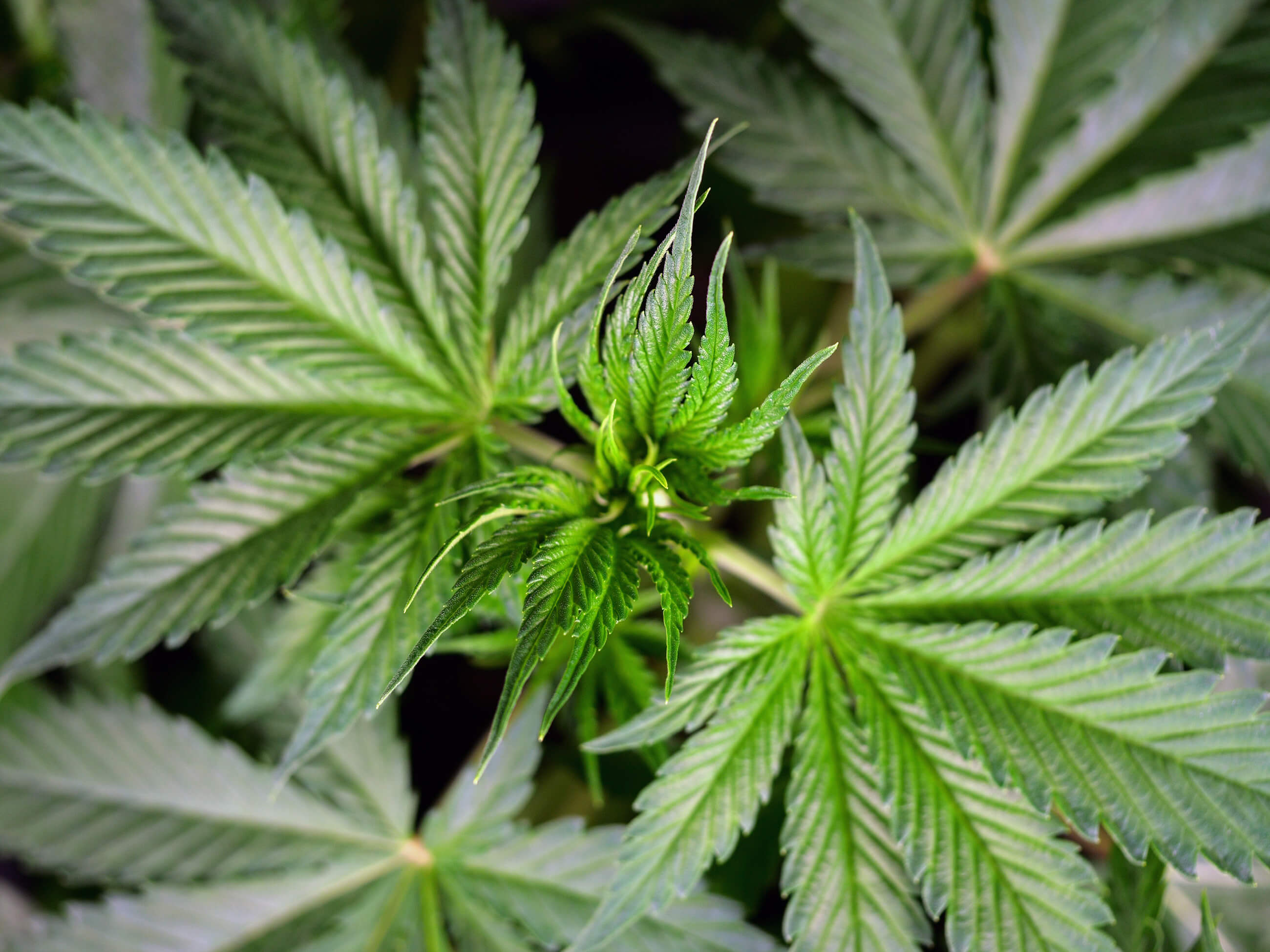
In week three, our plant continued to explode upwards and reached a height of 33 cm. This was accompanied by several new sets of much larger leaves as well as the first lateral branches. Internodal spacing was fairly tight and the plant’s vegetation was dense and close to the stem; typical of many indica-dominant strains. As flowering was only a week away, we again doubled the volume of water per day to 400 ml.
One final step before switching our plant to flowering was to hang small satchels of Neoseiulus californicus and Amblyseius swirskii from the plant’s lowest branches. These specialized critters have evolved a symbiotic relationship with cannabis and won’t harm the plant at all. Instead, these beneficial bugs hunt down pests like thrips and spider mites before they can destroy your plant. We replace these every four weeks to maintain a fresh supply.
Flowering
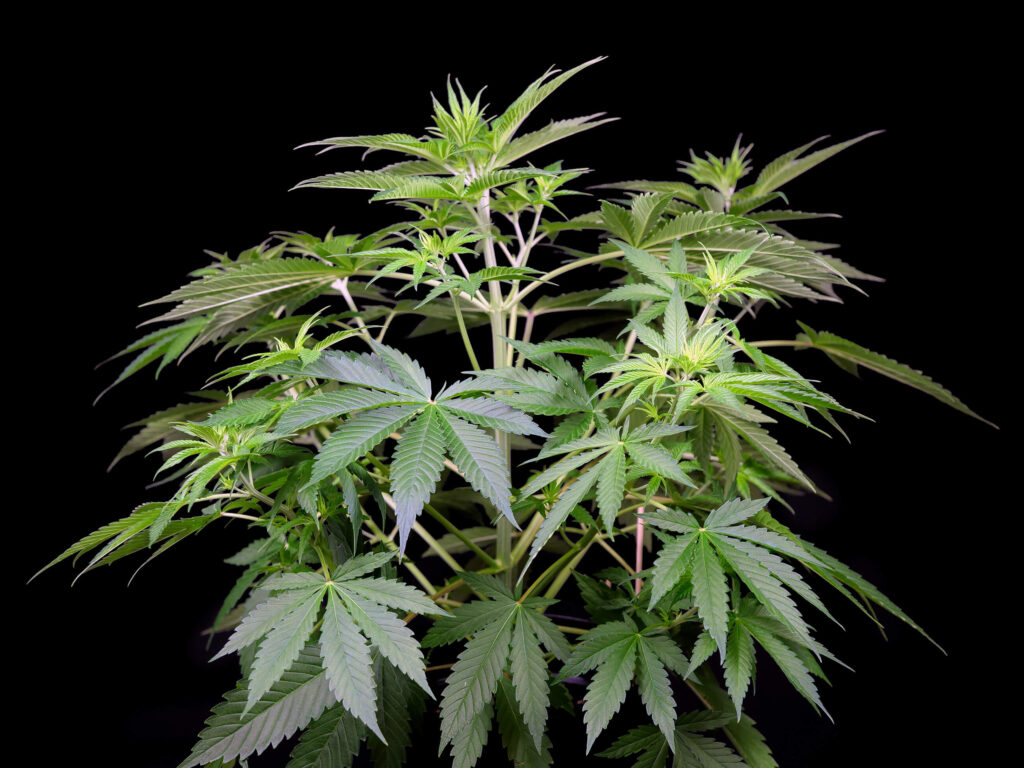
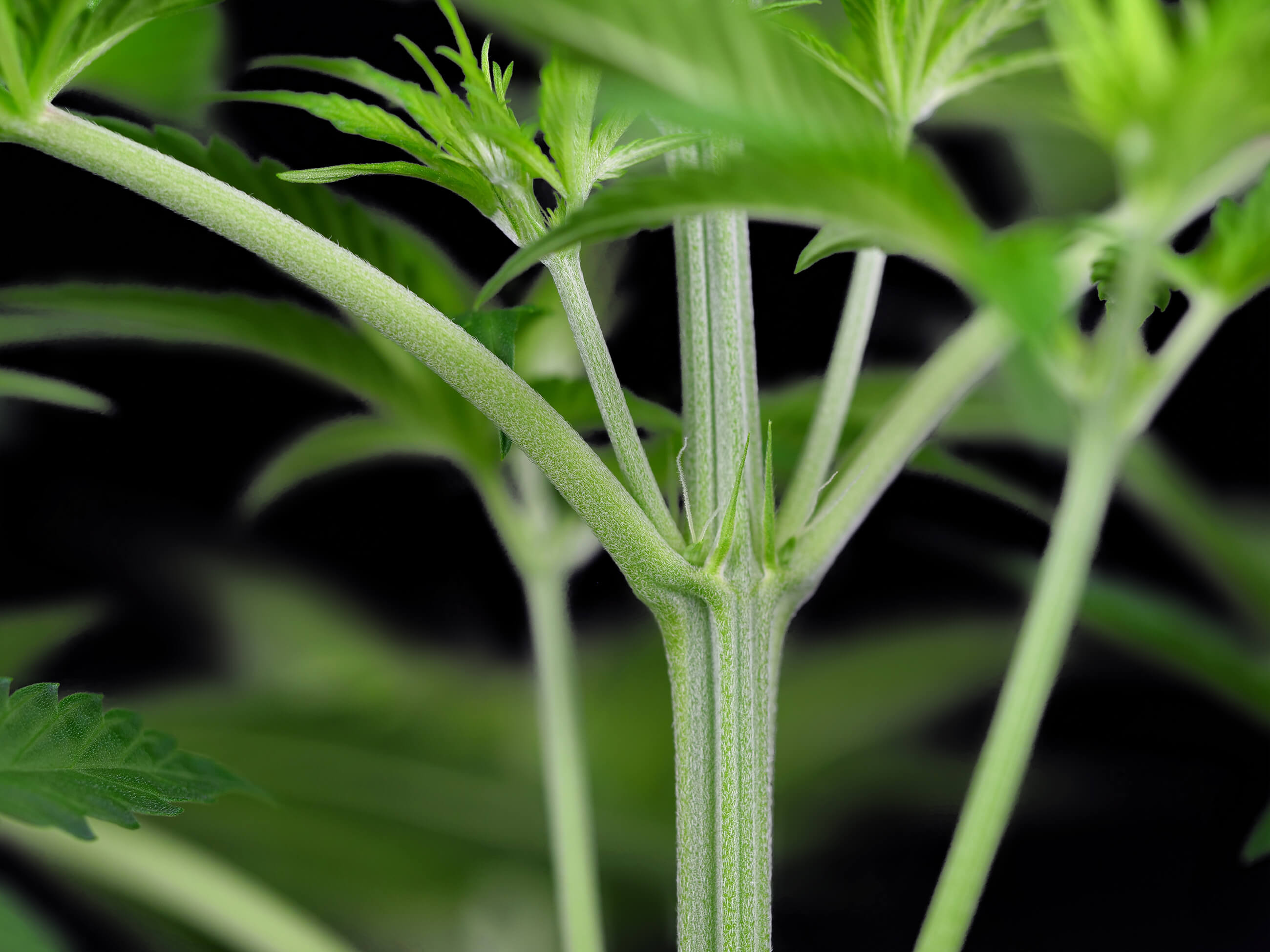
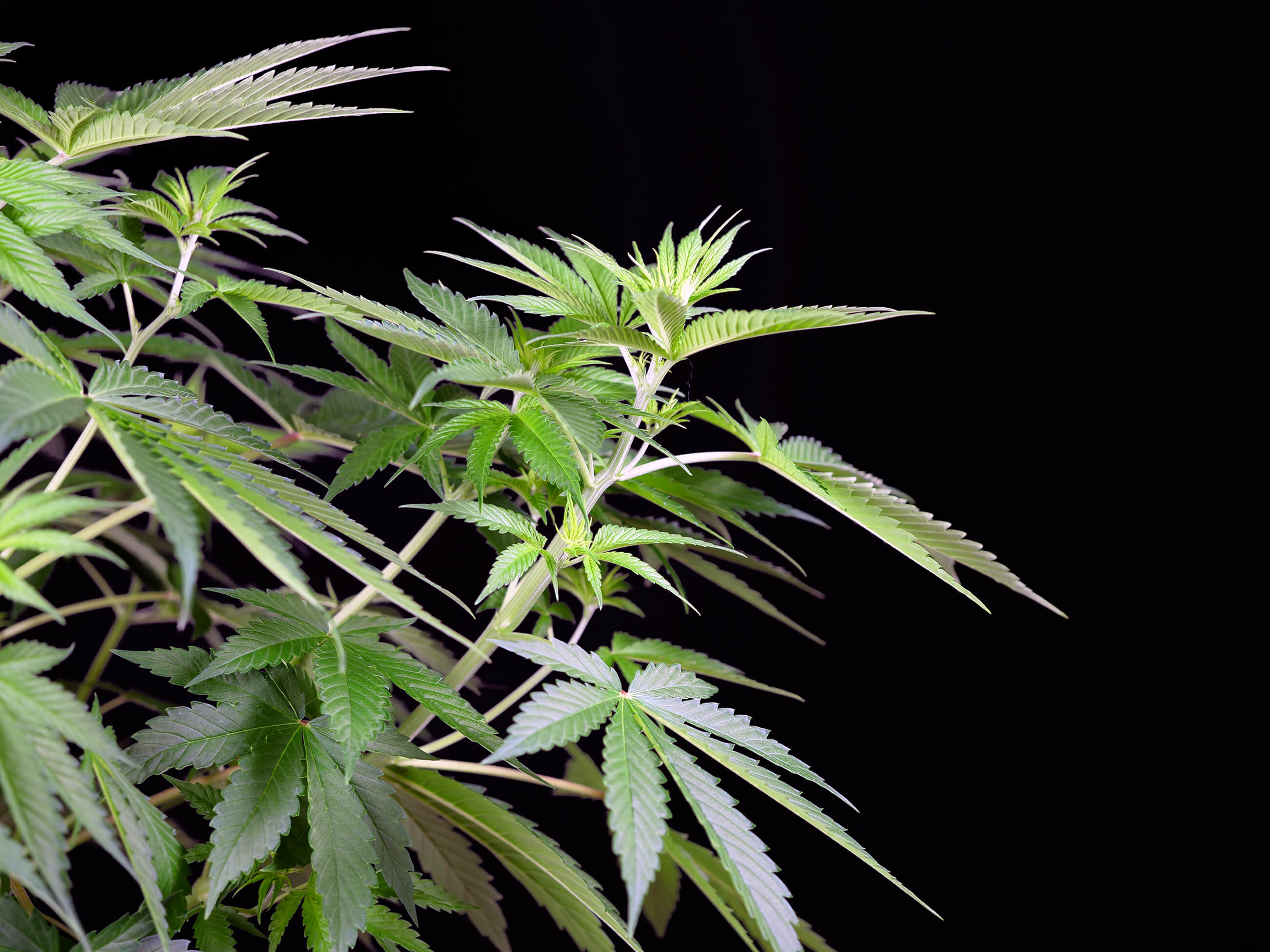
At the start of week four, we switched our plant to flowering. This meant flipping the lights to a 12/12 schedule, lowering the relative humidity to 60%, and changing our watering habits. We began daily feedings with 800 ml of water (pH 6.0; EC 1.8) mixed with Bio Flower liquid nutrients. By the end of the week, our plant was 48 cm tall with incredibly dense and lush vegetation. Lateral branches were growing in nicely and the fan leaves were truly massive for a plant of this size. To reduce the risks of mould, we lowered the humidity to 55%.
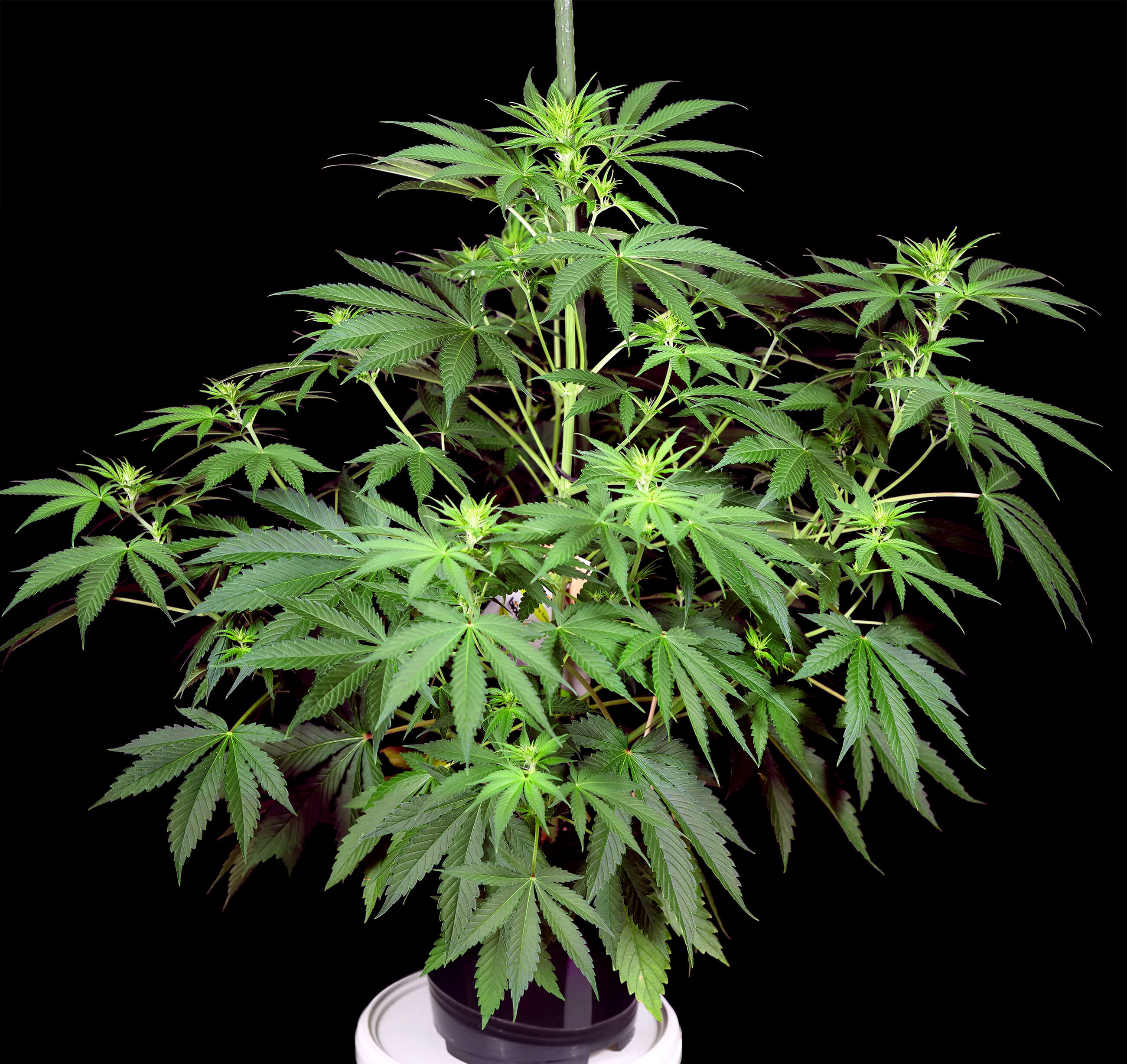
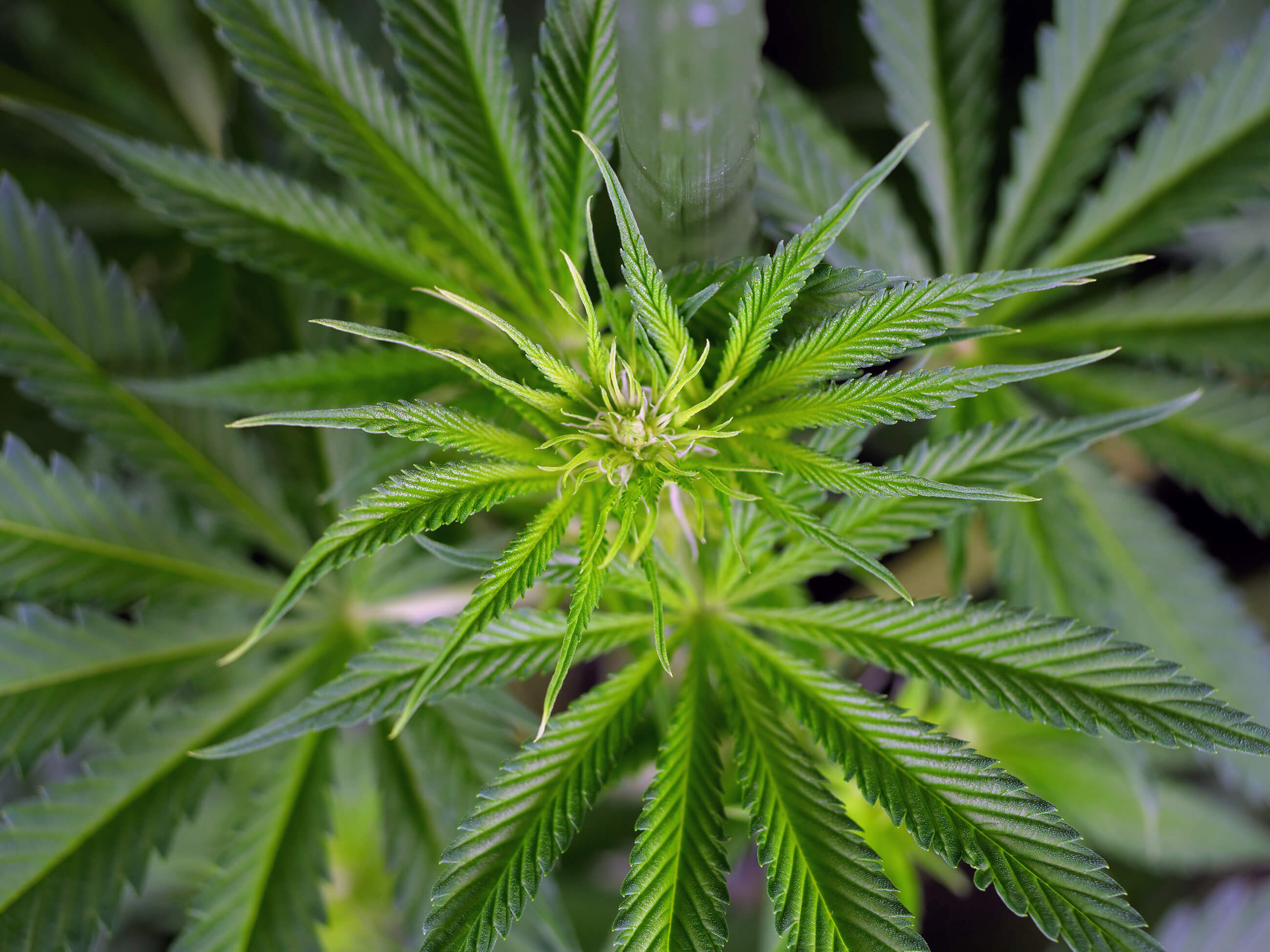
Week five saw more rapid growth with our plant growing to 59 cm as it began to stretch considerably. Internodal spacing was growing rapidly and the lateral branches were nearly as tall as the main stem. By now, the plant was leaning slightly which was causing the entire thing to grow in somewhat unevenly. This usually isn’t a major problem but is something to keep an eye on. With the plant set to begin flowering any day now, we increased our daily watering to 1500 ml.

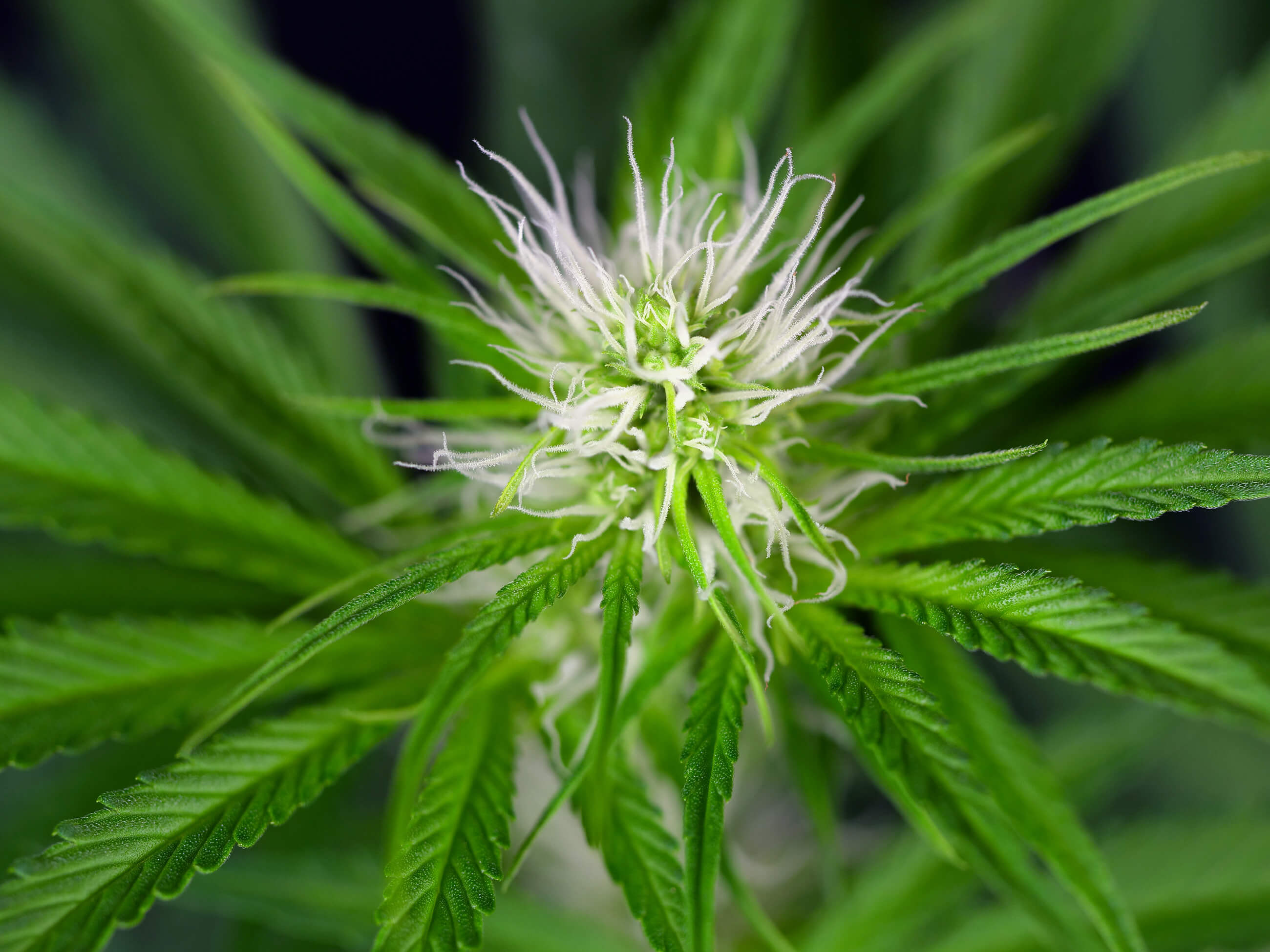
In week six, our plant saw the largest week-on-week growth of the flowering cycle as it grew 15 cm to a new height of 74 cm. The slight tilt that we noticed last week was becoming more pronounced and we decided to support the plant with a wooden rod. By the end of the week, the plant had begun flowering with white pistils appearing at the tops and inner nodes of every branch. The internodal spacing was moderate and the lateral branches were forming a nice canopy with the main stem.
Week seven saw the plant begin to properly bloom as the flowering sites all sprouted small clumps of white hairs. Vertical growth slowed considerably as our plant gained only 8 cm to reach a height of 82 cm. The lowest part of the plant was a dense tangle of vegetation and a round of defoliation would normally be a good idea, but we had more than enough airflow and generally prefer to let our plants grow with as little interference as possible.

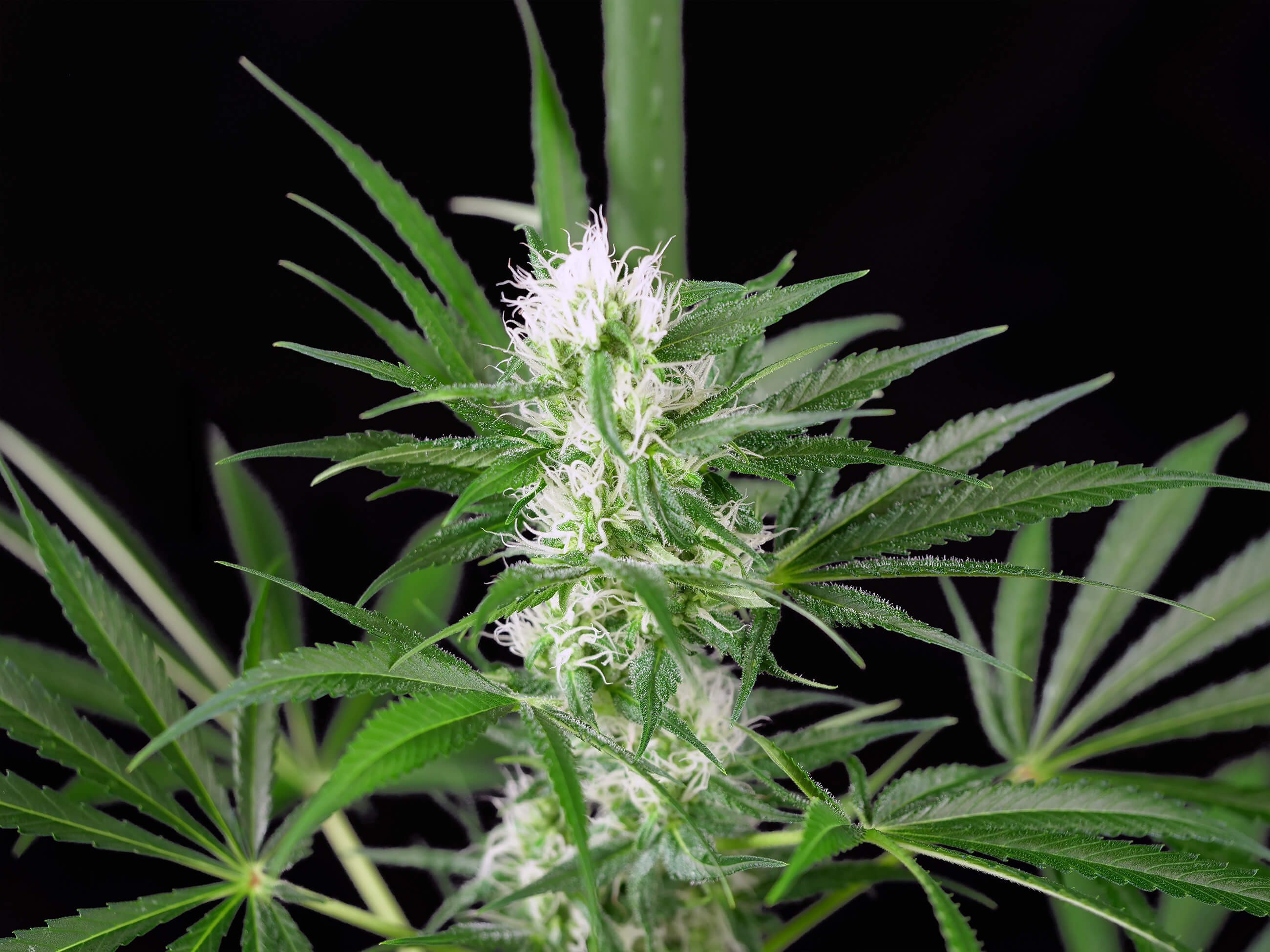
In week eight, our plant reached a height of 86 cm as the stretch slowly stopped. At the same time, flowering kicked into overdrive and every single flowering site was now showing off a proper flower. The buds were growing larger each day and the lateral branches were slowly being pulled down by the weight of their flowers.
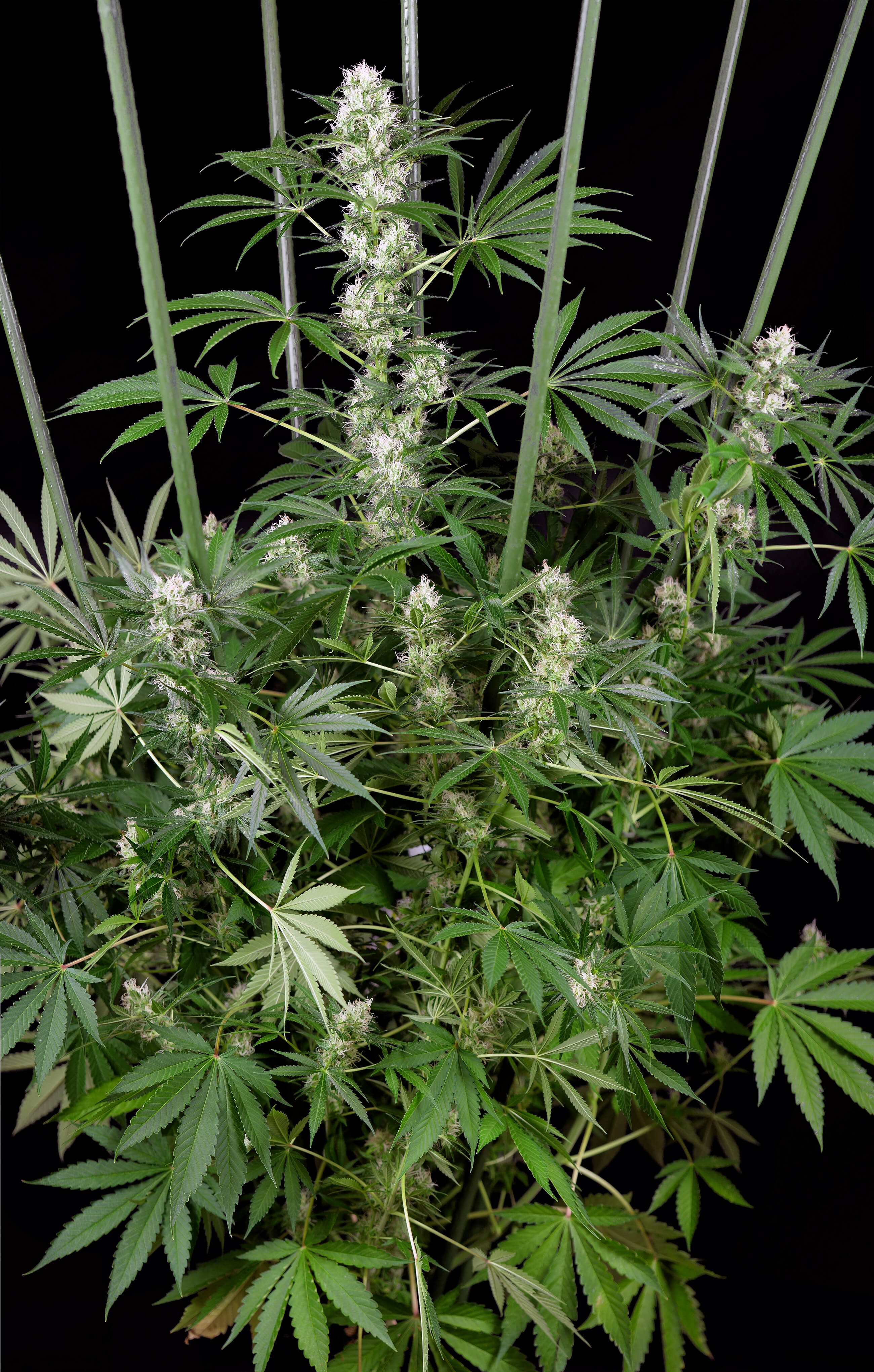

Week nine was another week of minimal vertical growth with our plant growing to 92 cm as the main cola continued to grow. By now, the main stalk was standing well above the lower canopy and had a single long cola which was growing larger every day.
Over the course of week ten, our plant slowly grew to 95 cm and flower production was accelerating daily. With so much growth, we lowered the humidity to 55% in an effort to prevent mould from developing. Additionally, the lower branches were now so overloaded by their flowers that we needed to add several more support rods to prevent them from collapsing under their weight.
Over weeks eleven and twelve, our plant reached its final height of 102 cm and was rapidly approaching harvest. The first pistils were changing from white to orange and the plant began to give off a subtle floral aroma. The buds were still growing larger with each day and all that we could do now was wait.
In week thirteen, our plant continued to ripen and a majority of the pistils had turned a vibrant orange. Likewise, a majority of the trichomes had changed from milky white to amber and harvest was finally at hand.
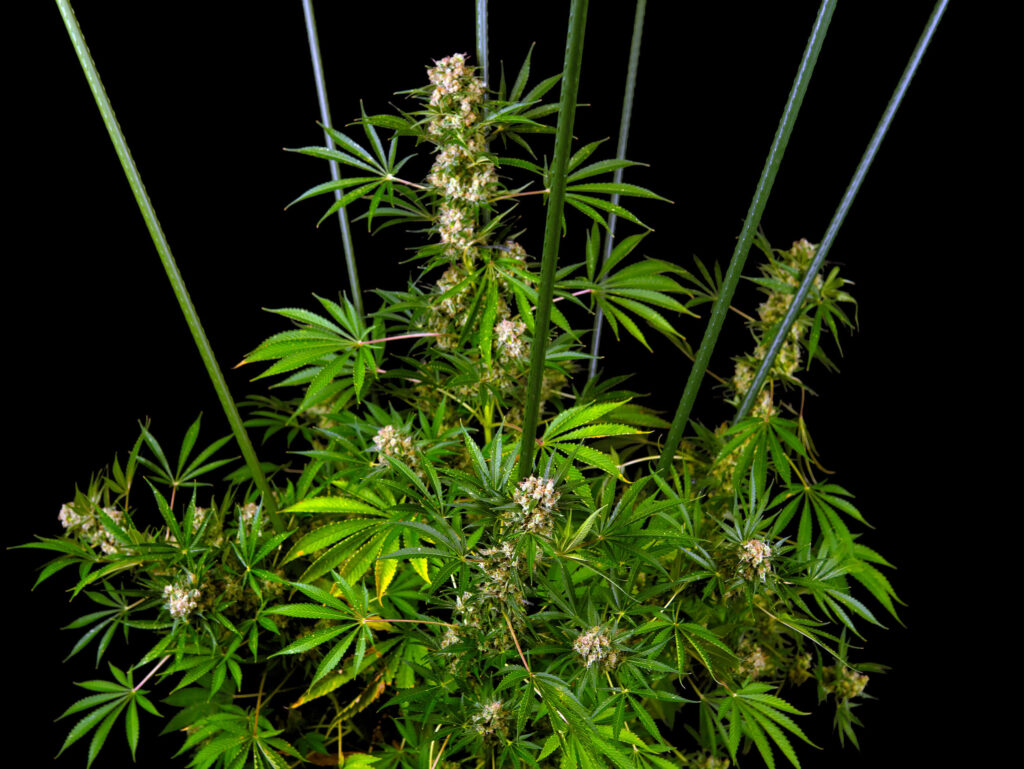
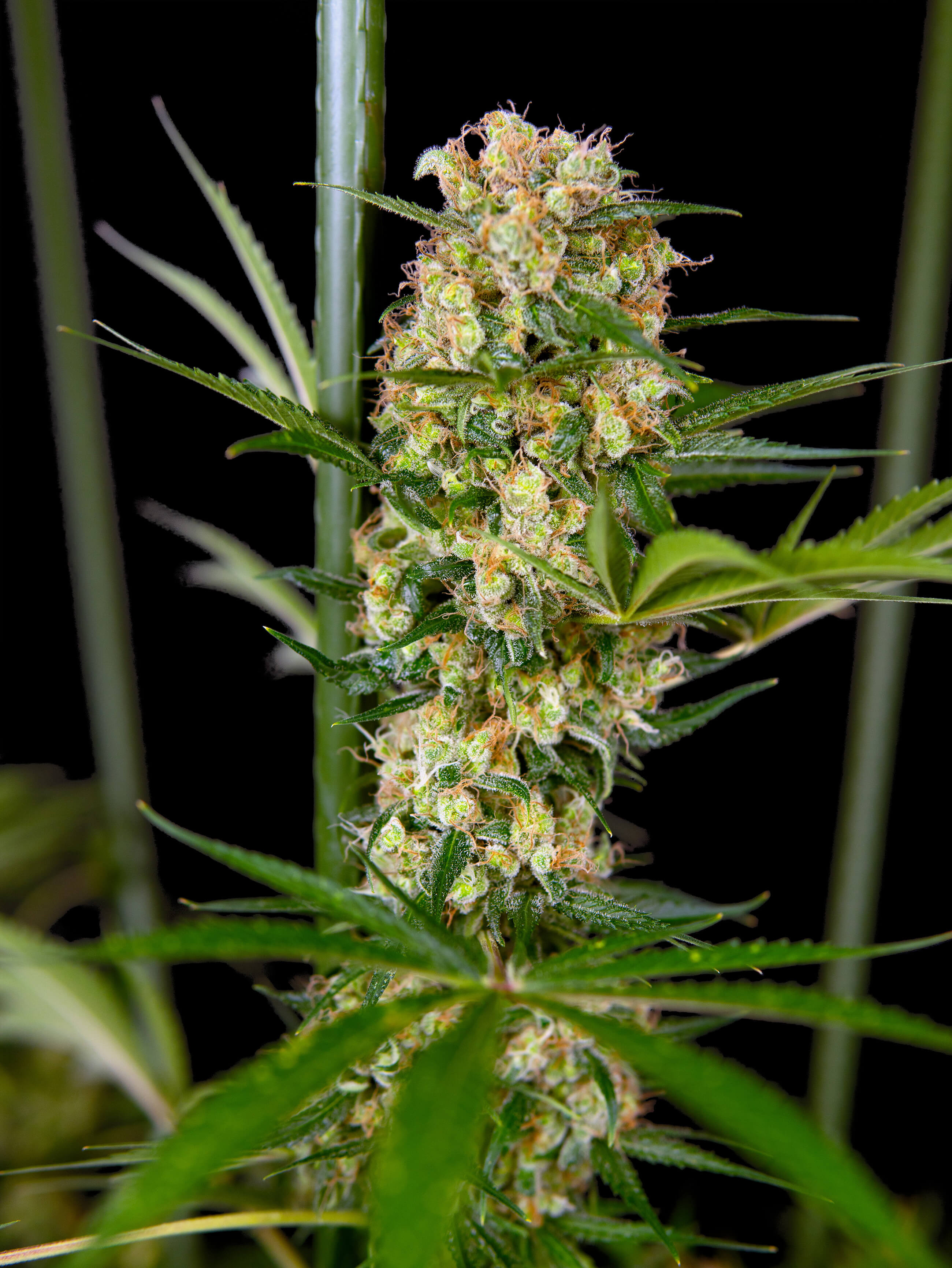
In week fourteen, we harvested our Tezla OG Feminized cannabis plant.
Harvest
Once it was time to harvest our Tezla OG Feminized cannabis plant, we acted quickly and cut it down at the base. Next, we removed all of the plant’s fan leaves and left the trimmed-up plant to hang upside-down in a climate-controlled drying room with a stable temperature of 15.5°C and a relative humidity of 50%. The plant was left here until the smallest branches were dry enough to snap when bent; typically around 10-20 days.
After a couple of weeks, we took the dried plant down and began removing the buds to trim away the remaining leaves. These buds were fairly leafy and we had a lot of them so this was something of a chore. Once done, we placed all of the buds into glass jars for curing.
For the first 24 hours, we left each jar unsealed to give the bulk of the remaining moisture a chance to evaporate before we sealed them and set them in a cool dark place. Over the next several weeks, we “burped” these jars for an hour at a time; originally several times a day but we gradually reduced it once per day until the buds were ready. The curing process typically lasts 4-6 weeks and is crucial for ensuring quality flowers.
In the end, our Tezla OG Feminized plant produced 94 grams of dried buds with a THC content of 20.6%.
Related post
Terpene profile
In the later stages of flowering, Tezla OG Feminized gives off a mild floral scent with hints of fruity and herbal aromas. The smell is noticeable, but far from overwhelming. Once cured, the aroma is a complex blend of pungent earthy notes mixed with fresh-cut pine and sweet berries with more subtle undertones of sandalwood, spice, creamy caramel, and coffee. The flavour is markedly less complex, though equally pleasant with a sweet, zesty citrus taste sitting on top of deep earthy notes with a distinct pine flavour hiding in there.
After sampling the buds, the first thing we noticed was an uplifting cerebral high that made it difficult to focus on any one thing for too long and left us lost in our own thoughts. This slowly gave way to a more relaxed and soothing body high which lingered long after our minds had cleared. If you’re looking to just chill out with a few friends on a rainy afternoon, this strain is a great choice.
The outcome
Tezla OG Feminized is a bit of a mixed bag when it comes to genetics. As a 70% indica hybrid, it starts with the typical short and stocky build these strains are known for. However, as it flowered, the sativa genetics came out in force and the long slender branches struggled to keep up with the size of the buds.
Overall, this strain is medium height, has an average flowering time, and produces average yields with average potency. And none of that is at all a bad thing. If you want a simple, no-nonsense strain that fits into any grow space and works with any advanced techniques (scrogging, lollipopping) then Tezla OG Feminized is a fantastic pick.
- Disclaimer:Laws and regulations regarding cannabis cultivation differ from country to country. Sensi Seeds therefore strongly advises you to check your local laws and regulations. Do not act in conflict with the law.
