


This time, we’re detailing our experience with Jealousy Glaze Feminized, a 55% sativa developed by Sherbinskis. While this strain is a little slow to get going, once flowering kicks off, the plants are highly productive for how compact they are. The long, somewhat stretchy lateral branches and open frame make this a great fit for all manner of training.
Total growing time: 105 days
Flowering time: 77 days
Final height: 86 cm
Final yield: 93 grams
THC content: 23.2%
Jealousy Glaze Feminized is a 55% sativa bred in collaboration with the crew at Sherbinskis for the Sensi Seeds Breeding Grounds 2026 lineup. These large, bushy plants were created by crossing Sensi Seeds’ original Papaya Jealousy with Gelato #33, creating a lineage that includes Sunset Sherbet, Thin Mints GSC, Jack Herer, and Skunk #1.
To make sure our Jealousy Glaze Feminized cannabis plant had everything it needed, we grew it in an 8-litre plastic pot filled with BAC Lava Mix, and placed it beneath a 1000 W lamp. During vegetation, our light was set to an 18/6 schedule, and the grow space was kept at a stable 23°C during daylight hours, dropping down to 21°C when the light switched off, and a relative humidity of 65% to start.
Germination & seedling
The first thing we needed to do was to germinate our Jealousy Glaze Feminized cannabis seed. To start, we folded a few paper towels, placed them on a plate, and sprinkled them with just enough water until they were damp, but not dripping. Next, we set our seed on top and covered it with another damp paper towel before placing everything inside an open plastic bag and leaving it in a warm place out of direct sunlight.
After about a day, the seed had cracked open, and the taproot was now sticking out, so we planted the seed (taproot pointing down) into a pre-soaked Rockwool cube and put that underneath a 600 W lamp. At this early stage, fresh seedlings are quite delicate, and excessive light, heat, water, or even nutrients can kill them before they’ve sprouted.
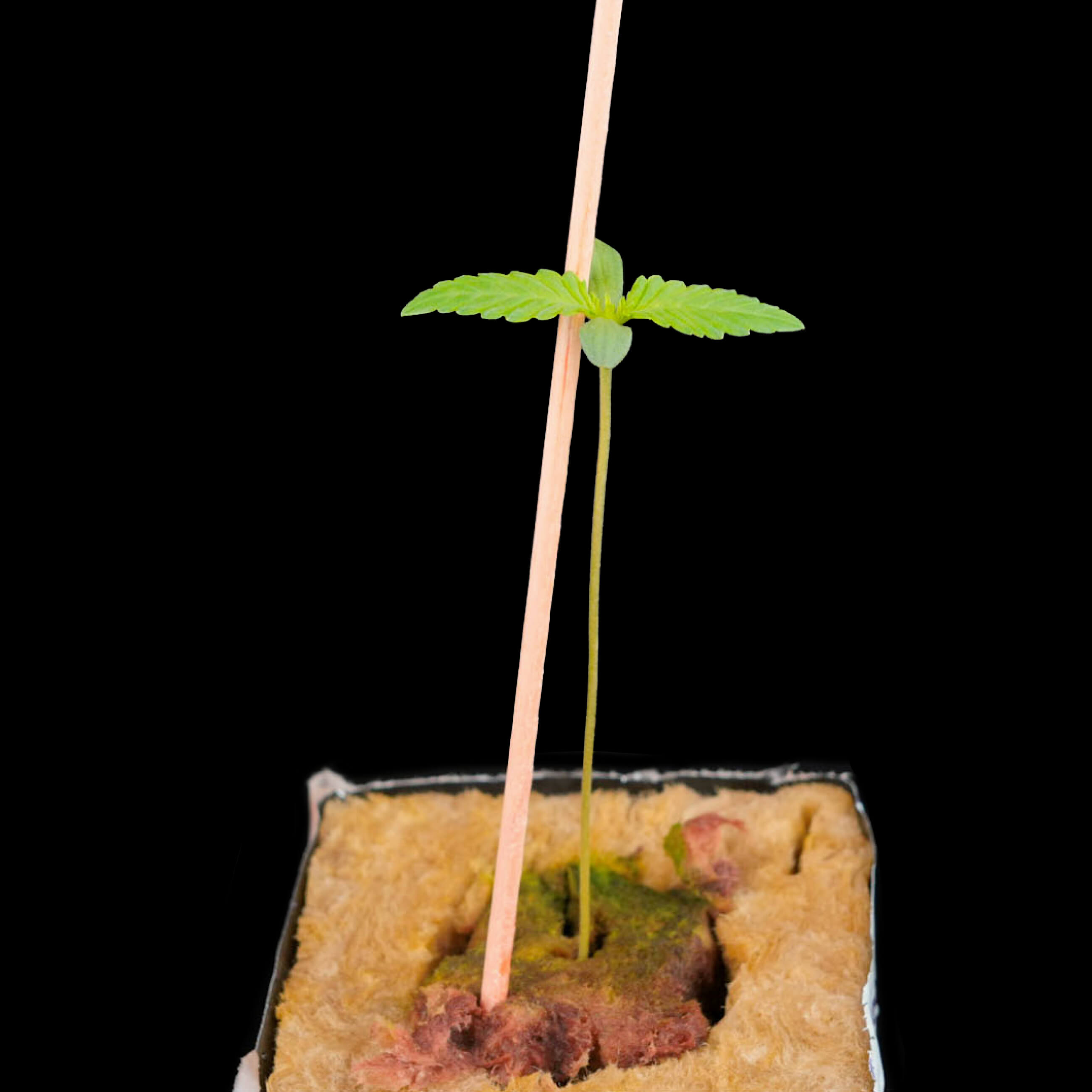
After three days, we gave our plant its first feeding with 100 ml of pH-balanced water (pH 6.2; EC 0.8) mixed with a dose of rooting hormone. By the end of week one, our plant was 7 cm tall with an incredibly long and slender stem that needed some help supporting two pairs of small cotyledons at the top. At this point, we were watering daily with 100 ml of water mixed with Bio Grow liquid nutrients (pH 6.0; EC 1.4).
Vegetation
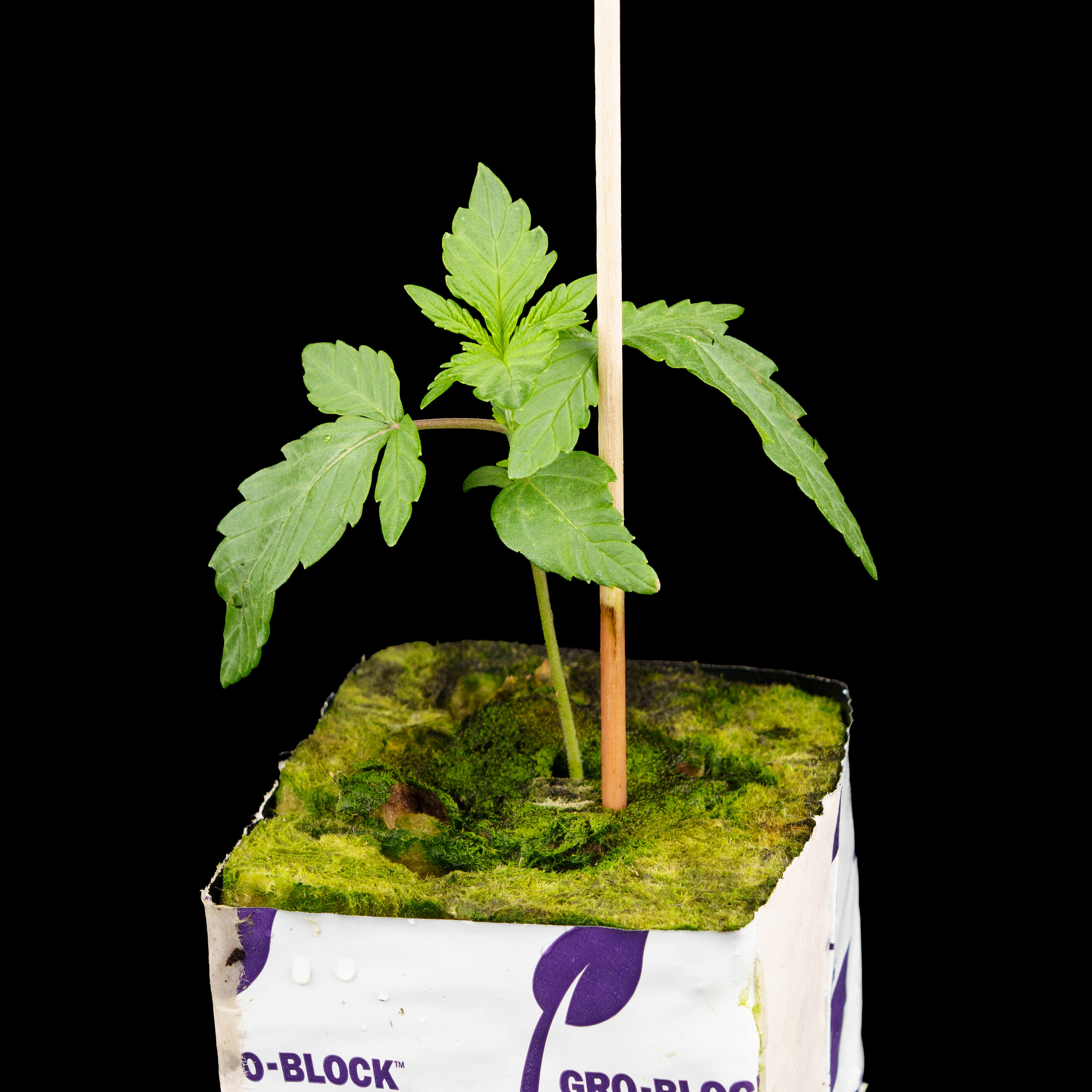
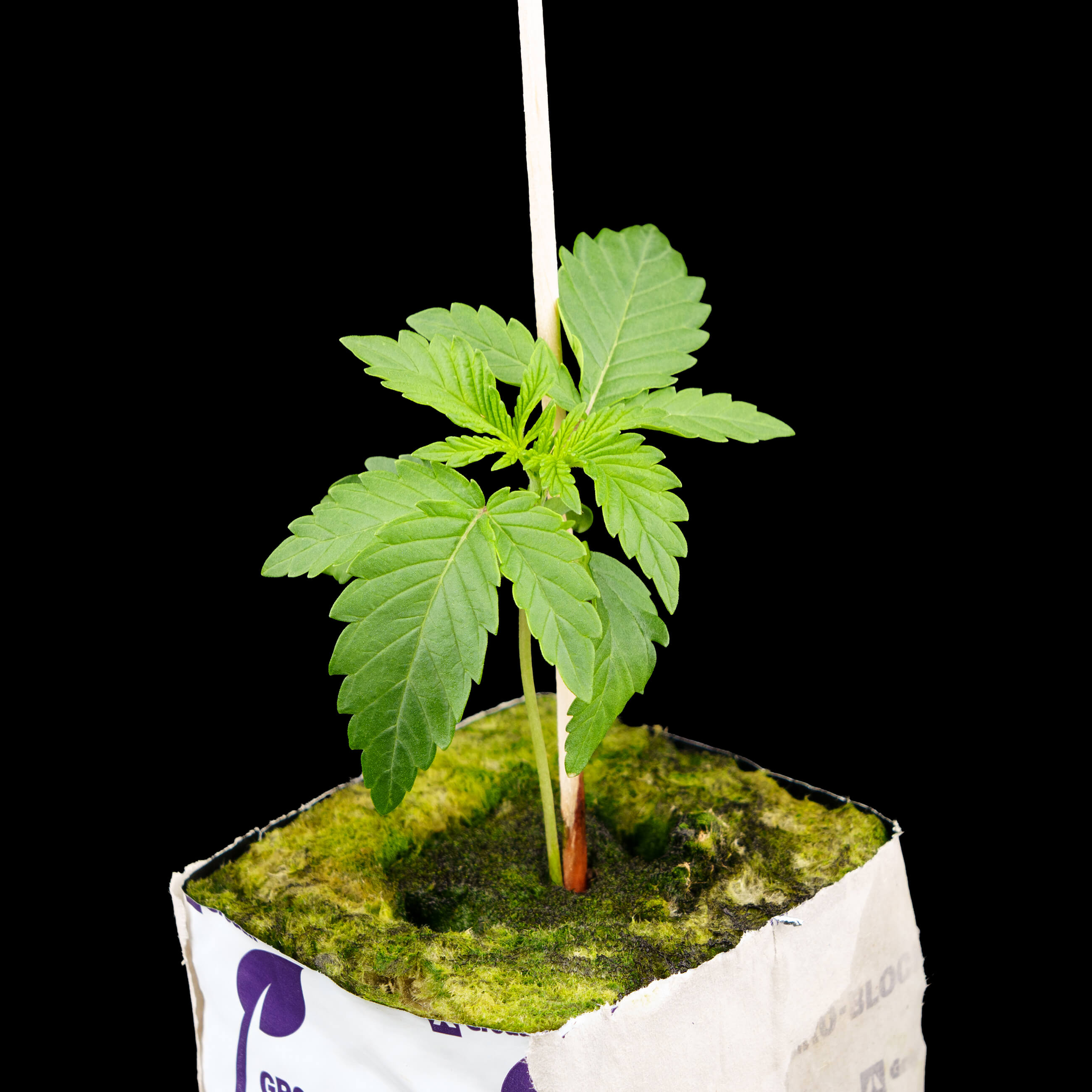
In week two, our Jealousy Glaze Feminized seedling grew fairly slowly, reaching a height of just 10 cm. While vertical growth was minimal, the plant was incredibly productive, developing two full sets of short, broad leaves with very tight internodal spacing. With growth accelerating, we increased daily feedings to 200 ml of water.
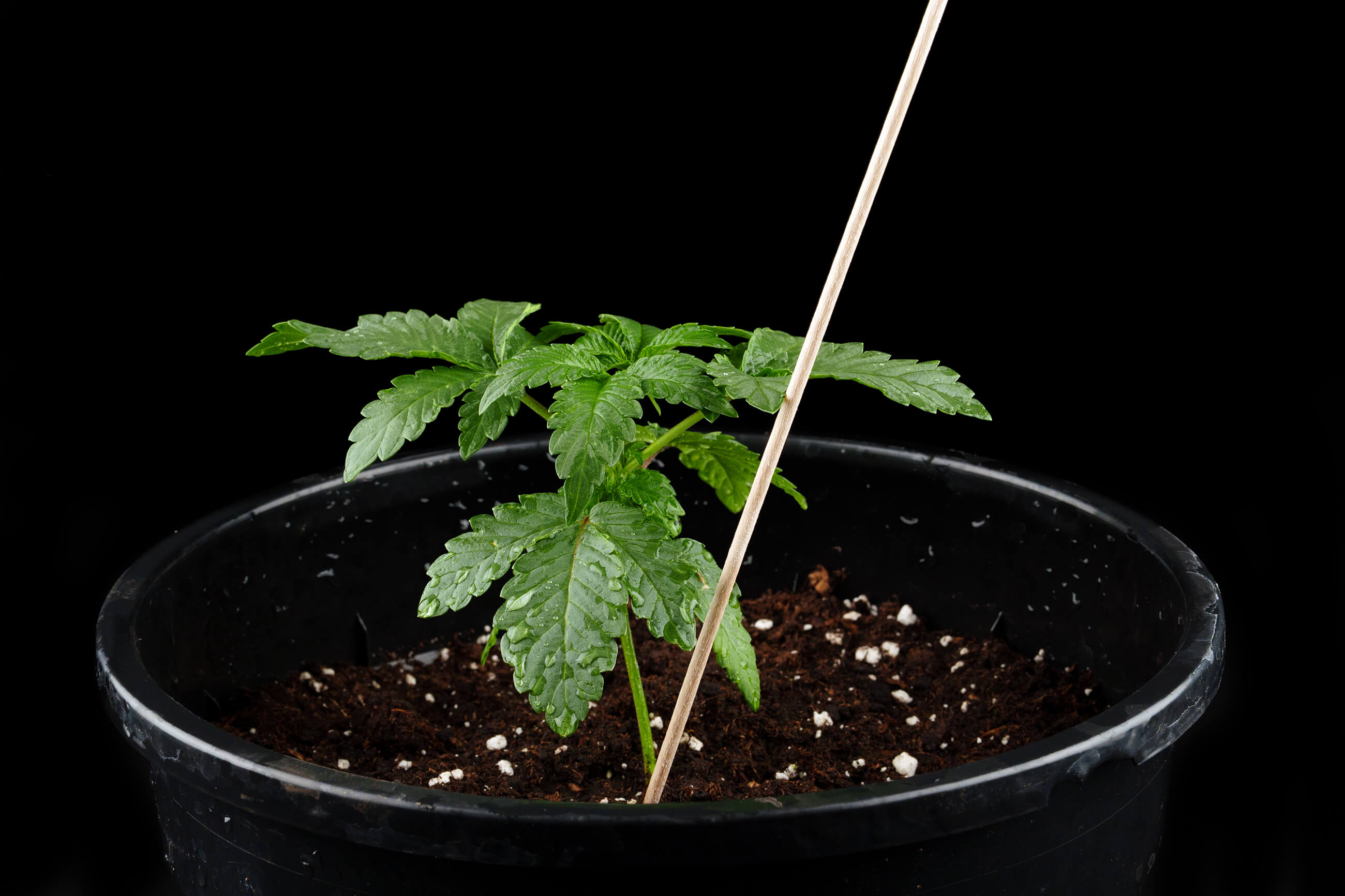
Week three saw things speed up a bit, with our plant gaining 5 cm to reach a new height of 15 cm. This was accompanied by multiple sets of new leaves while internodal spacing remained rather tight, though we could already see it stretching. With flowering starting next week, we again doubled the volume of water to 400 ml per day.
Related post
Flowering
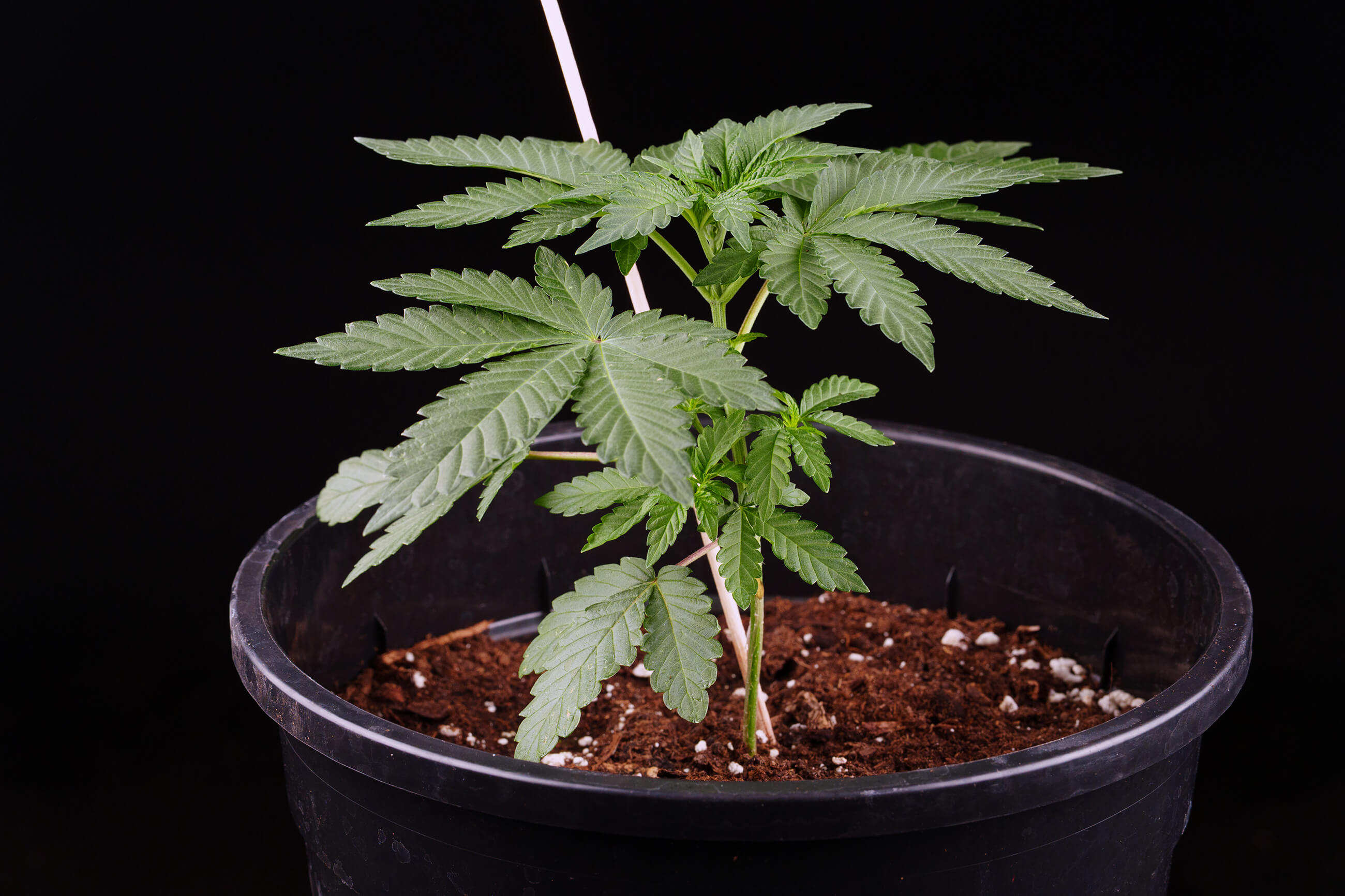
In week four, we switched our plant to flowering by flipping our lights to a 12-hours-on-12-hours-off schedule and swapping to Bio Flower liquid nutrients mixed with 800 ml of pH-balanced water (pH 6.0; EC 1.8) daily.
This week saw our plant’s first major growth spurt as it reached a new height of 22 cm as the main stem stretched considerably. This vertical growth was accompanied by the first signs of lateral branches as the plant was developing an open, airy frame. With all of this new growth, it was time to lower the humidity of the space to 60% to help prevent the development of mould.
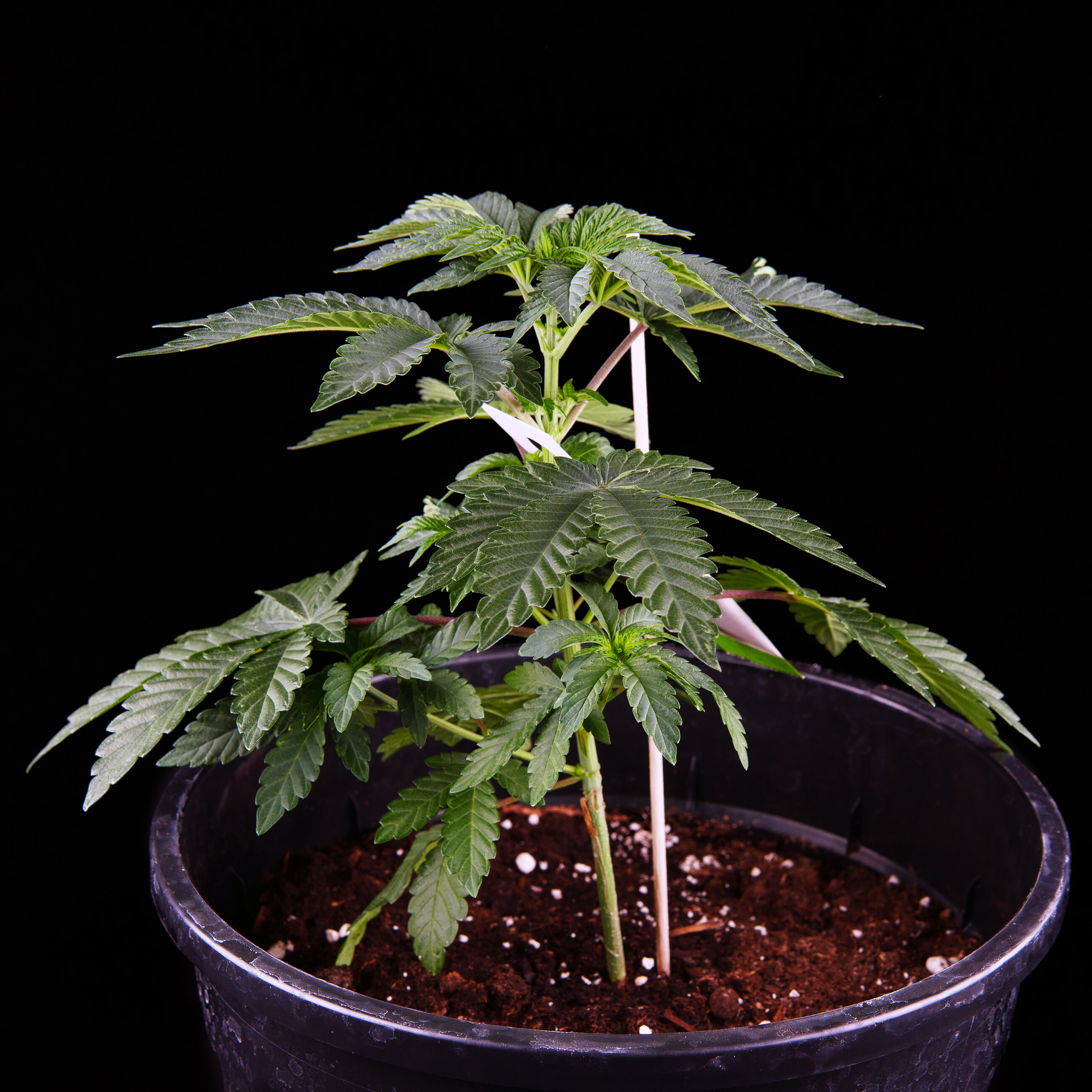
In week five,our plant skyrocketed up to 35 cm as the inner nodes continued to stretch while new leaves grew at the top of the main stem. The lateral branches were beginning to properly take shape, though were still quite short. To keep up with all of this new growth, we once again increased the water to 1000 ml per day.
Before flowering properly began, we hung small pouches of Neoseiulus californicus and Amblyseius swirskii from the plant. These small sachets each contain hundreds of tiny bugs that live symbiotically with cannabis and cause the plants no harm. Instead, they hunt down parasites like spider mites and thrips, which can destroy a harvest if left unchecked. These are replaced every four weeks to maintain a fresh supply.
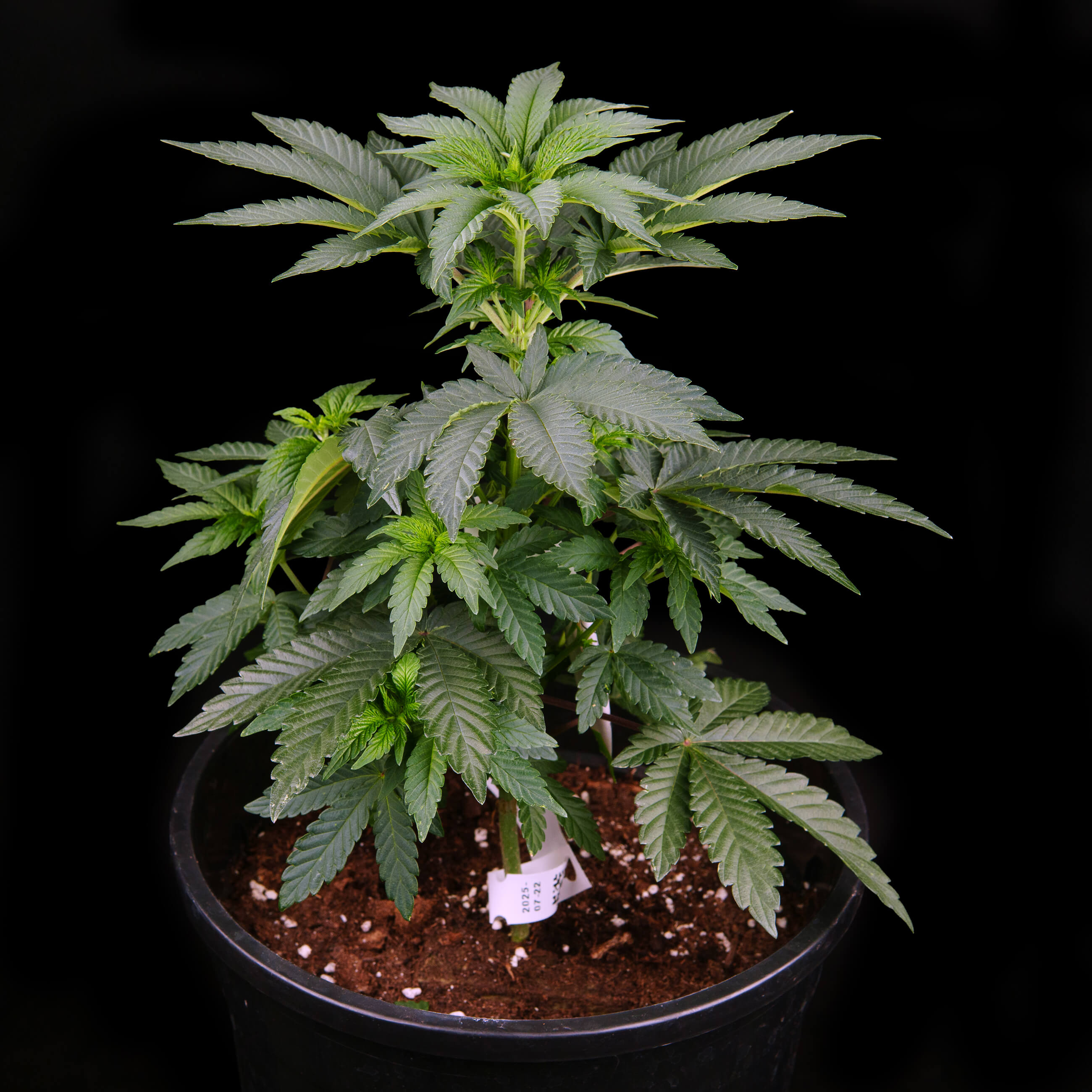
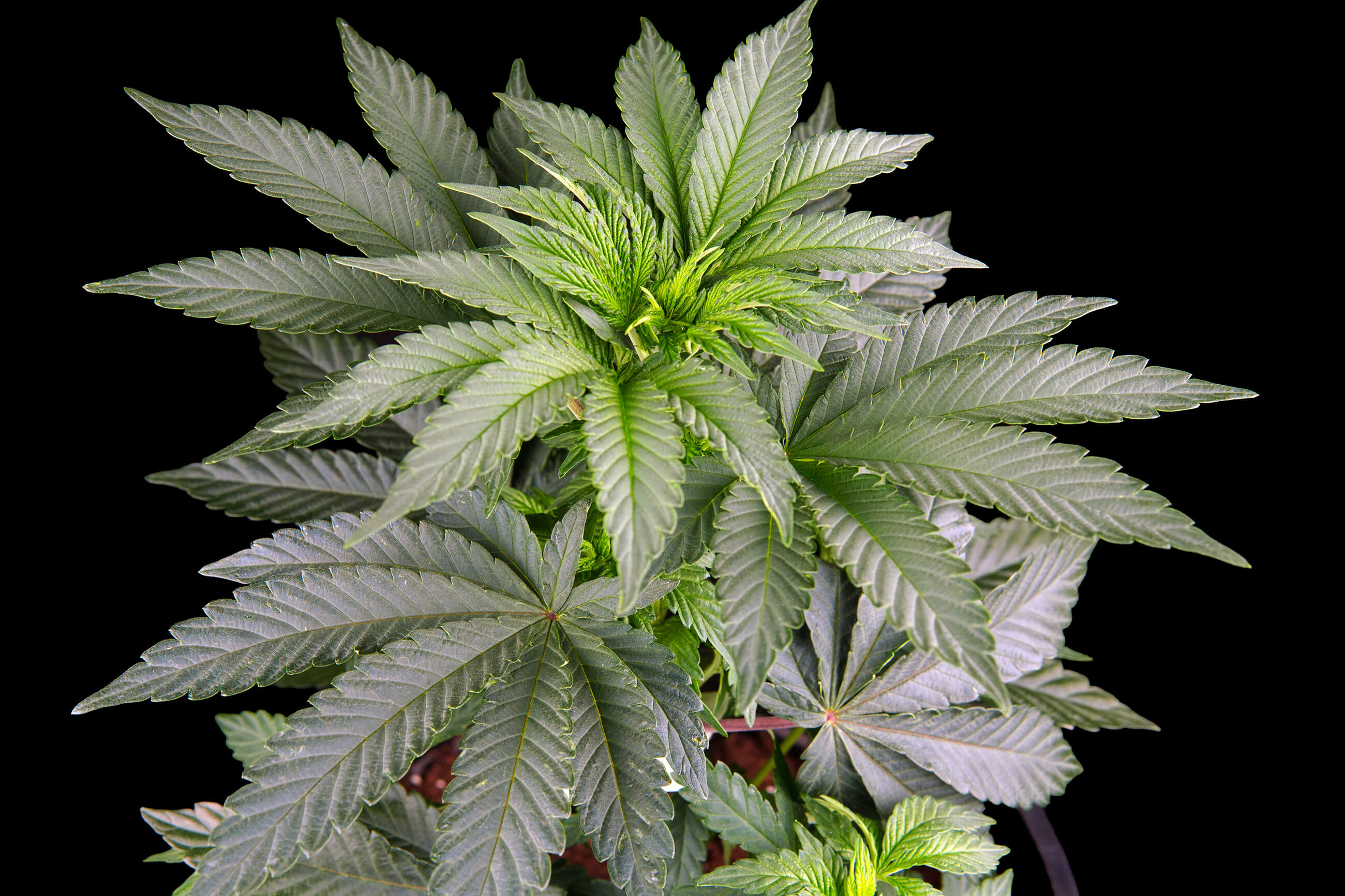
Week six saw the largest growth spurt of the cycle, as our plant grew 14 cm to a new height of 49 cm. While there was some stretch, much of this growth was the new vegetation as the main stem rose above the lower canopy while lateral branches grew only slightly. By now, the plant was fairly compact, though still allowed for adequate airflow. With the onset of flowering just around the corner, we increased the volume of water to 1500 ml each day.
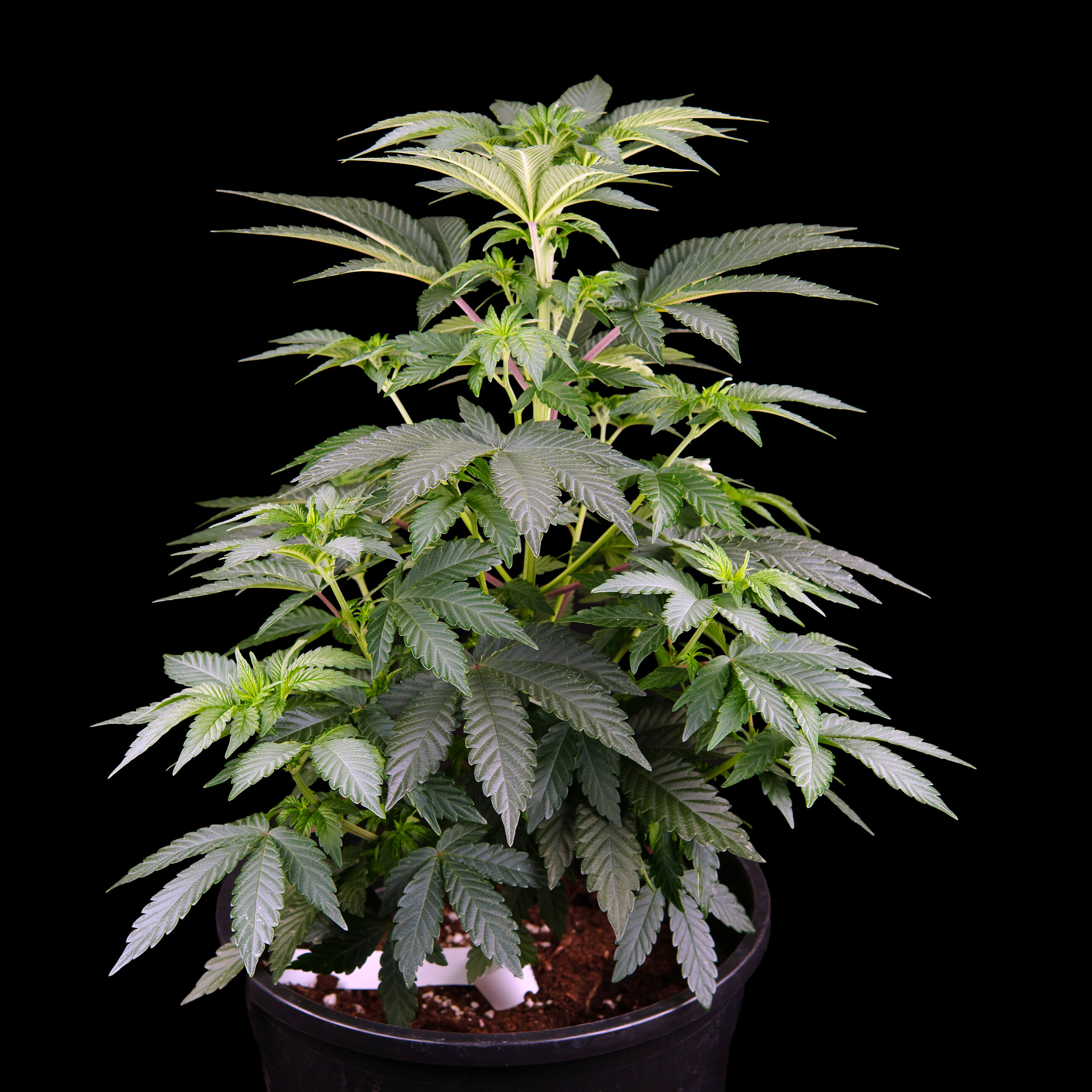
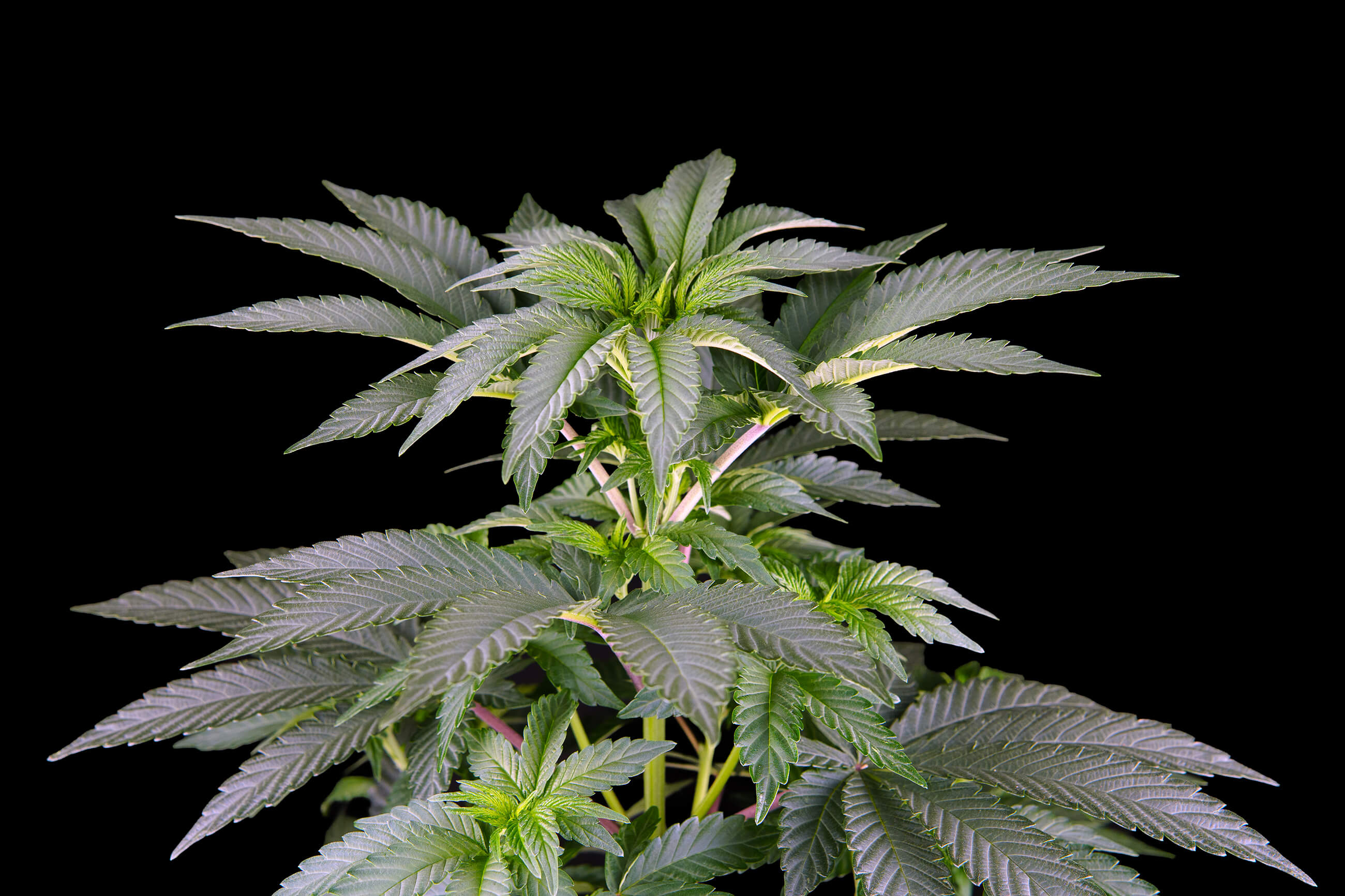
Over week seven, our plant’s growth slowed somewhat, gaining only 9 cm and reaching a height of 58 cm. While the main stem’s growth was slowing, the development of lateral branches sped up considerably, and they were now about three-quarters the height of the plant. At this point, we further lowered the humidity to 55%.
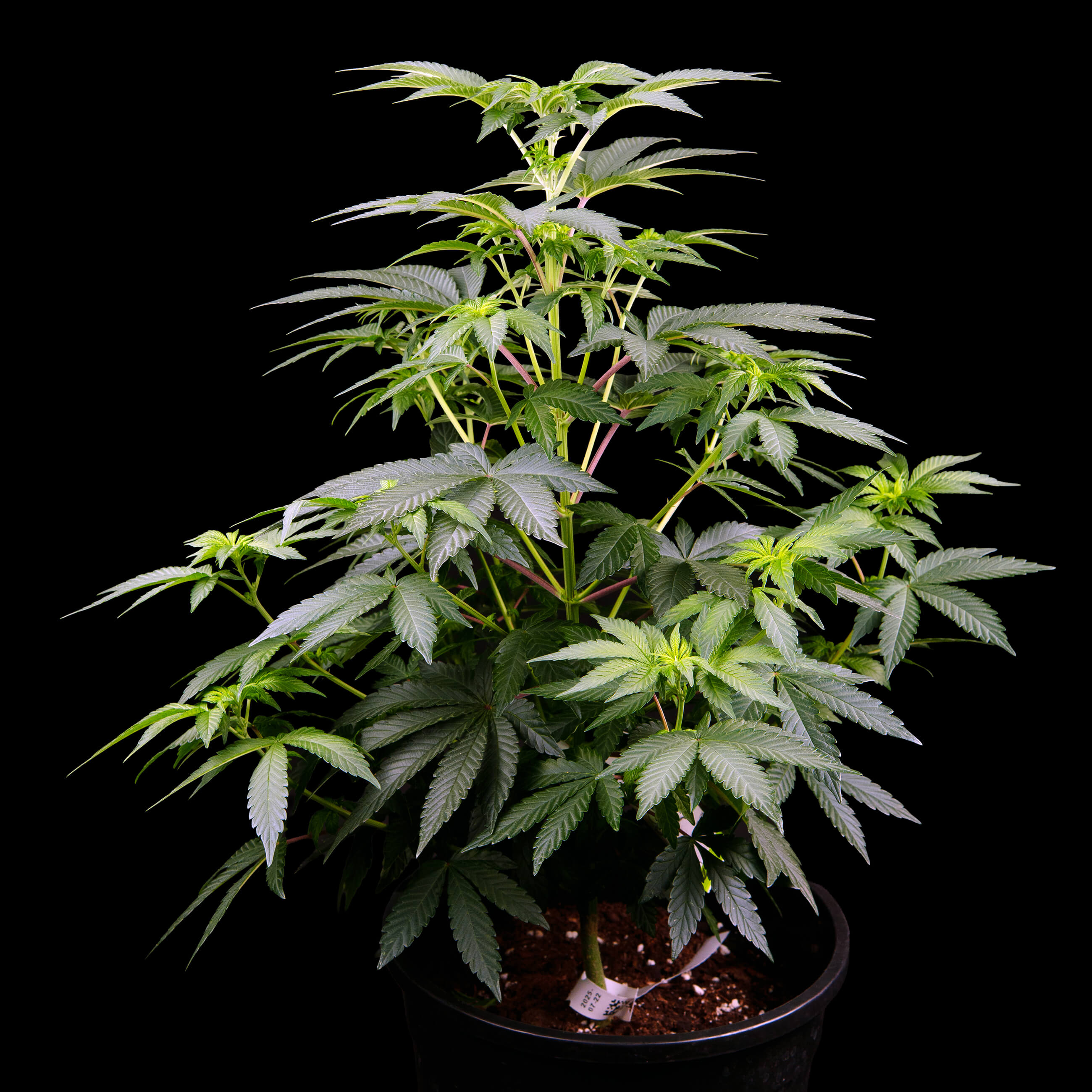
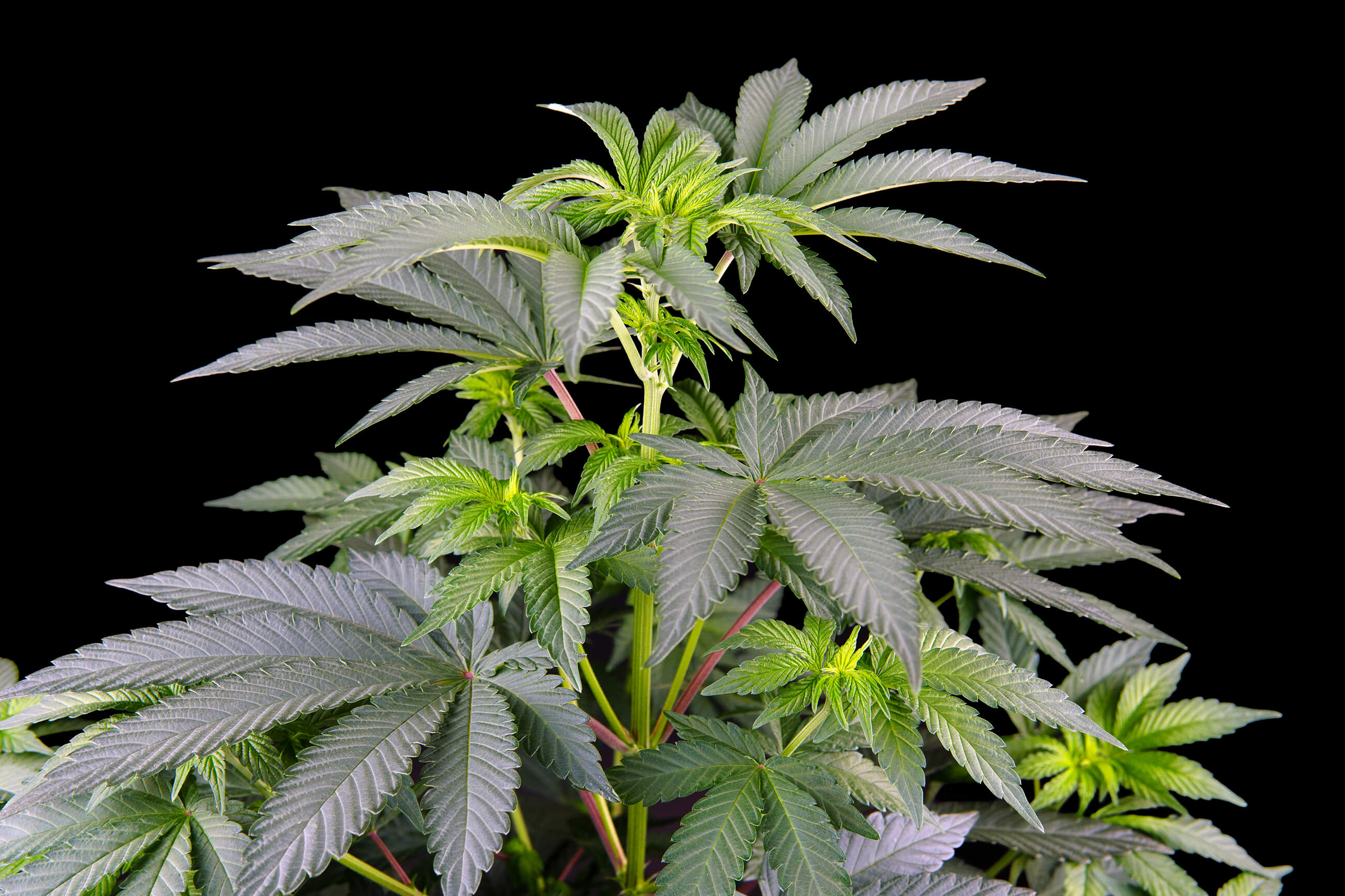
As week eight came and went, our plant continued its gradual slowdown, growing to 64 cm. The lateral branches were continuing to grow further outwards, opening up the frame and giving the plant a traditional Christmas tree shape. By the end of the week, we were finally seeing the very first pistils appear at the tips of some branches.
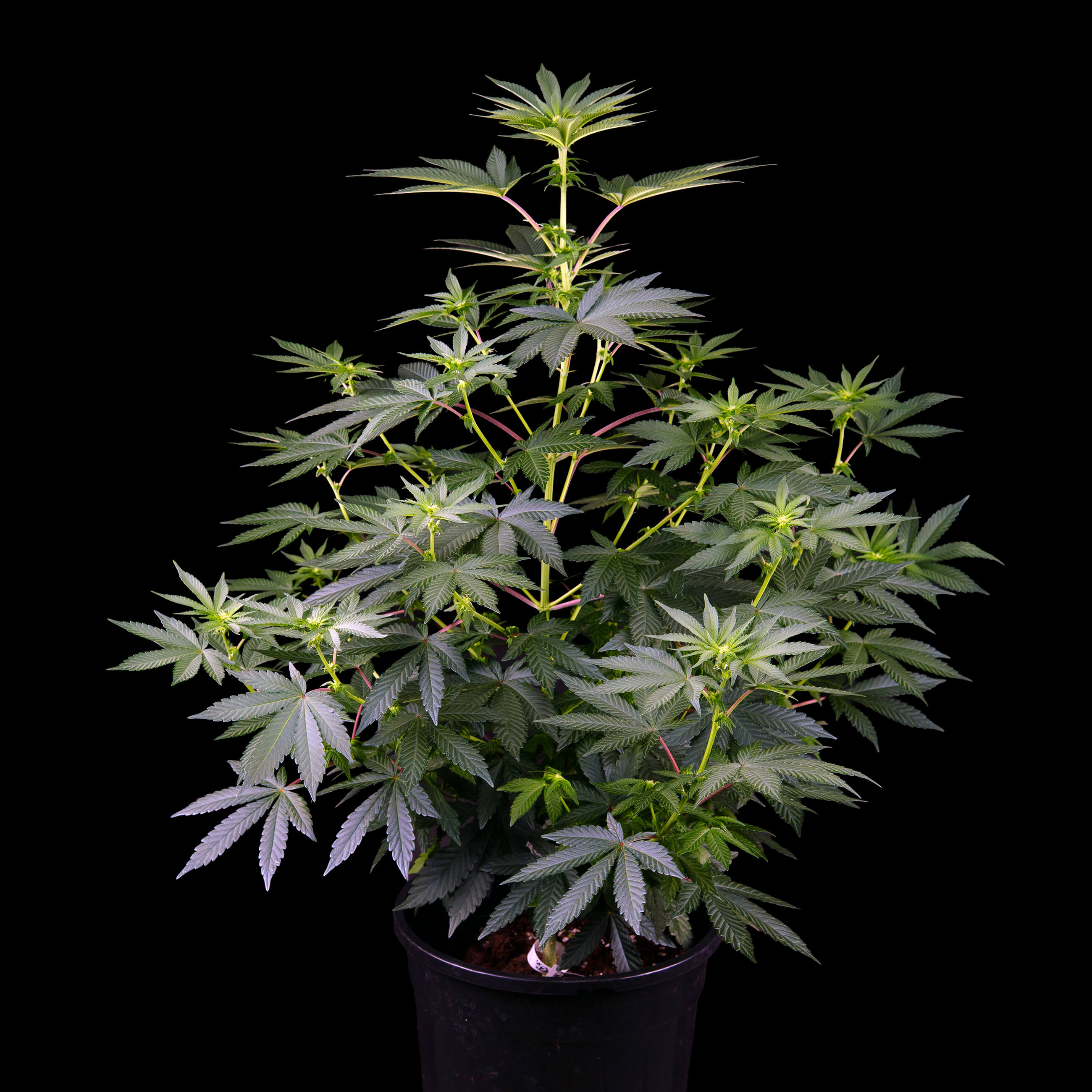
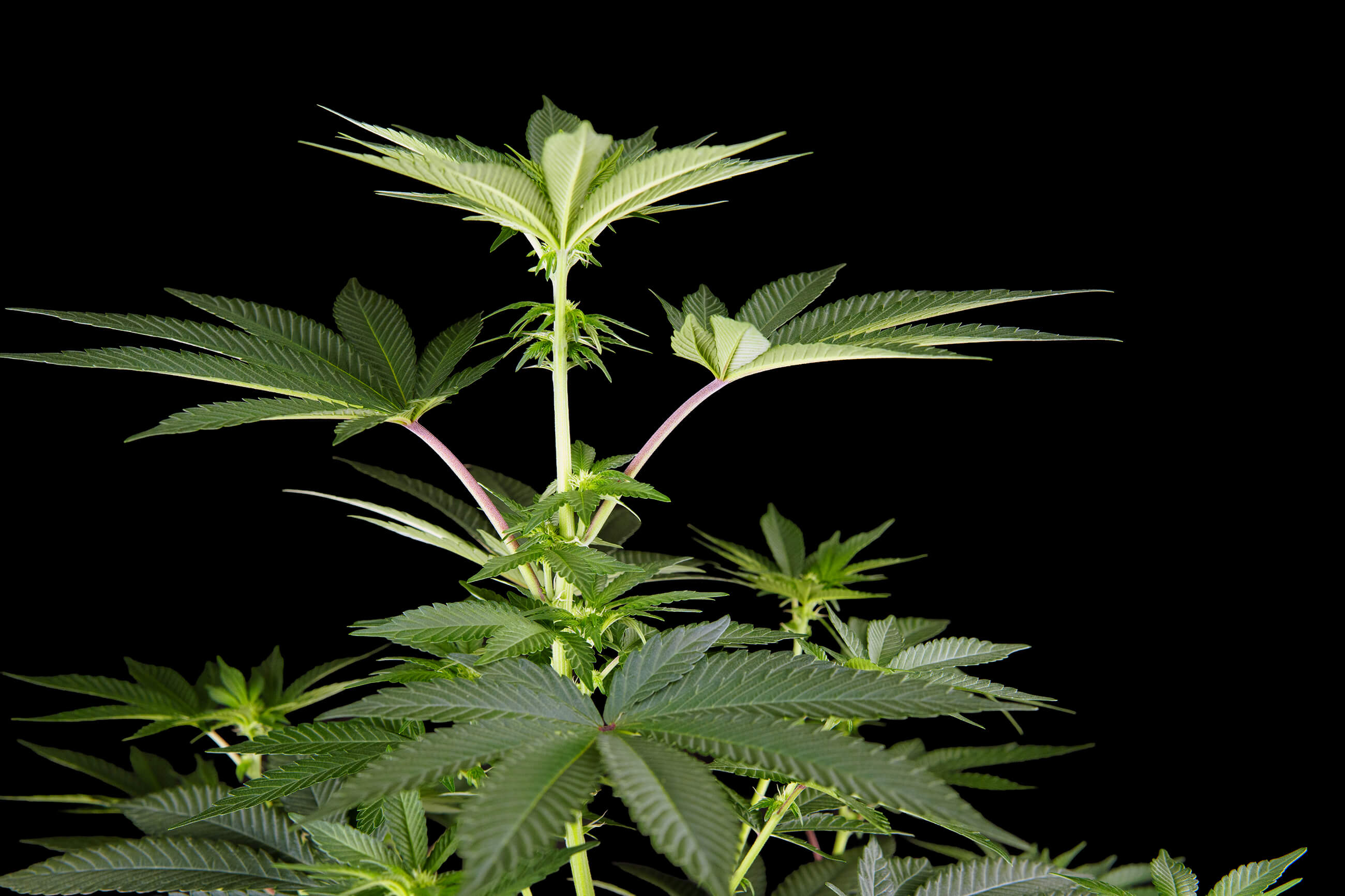
Week nine saw our plant reach a height of 68 cm as it diverted its energy from vertical growth to flower development. The main stem had grown a fair bit above the lower canopy, and each flowering site was covered in several small white pistils which were growing more numerous each day. The lateral branches were fairly long and rather robust, allowing for decent airflow and light penetration throughout the plant.
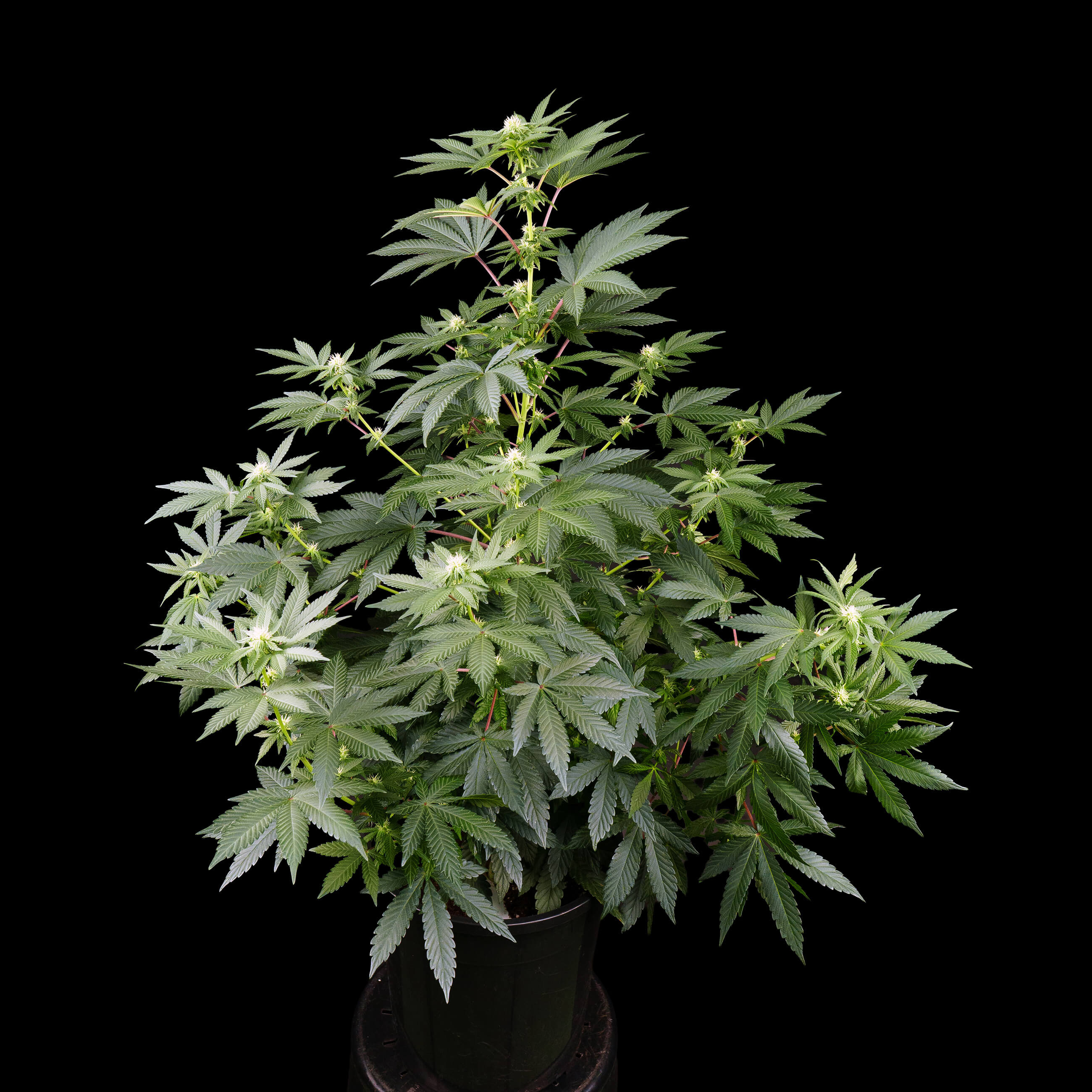
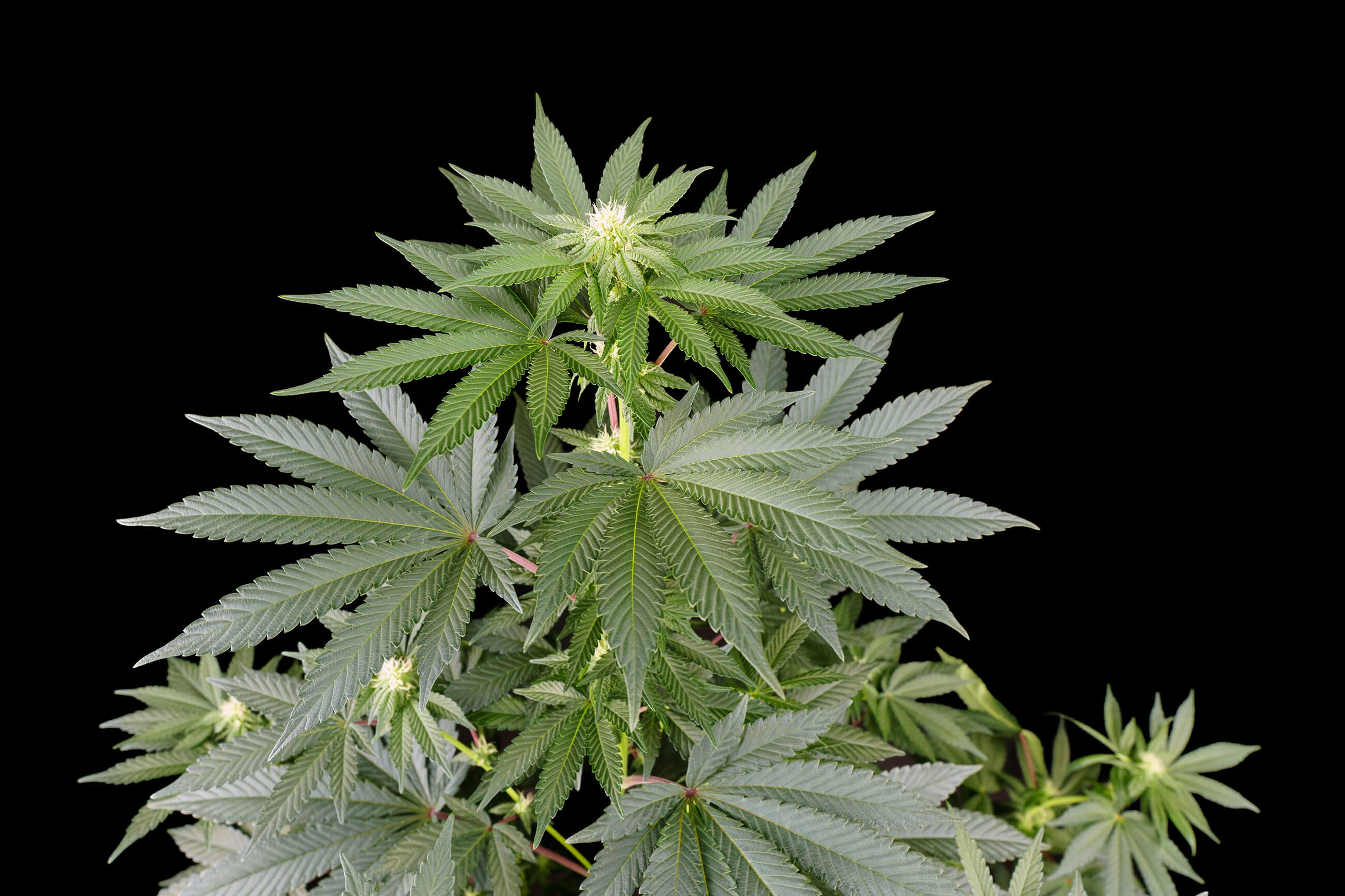
In week ten, our plant grew to 72 cm as the main stem continued to climb higher. The rapidly-growing buds were still somewhat small, but were already heavy enough to pull some of the lower branches past 90°. By now, it was evident that even the main cola was unlikely to run more than a few nodes, and we were likely to harvest several dozen small, dense, and leafy flowers.
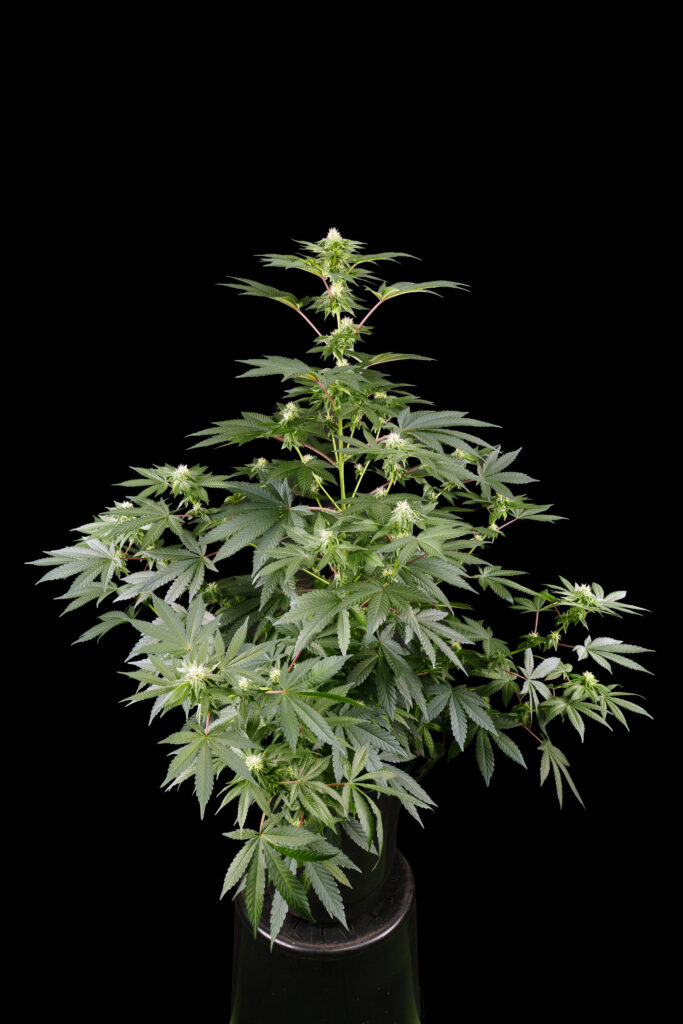
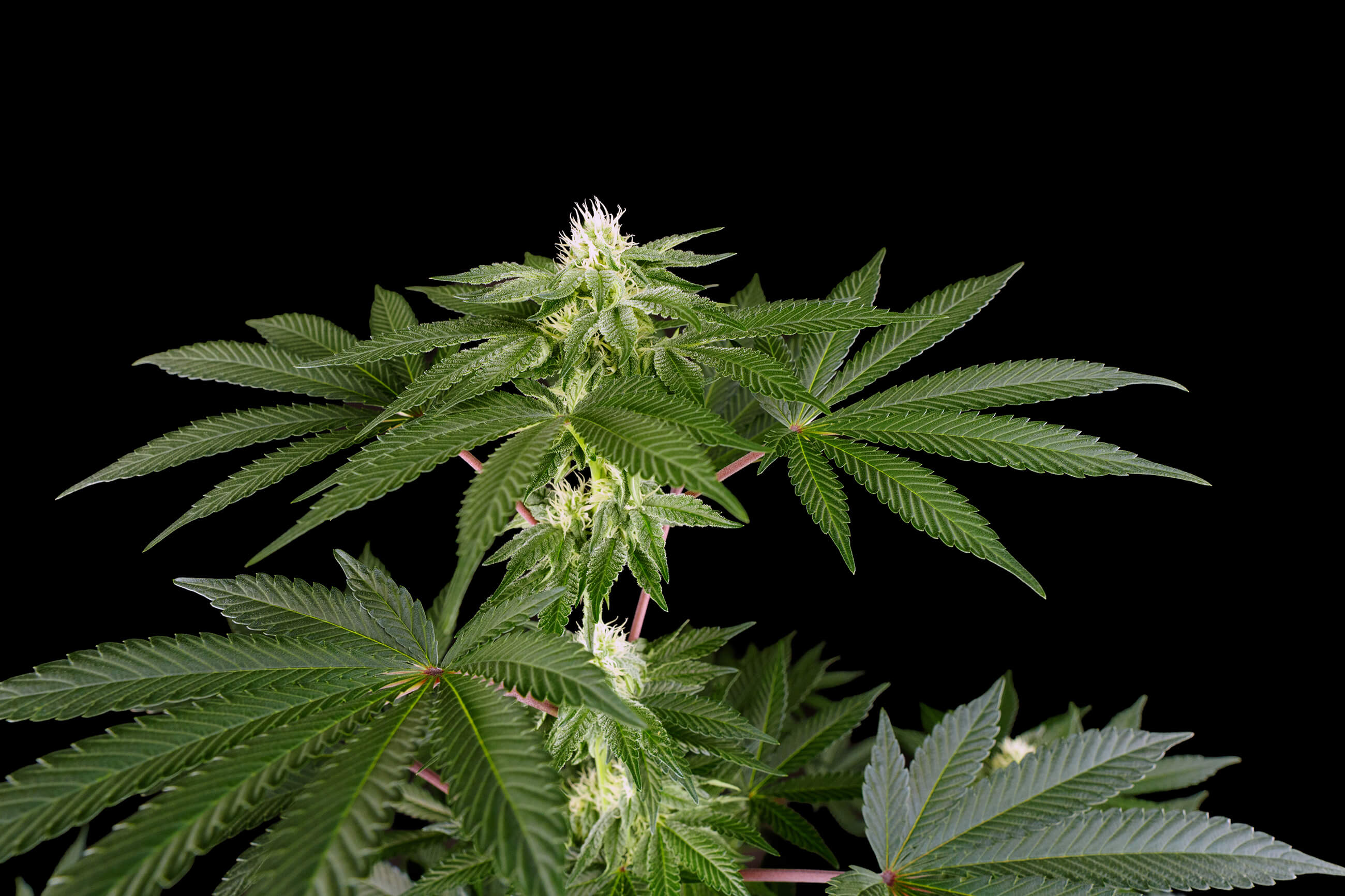
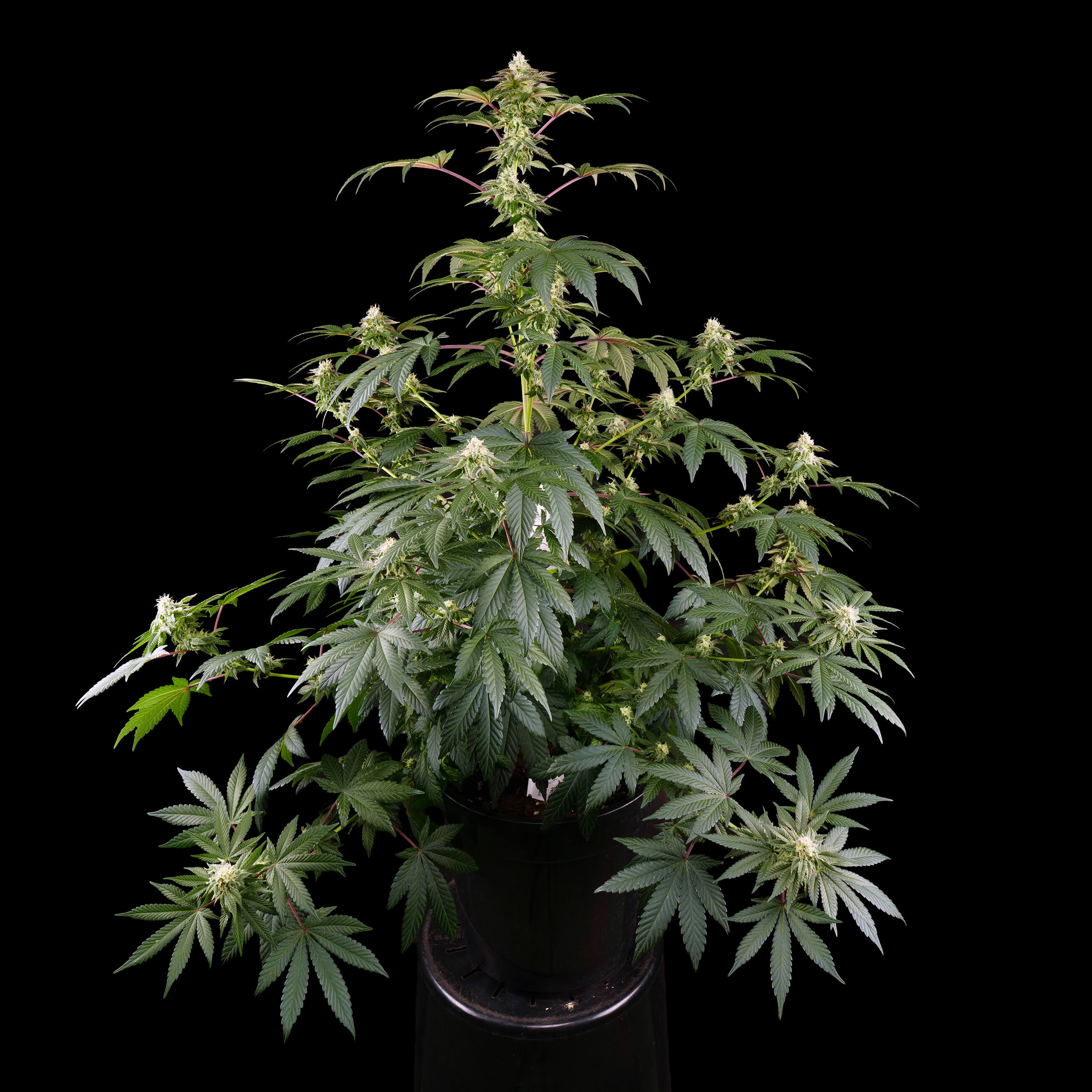
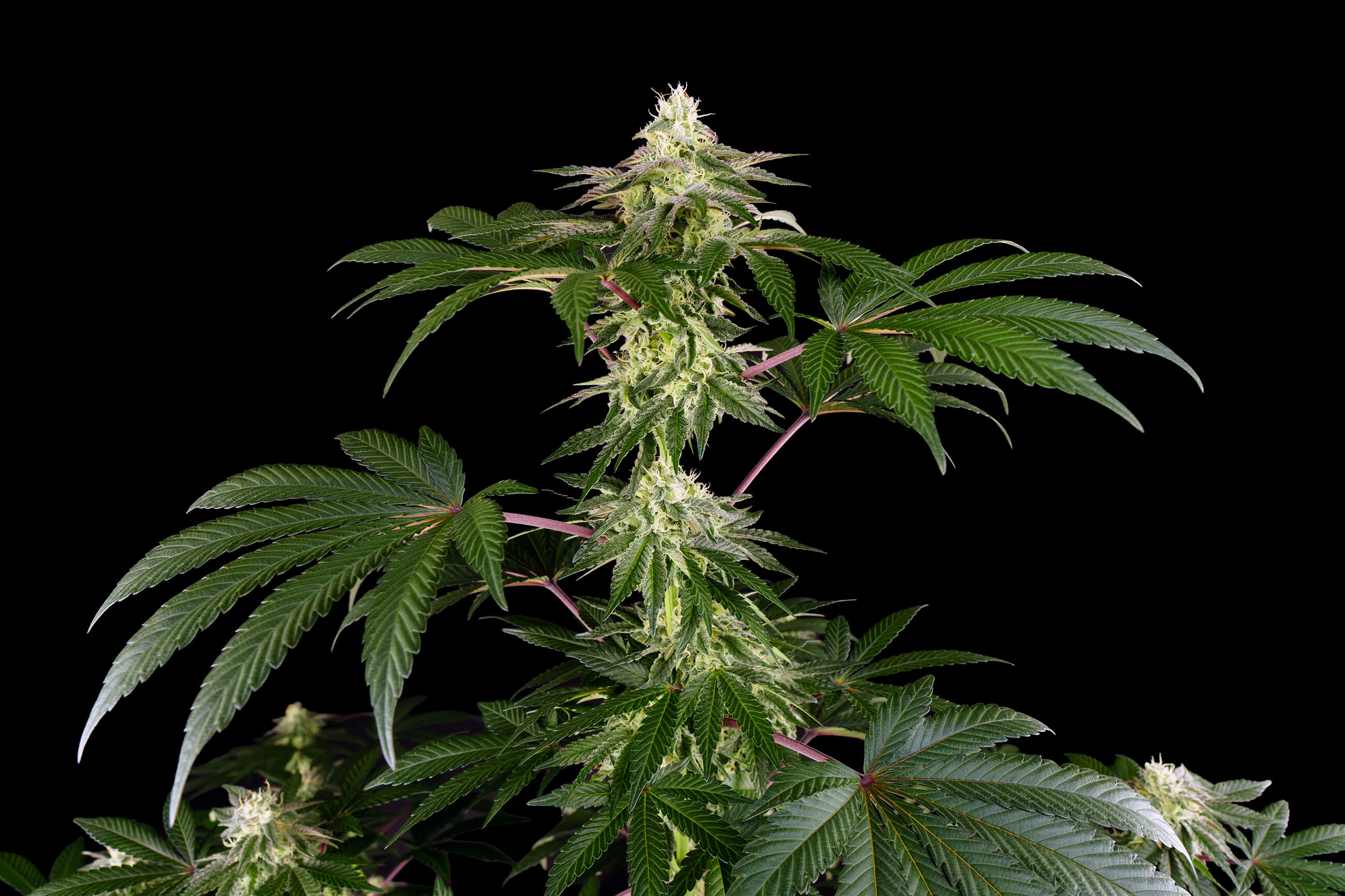
Weeks eleven and twelve saw a somewhat surprising amount of vertical growth as the main stem grew to a height of 80 cm. The main cola was developing nicely, while the secondary buds were all growing noticeably denser.
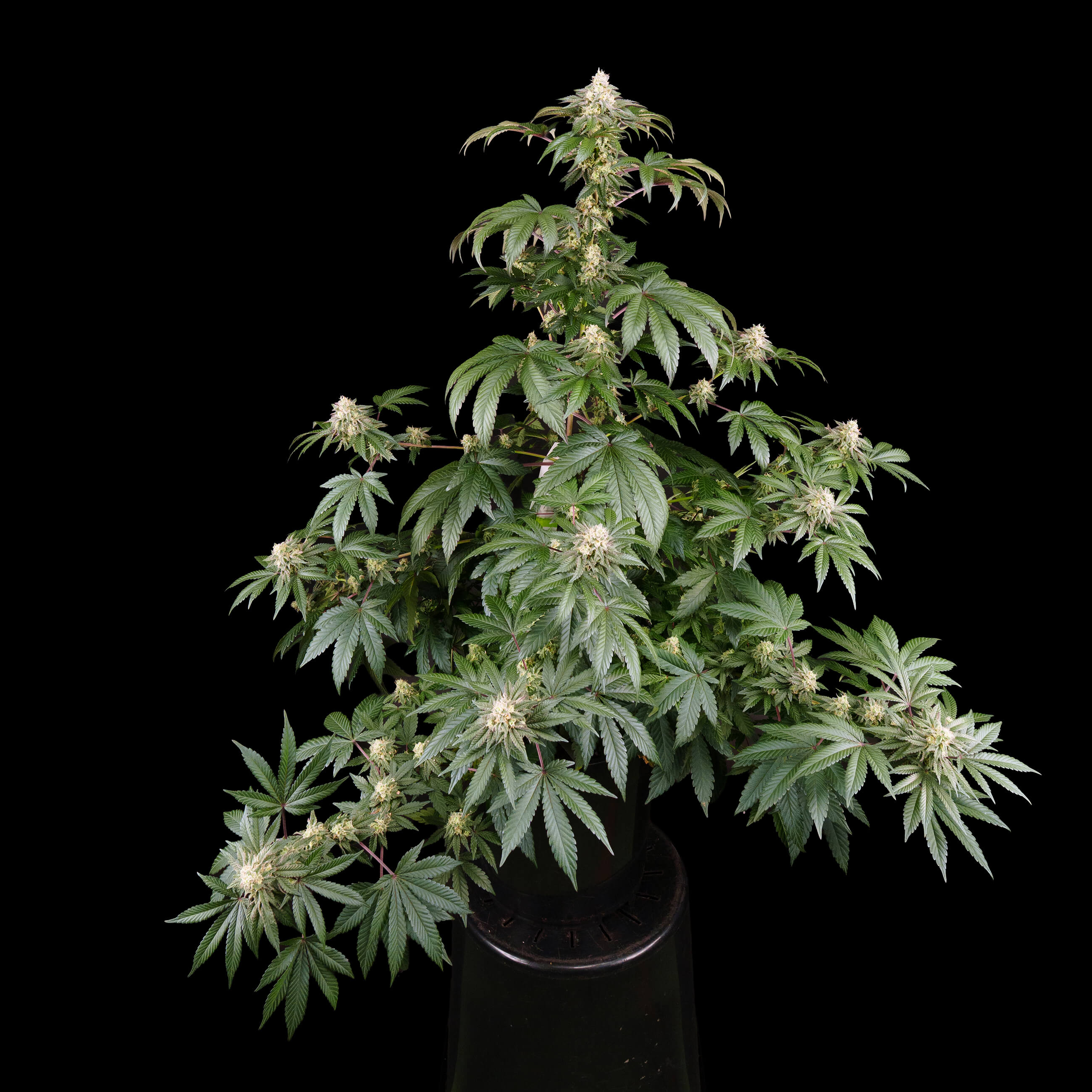
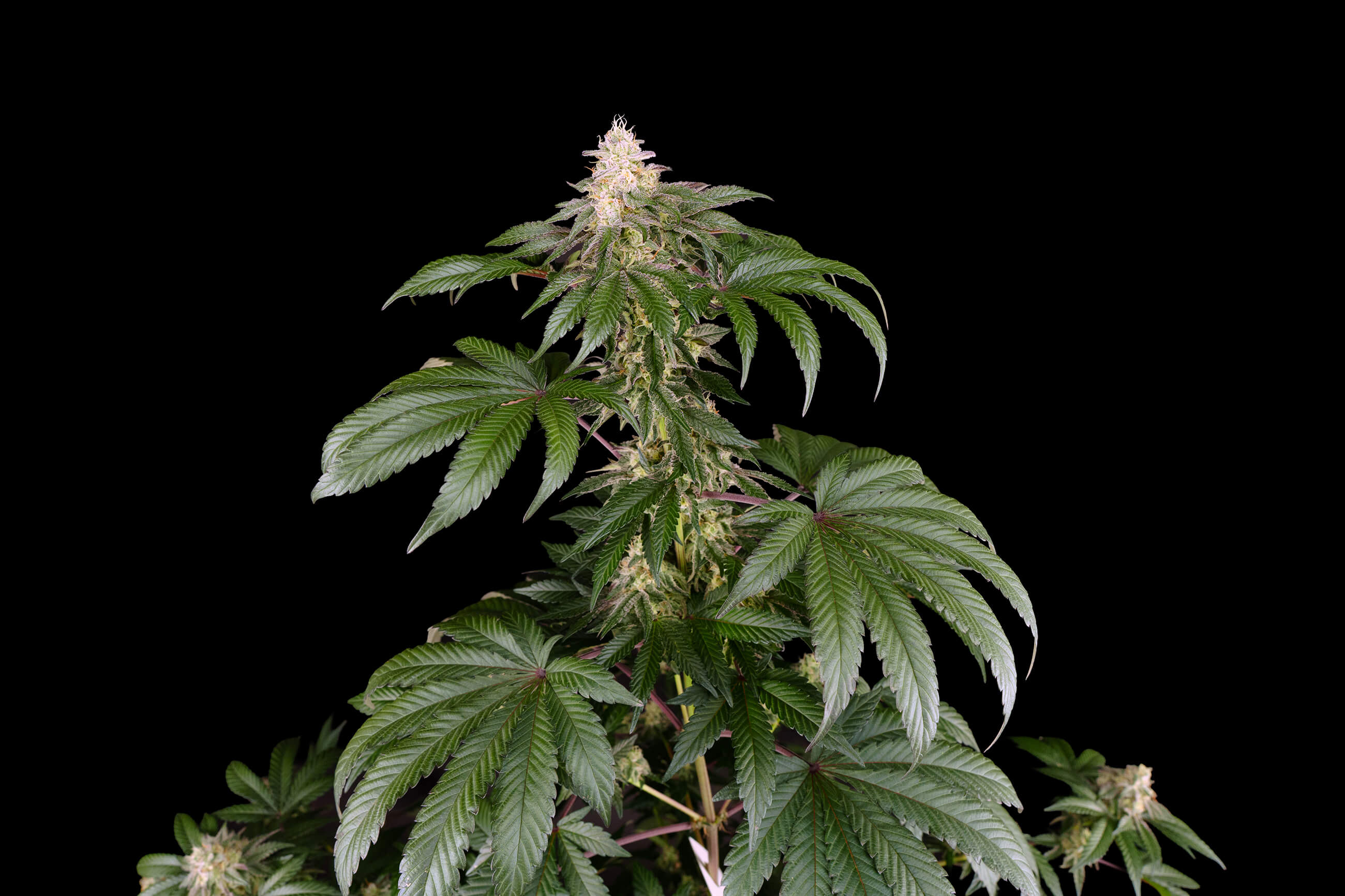
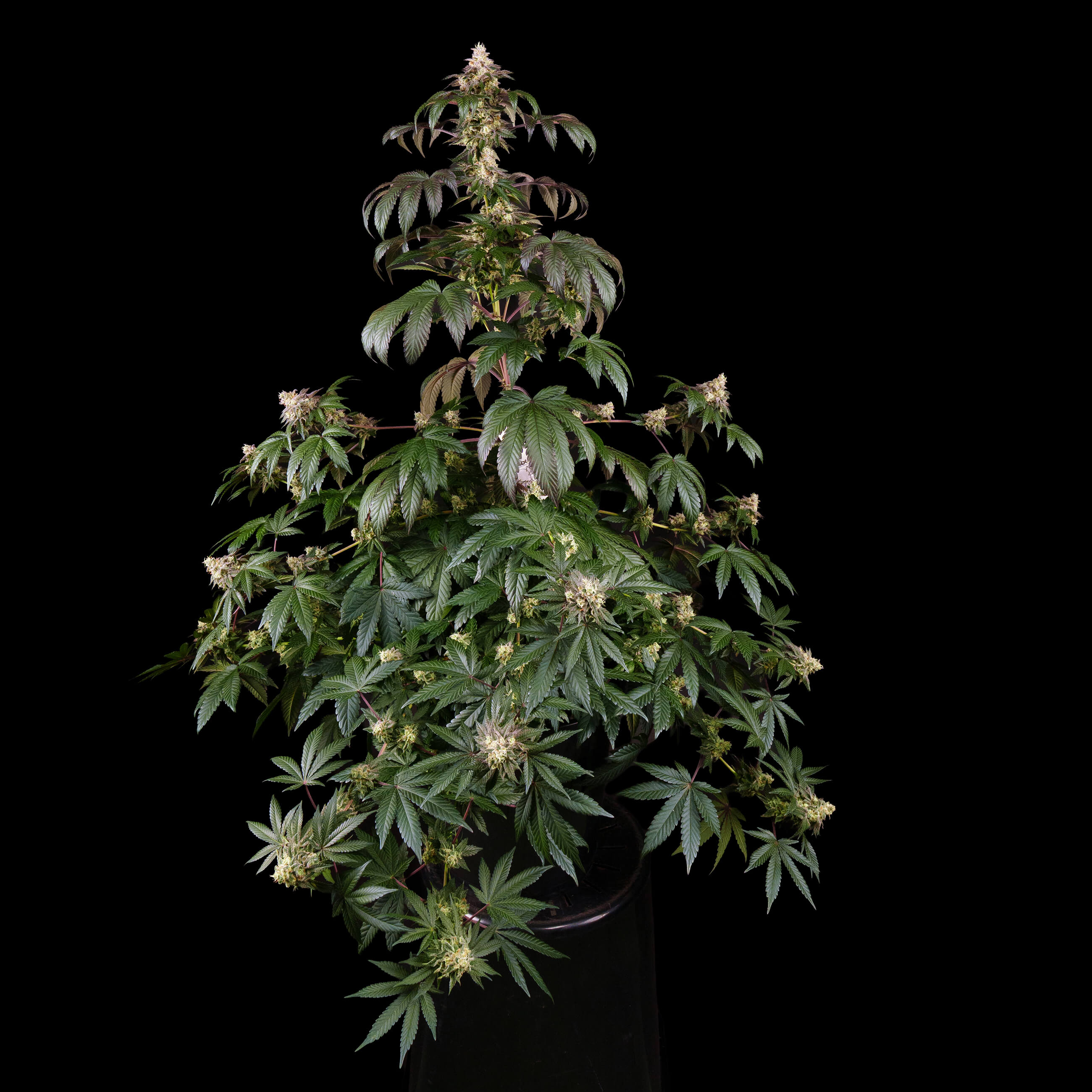
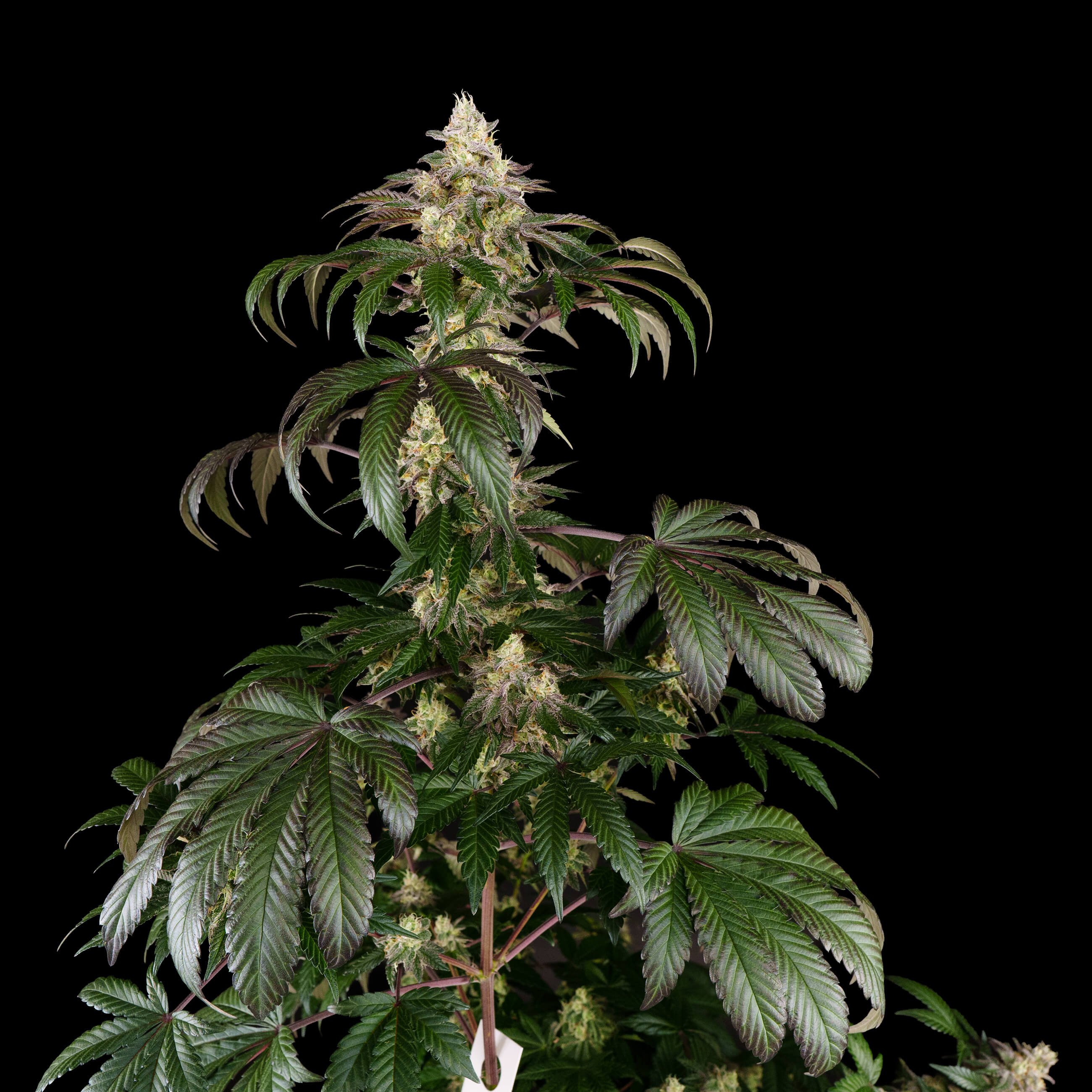
Over weeks thirteen and fourteen, our plant reached a height of 84 cm. The main cola had thickened considerably, and many lower branches were being pulled down considerably by the weight of their buds. The white pistils were rapidly turning orange, indicating that harvest was very nearly at hand.
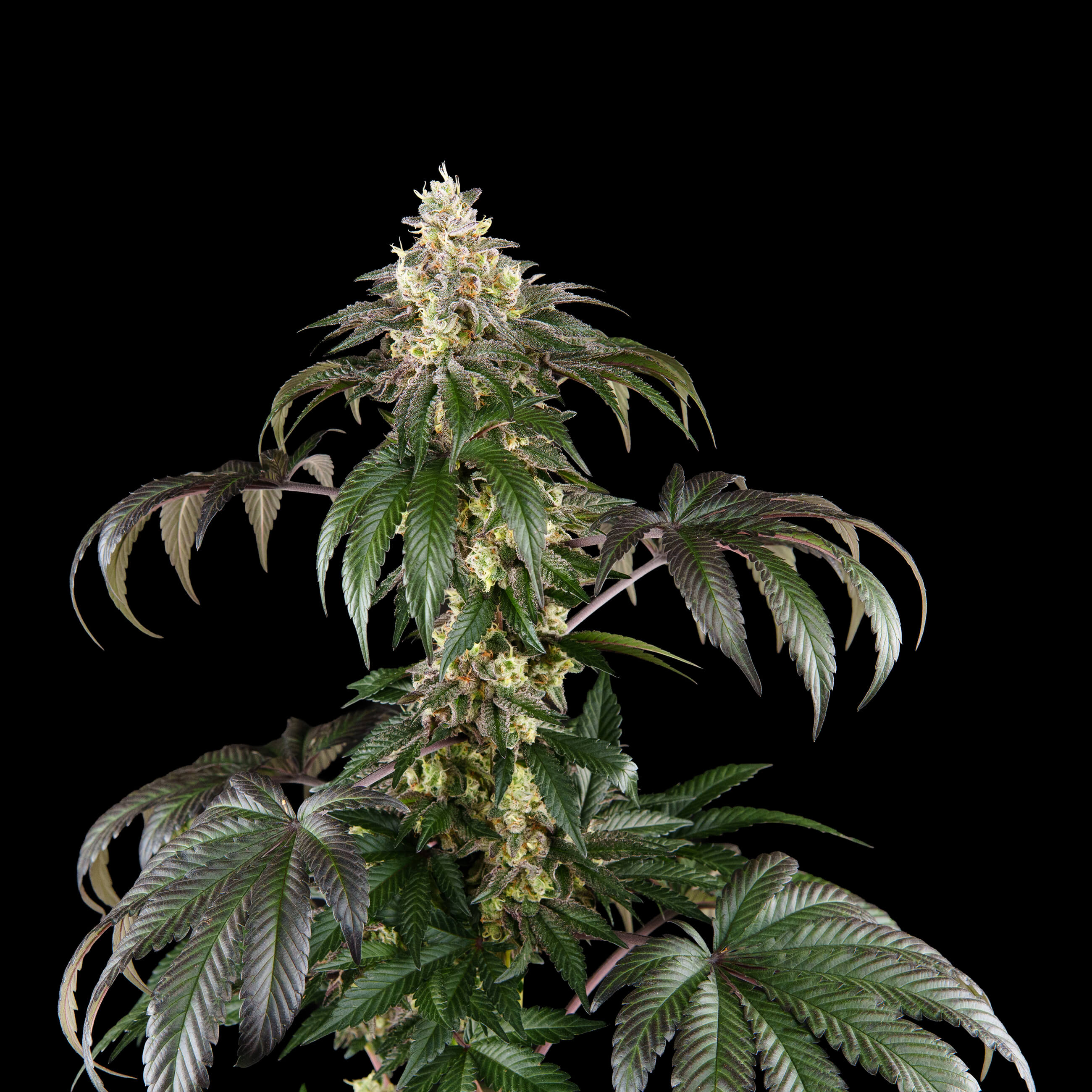
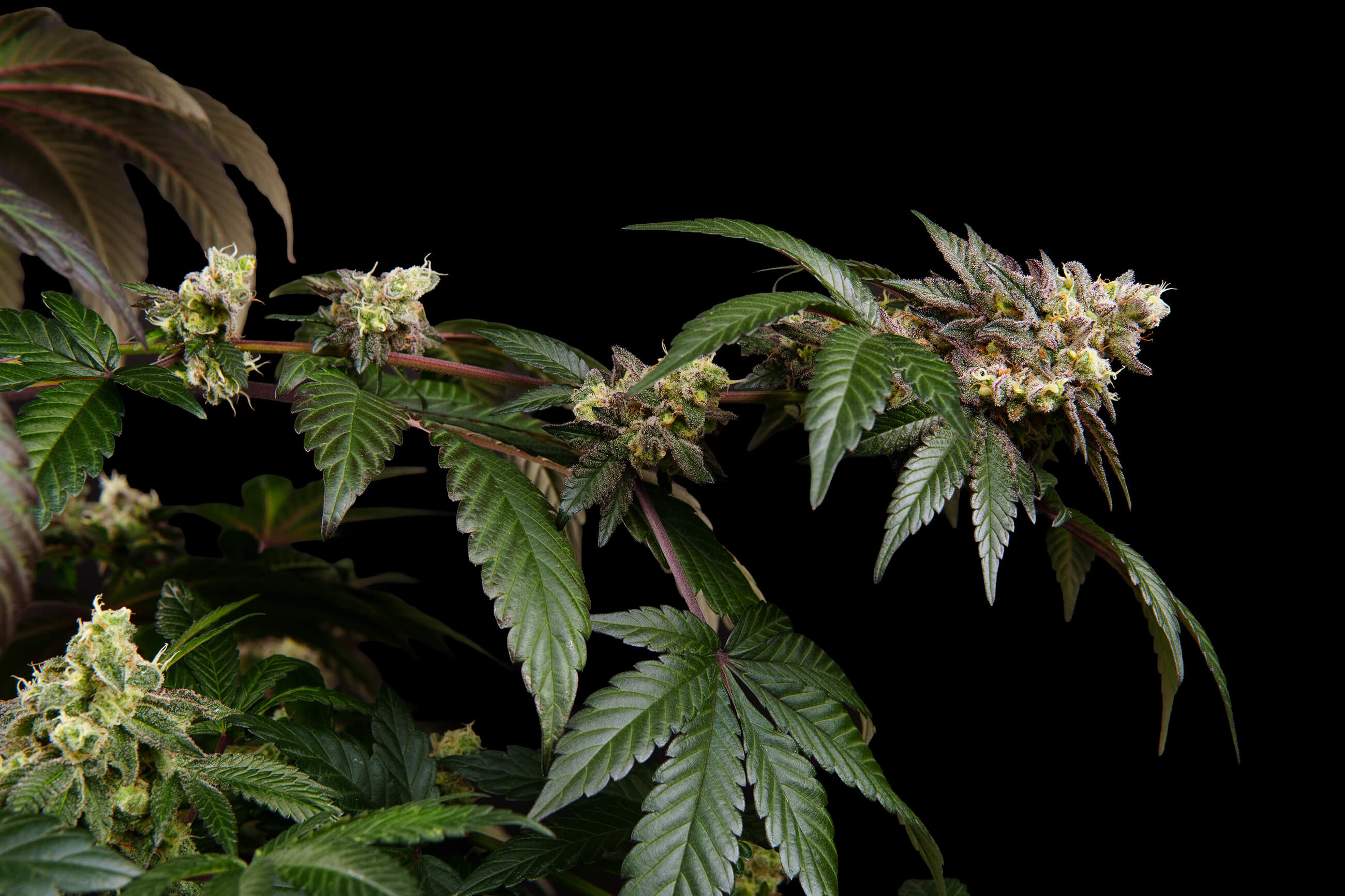
In week fifteen, we harvested our Jealousy Glaze Feminized cannabis plant.
Harvest
To harvest our Jealousy Glaze Feminized cannabis plant, we cut it down at the base and trimmed away any fan leaves. Next, we hung the plant upside-down to dry in a climate-controlled space (15.5°C; 50% humidity) until the smaller branches snapped when bent. This can take anywhere from one to three weeks, depending on the size of your plant and drying room.
Once dried, we removed the buds and trimmed off any remaining leaves. Trimming these buds was quite time-consuming, as they were rather leafy. We wound up with a fairly large number of smallish buds, which made the entire process take a bit longer than we’d anticipated. This, combined with this strain’s impressive resin production, made trimming Jealousy Glaze Feminized more of a chore than some other strains.
Once finished, the buds were put into glass jars for curing. For the first 24 hours, these jars were left open so that the bulk of the remaining moisture could evaporate. After the first day, the jars were sealed and “burped” several times a day, with the frequency gradually being reduced to once per day over the next several weeks. Typically, the curing process requires 4-6 weeks and is key to creating a smooth flavour in your final product.
In the end, we were able to harvest a respectable 93 grams of dried flower with a genuinely impressive THC content of 23.2%.
Related post

Terpene profile
As our Jealousy Glaze Feminized cannabis plant began flowering, we started to notice a rather potent, sweet tropical aroma dominated by notes of papaya, creamy dessert, and soft citrus undertones that blended into a fresh, attention-grabbing aroma.
Opening a jar of fully cured buds released a dense cloud of tropical, fruity notes, layered with creamy, buttery sherbet that created a smooth, dessert-like scent. The flavour perfectly captured these notes, as ripe papaya took the lead on the inhale before being followed by soft hints of creamy Gelato and finishing with a smooth tropical exhale lifted by a faint zesty citrus flavour that rounded things out.
The high from Jealousy Glaze Feminized was fairly balanced, though definitely leaned into the strain’s sativa lineage. Shortly after sampling, we began to feel a clear cerebral rush that was euphoric, uplifting, and noticeably social. As time went on, that initial energy gradually settled into a gentle body relaxation that stayed bright and functional, and never became overly sedative. The result was a long-lasting, mood-lifting high well suited to daytime use or unwinding at the end of a long day.
Related post

The outcome
While Jealousy Glaze Feminized might be a little slower than some other strains, it uses this time to build an impressive frame that growers can easily train to fit nearly any space. If you’re looking for a compact, productive plant and uplifting, energising buds, then you can’t go wrong with this one.
- Disclaimer:Laws and regulations regarding cannabis cultivation differ from country to country. Sensi Seeds therefore strongly advises you to check your local laws and regulations. Do not act in conflict with the law.
