


In this report, we’ll detail our Tangerine Sugar Feminized grow. This 70% sativa is a cross between a California indica, Skunk #1, and Sensi Skunk. Growing a sativa indoors can be a challenge but this plant was a breeze from start to finish. With a manageable height and a moderate yield, this is a top contender for anyone looking to grow an indoor sativa.
Total growing time: 94 days
Flowering time: 73 days
Final height: 101 cm
Final yield: 116 grams
THC content: 19.3%
We grow our Tangerine Sugar Feminized cannabis plant in an 8-litre plastic pot filled with BAC Lava mix in a climate-controlled room. With our 1000 W Phillips GreenPower HPS lamp hanging three metres off the ground on an 18/6 schedule, we were able to maintain a daytime temperature of 23°C (nighttime temperatures dropped to 21°C) with a relative humidity of 65% during vegetation.
Related post
Germination & seedling
As always, the first step of any grow involves germinating the seed and we used the tried-and-true Paper Towel Method. Not only is this the fastest and most reliable technique but it only requires a few basic household items: paper towels, a plate, and a plastic bag.
We simply folded up a couple of paper towels and wetted them with about 30 ml of water; they should be damp but not soaked. Next, we put our seed in the centre and covered it with another damp paper towel. Finally, this was all placed into an open plastic bag and left to sit for a day or two. After a little more than 24 hours. Our seed had cracked open and a small, thin, white taproot was sticking out.
We took our freshly germinated seed, planted it into a pre-soaked Rockwool cube, placed it under a 600 W LED light, and left it for a few days. At this stage, seedlings are extremely delicate and too much light, heat, or water too soon could kill them off before they take root. After three days, we gave our plant its first feeding with 100 ml of pH-balanced water (pH 6.2; EC 0.8) mixed with a small dose of rooting hormone.
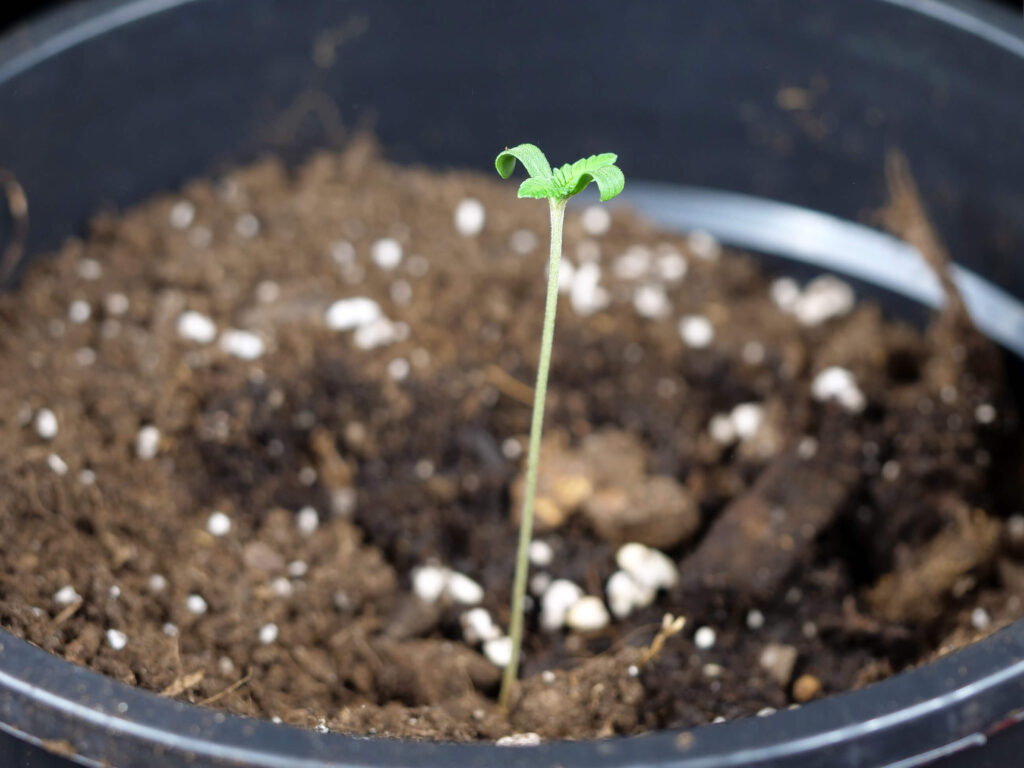
By the end of week one, our seedling’s roots were growing out of the bottom of the Rockwool cube and we transferred it to our 8-litre plastic pot and set it under our 1000 W light. By now, our plant was already 9 cm tall with a set of tiny pre-leaves on top of the thin, straight stem. This week, we began giving our seedling daily waterings with 100 ml of water (pH 6.0; EC 1.4) mixed with Bio Grow Liquid nutrients.
Vegetation
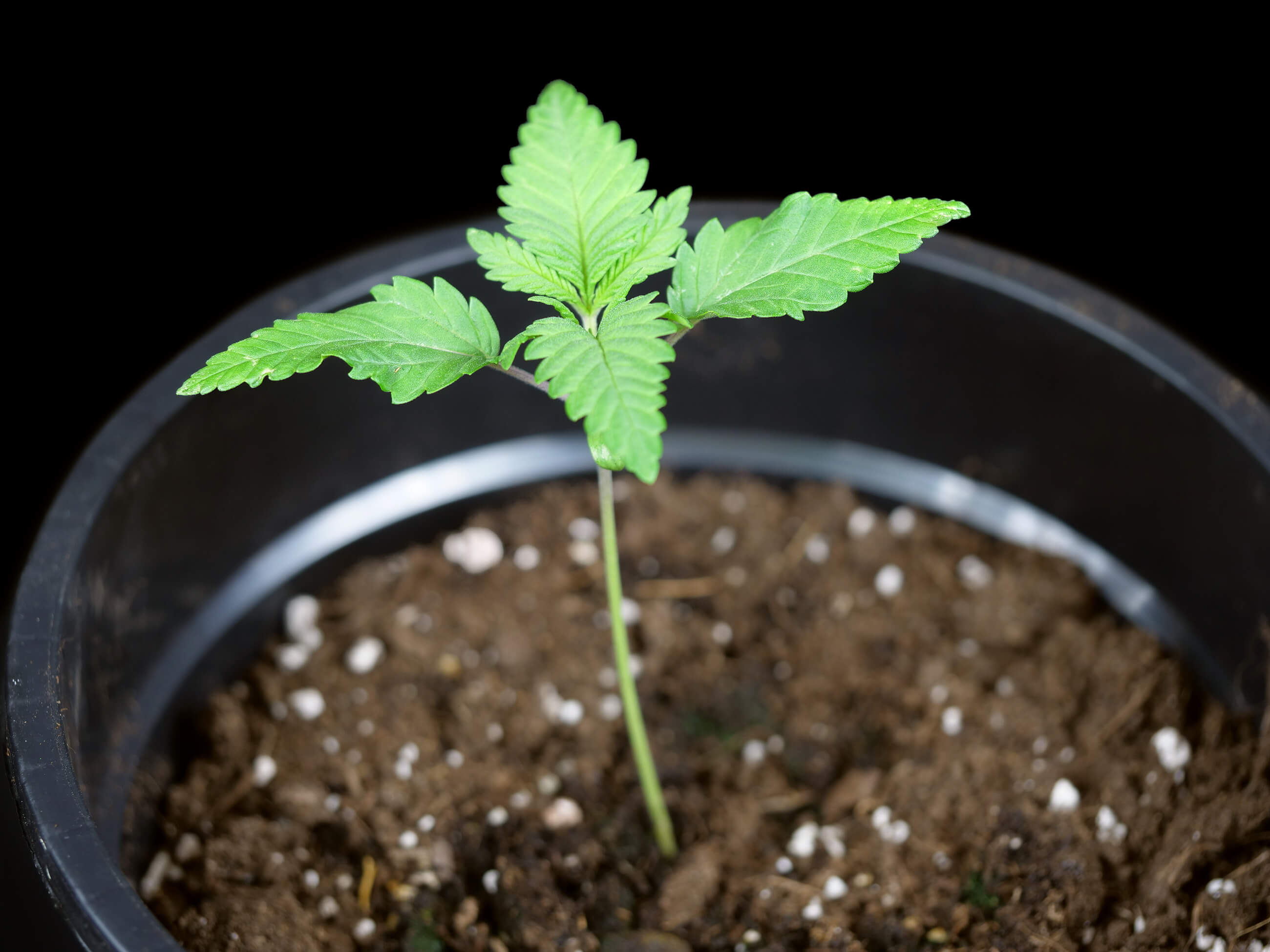
As we made our way through week two, our plant nearly doubled in height to reach 17 cm tall. This week also saw the first set of true leaves grow in as the stem thickened slightly. Now that things were really moving, we doubled the daily feedings to 200 ml of water.
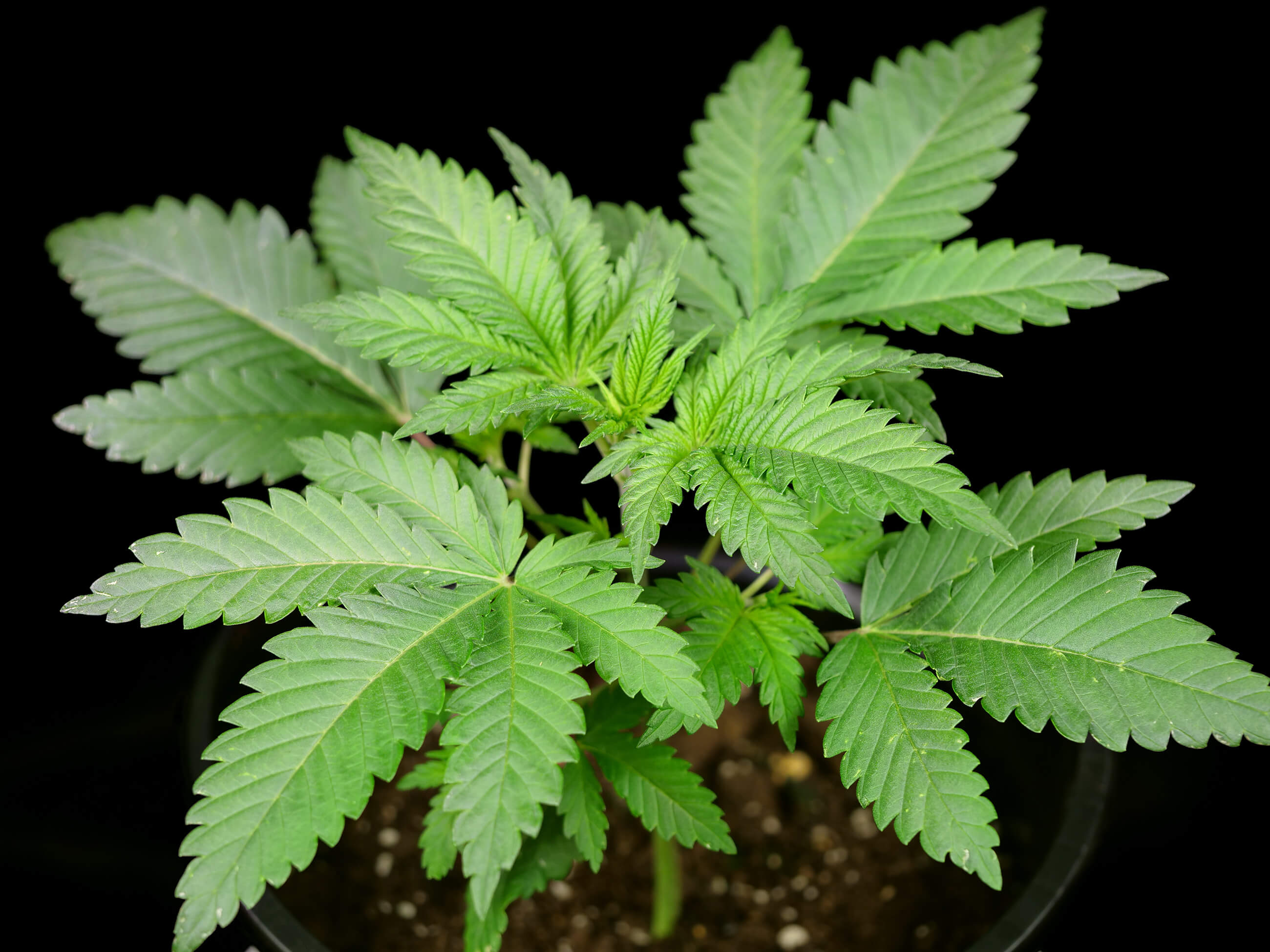
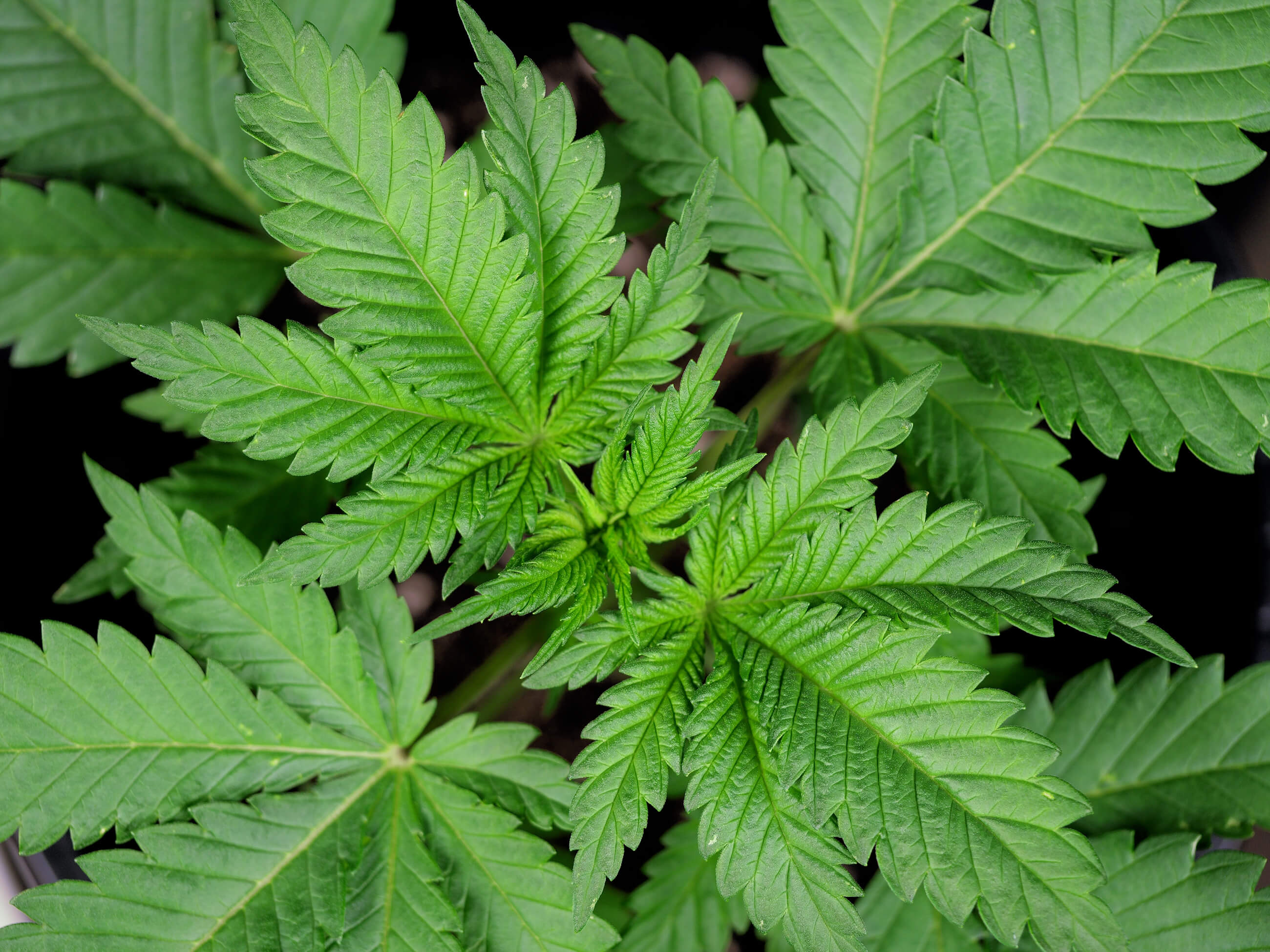
In week three, our plant shot up to 28 cm tall and sprouted multiple sets of new leaves and the first lateral branches began to appear. Internodal spacing at this stage was moderate, though stretching quickly even at this young age. With the switch to flowering just around the corner, we once again doubled the volume of daily water to 400 ml.
The final step before flowering was to hang several small satchels of Neoseiulus californicus and Amblyseius swirskii from the plant’s lowest branches. It’s no secret that several pests like spider mites and thrips call cannabis plants home and—if left unchecked—can destroy even the healthiest plants. Well, these little satchels contain hundreds of tiny creatures that hunt down these pests without harming our plant. We replace these satchels every four weeks to ensure a fresh supply.
Flowering
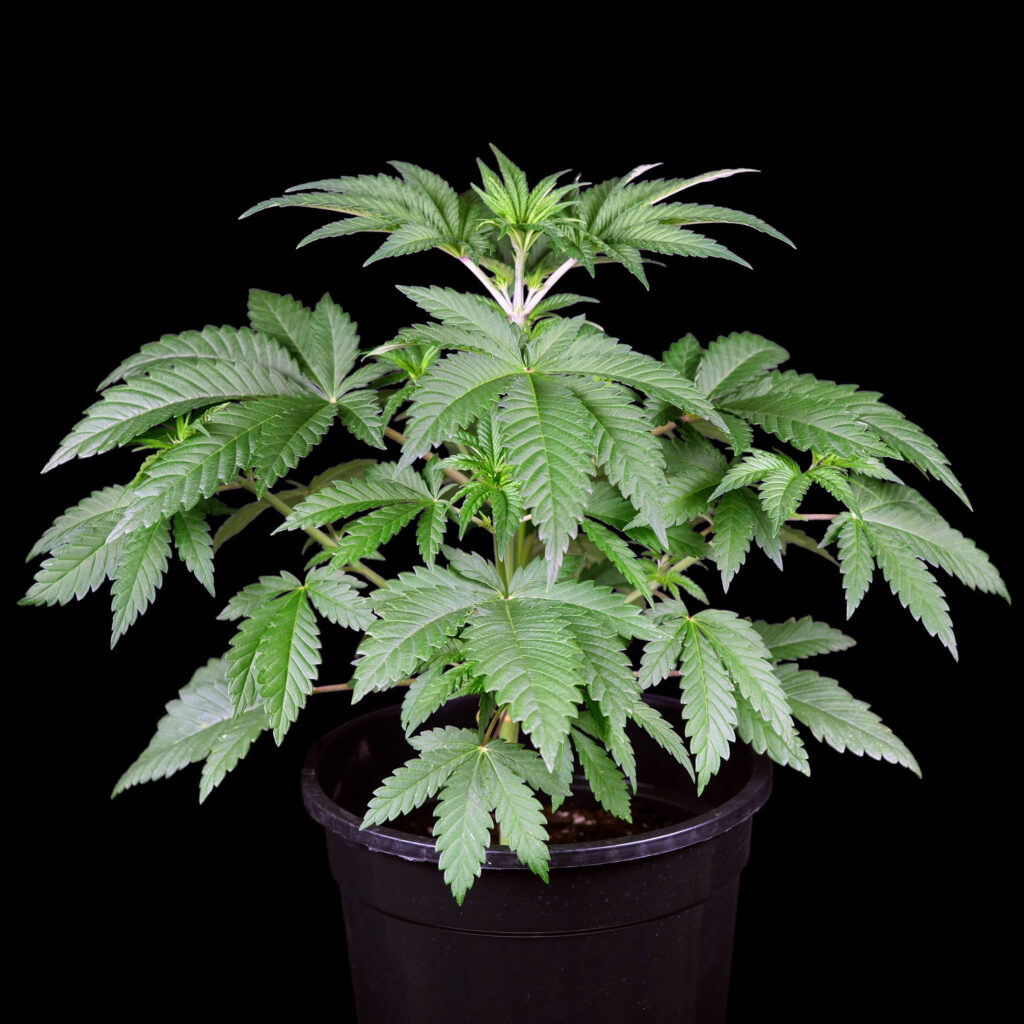
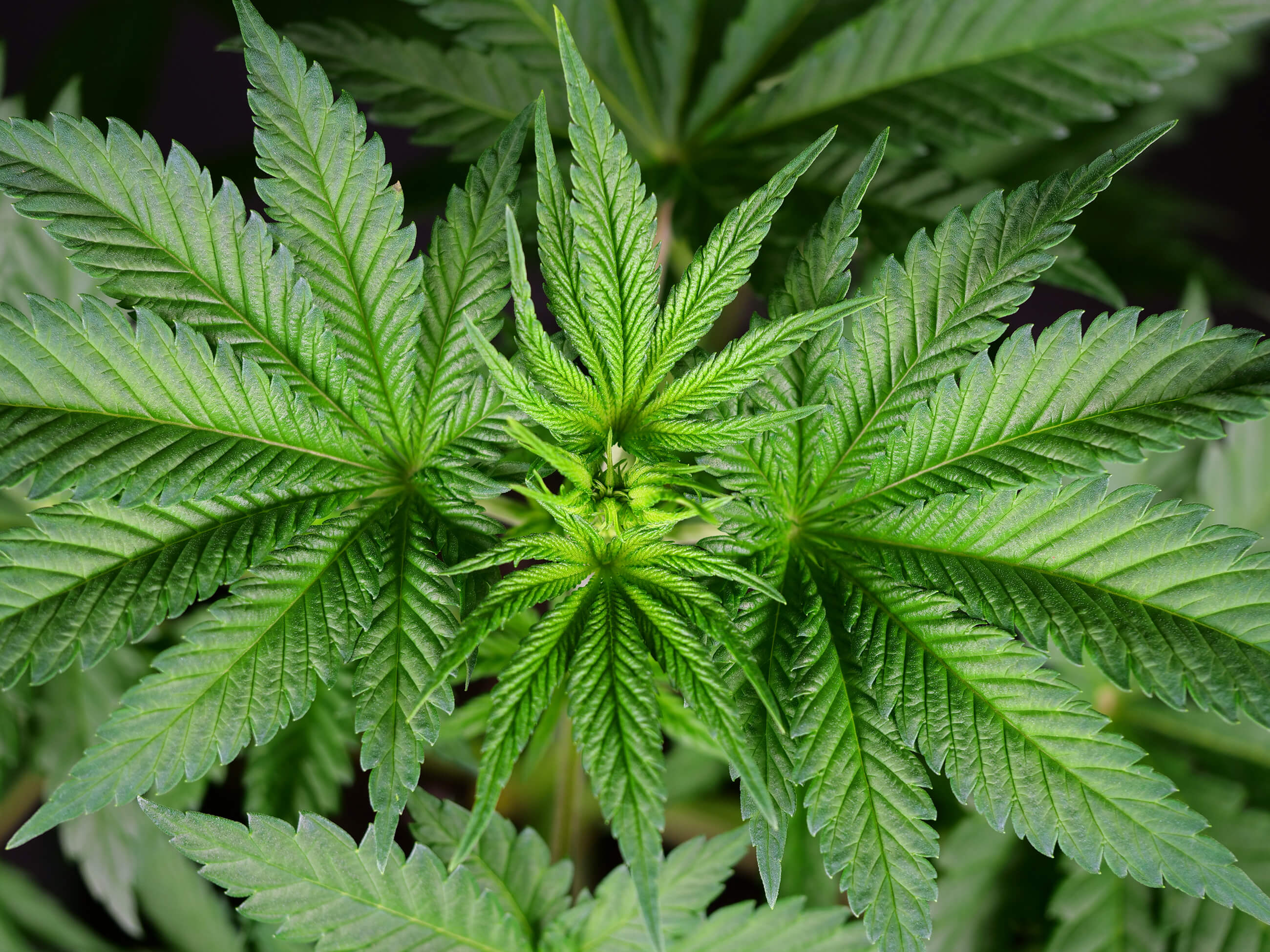
In week four, we flipped our plant to flowering by switching the lights to a 12-hours-on-12-hours-off schedule and altering our feeding habits. This week, we switched to Bio Flower liquid nutrients and began giving our plant 800 ml of water (pH 6.0; EC 1.8) each day. Additionally, we lowered the relative humidity to 60%. By the end of the week, our plant had exploded to a new height of 43 cm. The internodal spacing was still stretching and the lowest branches were about half the height of the main stem.
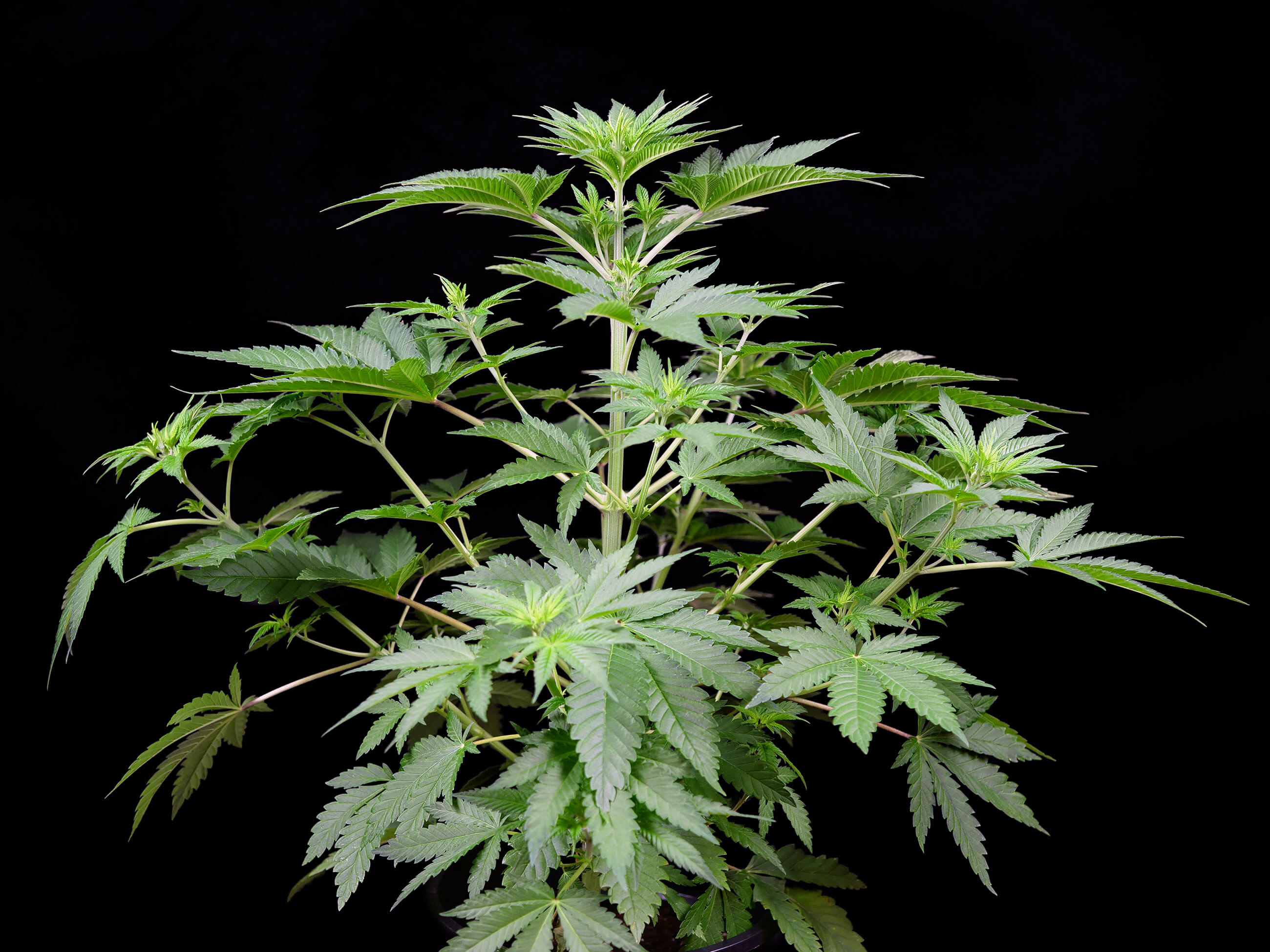
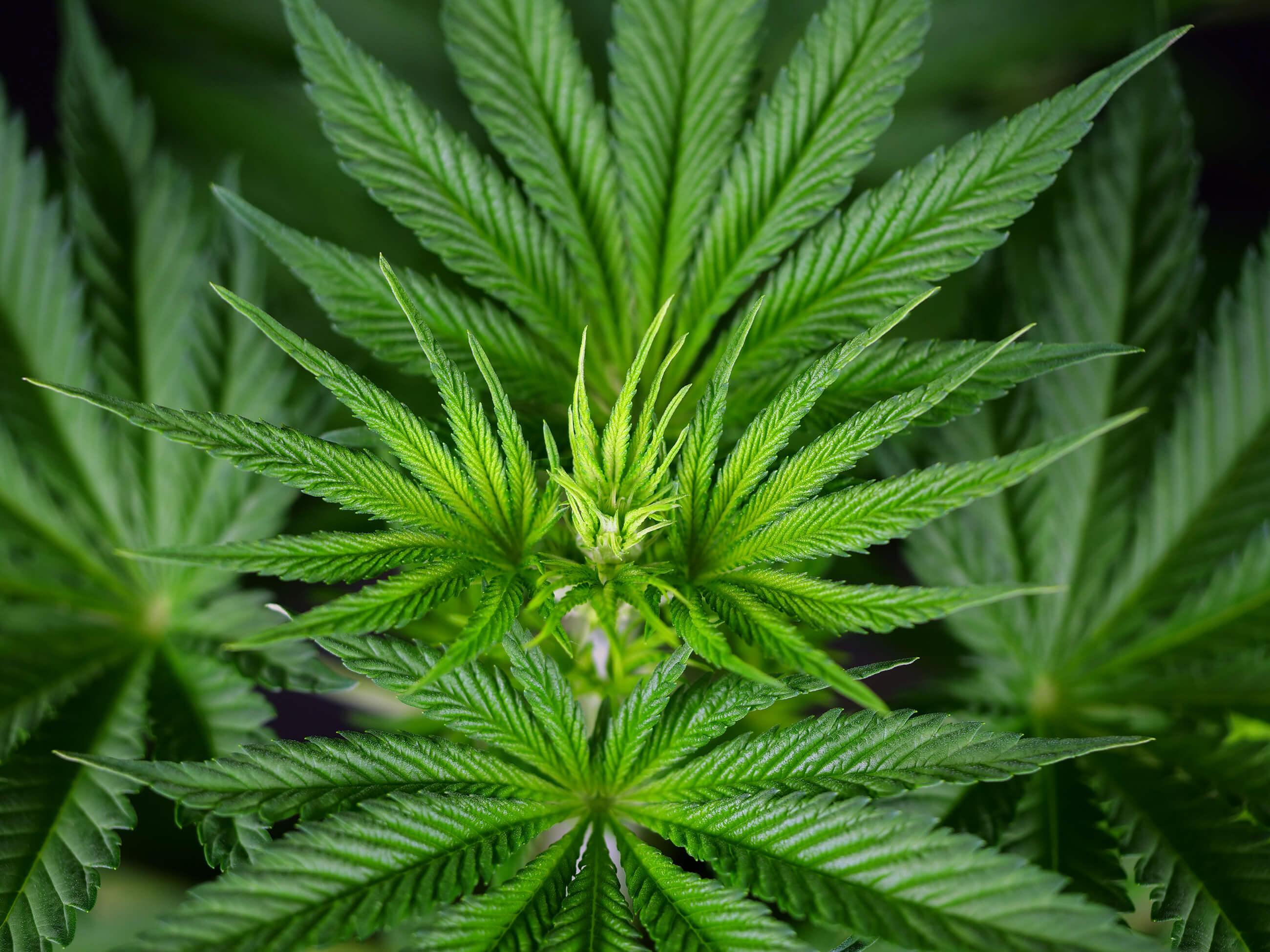
Week five saw our plant reach a new height of 56 cm as the entire plant continued to stretch in a classy sativa-like growth pattern. The lateral branches were about 80% the height of the plant and the vegetation was lush and healthy. With flowering expected to properly kick off any time now, we once again upped our daily feedings to 1000 ml.
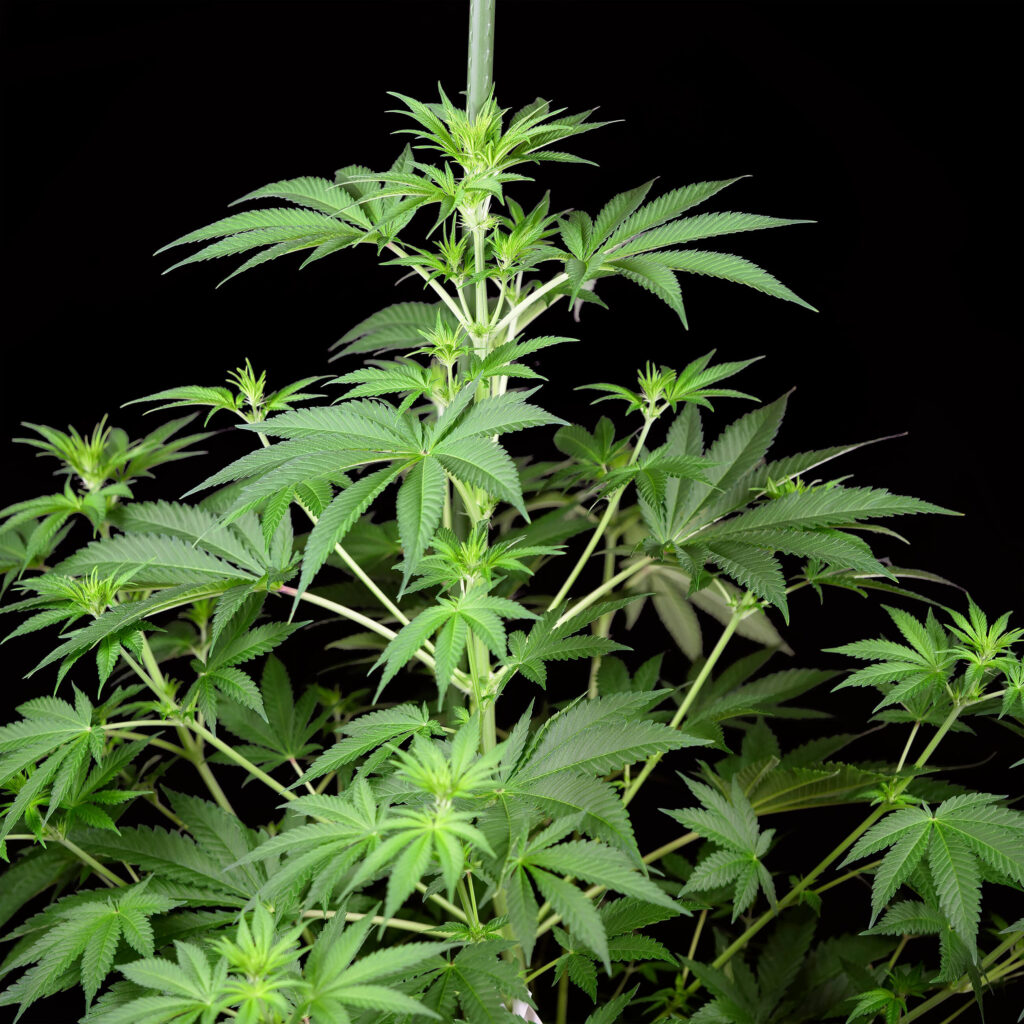
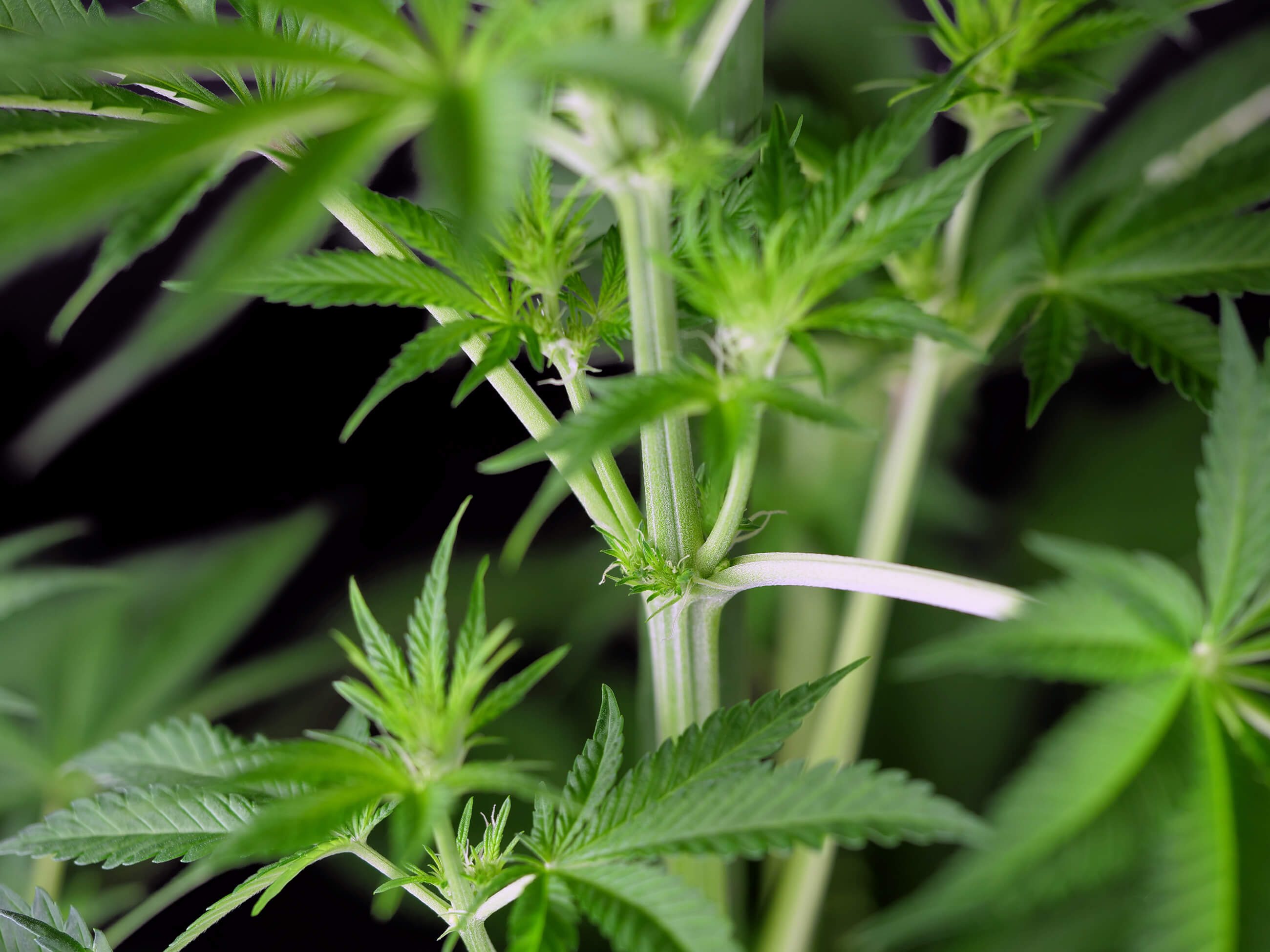
In week six, our plant grew to 63 cm and was beginning to show the very first signs of flowering as small white hairs appeared at the inner nodes and tops of branches. These skinny sativas can be prone to leaning under their weight and we felt it was wise to add a single support rod to the main stem to prevent this before it became a problem. Lastly, we increased daily feedings to 1500 ml; this would remain the case for the rest of the grow.
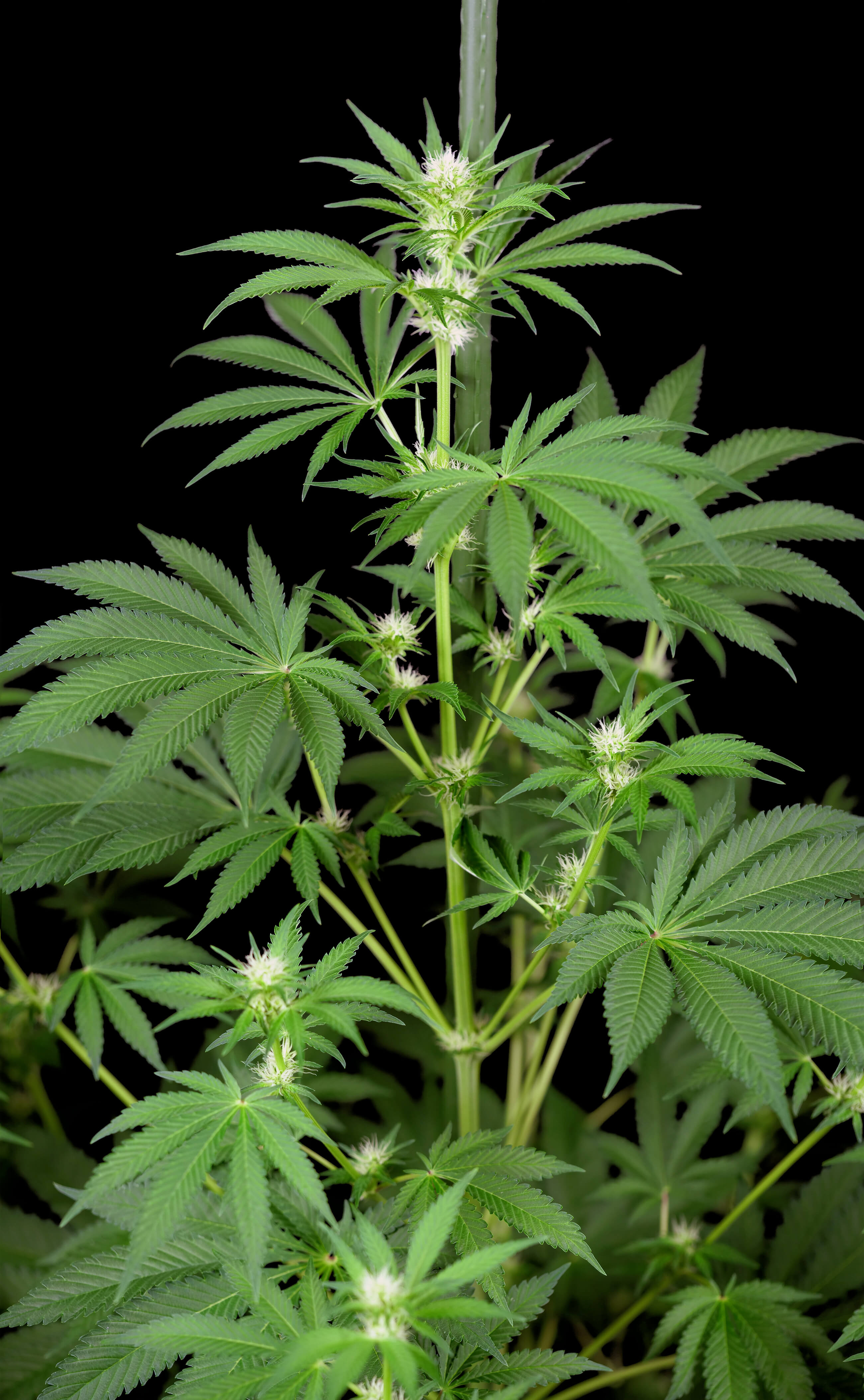
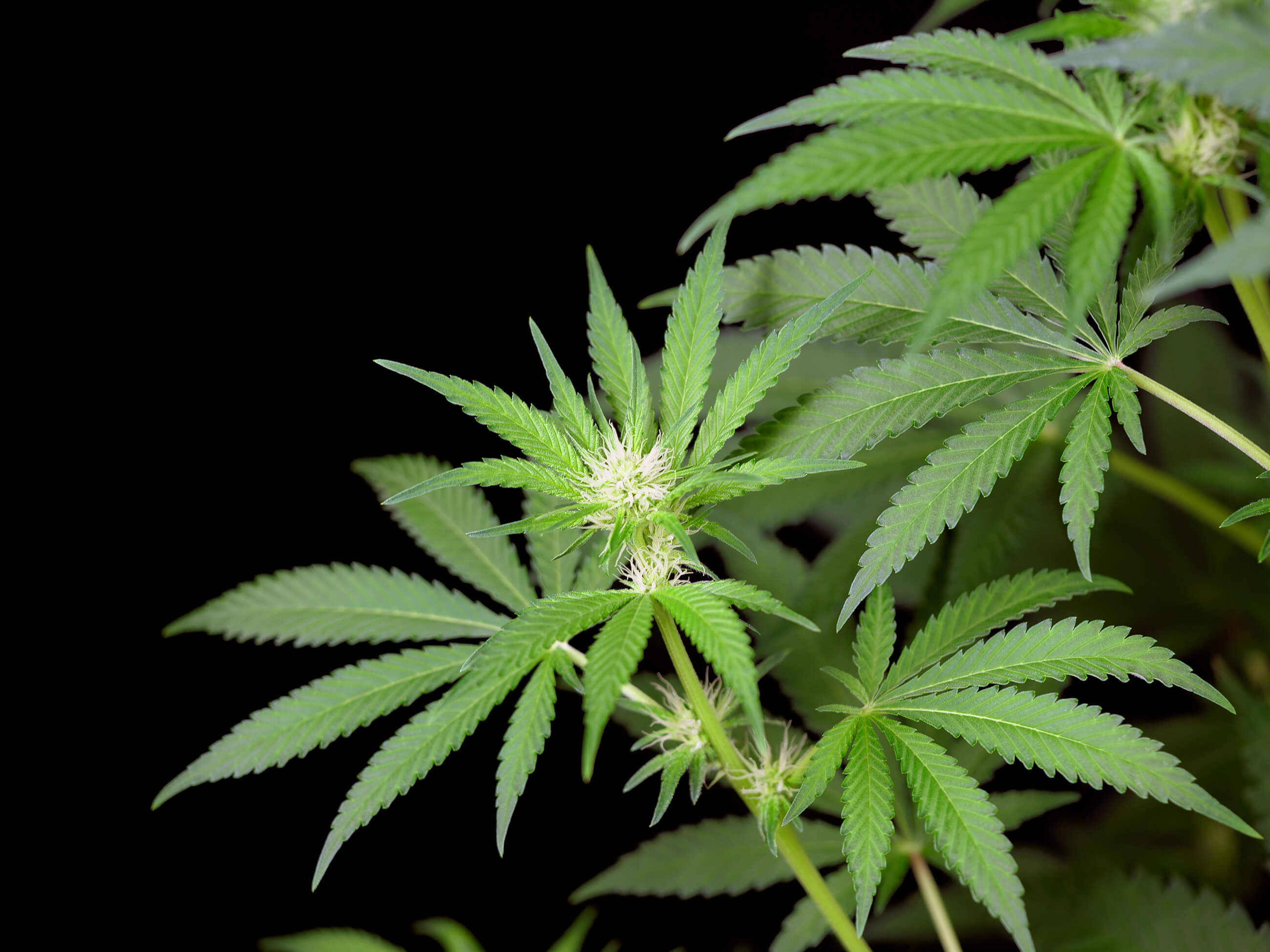
Over week seven, our plant reached a height of 72 cm and flowering kicked off in full force. By the end of the week, every flowering site was growing a small cluster of white hairs. The plant was still stretching considerably with the main stem now standing well above the lower canopy. Overall, the plant was developing into a fairly standard Christmas Tree shape.


Week eight saw our plant grow another 9 cm to a new height of 81 cm. This was mostly due to continued stretch but was also a result of the main cola developing further. At this point, everything was on schedule for a timely and bountiful harvest.
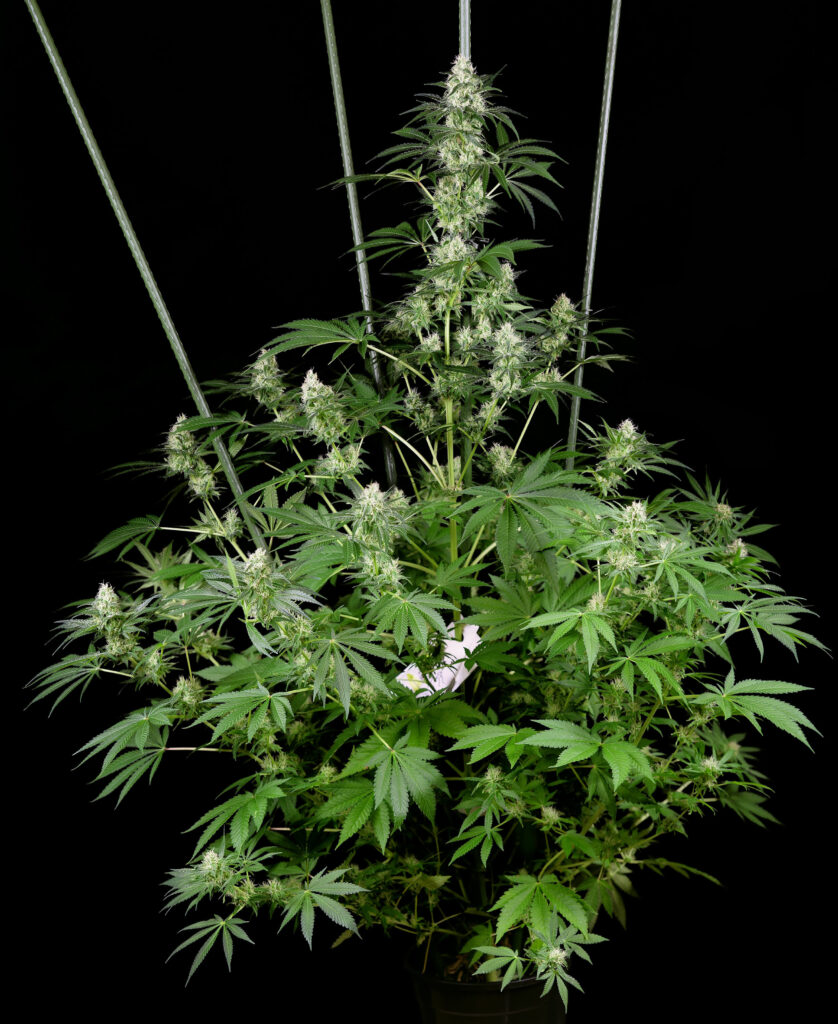

In week nine, our plant’s growth continued to slow down as it gained only 6 cm of height to stand at 87 cm. This slowdown of vertical growth was accompanied by an explosion of floral development as each branch was now sporting large, heavy buds which were causing the branches to bend under the weight. The main cola was now covering the entire top third of the plant.
By the end of week ten, our plant had grown to 92 cm tall and we needed to add several more support rods to the lateral branches which were at risk of snapping under the weight of their buds. These buds were still growing larger and denser with each passing day and harvest was gradually approaching. To help prevent any mould at this late stage, we again reduce the humidity to 55%.
Over weeks eleven and twelve, our plant reached its maximum height of 101 cm and was rapidly ripening. We were beginning to see the white hairs rapidly turning orange and the trichomes were slowly shifting from clear to milky to amber. There was nothing left to do but wait for everything to finish on its own schedule.
By the end of week thirteen, our plant’s leaves were slowly turning yellow and most of the trichomes had turned orange. There was nothing left to do but harvest our plant.
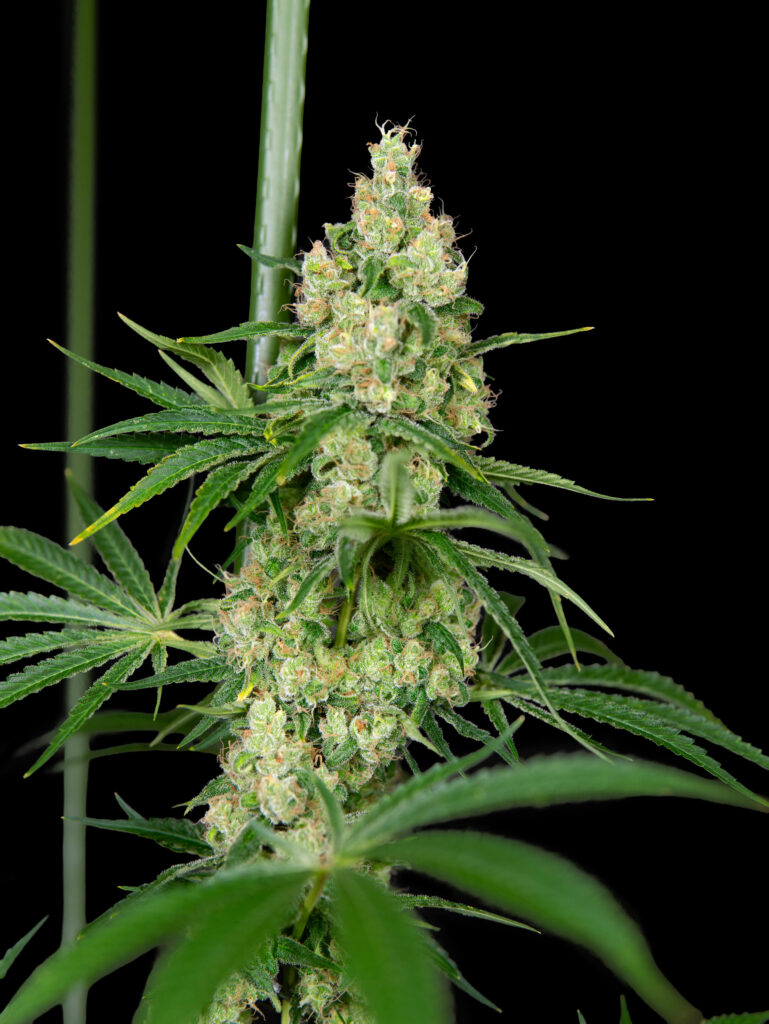
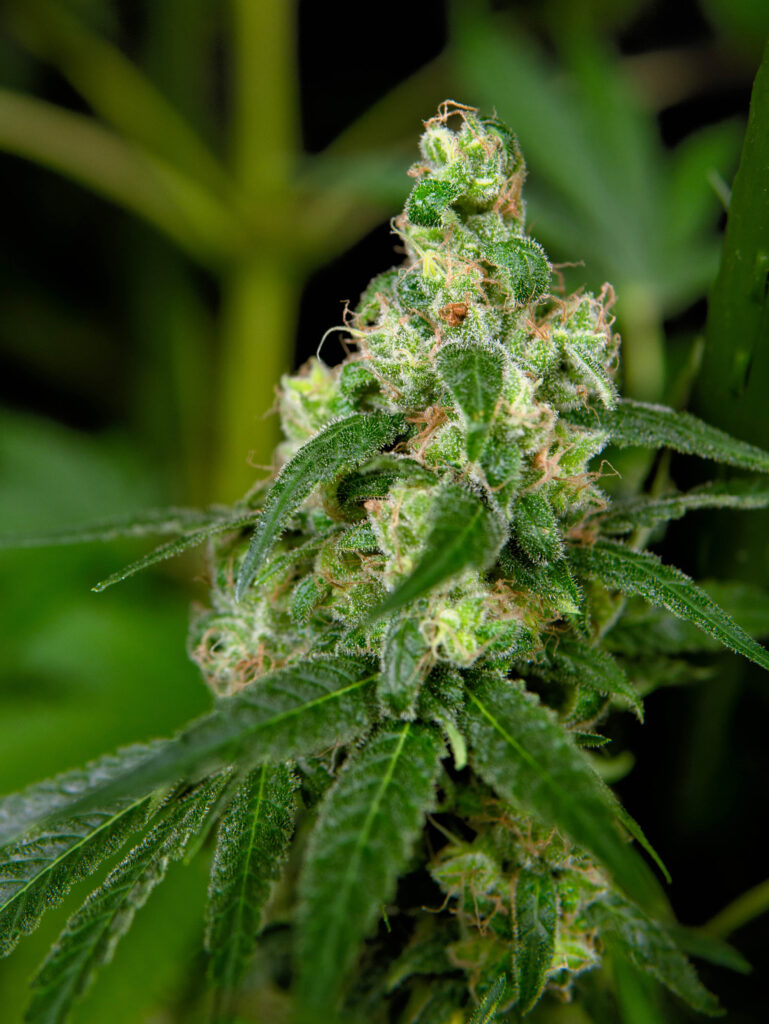
Finally, in week fourteen, we harvested our Tangerine Sugar Feminized cannabis plant.
Harvest
To harvest our Tangerine Sugar Feminized plant, we began by cutting it down at the base and removing any fan leaves. Next, we hung it upside-down to dry in a climate-controlled drying room with a consistent temperature of 15.5°C and a relative humidity of 50%. We left it here until the plant’s smallest branches snapped when bent—typically this requires 10-20 days.
Once dry, we removed the buds for trimming and curing. Trimming the sugar leaves from our plant wasn’t too much of a chore; the buds were large, dense, and not overly leafy. Once cleaned up, we put the flowers into glass jars to begin the curing process. For the first 24 hours, we left the jars open to allow as much moisture to evaporate as possible.
After a day, we sealed the jars and placed them somewhere dark and cool and we “burped” them multiple times per day for an hour at a time. Gradually, we reduced the frequency of these burps to once per day until the buds were sufficiently dry. This entire process takes 4-6 weeks and cannot be rushed if you care about flavour and overall experience.
Once everything was done, we were able to harvest 116 grams of dried flowers with a THC content of 19.3%.
Terpene profile
During the last week or two of flowering, our Tangerine Sugar Feminized plant began to give off a fairly subtle floral scent with hints of zesty lemon. The smell was noticeable but hardly overwhelming. Combined with the plant’s shorter stature, this is a great choice for privacy-minded growers. Once cured, the buds gave off a pleasantly sweet/skunky aroma with lemon and sandalwood notes.
These scents are all present in the flavour as well as tropical citrus takes centre stage. Of course, tangerine is the dominant note here, but a refined palate can also pick up notes of lemon, grapefruit, and lime mojito.
As for the effects, they come on fast and linger for longer than you might expect. As a 70% sativa, the high is largely what one would expect; cerebral, uplifting, and creative. If you’re feeling especially productive, this strain is a great choice.
Related post

The outcome
Many indoor growers struggle to find good sativas that don’t require a ton of space. Tangerine Sugar Feminized is a fantastic choice for anyone who wants a relatively compact plant that still produces high-quality distinctly sativa buds. While it might have a hard time competing with more indica-dominant strains when it comes to yields, the buds are an amazing addition to any grower’s stash jar.
- Disclaimer:Laws and regulations regarding cannabis cultivation differ from country to country. Sensi Seeds therefore strongly advises you to check your local laws and regulations. Do not act in conflict with the law.
