



The legalisation of cannabis in Germany has led to positive changes in different fields. The black market has shrunk significantly, and the workload of justice has been substantially reduced thanks to a massive decline in cannabis-related criminal procedures. And according to a first evaluation, adolescent cannabis use has decreased despite legalisation.
Table of contents
- Germany two years after legalisation: What has changed?
- A first evaluation of the effects of legalisation has yielded positive results
- There’s been no significant increase in cannabis use
- The black market is rapidly losing significance
- The report sees no need to lower the limits for personal possession
- The CDU strives to forbid online prescriptions and mail-order business
- The discontinuation of online prescriptions would lead to a supply gap and revive the black market
- What are the chances that the MedCanG will be tightened?
- The government blocks pilot projects for licensed recreational cannabis shops
- Other positive developments initiated by legalisation
- A lot of benefits for the cannabis seed business
- The medical cannabis market is booming
- Social stigmatisation of cannabis has diminished
- The German media coverage of cannabis has become more positive
- In spite of it all, the public opinion in Germany about cannabis is still divided
A first evaluation of the effects of legalisation has yielded positive results; nevertheless, the CDU seeks to ban online prescriptions and mail-order business.
Germany two years after legalisation: What has changed?
Two years after the legalisation of cannabis in Germany, it can be said that the downfall of the West has not happened. Legal cannabis hasn’t turned “half of Germany into addicts”, the state hasn’t become a ‘drug tourism country’, nor is there a ‘brutal gang warfare’ going on. Such a gloomy scenario, the Christian Democratic Union (CDU) had outlined before the 2024 election and announced it would reverse legalisation if it were part of the next government.
A first evaluation of the effects of legalisation has yielded positive results
After the CDU had won the election, though, the party failed in recriminalizing cannabis thanks to the opposition of its coalition partner, the Social Democratic Party (SPD), which had previously enacted legalisation together with the Green Party. Instead, the new coalition agreed to have the social effects of legalisation evaluated several times by an independent expert commission over the coming years and then decide on whether to abolish or just amend the law.
Last September, the commission presented a first intermediate evaluation report. The good news is that after their first evaluation, the commission’s scientists didn’t see an urgent need to adjust the new Consumer Cannabis Act (KCanG). They even said that, while it was too early for actually reliable findings, there were signals that the law had ignited positive developments in certain fields and had not led to deterioration in others.
There’s been no significant increase in cannabis use
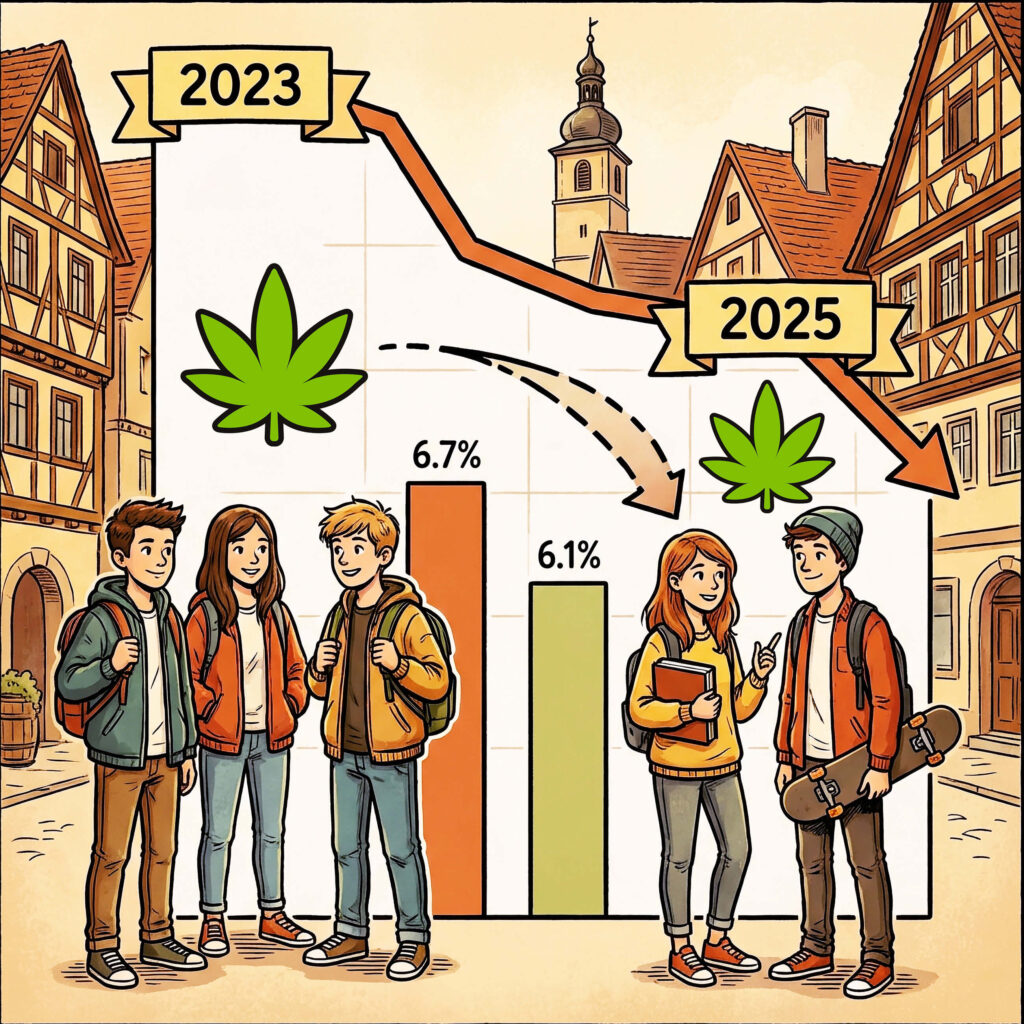
The arguably most crucial preliminary finding: There hasn’t been a significant or even massive increase in cannabis use. Quite the contrary, a trend since 2019 towards less cannabis use among young people has continued – according to a study by the Federal Institute of Public Health, the share of adolescents having used cannabis in the past twelve months has decreased from 6.7% in 2023 to 6.1% in 2025.
There has been a slight increase in adult use, but that’s a development that has been going on since 2011 that has not escalated through legalisation.
Another positive finding in the field of prosecution: In 2024, there were at least 100,000 fewer cannabis-related offences than in the previous year, which substantially eased the workload of the justice system. With regard to the black market, the report stated that comparatively few users have continued to procure their cannabis from illegal street dealers.
The black market is rapidly losing significance
After having interviewed 11,000 individuals who had used cannabis already before legalisation, addiction researcher Bernd Werse has concluded that “the black market is rapidly losing significance”, because a mere 20% of the interviewees had kept on using this source. 49% grew their own cannabis, 30% supplied their needs via pharmacies, and only 2% did so by becoming members of a cannabis club.
So far, the clubs are covering only about 0.1% of the total demand for legal recreational cannabis. It would take many thousands of these clubs to meet the total need in Germany. Still, there are just about 300 in existence, as the approval procedures are complicated and lengthy, or are even hindered by the authorities by all available means. For instance, in Bavaria, where the only cannabis club was forced to terminate its business due to building regulations it could not comply with.
Related post

The report sees no need to lower the limits for personal possession
Also, with regard to the personal amounts of cannabis allowed, often criticised by legalisation opponents as much too high, the commission report gave the green light, presently seeing no need to lower the limits. It states that violations of the 50-gram limit for legal possession within one’s own four walls have rarely been noted or prosecuted by the police. The same is true for the limit of 25 grams outside one’s home.
Furthermore, fears that legalisation could have a negative impact on traffic safety have not proven true according to the report, as there hasn’t been a relevant increase in the number of car accidents with drivers under cannabis influence being involved.
The CDU strives to forbid online prescriptions and mail-order business
The commission will present another evaluation report in 2026, and the final report is scheduled for 2028. With that first intermediate report published, not having provided good arguments to the CDU for tightening or abolishing the KCanG, with a vengeance, the party tries to hamper the circulation of psychoactive cannabis products in Germany by other means:
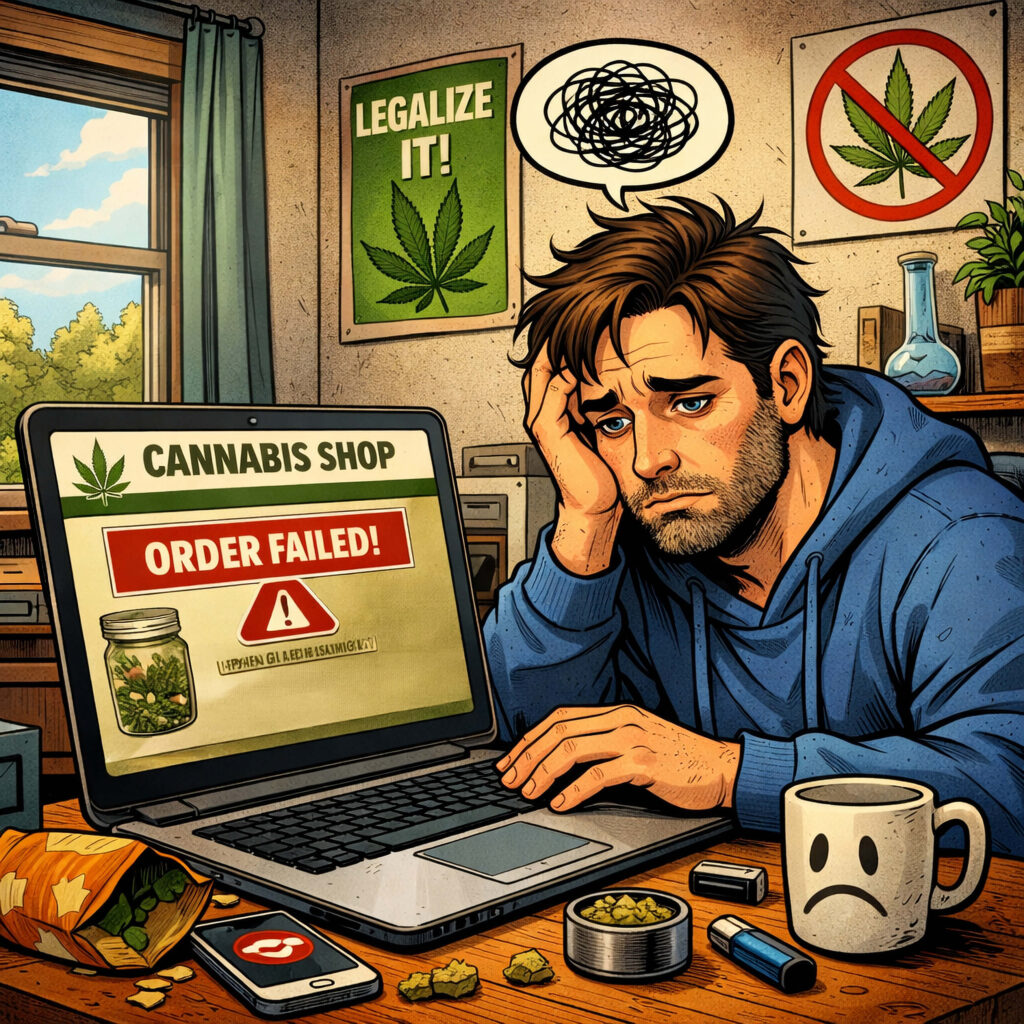
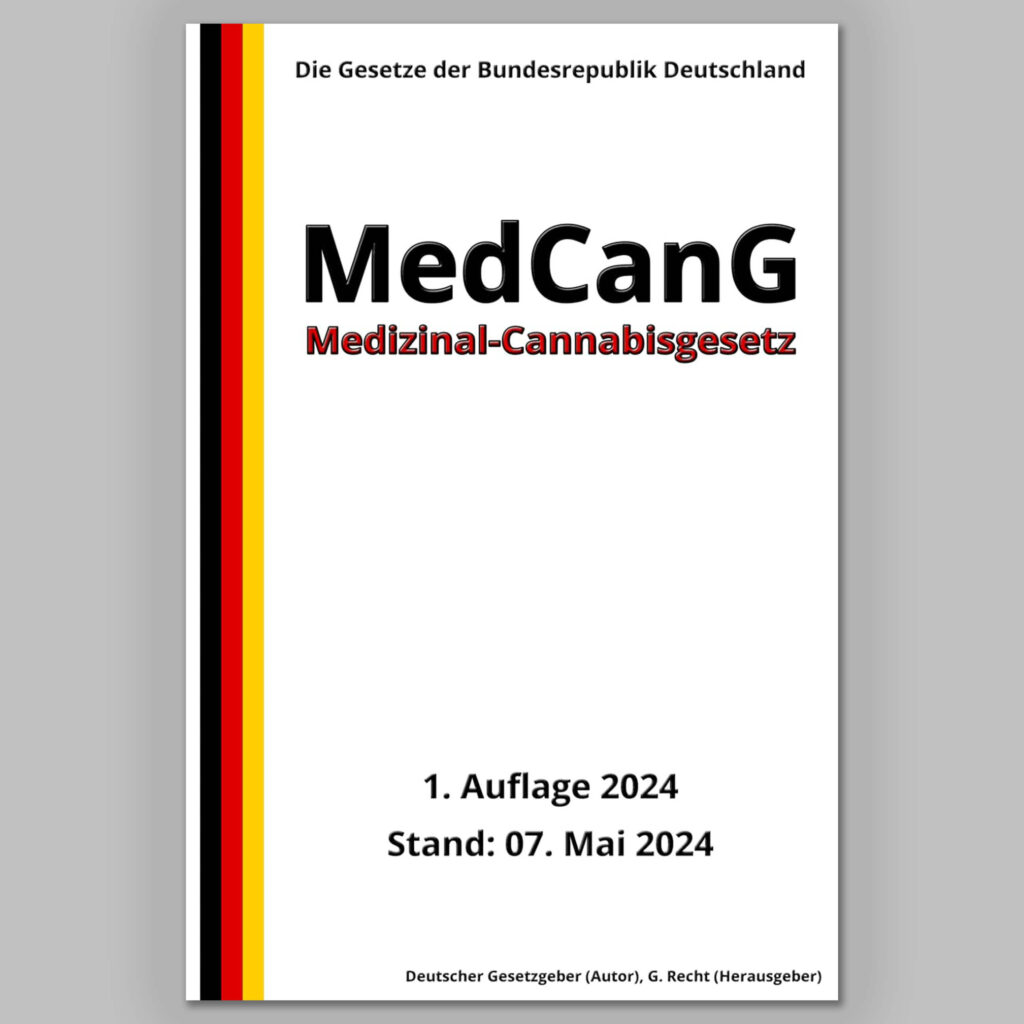
Last October, CDU health minister Nina Warken submitted a draft bill for amending the Medical Cannabis Act (MedCanG) stipulating that medical cannabis shall only be prescribed to patients through seeing a doctor in real life; the practice of fast and easy private online prescriptions without direct doctor consultation made possible by the MedCanG and the booming medical cannabis mail-order business shall be forbidden. Warken complains about abuse of the law:
The minister alleges that a vast majority of medical cannabis online purchases are not based on medical indication but are meant for recreational purposes. That may be true for a certain number of people (while transitions between recreational and medical use often are fluid); however, it would be wrong, even fatal, if this legal possibility of procuring potent cannabis were repealed. It’s a good, safe and uncomplicated way for mature citizens of this country to source clean medical-grade cannabis.
Related post
The discontinuation of online prescriptions would lead to a supply gap and revive the black market
Since there are way too few cannabis clubs so far and home growing is not suitable for everyone, the discontinuation of online prescriptions would lead to a big supply gap from which the black market would benefit, bringing more contaminated, laced or simply inferior cannabis into circulation again and potentially also seducing customers to harder drugs. Which would definitely be very hazardous to people’s health – and it would be with much bitter irony if the German health minister didn’t care about this.
Most recreational users of cannabis would not want to see a doctor to get a medical cannabis prescription, and despite legalisation, there are still too few practitioners willing to prescribe cannabis at all. Even worse, in rural areas, such practitioners are almost nonexistent, and the same is true for pharmacies that distribute medical cannabis, so users in the countryside would particularly suffer from a ban on online prescriptions and sales.
In rural areas, people traditionally drink alcohol rather than consume cannabis, but the number of cannabis users should have slightly increased there in the aftermath of legalisation. Also, in general, seriously ill and immobile patients would particularly be adversely affected by a ban on medical cannabis mail-order distribution. Furthermore, such a ban would lead to a loss of newly created jobs and tax revenues, and certainly to a significant rise in medical cannabis prices as well.
What are the chances that the MedCanG will be tightened?
In December, the minister’s draft bill was debated in the Bundestag (Federal Parliament) for the first time. A second and a third reading shall follow in spring 2026; at the third and final reading, the parliamentarians are expected to vote on the bill. If it secures a majority in the Bundestag, it is yet to be approved by the Bundesrat (the second chamber) at some point this year. But how are the chances that the MedCanG will be tightened that drastically and fatefully?
The German cannabis industry’s hopes lie with the coalition partner SPD. Social democratic health politicians and several members of parliament have already announced not to give their consent to the draft bill in its current form, refusing the force to see a doctor on site, instead pleading for the possibility for patients to get a medical cannabis prescription via a video call session with a doctor.
They argue that such a telemedicinal supply and the chance to obtain medical cannabis through mail order were inevitable, especially for patients in rural areas. Chances are good that things will be boiled down to a more limited reform of the MedCanG, the more so as the Green Party and the Left Party, both present in the Bundestag and the Bundesrat, are strictly against the CDU’s rigorous plan, which has received applause from just one other party – the extreme right-wing AfD.
Related post
The government blocks pilot projects for licensed recreational cannabis shops
In order to secure a nationwide supply, the previous government led by the SPD had actually intended to establish licensed recreational cannabis shops, which failed, though, because it turned out that the concept was not (yet) compatible with EU law. Instead, it should have been tested in the form of pilot projects in some major German cities, such as Frankfurt am Main, Cologne, and Hannover.
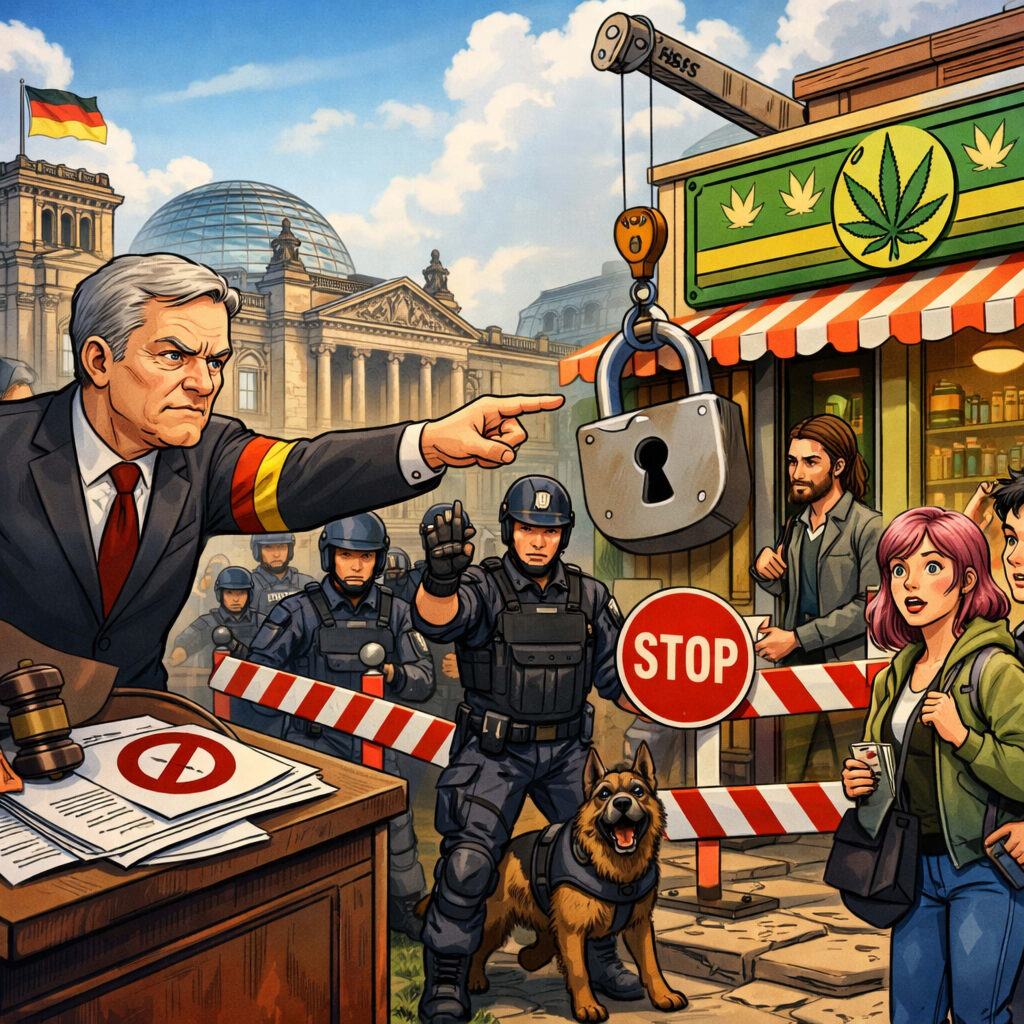
But under the new CDU-led government, this plan has clearly come to a dead end: the Federal Office for Agriculture and Food (BLE), the responsible authority, has rejected all 60 applications submitted so far to conduct such scientifically supervised pilot projects. Whereas in Switzerland, for example, ironically a country without legalisation, several such pilot projects were approved and have been ongoing in Zürich, Bern, Basel and Lausanne since 2023.
Other positive developments initiated by legalisation
Legalisation also shows a positive impact on the job market. According to a study by the Düsseldorf Institute for Competition Economics, about 27,000 new jobs could be created in the legal cannabis sector, mainly in the retail, cultivation, distribution, logistics, marketing, and consulting sectors. Several thousand new jobs have arguably already been created in the legal German cannabis industry.
Interestingly, the predicted number of 27,000 new jobs is almost equal to the number of employees in German beer breweries, where 27,900 people worked in 2022. By comparison, in the German viticulture sector, approximately 17,000 people work full-time, and 7,500 in the tobacco industry.
Not only is the business of online platforms selling medical cannabis flourishing, but also growing supply retailers have reported sales increases by a factor of 5-6. In many cities, new grow shops have been opened. German cannabis fairs have experienced a boom, too – after legalisation, the exhibitions in Berlin, Dortmund, Hamburg, Düsseldorf and Ilsede registered record-breaking visitor numbers.
A lot of benefits for the cannabis seed business

And of course, Dutch and Spanish seed companies have benefited a lot from the German legalisation. During the months after the KCanG came into force, many seed companies soon found themselves facing supply shortages; numerous popular cannabis seed strains sold out quickly, and additional quantities had to be produced.
Sensi Seeds was also overwhelmed by the high demand for seed orders, but tried to handle it as best as possible and, of course, was happy to welcome many new customers.
Related post
The medical cannabis market is booming
The annual need for recreational cannabis in Germany is assessed at up to 800 tons, with experts estimating that approximately 12-14% of it are covered by online prescriptions and sales of medical cannabis, with a tendency to rise as this business is booming: The import of medical cannabis has risen from 32 tons in 2023 to 192 tons in 2025, an heavy increase that obviously cannot be explained by a soaring number of health insurance prescriptions but rather private online prescriptions.
Fittingly, the number of pharmacies specialising in cannabis has increased fivefold from 50 in April 2024 to 250 one year later. Up to 150 of these are active in the online mail-order business. In several major German cities, some of these companies are offering same-day delivery; customers can get their cannabis delivered via courier within 60-90 minutes, or even faster.

Canada and some European countries, such as Portugal, are the main supplying countries for medical cannabis on the German market. Big Canadian players Aurora and Tilray also have licenses for medical cultivation in Germany, and, thanks to legalisation, production volume is no longer limited, so the share of domestic medical cannabis will rise significantly, with German producers such as Demecan adding to this.
Due to the sharp increase in medical cannabis imports, the German market is also experiencing an oversupply, which has led to a price decrease – average prices have fallen by 10% since legalisation. The average price for one gram of medical cannabis was 8.77€ in June 2025, with a tendency to keep decreasing. The price span presently is 3.99 to 12.50€ per gram.
Social stigmatisation of cannabis has diminished
The status of cannabis in German society has noticeably improved since legalisation, which I’ve personally experienced also: When I met new people in the past and told them what my profession is – to journalistically deal with cannabis – the reactions varied from unbelieving amazement, scepticism or rejection to sneering laughter.

By means of legalisation, that has changed, because the topic of cannabis is easier to grasp, has become more transparent, accessible and legitimate to people. Thanks to the release from illegality, from the ‘dingy corner’, more people have taken notice of the fact that it’s possible to professionally, seriously and successfully work in the cannabis sector in many ways, just like in other, traditional branches.
While the social stigmatisation formerly often encountered by cannabis users or people professionally working with cannabis had decreased to a certain degree already in the years before legalisation (thanks to increasingly objective or even positive media coverage, for example, reports about the manifold medicinal benefits of cannabis), that stigma has additionally dwindled through legalisation, which helped improve the social image of cannabis.
Related post

The German media coverage of cannabis has become more positive
There are still some ultraconservative media, such as the Bild newspaper, that still try to campaign against cannabis with often tendentious coverage. Meanwhile, a clear majority of print and online media and TV broadcasters are reporting on this topic objectively, or even favourably.
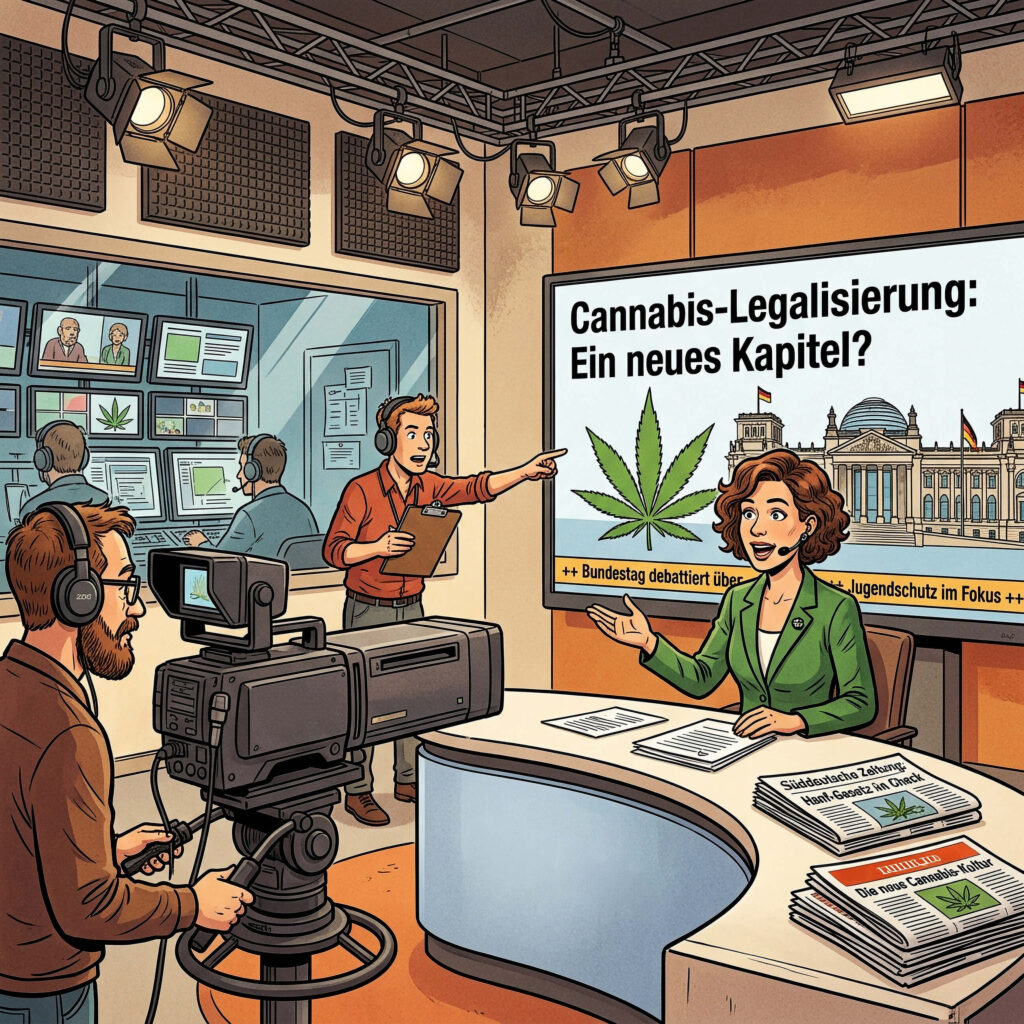
Especially, many positive reports about cannabis can be found on social media such as Facebook, Instagram or YouTube, created by cannabis friendly users and influencers. No wonder, as these media are particularly popular among younger people. And now that thanks to legalisation nobody needs to hide away anymore, people can openly show their personal love for cannabis, e.g., by documenting their home growing activities in words and pics or enthusing about their favourite strains.
Companies selling medical cannabis online have a strong presence on Instagram, for example, by running paid ads there to promote their services. However, this is actually forbidden by the KCanG and even the platforms’ own guidelines. But obviously neither the authorities nor the platform operators are caring very much about the ban on advertising and promoting potent cannabis…
In spite of it all, the public opinion in Germany about cannabis is still divided

In spite of all these positive aspects, the German population is still divided in its views on legalisation: A survey conducted one year later by YouGov on behalf of the German Press Agency found that 38% supported it. In contrast, 38% were opposed to it. Another 11% favoured a fully deregulated legalisation, while 13% abstained from giving their opinion. However, these figures at least show that a majority of Germans are in favour of legalisation now that it’s the status quo, which is good news.
We’d be interested in learning about your experience and views on the KCanG! Do you think the new law is an improvement? What has changed for you personally? Please share your experience in the comments.
- Disclaimer:While every effort has been made to ensure the accuracy of this article, it is not intended to provide legal advice, as individual situations will differ and should be discussed with an expert and/or lawyer.
