


This time, we’re exploring our time with Jackuzzi Feminzied. Despite being a 70% sativa, this Jack Herer descendant proved to be a shorter, more manageable version of the classic strain. Despite its somewhat unusual growth pattern, our plant was extremely productive and could be a great choice for indoor growers who want a sativa but are worried about space.
Total growing time: 90 days
Flowering time: 62 days
Final height: 87 cm
Final yield: 128 grams
THC content: 23.5%
To ensure our Jackuzzi Feminized cannabis plant had the best possible conditions, we grew it in an 8-litre plastic pot filled with BAC Lava mix placed under a 1000 W Phillips GreenPower lamp. We kept our grow space at a consistent 23°C during the daytime and let temperatures drop slightly to 21°C at night while maintaining a relative humidity of 65% during the vegetation stage.
Germination & seedling
Like every grow, the first thing we need to do is germinate our seed. Thankfully, this is perhaps the simplest part of the entire process and doesn’t require any special equipment other than a few things you’ve likely already got at home.
Start by folding a few paper towels, placing them on a plate, and sprinkling them with about 20-30 millilitres of water. You want them damp the whole way through, but not dripping wet. Next, put any seeds on top, making sure to leave a few centimetres between them, and cover them with another damp paper towel. Finally, put the plate into an open plastic bag and set it in a warm place out of direct sunlight.
After a day, we saw that our seed had cracked open, and the small white taproot was sticking out about a centimetre. Now, it was time to plant our seed, with the taproot pointing down, into a pre-soaked Rockwool cube and set it beneath a 600 W lamp to avoid overloading our fragile seedling. After three days, we gave our plant its first feeding with 100 ml of pH-balanced water (pH 6.2; EC 0.8) mixed with a small dose of rooting hormone.

At the end of week one, our seedling was standing 9 cm tall on a slim stalk and had a couple of sets of healthy cotyledons. By now, we were watering our plant with 100 ml of water (pH 6.0; EC 1.4) per day mixed with Bio Grow liquid nutrients.
Vegetation
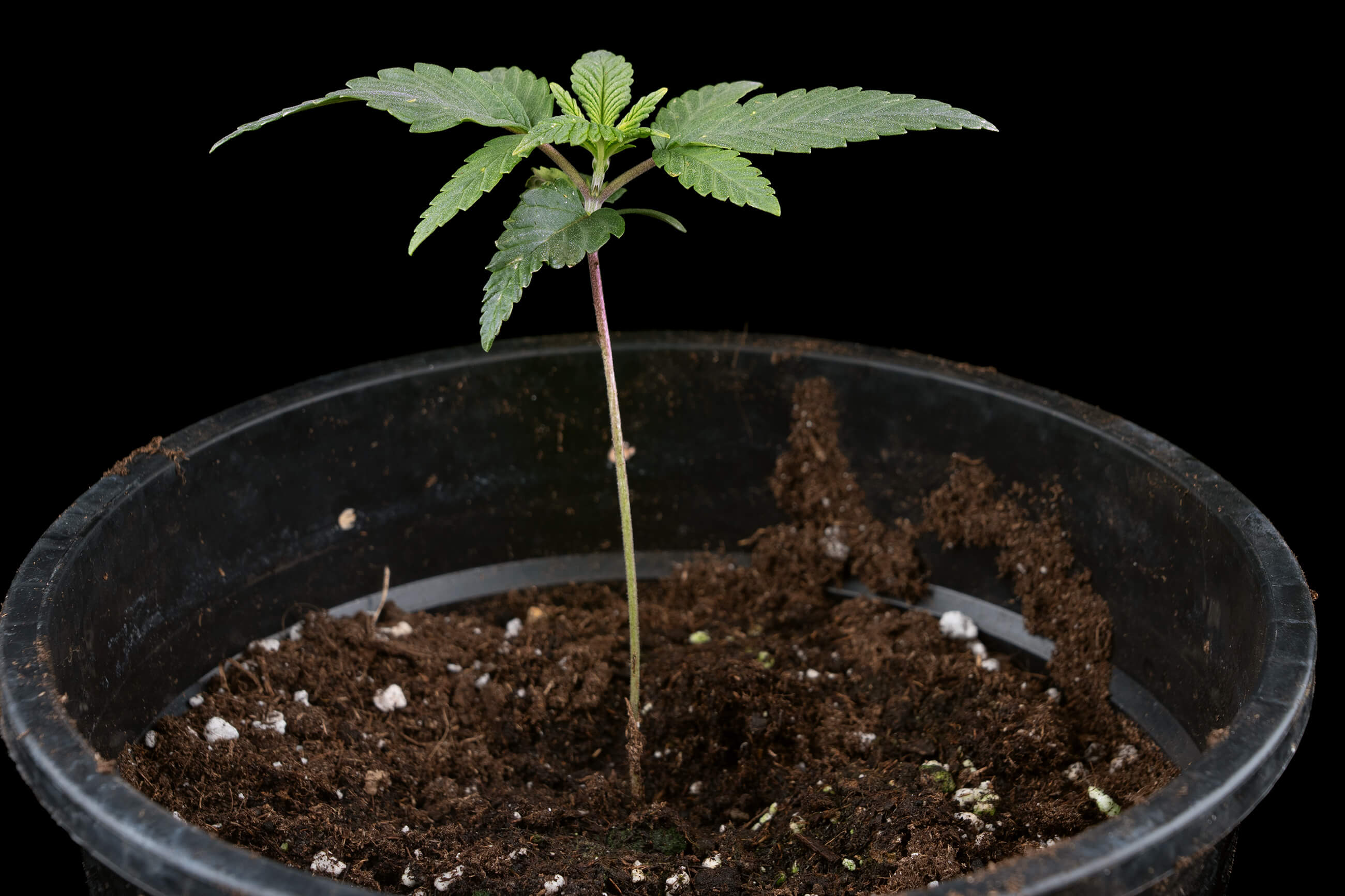
As we entered week two, we planted our Jackuzzi Feminized cannabis plant into its new home, an 8-litre plastic pot set under our 1000 W lamp. Additionally, we doubled the volume of water used in daily feedings to 200 ml. Over the course of the week, our plant grew to 16 cm in height and had sprouted its first set of true leaves, which were quite short and small at this stage.
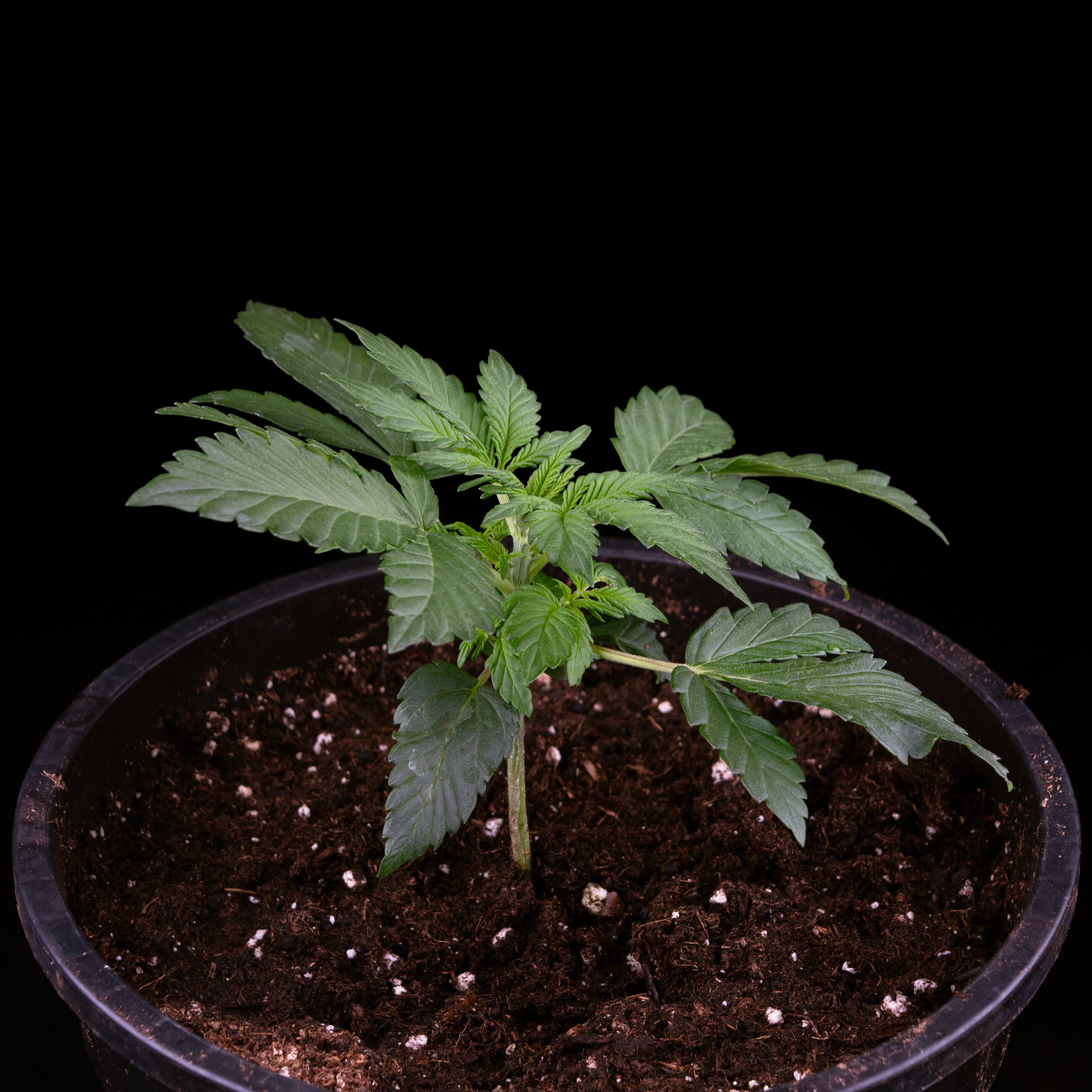
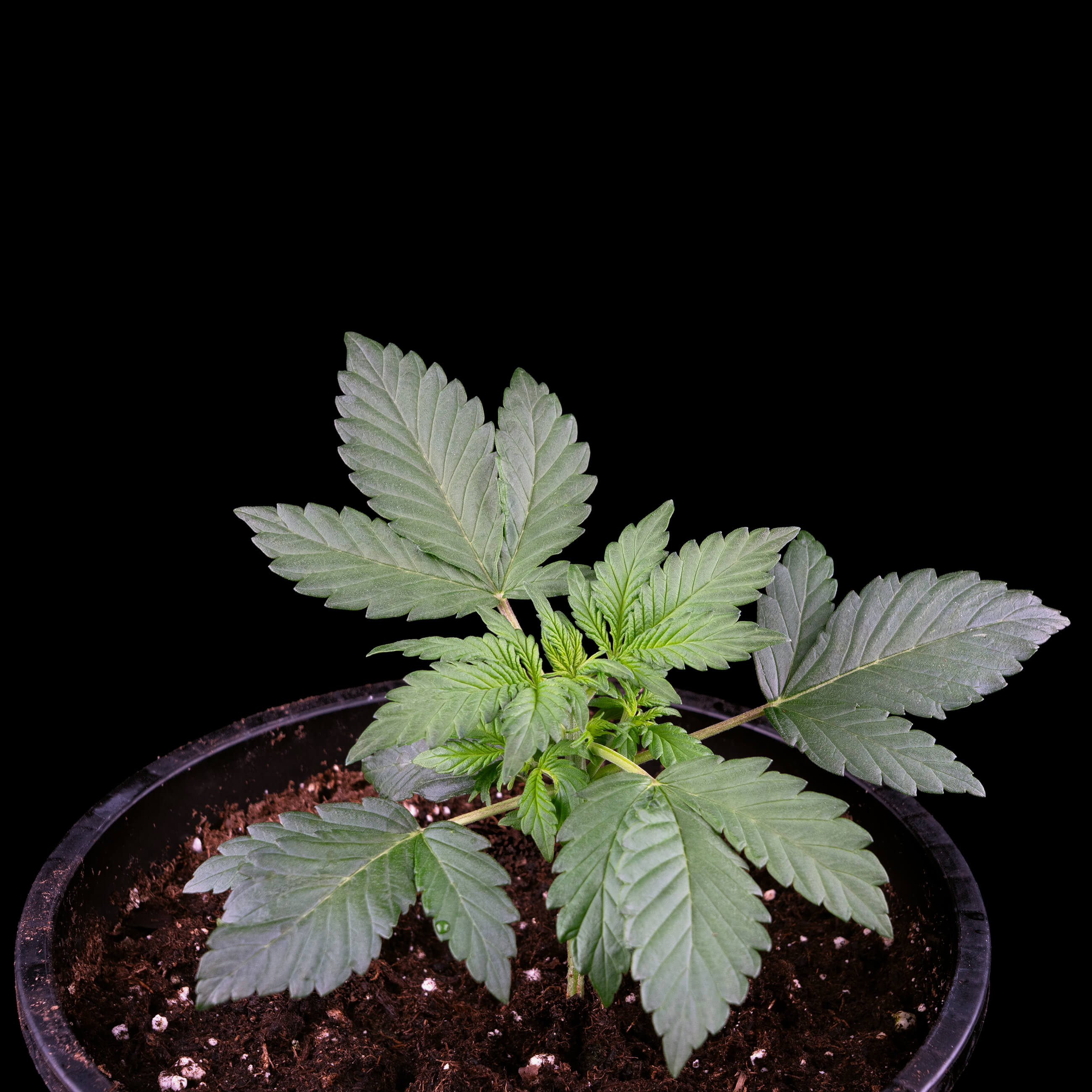
In week three, our plant grew rapidly to reach a new height of 23 cm and grew multiple new sets of short, broad leaves along fairly tight internodal spacing. The very first signs of lateral branches were developing, but they were growing slowly. With all of this growth, we once again doubled our daily feedings to 400 ml of water.
It was very nearly time to switch our plant over to flowering. But first, there was one last step before moving forward. To protect our plant from dangerous pests like thrips and spider mites, we hung small satchels of Neoseiulus californicus and Amblyseius swirskii from the plant’s lowest branches. These white packets are each filled with hundreds of tiny critters that have a symbiotic relationship with cannabis plants. This means that they don’t harm the plant at all, but hunt down and eat pests that can destroy even the healthiest plant. These satchels are replaced every four weeks to maintain a fresh supply.
Related post
Flowering

At the start of week four, it was time to switch our Jackuzzi Feminized cannabis plant to flowering. This is possibly the easiest part of any grow, and all we had to do was change our light to a 12/12 schedule and adjust our watering habits. Now that the plant was flowering, we started daily feedings with 800 ml of water (pH 6.0; EC 1.8) mixed with Bio Flower liquid nutrients.
Over the week, our plant grew rather slowly, gaining only 5 cm to reach a new height of 28 cm. This slow vertical growth was accompanied by multiple new sets of leaves and significant growth of the lateral branches. Overall, this was developing into a rather bushy plant.
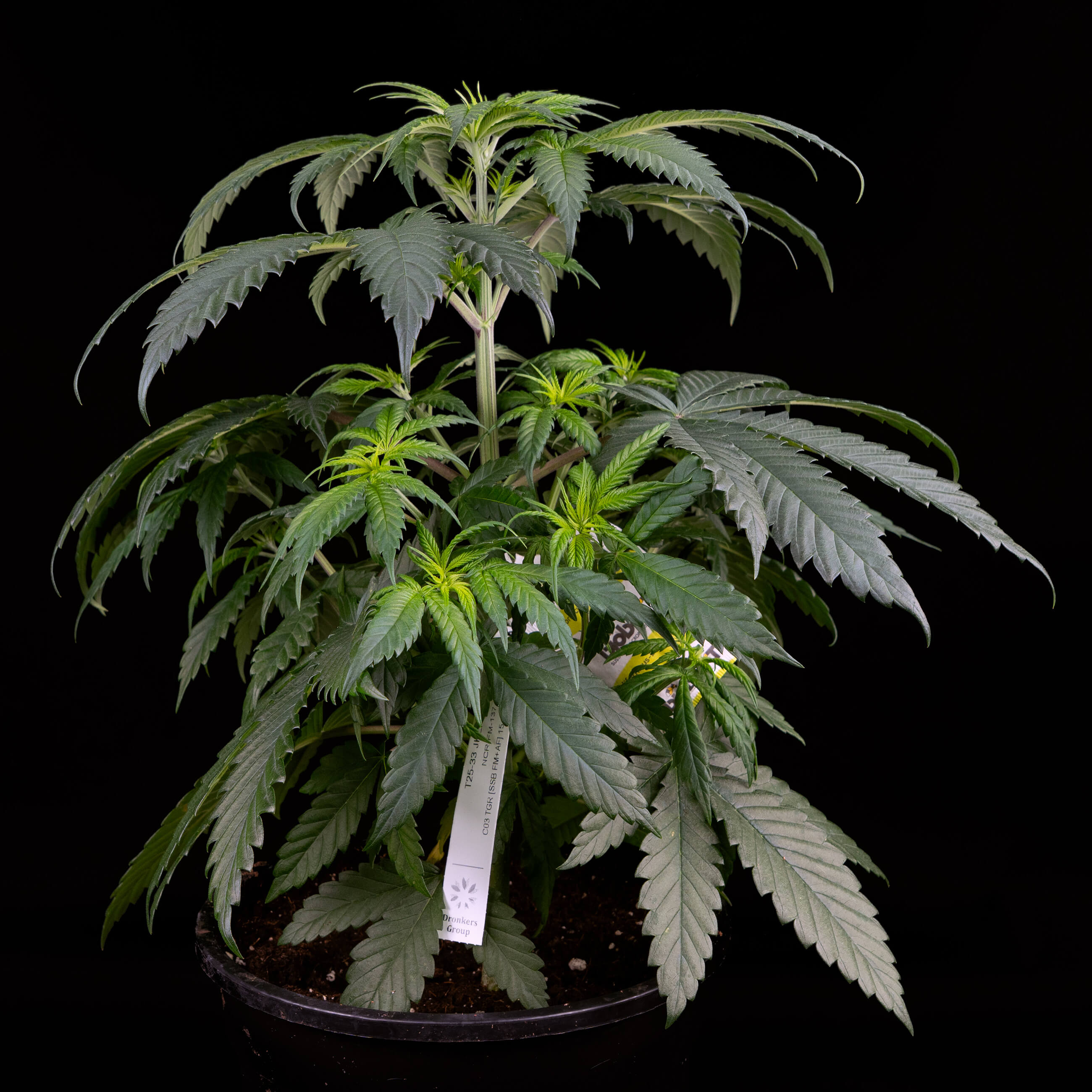
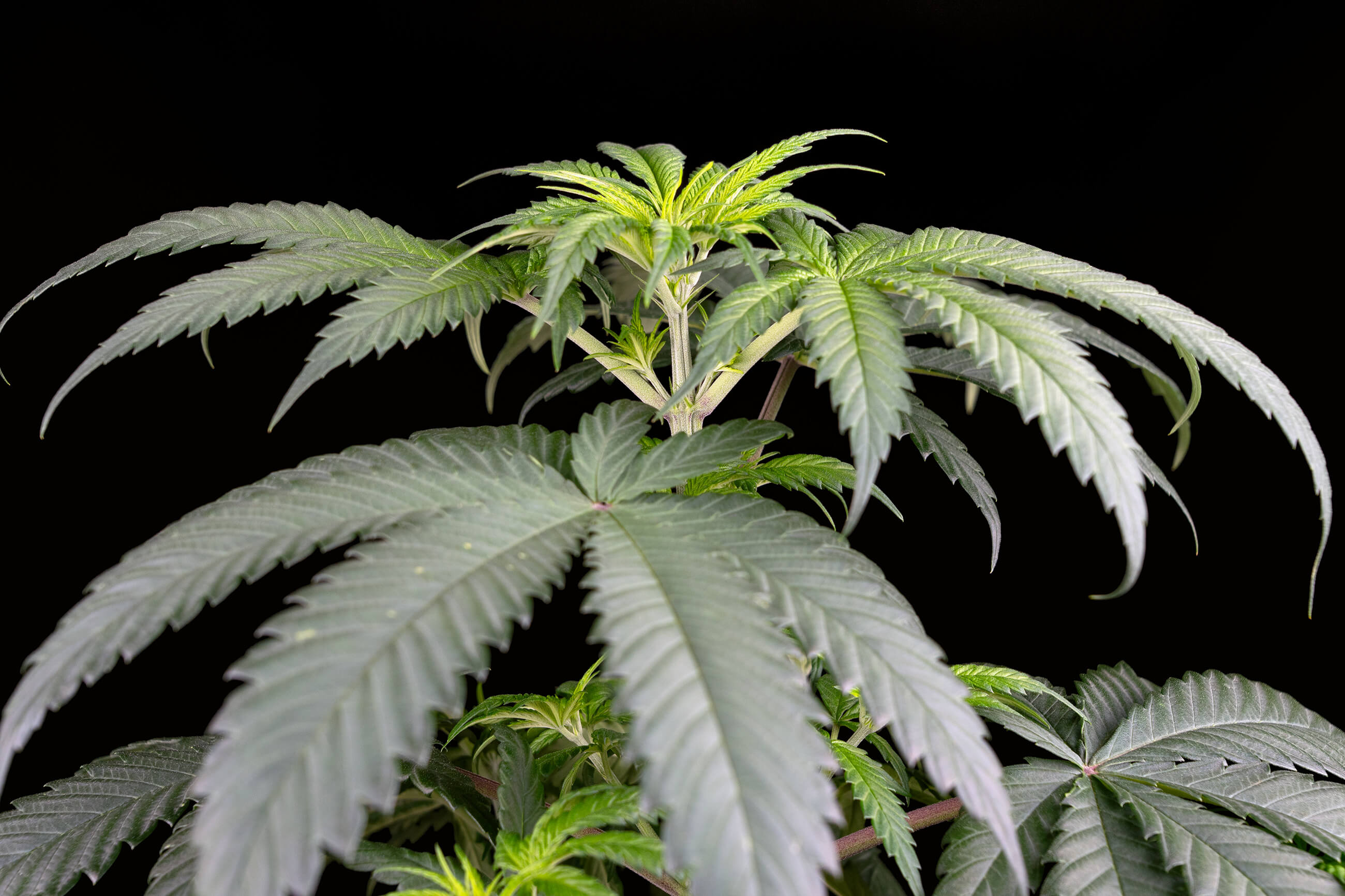
In week five, our plant continued its slow and steady growth, finishing the week at 33 cm tall. This growth was mostly at the top of the plant as the main stem was rapidly climbing above the lower canopy. However, the lateral branches were also developing nicely and were beginning to grow slightly outward. To keep up with this new growth, we began daily feedings with 1000 ml of water.

Week six saw things speed up a little as our plant grew to 40 cm. Once again, the overwhelming majority of this growth was due to stretch along the main stem as the internodal spacing grew significantly. At this point, we weren’t seeing any signs of flowering quite yet, but we increased our daily watering to 1500 ml and lowered the humidity to 60% to help combat mould.
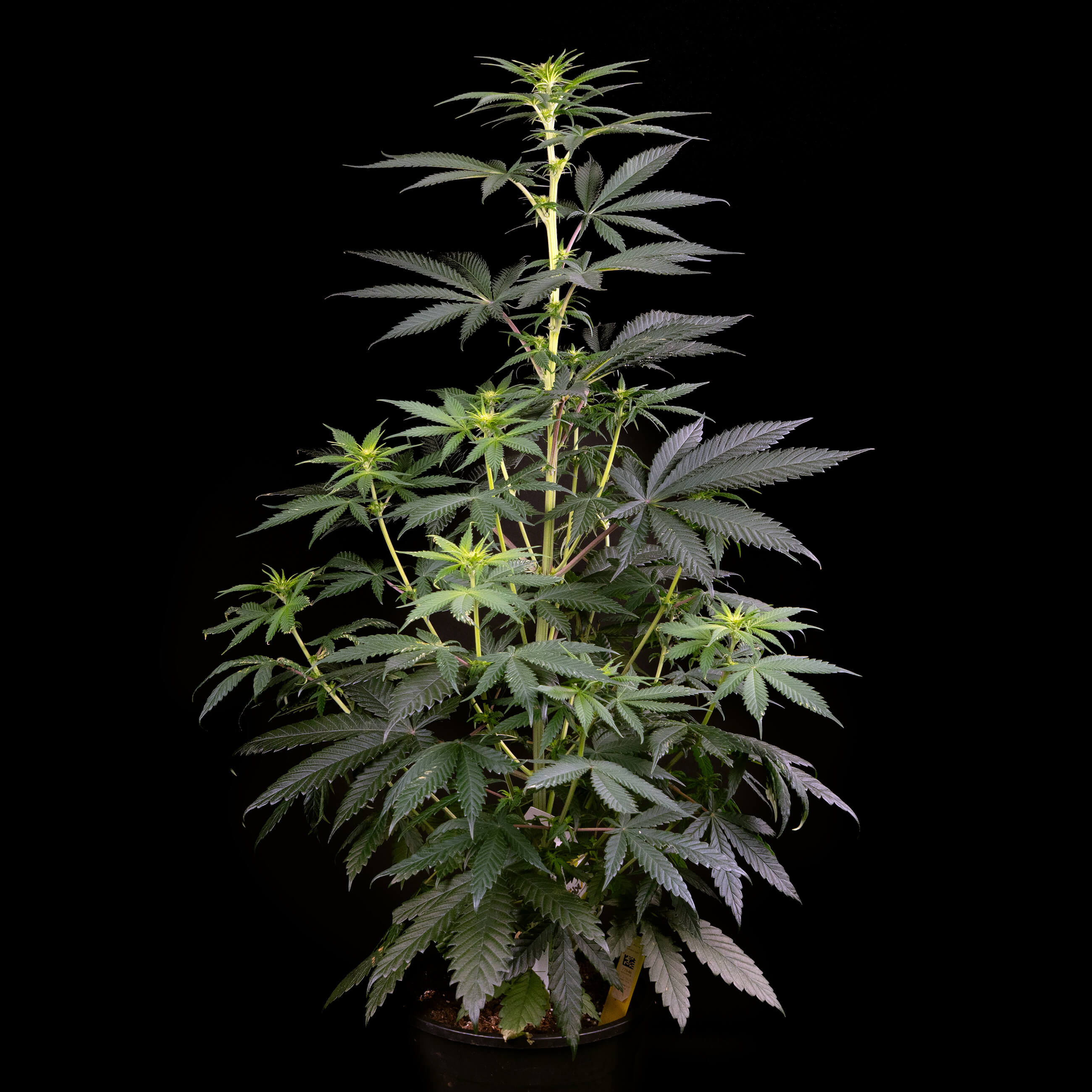
In week seven, our plant underwent its largest week-on-week growth spurt, gaining 13 cm to reach a new height of 53 cm. This growth was split evenly across the main stem and lateral branches, all of which were stretching immensely, turning the plant into a tall, slender cylinder. By the end of the week, our plant was showing the first proper signs of flowering as tiny clusters of pistils grew along the inner nodes and at the tips of branches.

In week eight, flowering kicked into full force, with every lateral branch now covered in rapidly growing buds. The main stem continued to shoot upwards, and the plant grew to 61 cm and now stood nearly double the height of the lower canopy. The slender lateral branches were still growing almost straight upwards, and the entire plant was extremely healthy.
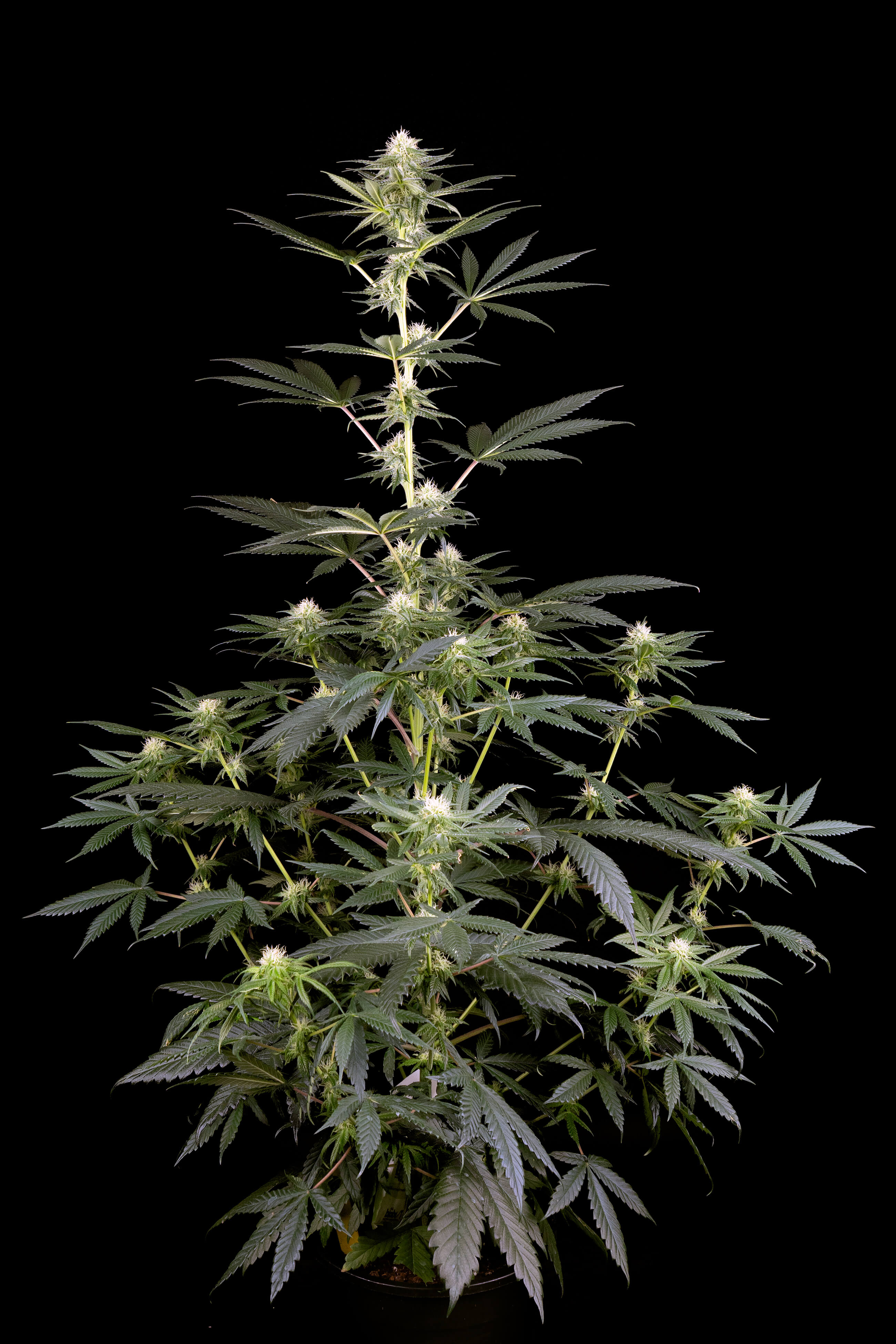

Week nine saw more rapid growth as our plant shot up to 68 cm. The lateral branches continued to stretch as well, but were still only about half the height of the stem. The main cola was forming nicely, and the plant was doing a great job of supporting itself despite its slim frame.
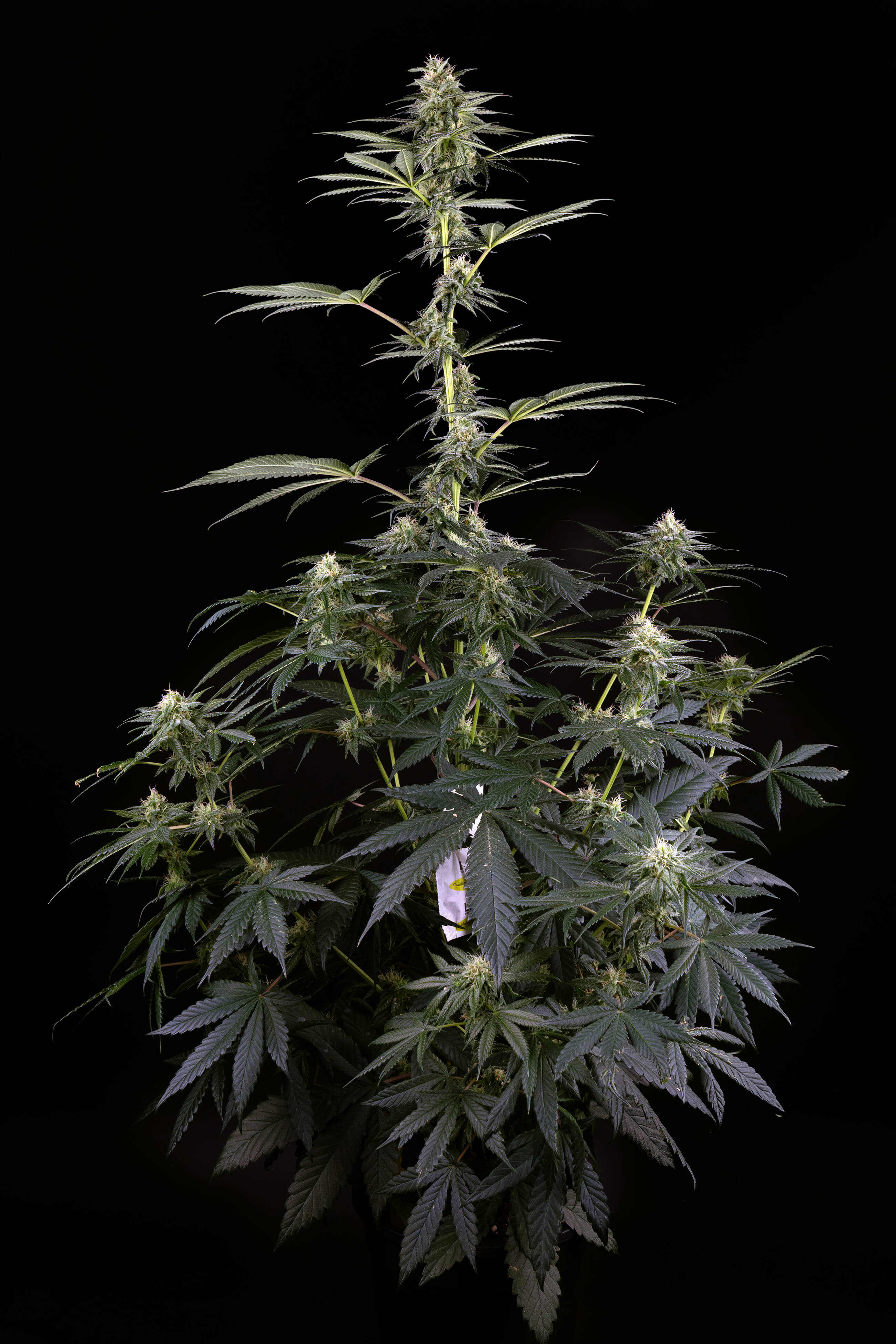

In week ten, our plant continued to grow, gaining another 7 cm to reach a height of 75 cm. This stretch was fairly even across the entire plant, ensuring that it kept the same general shape and proportions. The buds were developing nicely, and there was little more to do but wait.
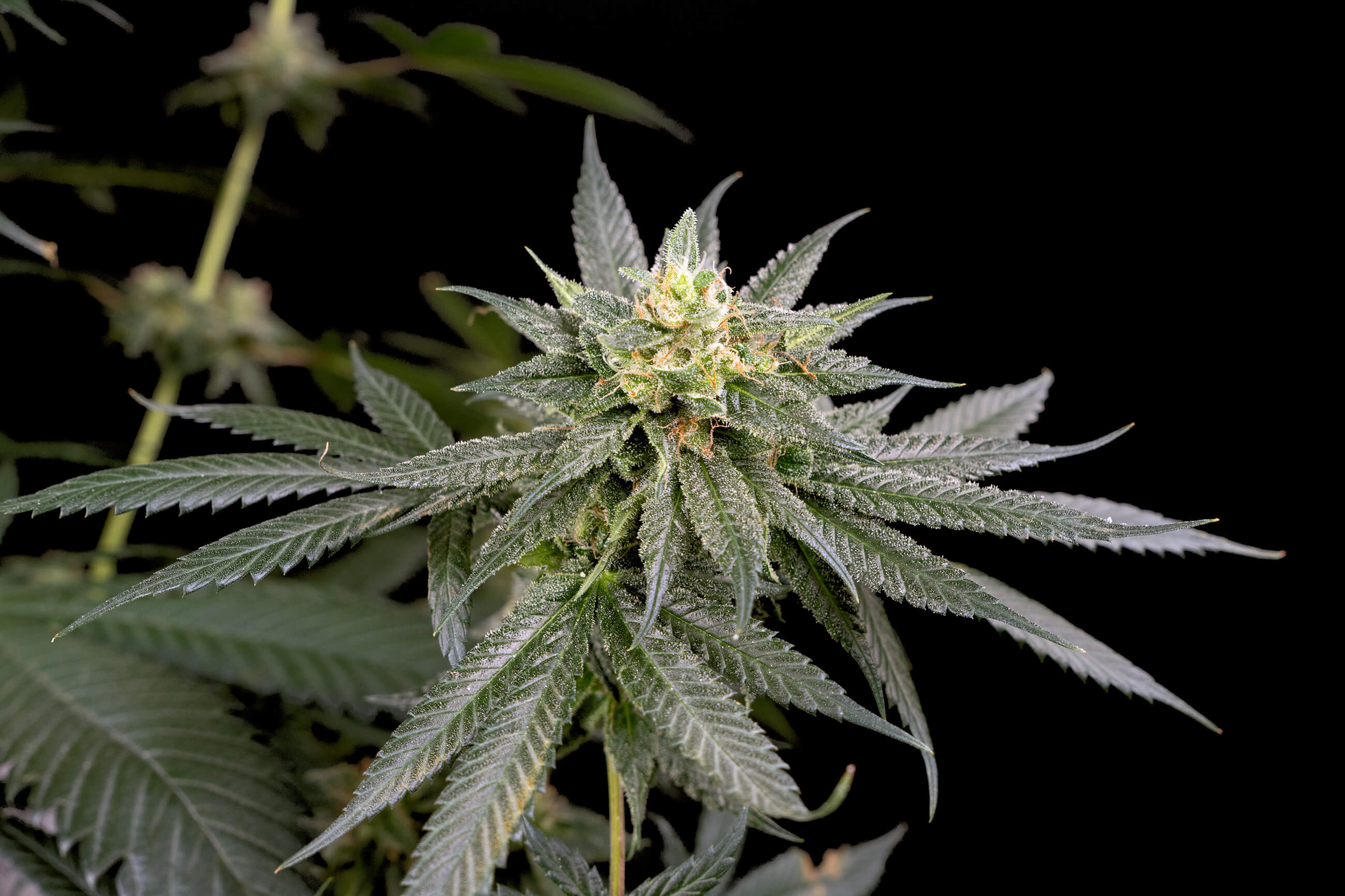
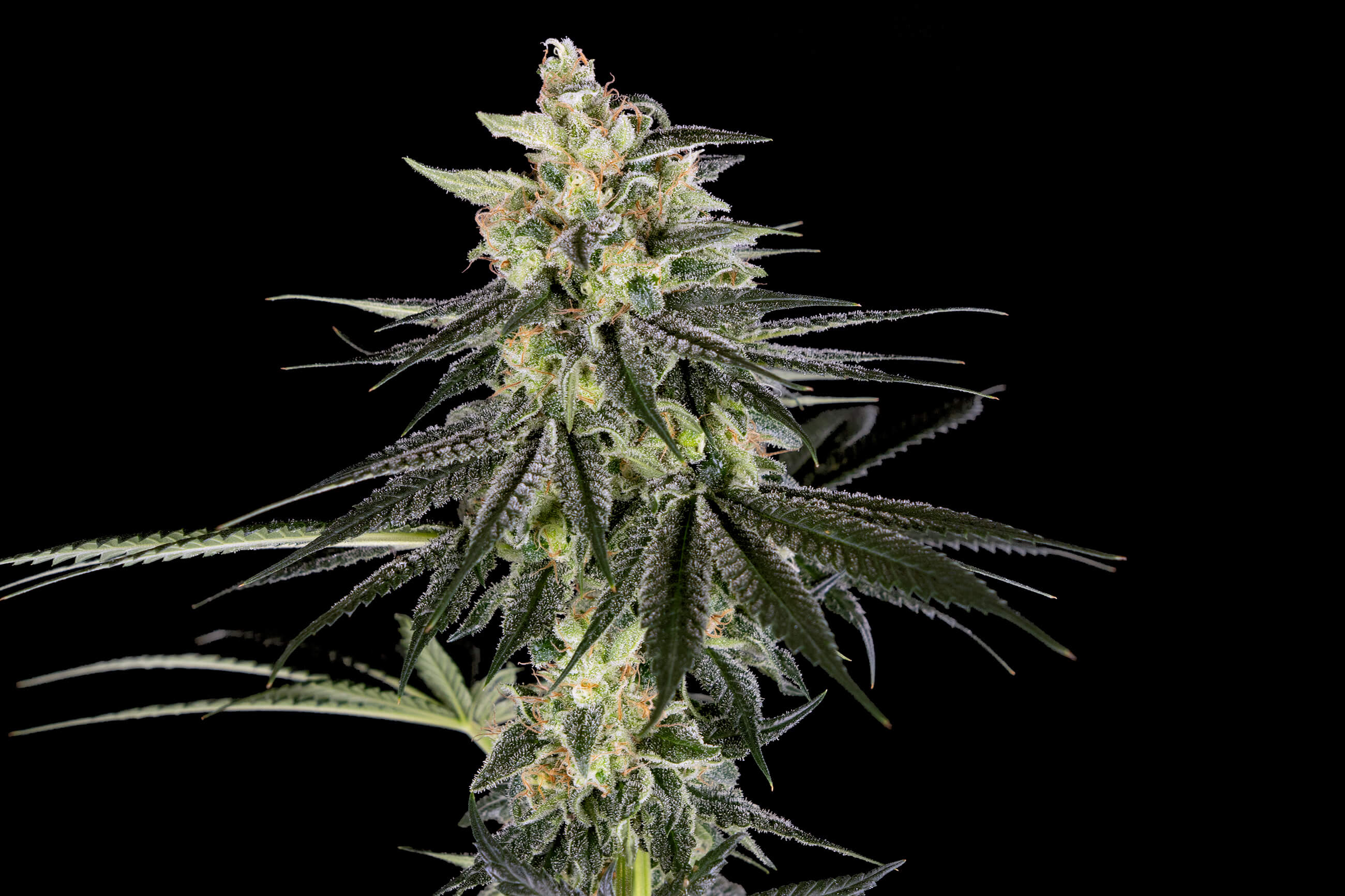
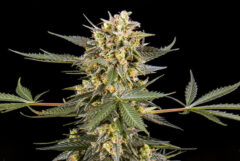
Weeks eleven and twelve saw our Jackuzzi Feminized plant reach its maximum height of 87 cm, with the main stalk still standing about twice the height of the lower canopy. The main cola didn’t quite run the entire length of the upper stem, but it was made up of several dense and sticky buds.
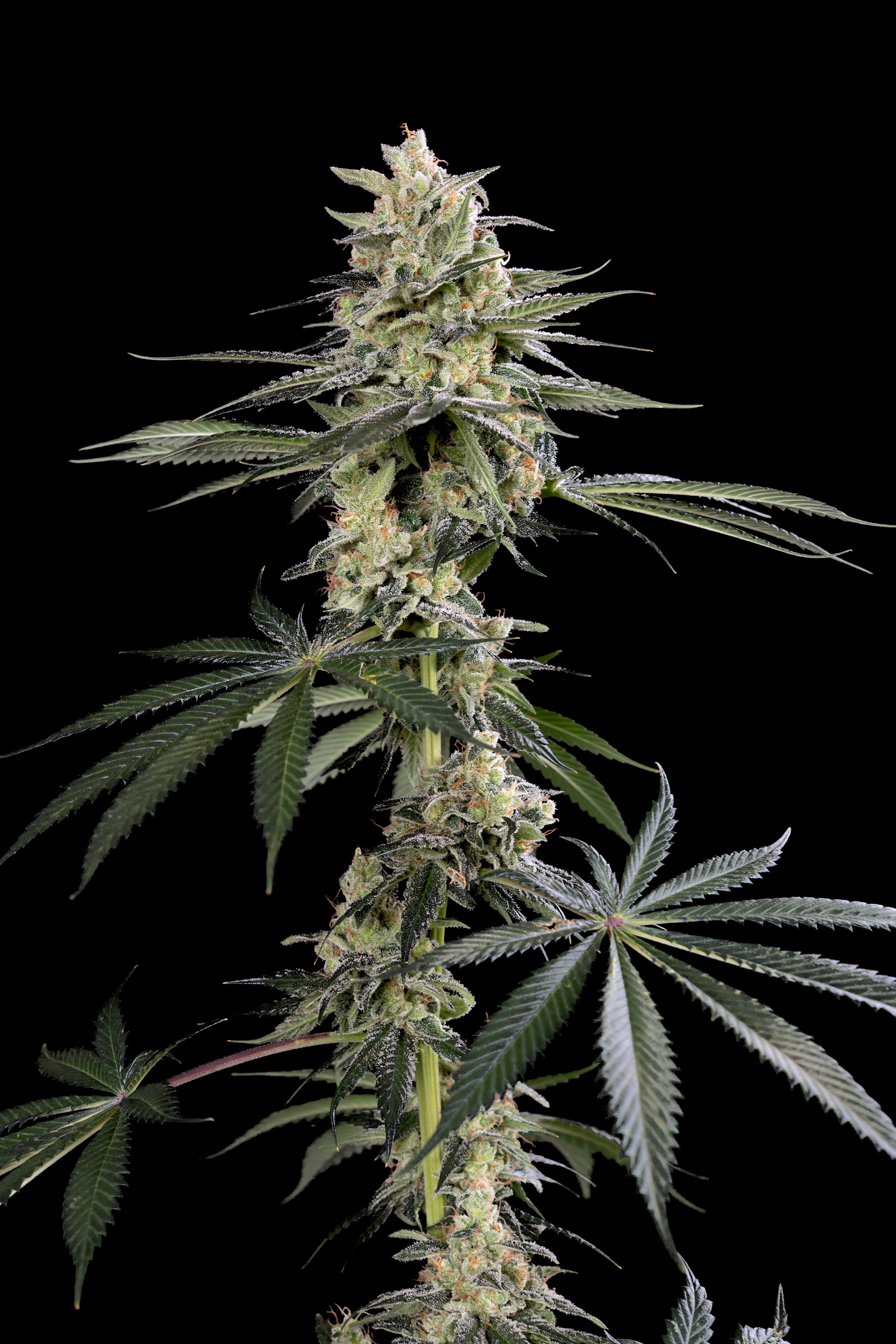
Finally, in week thirteen, we harvested our Jackuzzi Feminized cannabis plant.
Harvest
Now that it was time to harvest our Jackuzzi Feminized cannabis plant, we started by cutting it down at the base and removing the fan leaves. Then we hung it upside-down to dry in a climate-controlled room kept at a constant temperature of 15.5°C and relative humidity of 50%. We left it hanging here until the smaller branches were dry enough to snap when bent; on average, this drying process takes 10-20 days, depending on the size of the plant.
Once everything had sufficiently dried out, we removed the buds from the stems and trimmed off the remaining leaves. Trimming these flowers wasn’t too much of a hassle thanks to their relatively little vegetation.
After we’d trimmed everything up, we placed the buds into glass jars for curing. For the first 24 hours, we left these jars open to give the majority of the remaining moisture a chance to evaporate. The next day, we sealed jars and “burped” them several times a day, gradually reducing it to only once per day over the next few weeks. Typically, the curing process takes 4-6 weeks and is vital for ensuring a smooth flavour in your final product.
In the end, we were able to harvest an impressive 128 grams of dried flower with an equally satisfying THC content of 23.5%.
Related post
Terpene profile
The aroma coming from our Jackuzzi Feminized plant in the final weeks of flowering was surprisingly mild when compared to the size of the buds. Subtle hints of diesel and skunk slowly became more prominent towards harvest time, blending with herbal and spicy undertones. If you’re a grower who’s concerned about your privacy, this is a great pick.
After we dried and cured the buds, they took on a bolder aroma with bright citrus notes blending with a more subtle spiciness. These were balanced out by faint undertones of berry and skunk that really rounded out the already delicious scent. All of these notes came through in the flavour, which started with a lemon zest and a piney freshness on the inhale; a taste that highlighted the strain’s Jack Herer lineage. This was joined by a peppery spice with a hint of sour berry on the exhale and a subtle diesel aftertaste.
The effects of Jackuzzi were the real star here and were, again, largely in line with what we expected based on the parent strains. Almost as soon as we sampled the buds, we noticed an uplifting burst and a sudden call to adventure. This was paired with an equally energising cerebral high, which sparked creativity and mental clarity. All of this energy was perfectly balanced by a mild sense of physical relaxation, making this strain perfect for a long hike or a day of creative endeavours.
Related post

The outcome
At the end of the day, we were incredibly happy with our Jackuzzi Feminized cannabis plant. While it wound up being a great deal shorter than we’d anticipated, the end result really was the perfect shape and size for an indoor sativa while still producing an impressive harvest.
- Disclaimer:Laws and regulations regarding cannabis cultivation differ from country to country. Sensi Seeds therefore strongly advises you to check your local laws and regulations. Do not act in conflict with the law.

This is a fantastic, detailed grow report—really helpful for anyone wanting to understand how a feminized plant develops week by week. I appreciate how clearly you documented the height progression, watering adjustments, humidity control, and the transition into flowering. The harvest section was especially valuable, particularly the drying and curing breakdown. A lot of growers underestimate how crucial proper curing (and burping) is for maximizing flavor, smoothness, and terpene preservation.
The terpene profile description was also on point—those citrus, pine, diesel, and subtle berry notes paired with an uplifting yet balanced effect sound like a great daytime option, especially for creative or outdoor activities. Pulling 128 grams at 23.5% THC from a well-managed indoor grow is definitely something to be proud of.
Great work documenting the full journey from veg to cure—this kind of transparency really helps the growing community.