



Making hash at home? Whether you’re sifting, washing, pressing, or blasting your buds, your hash will only be as good as the strains you grow. Learn what makes the best hash strains below, including trichome structure, aromas, and genetics!
Both traditional and timeless, hash is the world’s oldest cannabis concentrate. Whether you love the dark, spicy profiles of traditional Moroccan dry sift, the freshness of Bubble Hash, or the intensity of more modern, solvent-based distillates, the world of hash is rich with variety.
If you’re sifting, pressing, or distilling hash at home, check out our handpicked selection of the best hash strains below!
Key takeaways:
- The best hash strains are those that produce an abundance of capitate-stalked trichomes – the type of trichome that contains the most resin.
- Indica and Afghan genetics dominate traditional hash strains – but there are many great sativa and hybrid options out there, too!
- Different hash strains suit different extraction methods. For example, strains with spicy or earthy terpene profiles shine when sifted and pressed, while strains with fruity, candy, or gas aromas may work better for rosin or bubble hash.
What makes a good strain for hash?
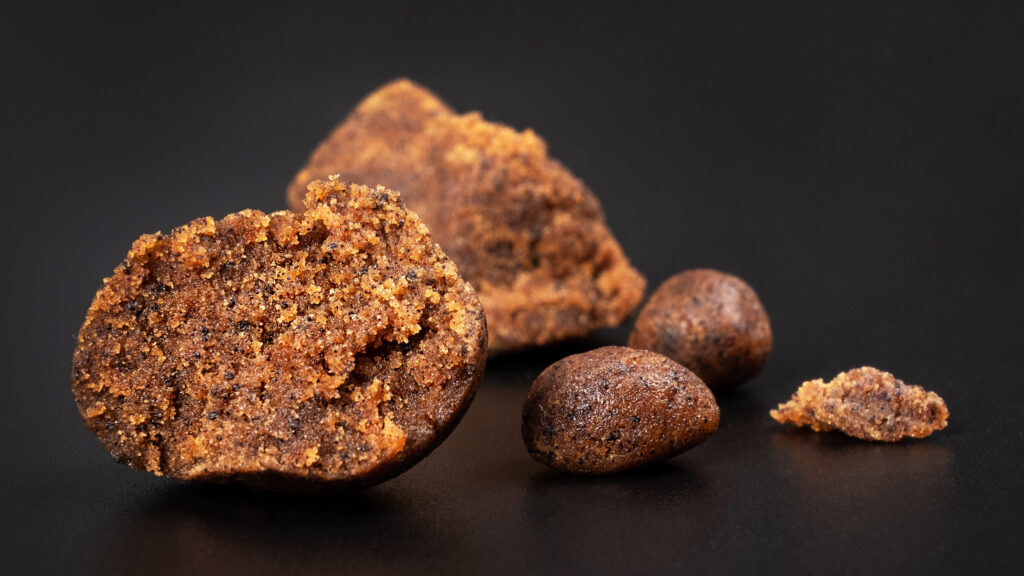
Before we highlight specific cannabis varieties for hash, here’s a crash course in what makes a good strain for hash making:
Hash, like all cannabis concentrates, is made by separating, collecting, and condensing trichomes from cannabis plant material. These trichomes (which form a crystalline resin on buds and surrounding leaves) are tiny glands that contain the cannabinoids and terpenes that give weed its potency, aroma, and flavour.
Hence, the best strains for hash are those that produce plenty of trichomes. Large-headed capitate-stalked trichomes lend themselves particularly well to hash making because they contain the highest concentrations of cannabinoids and terpenes. Moreover, they are easy to remove from plant matter, thanks to their elongated structure, yet are strong enough to contain their resin during the latter stages of the hash-making process (such as pressing or washing).
Capitate-sessile and bulbous trichomes, on the other hand, contain less resin. Due to their structure, they prove a little harder to separate from plant material, and tend to make up lower-quality hash (like the second or third wash of bubble hash, for example). These trichomes also tend to release oils more easily than their capitate-stalked counterparts, meaning they may produce hash that loses potency and flavour easily during processing.
Indica vs. sativa for hash: Which produces more resin?
Hash makers in Morocco, Lebanon, Afghanistan, Pakistan, and Nepal (which all have centuries-old hash-making traditions) typically used indica strains for their hash.

One of the main reasons for this is that indica strains are more prevalent in these parts of the world – especially in secluded, rural, and high-altitude regions where traditional hash makers usually operate (such as the Rif and Hindu Kush mountains).
However, it’s also true that indica strains have a natural tendency to produce more resin than sativas, making them better suited for dry sifting or hand-rubbing (arguably the two most traditional forms of making hash).
Luckily, thanks to the efforts of modern breeders, today’s hash makers can choose from a massive selection of indicas, hybrids, and even sativas capable of producing thick, frosty flowers that yield exceptional hash. Some renowned sativa strains, like Durban Poison, Sour Diesel, or Super Silver Haze, for example, work great.
What terpene profiles favour hash making?

Some hash makers prefer hash strains with specific terpene profiles; spice, tobacco, earth, and dried fruit are all classic aromas typical of old-school dry-sift and pressed hash from Morocco, Lebanon, and Afghanistan. Again, these aromas are naturally present in the strains from these areas and exacerbated by the unique hash-making processes practised in these regions.
However, modern hash makers may look for aromas and flavour notes reminiscent of fresh fruit, citrus, candy, or desserts (characteristic of strains like GSC, Wedding Cake, or Cherry Pie) to create hash that appeals to a more modern palate.
Related post

The 11 best hash strains of 2025 – According to Sensi Seeds’ breeders
Ready to step up your hash game? Based on the criteria we discussed above, here is our handpicked selection of the best hash strains of the year:
1. Hash Plant

Genetics: Hash Plant x Northern Lights #1 (90% indica)
Aromas/flavours: Spicy, herbal, woody, and earthy
Growth traits: Resilient, compact, and ready after 45 days in bloom. Outdoors, Hash Plant likes warm, Mediterranean climates.
Why it’s great for hash: Hash Plant is the quintessential hash strain. Descending from traditional Afghan varieties, this plant produces dense, chunky flowers drenched in frosty resin. Her dark, spicy aroma preserves the classic notes of hashish from Afghanistan, Nepal, and Pakistan, making her a prime pick for anyone making dry sift, pressed hash, or charas. Buy regular Hash Plant seeds here.
Best for: Dry sift
2. Afghani #1

Genetics: Afghan landrace (Pure indica)
Aromas/flavours: Earthy and woody, with light notes of fruit, pepper, and pine
Growth traits: Easy to grow and harvest-ready after 45-65 days in bloom. Medium-sized plants with considerable stretch, with some phenotypes doubling in height. Long central colas, with few side branches. Ideal for SOG or ScrOG.
Why it’s great for hash: Afghani #1 preserves the natural high resin production of the landrace strains native to Afghanistan’s mountains. Growing large colas packed with frosty flowers, she delivers great returns when dry-sifting, hand-rubbing, or pressing hash. Moreover, Afghani #1’s musky, resinous aroma and soothing stone lend themselves perfectly to the production of all sorts of traditional hashish varieties like Black Afghan.
Grow Afghani #1 in any setup with our regular, feminized, or automatic seeds.
Best for: Dry sift and pressed hash
3. Red Lebanese
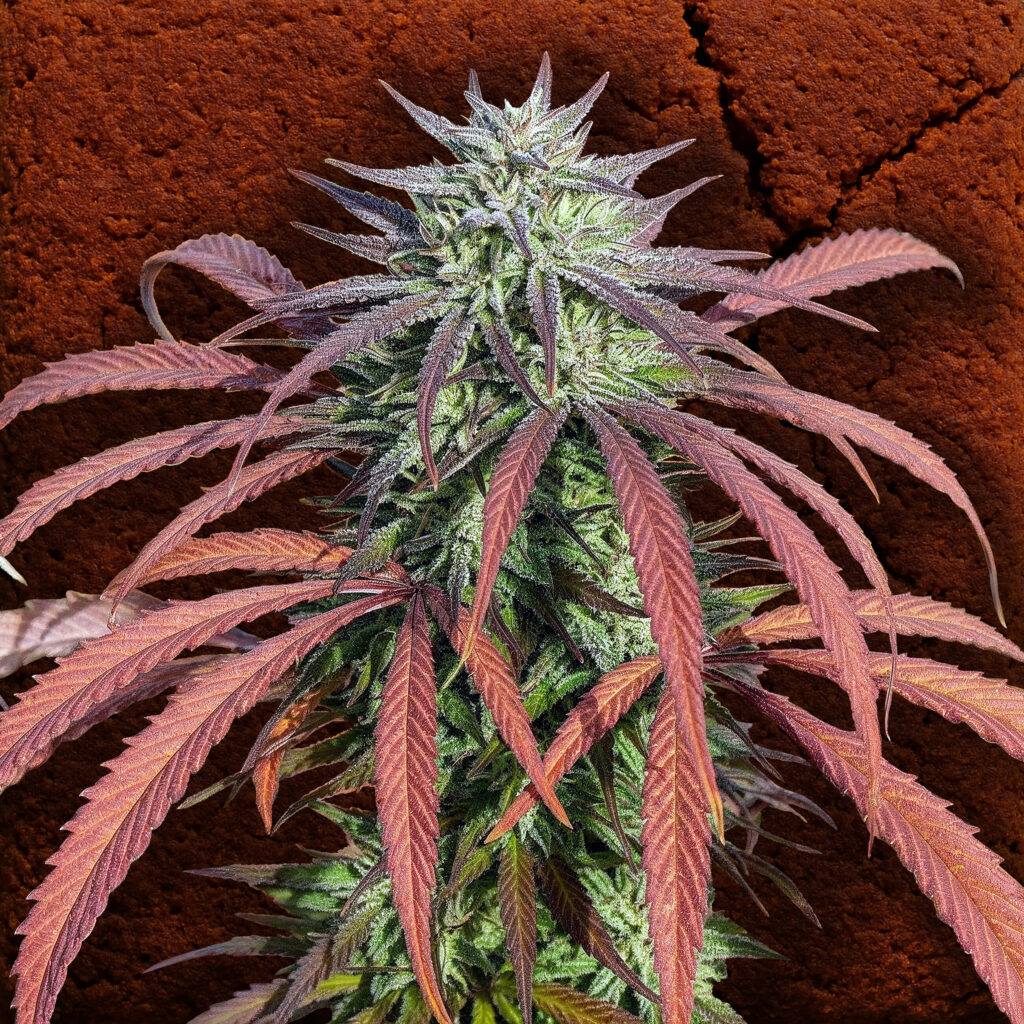
Genetics: Landrace
Aromas/flavours: Earthy, floral, and spicy
Growth traits: Easy to cultivate thanks to natural resilience to stress and pests. Flowers in roughly 50 days, and produces short, bushy plants.
Why it’s great for hash: Red Lebanese is a famed hash variety made from plants often given the same name. Little is known about the genetics of this variety, but its spicy, earthy aroma and high resin production have made it a staple in traditional hash production.
Best for: Dry sift and pressed hash
4. California Indica
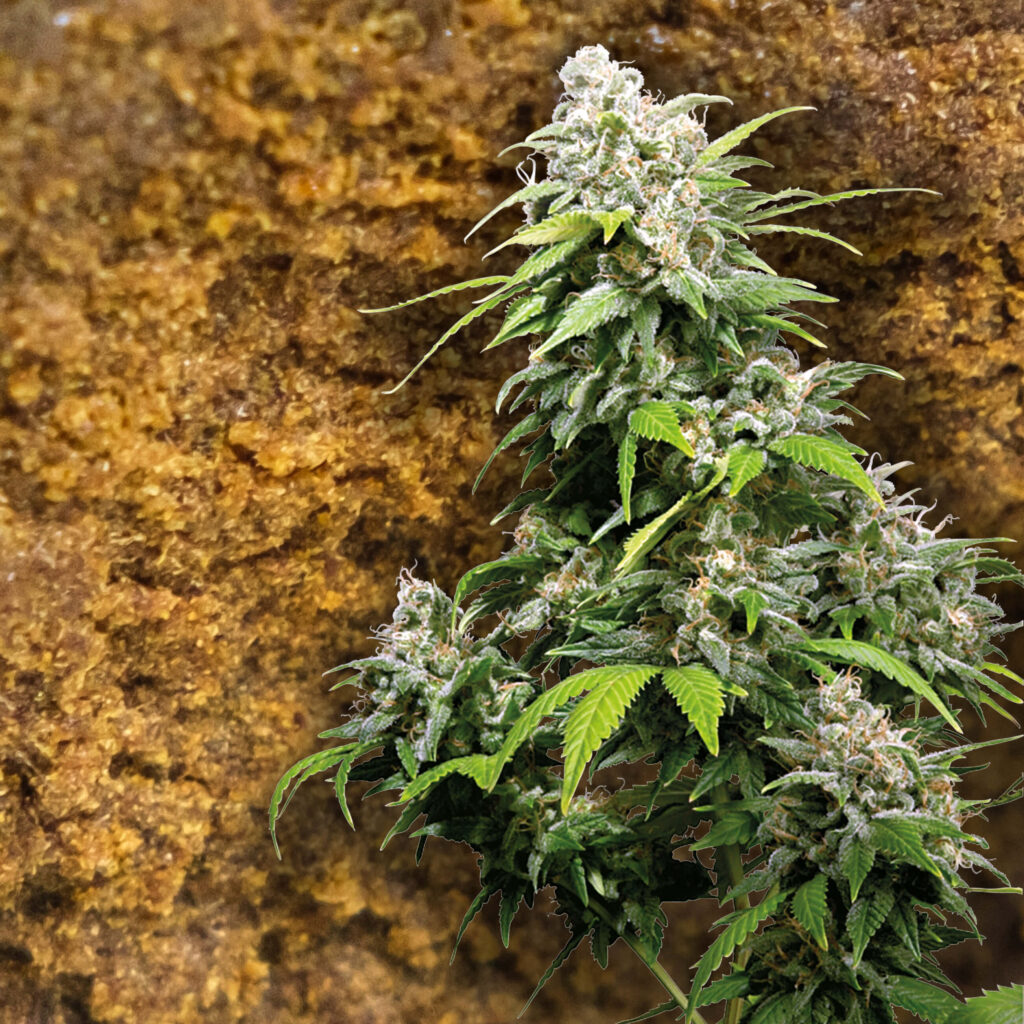
Genetics: Orange Bud x Afghan hash plant (65% indica)
Aromas/flavours: Sweet citrus and spice
Growth traits: Resilient plants that perform well indoors or outside (even in continental climates). Harvest-ready after 45-50 days.
Why it’s great for hash: Descending from the almighty Orange Bud, California Indica boasts the undeniable flavour and frosty resin production that has made Cali weed so famous. Her dense flowers deliver great returns, while her sweet orange notes and uplifting buzz offer a welcome breath of modernity when compared to the darker flavours of more traditional hash strains. Get your regular or feminized California Indica seeds here.
Best for: Bubble hash and dry sift
5. Hindu Kush
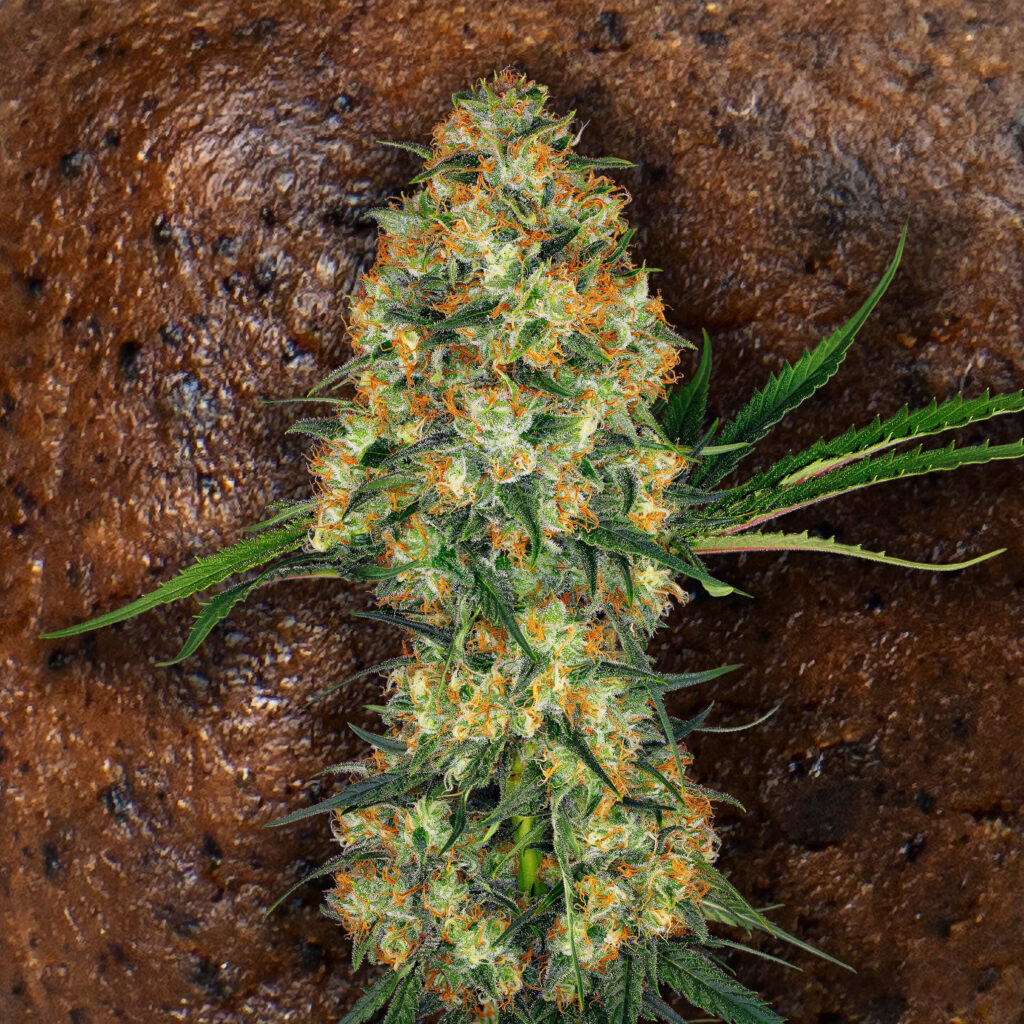
Genetics: Indica landrace
Aromas/flavours: Resin, sandalwood, and wet pine needles
Growth traits: Dark green, compact, and strong plantsthat are naturally resistant to pests and resilient to cold temperatures (a top pick for growers in cooler climates). Ready after 45-50 days in bloom and well-suited for outdoor gardens or indoor SOG setups.
Why it’s great for hash: The Hindu Kush mountain range produces hardy plants that naturally yield flowers covered with unbelievably dense resin, which locals have known to turn into spectacular hash for centuries. Use this strain to make top-shelf dry sift and charas with a soothing buzz and a pungent, piney aroma. Get your regular, automatic, and feminized Hindu Kush seeds here.
Best for: Charas and dry sift
6. Master Kush
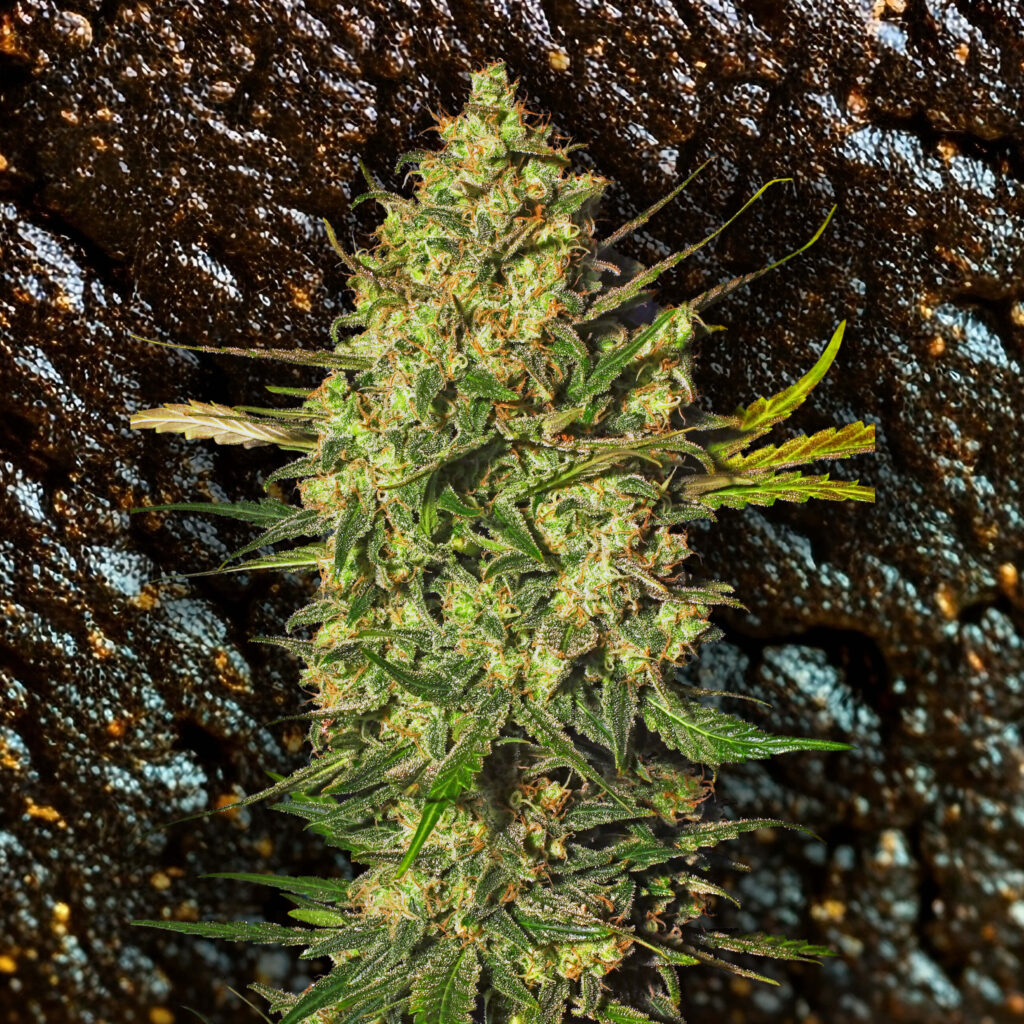
Genetics: Indian and Afghan landrace (95% indica)
Aromas/flavours: Earth, sandalwood, and citrus
Growth traits: Easy to grow and fast-flowering, Master Kush thrives in any setup. Despite her compact size, she delivers heavy harvests of frosty flowers that are ready after just 50-55 days in bloom.
Why it’s great for hash: The mission behind breeding Master Kush was to create a plant that further enhanced the natural qualities of the strain native to the Hindu Kush region. Prepare to harvest dense flowers caked in long trichomes, perfect for rolling charas (the traditional form of hashish from the Hindu Kush region) with a sharp aroma and warm body effect. Get your regular, feminized, or automatic Master Kush seeds here.
Best for: Charas, dry sift, and pressed hash
7. Papaya Jealousy
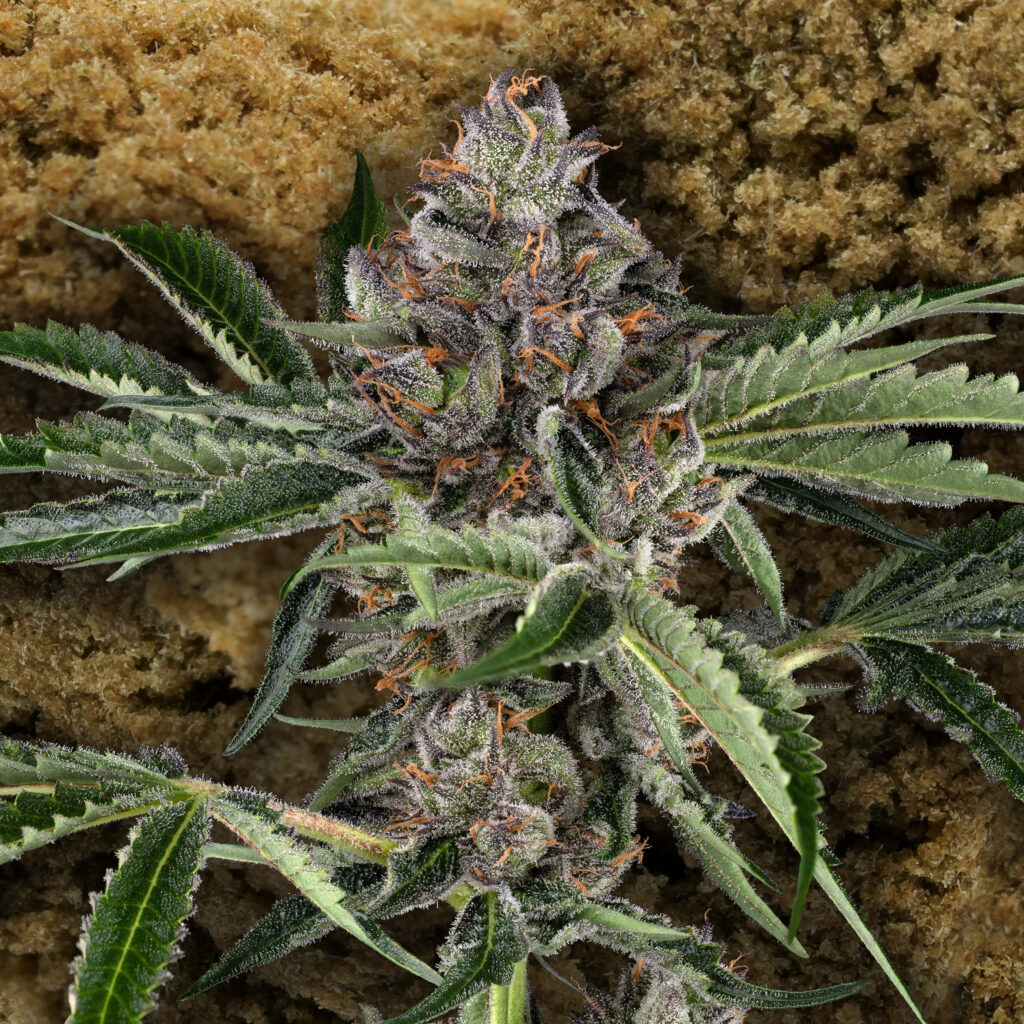
Genetics: Jealousy x Papaya (60% indica)
Aromas/flavours: Musky yet sweet papaya, cream, and citrus
Growth traits: Moderate-sized, modern hybrid plants bred for indoor cultivation. Papaya Jealousy reaches 70-110 cm indoors and up to 200 cm outside, and her compact morphology responds well to Lollipopping or SOG.
Why it’s great for hash: Looking for a strain that’s perfect for the production of rosin or modern solvent-based extractions like BHO? Papaya Jealousy boasts bold flavours with notes of tropical fruit, citrus, and cream, along with a powerful yet balanced buzz that produces immediate euphoria followed by a mellow body stone. Get your feminized Papaya Jealousy seeds here.
Best for: Ice water hash, rosin, or modern solvent extractions
8. Cosmic Kiss
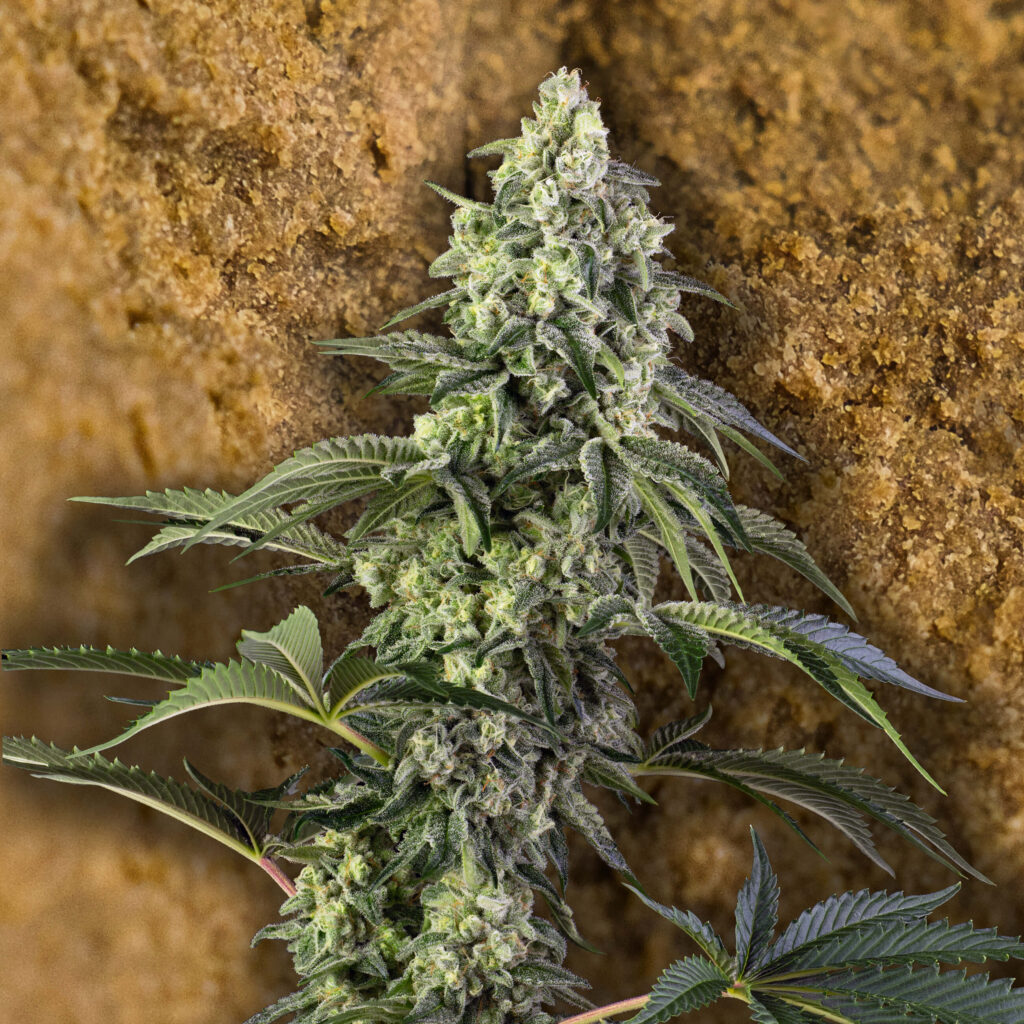
Genetics: Rainbow Belts 2.0 x Bacio (80% indica)
Aromas/flavours: Sweet, fruity, with citrus notes and earthy-floral undertones
Growth traits: Compact plants with a sturdy frame and closely spaced branches that stretch notably in pre-bloom. Plants respond well to training, including ScrOG, Supercropping, Lollipopping, and LST. Flowering takes 55-65 days.
Why it’s great for hash: Cosmic Kissis a heavy yielder and heavy resin producer, meaning her buds deliver great returns when processed or distilled. Moreover, the strain’s unique, fruity profile shines in ice water or solvent-based extractions, and its high induces a happy euphoria with creativity and mental clarity, followed by a long-lasting, deep body buzz. Get your feminized Cosmic Kiss seeds here.
Best for: Bubble hash and solvent extractions
9. Candy Hash

Genetics: Gelato #41 x Hash Plant (70% indica)
Aromas/flavours: Candy-sweet tropical, citrus, and berry notes
Growth traits: Typical indica growth, with short lateral branches and thick foliage. Ideal for temperate climates, thanks to her resilience to cooler temperatures.
Why it’s great for hash: Candy Hashcomes from Sensi Seeds’ Breeding Grounds collaboration with Sherbinskis. Combining Mario Guzman’s famous Gelato #41 with the iconic Hash Plant, Candy Hash delivers a thick coating of sugary resin that guarantees excellent hash yields. Plus, her sweet fruit flavours and heavy body stone shine in any hashish preparation, from traditional dry sift to more modern extractions. Get your feminized Candy Hash seeds here.
Best for: Bubble hash, solvent-based extractions, and rosin
10. Mr Nice G13 x Hash Plant
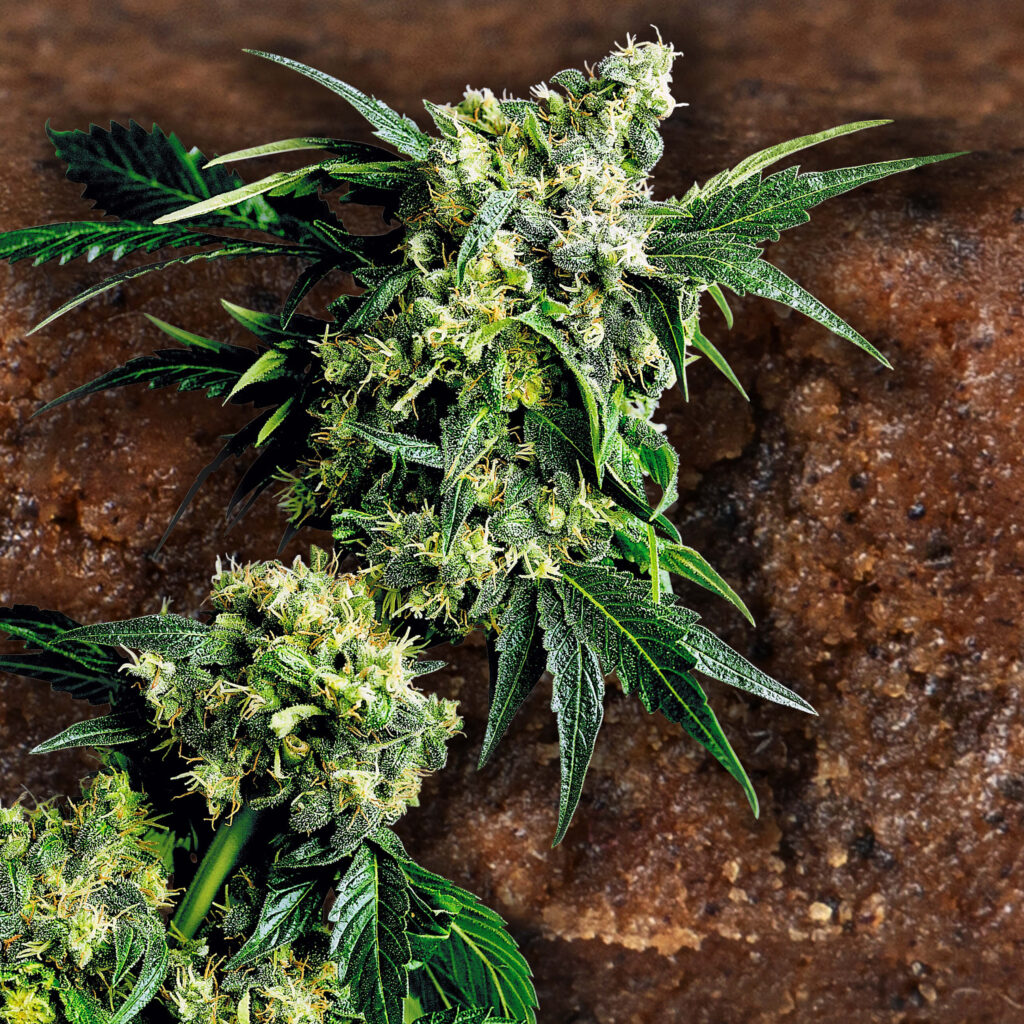
Genetics: Mr Nice G13 x Hash Plant (100% indica)
Aromas/flavours: Upfront notes of spice and earth with sweet undertones
Growth traits: Compact, bushy indica growth reminiscent of Afghan landraces. Plants develop a thick central stem and bushy side branches, and flourish in warm, dry climates. Flowering takes 60-65 days.
Why it’s great for hash: Boasting double Afghan genetics, Mr Nice G13 x Hash Plant produces spectacularly frosty flowers with traditional hashish aromas. Whether you sift, press, wash, or extract her in a solvent, Mr Nice G13 x Hash Plant produces hash that’s delicious and deeply soothing. Get your regular Mr Nice G13 x Hash Plant seeds here.
Best for: Dry sift, pressed hash, and ice water extractions
11. Beldia
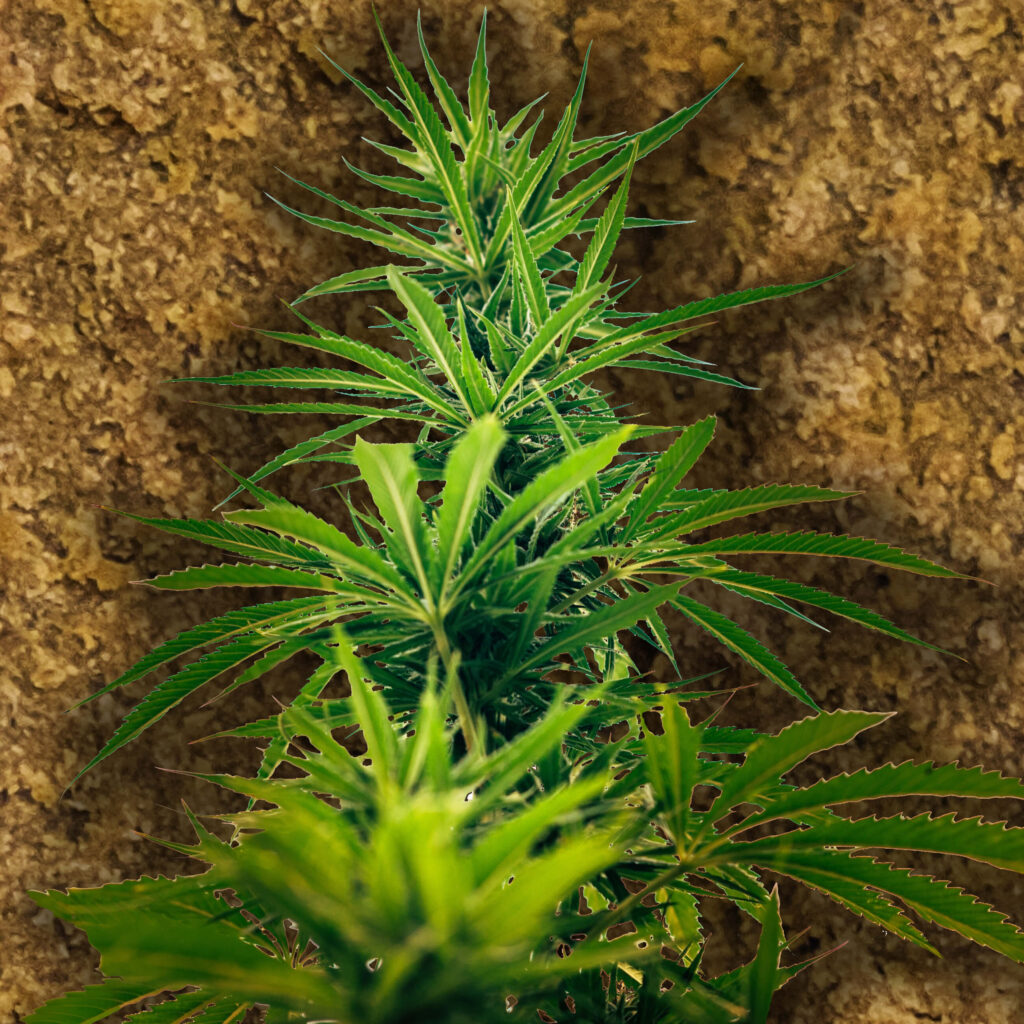
Genetics: Landrace
Aromas/flavours: Honey and mint with hints of spice
Growth traits: Resilient plants with narrow leaflets and long, fibrous stems reminiscent of industrial hemp varieties. Fast-flowering and high tolerance for poor growing conditions.
Why it’s great for hash: Beldia is the pride and joy of growers in Morocco. While its origins are shrouded in mystery, Beldia is renowned for its long, resinous flowers and sweet, minty aroma (reminiscent of the sweet mint tea so popular in Morocco). This strain is also believed to be rich in CBD, which likely contributes to its soothing, mellow effect.
Best for: Traditional dry sift hash
Related post
Boutique selections from the hash making community
Growers and hash makers on forums like Reddit are also giving a ton of love to the following boutique hash strains:
- Strawberry Guava by Bloom Seed Co. (and its offspring, such as Dulce de Fresa and The Fizz)
- Queen of Diamonds by Twenty20 Mendocino
- GMO and its many offspring
- Wilson crosses from Masonic Seed Co.
- Super Boof by Blockhead Buds
Related post
Growers guide: How to maximise resin production when growing weed for hash
Once you’ve picked one of the best hash strains featured above, there’s plenty you can do in the grow room to ensure an extra resinous harvest and high returns when sifting, pressing, or extracting hash.
First and foremost, plant health is key. Carefully nurse your delicate clones or seedlings, and create the perfect environment for veg and flower. Pro tip: Many hash makers like to keep their bloom rooms cool and dry during the final weeks pre-harvest to promote the growth of thicker resin heads.

Training techniques like LST, Lollipopping, and Supercropping can encourage higher yields and optimise light penetration through your canopy, promoting the growth of bigger flowers with more resin. Of course, you should do everything in your power to minimise the presence of pests or pathogens, which can ruin entire harvests.
While your plants are in bloom, avoid handling their flowers as much as possible. Every time you touch a cannabis flower (regardless of whether you’re using gloves), you will oxidise and degrade its trichomes.
Dry-sift hash
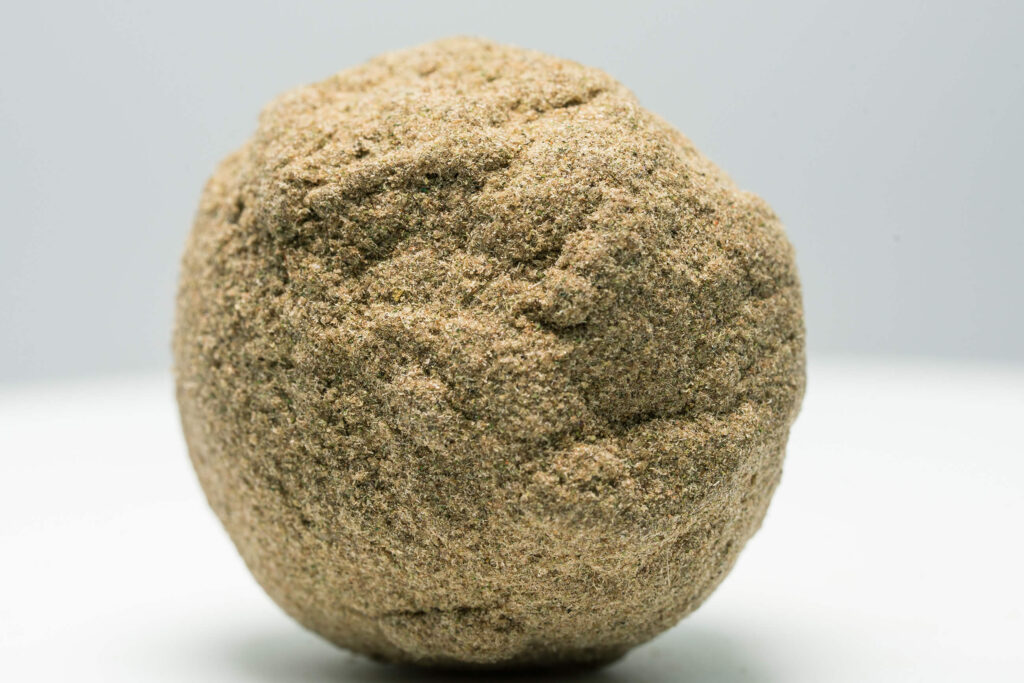
When making dry-sift hash, let your plants dry a little longer than usual. This lets the flowers develop brittle resin heads that are easily separated during sieving. In Morocco, Lebanon, and Afghanistan, hash makers traditionally let their outdoor plants dry in the sun for this reason.
Bubble hash
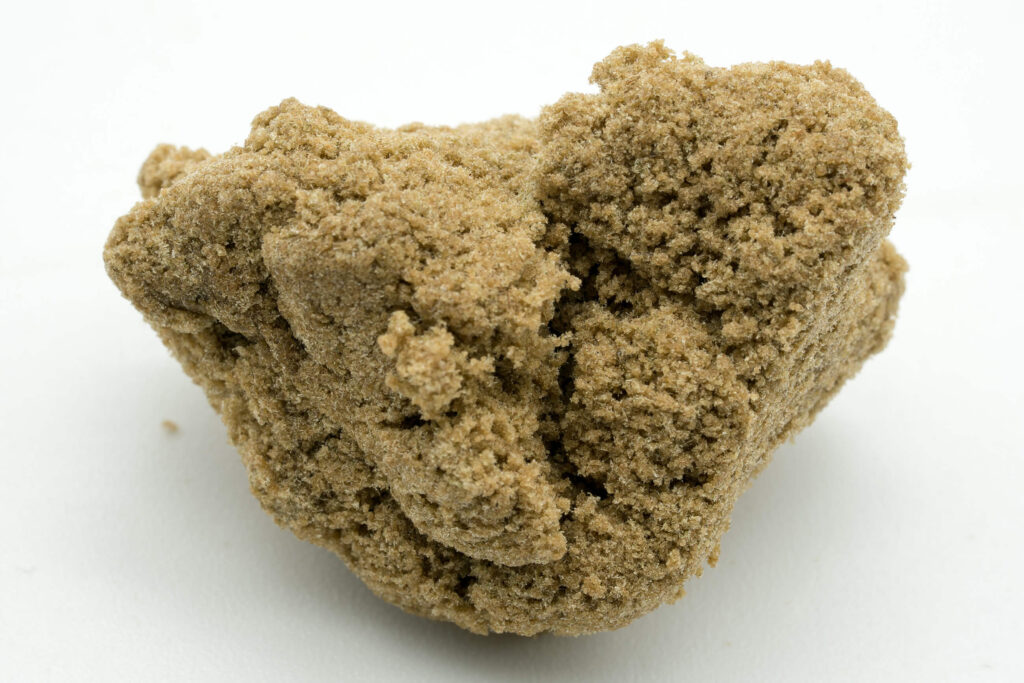
For bubble hash, on the other hand, harvest your flowers at their peak ripeness (when trichomes are a mix of milky and amber). Flash-freeze the buds and any trim you plan to use for hash immediately after harvest (i.e. without drying). This preserves fresh terpenes and creates brittle trichomes that separate easily during ice water extraction.
Solvent-based extractions
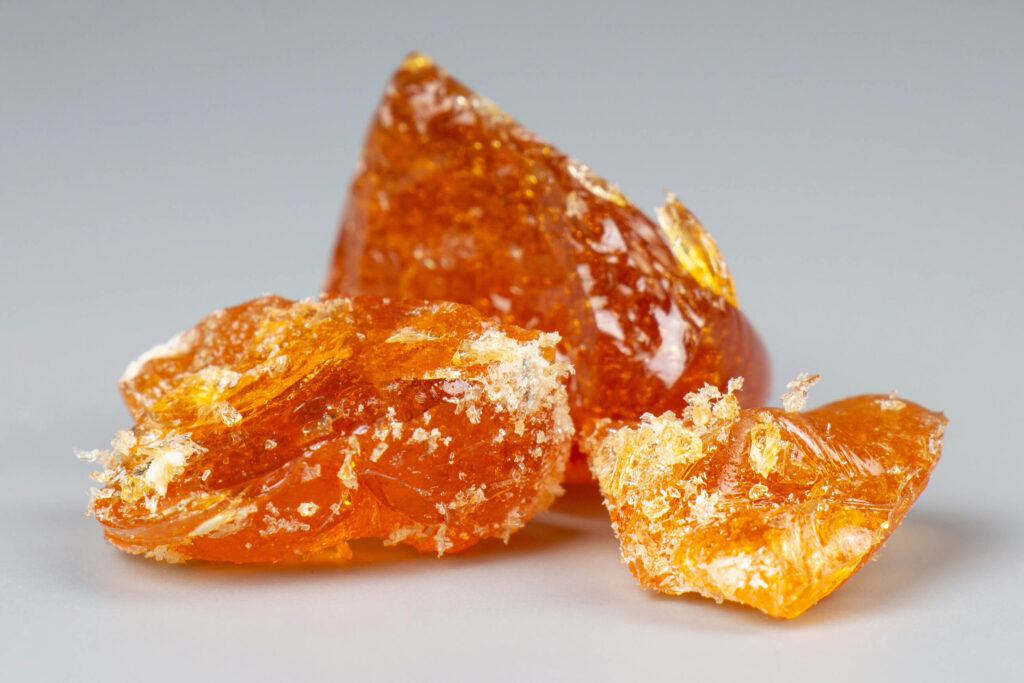
For solvent-based extractions (like BHO and ethanol), harvest your flowers when they are mature, dry them, and cure for at least 2-4 weeks to allow their aromas to develop (note that how long you cure your flower is a personal choice).
Note: Making BHO is a dangerous process. Do not try it at home.
Charas
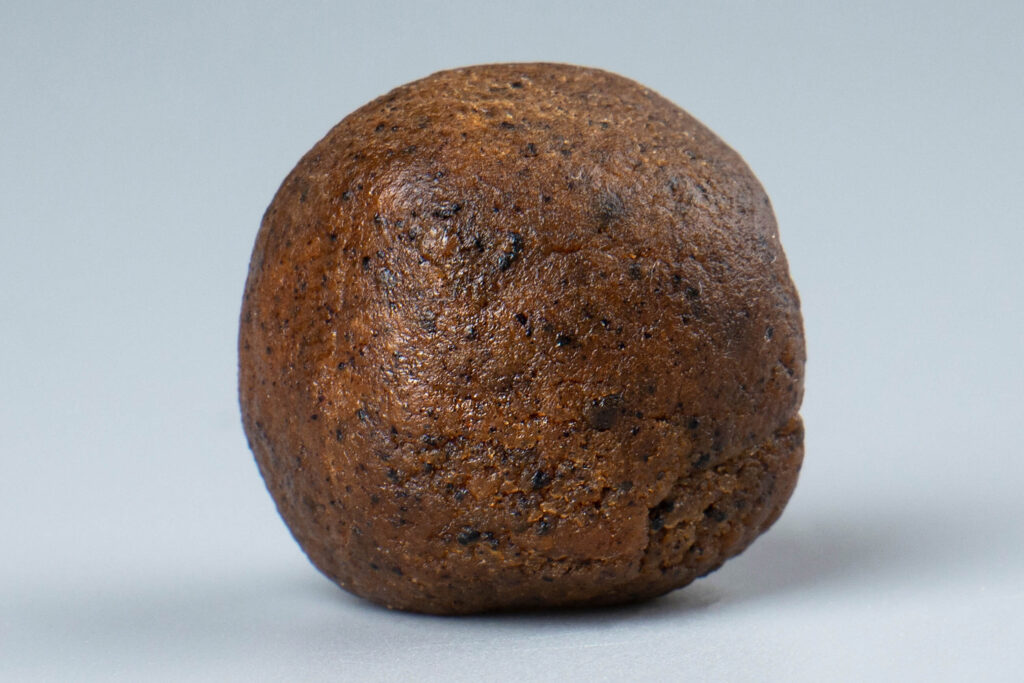
Finally, when making charas, hand rub entire live colas between your hands (ideally in dry conditions). The friction will cause the resin from the flowers to stick to your hands. Collect and press the resin together into balls or sticks.
Best strains for hash FAQs
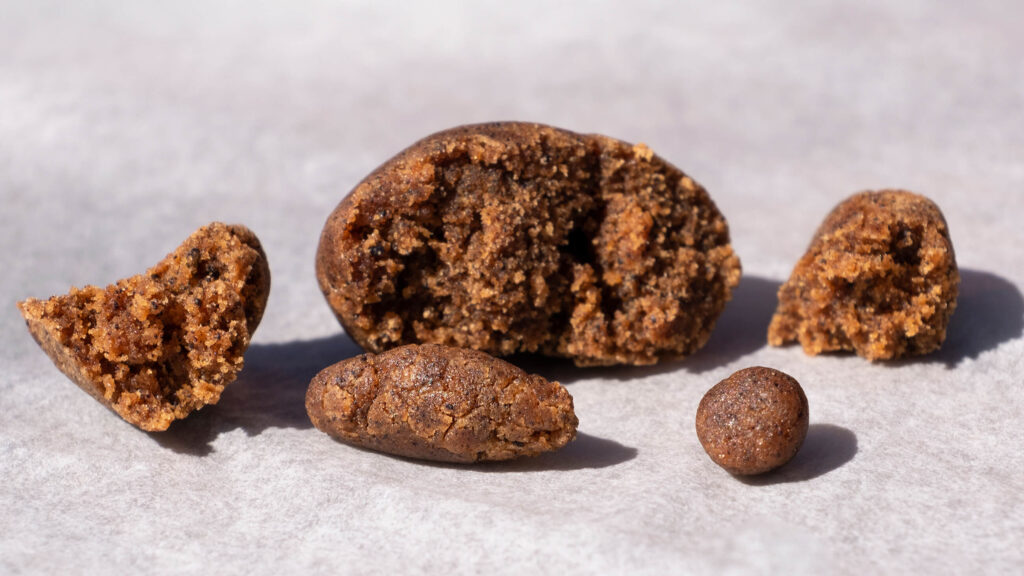
A: The best hash strains are those that produce lots of capitate-stalked trichomes. These trichomes contain the most resin, and therefore help create hash that’s potent, aromatic, and flavourful.
A: Today, there are many cannabis strains capable of producing large amounts of resin. Afghani #1, Hash Plant, and Beldia are some prime old-school examples, but modern hybrids like Candy Hash and Papaya Jealousy perform just as well.
A: Traditionally, indica strains would produce more resin than sativa varieties and therefore were prized for hash making. Today, however, there are many great sativa hash strains out there, including Sour Diesel, Durban Poison, Super Boof, and Strawberry Guava.
A: Of course! Hash is made from trichomes, and can be made from any cannabis strain with good resin production!
Related post
Hunt down your favourite hash strain now!
Centuries after it was invented, hash continues to bridge the gap between cannabis tradition and innovation.
Whether it’s being made in a humble, sun-beaten home in Morocco’s Rif mountains or a high-tech lab in California, every form of hash shares the same foundation: rich resin. And the best way to get a resinous harvest is to grow the right genetics.
Strains with a natural tendency to develop thick, resinous flowers ensure a great hash harvest, whether you’re sifting, pressing, washing, or blasting your buds with solvent!
But don’t just take our word for it: share your favourite hash strains with us and our readers below!
- Disclaimer:Laws and regulations regarding cannabis cultivation differ from country to country. Sensi Seeds therefore strongly advises you to check your local laws and regulations. Do not act in conflict with the law.

Really great article buddy👌, well put together
I’m looking for a pure indica hash with high thc levels- any suggestions?
Hasp Plant, Maple Leaf Indica, Black Domina
Great read!
Good afternoon Sean,
Thanks so much for your support!
If you’re a big hash fan, you might also enjoy our article on How to Make Hash? Dry-sift, Charas, and Bubble Hash
Have a great day!
Mark
Well, the best hash strains are those produced with high quality.
How can I be sure what I have is authentic hand rubbed Nepalese hashish?
You order it from Nepal.
But Nepalese hash is the way it is collected and come in round balls. They aren’t cured the same way as sticky
In Canada, British Colombia especially, make it the same. Of course,the Afghani sticky consistency,comes from curing time by cannabis experts.
I personally don’t care for it since it’s way to low in THC and a crazy cough for this old girl.
I have something that looks like hash but not for sure wat it is how do I find out
Hi Megan,
My professional and personal advice is ‘never put anything in your body that you can’t identify’, so if you are in any doubt at all, do not consume it! Hash comes in many types, as this article explains, so it is not possible to give you a definite answer based on your question. Here are a couple of things you can try though, more as an experiment than a definitive guide:
– Warm a bit of it with a lighter. Hash should soften and bubble (look closely, the bubbles are very small). It should produce white or pale grey smoke. If the smoke is black, do not consume it. If there is no smoke and the ‘hash’ stays hard, do not consume it. If the smoke smells bad – plastic-y or like chemicals, or just unpleasant – also no.
If you leave the lighter held to it, hash will catch fire within a few seconds. If this doesn’t happen, be suspicious.
– Put it in the fridge. Hash should harden within about a minute. If it stays soft, this is a warning sign. At average room temperature (18 – 20 degrees C), hash should be hard enough to make a tapping sound if you tap a hard surface with it. After two minutes in the fridge, it should be noticeably harder; if it stays soft, do not consume it. Holding it your hand for a few minutes should be enough to warm it up and make it soft again. If you hold it and play with it long enough, it becomes a bit like Plasticine (which is sometimes used to cut hash, so this is why you should test it in the fridge – Plasticine does not go hard as quickly when it is cooled).
Finally, if you possibly can, find someone you can trust who has experience and ask them to have a look at it. I understand though that this may not be possible, which is why you are posting here. Good luck, and I hope this information is helpful.
With best wishes,
Scarlet
Wow!!!
Ich bekomme Haschisch von sehr guter Qualität, glaube ich. Es stimmt alles, Geruch, Optik, Konsistenz, Geschmack und Wirkung. Nur wenn ich ein kleines Stück verbrenne entsteht jedesmal ganz schwarzer Qualm. Nicht beim Rauchen. Nur wenn ich ein kleines Stück verbrenne um zu sehen, welche Farbe der Rauch beim Verbrennen hat. Ist das Haschisch trotz schwarzem Rauch beim Verbrennen trotzdem in Ordnung ??
They literally told you in this post..
I’m kinda in the same boat., but braved it and tbh..I’ve absolutely smoked worse before. It’s not unpleasant, though it is a bit rough…nice head stone though and no nastiness.. definitely have someone you trust have a look at it and see though if you can.
Scarlett has said everything that I would have.
All the best
Well what do you know? Looks like I produced a premium grade of hash when I harvested my two pants . My plants were huge ad produced big tricome covered buds. My hand rubbed preformed exactly as stated in the article. My dry sift and heat pressed discs look and smoke like you would expect a premium grade to act.
Hash can be good without bubbling. Even thought the bubble test is a good indicator it doesnt completly tell the truth.
This is true. Amazing hash can and does smolder.
Put on a stainless steel nail, capped with a glass/jar. Using straws..
Put in a dab rig.
Heck, shoved in a water pipe/ actual pipe…the measure is ash left.
Light and breezy..good.
Dark, smudge..bad…
May the road rise to our aspirations… 🙂
Completely agree as Indian Kumaoni Charas doesn’t belong bubble but can be a really good quality product
Good article.
I was searching for hash algorithms on google and ended up here, wut?
Well, give this a try.
Lol and I was vice-versa before.
Hand rubbed in afghanistan???????come on, this is the sensi seeds website……Ben,did you read it?
Hi Krug, thanks for your comment
Hand-rubbed hash is produced in Afghanistan, although it is not as common as hand-pressed and mechanically pressed, so I do see the point you are making. I will bring your comment to the attention of Seshata, the author of this article.
With best wishes,
Scarlet
Yea, that is a centuries to millennia long tradition of harvesting cannabis and opium poppy in the mountains of Afghanistan/Pakistan. Present day of them use the described method of mixing hash with opium in a ball because it stores long and is easier to hide from US soldiers on base or in village searches. in Joint US-Afghan Military bases and forward operating bases(FOB), many of my friends have said they were always finding heroin, hash, and opium on bases with afghan soldiers. there was like a 10 foot tall weed plant in one FOB. Wild opium poppy growing within 600 meters of the outer perimeter. The afghan regulars they were training/supporting all show mental and physical signs of starvation during childhood. They would get so high, they wouldn’t realize there was a mortar or sniper attack happening and were effectively incapacitated In the battle space. Sorry for the history lesson, but I find the history of cannabis and drug use in various cultures over history interesting.
Drug use is similarly common in the U.S armed forces… there’s a ton of bias in “war stories” hence the whole cliché of the exaggerating soldier. I see what you’re talking about but let’s not go around generalizing all the afghani troops.
So much to learn