


In this report, we’ll highlight our time with Lychee Sago Feminized. This incredibly versatile strain impressed us with its combination of manageable height, long internodal spacing (perfect for advanced growing techniques), dense buds, and high yields. Whether you’re a total beginner or a seasoned pro, you’ll like this one.
Total growing time: 98 days
Flowering time: 70 days
Final height: 93 cm
Final yield: 87 grams
THC content: 21.6%
Lychee Sago Feminized is a 50/50 hybrid bred by Sensi Seeds alongside Champelli for the Breeding Grounds 2026 lineup. By crossing Tokyo Snow with Fallout OG, breeders created a strain featuring genetics from Thai and Afghan landrace strains, OG Kush, Trainwreck, and more. These plants are a perfect blend of indica and sativa genetics; medium-height, somewhat bushy, dense buds, and long-lasting, balanced effects.
We grew our Lychee Sago Feminized cannabis plant in an 8-litre plastic pot filled with BAC Lava mix and set below a 1000 W lamp set to an 18/6 schedule. The grow space was maintained at a consistent 23°C during the daytime, with nighttime temperatures dropping slightly to 21°C. During vegetation, we kept the relative humidity at 65% before gradually lowering it as the plant approached harvest.
Germination & seedling
As with any grow, our first step is to germinate our seed. Simply fold up a paper towel and wet it with enough water so that it’s thoroughly damp, but not dripping wet. Next, set any seeds on top and cover them all with another dampened paper towel. Place everything into an open plastic bag and set it somewhere warm and out of direct sunlight.
After about a day, our seed had split open, revealing its thin white taproot and signalling that it was time to plant. We put our seed (taproot down) into a pre-soaked Rockwool cube, placed that beneath a 600 W lamp, and left it alone for a few days.
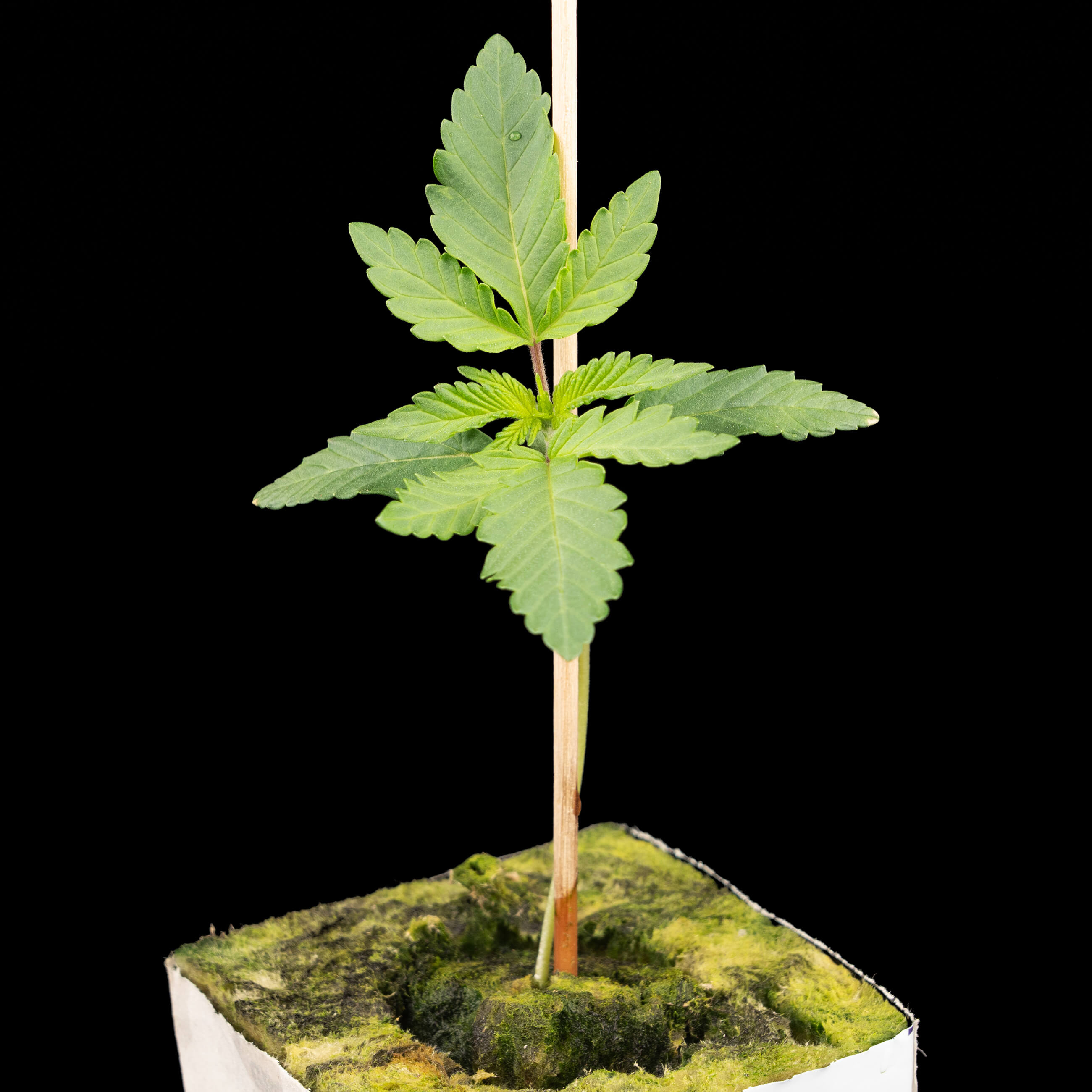
After three days, our seedling had sprouted, and it was time for its first feeding. At this delicate stage, it’s best to avoid giving a seedling any nutrients, and we began daily waterings with 100 ml of pH-balanced water (pH 6.0; EC 0.8) with a small amount of rooting hormone. After one week, our plant was standing 5 cm tall with multiple sets of leaves.
Vegetation
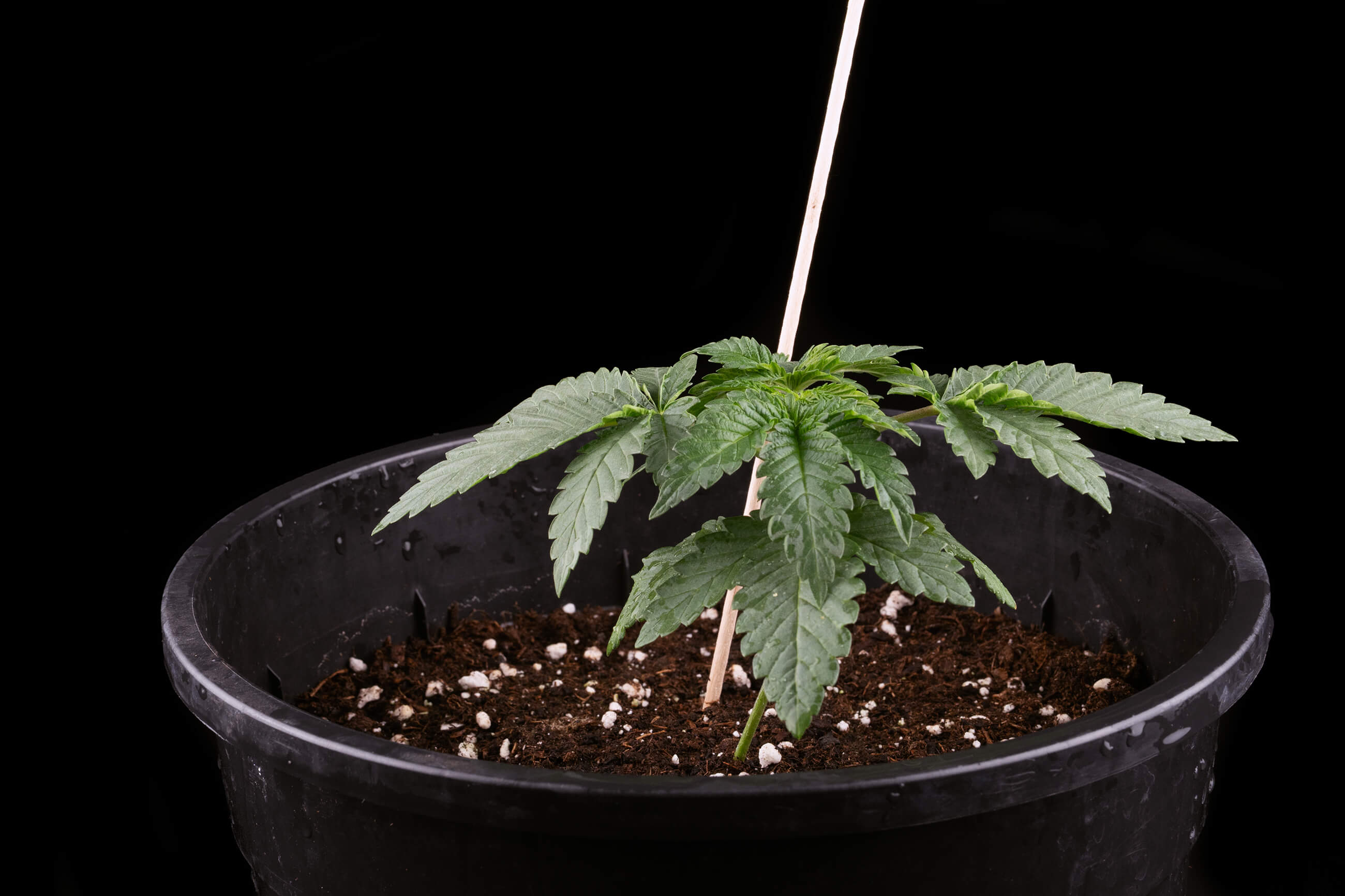
Through week two, our Lychee Sago Feminized’s roots were growing out of the Rockwool cube, and it was time to plant it into our 8-litre plastic pot and set it under our 1000 W lamp. This week saw our plant grow only slightly to reach 8 cm, and it developed two more sets of somewhat small, broad leaves with rather tight internodal spacing. Expecting growth to accelerate over the next week, we doubled the amount of daily water to 200 ml.
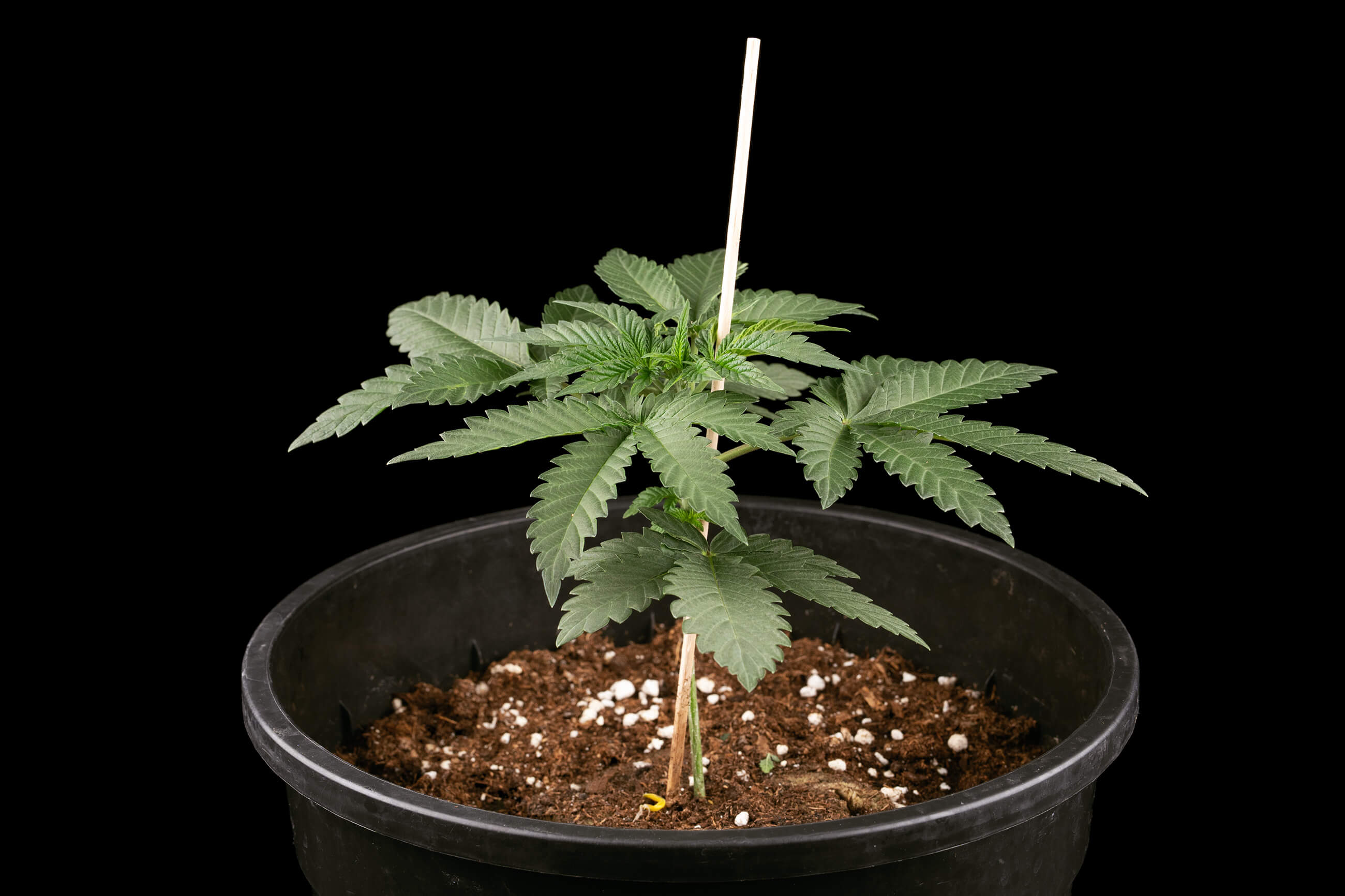
In week three, our plant nearly doubled in size, growing to a new height of 14 cm as the internodal spacing stretched considerably. This week also saw the first lateral branches begin to appear as small shoots at the lowest inner node. With flowering just a week away, we again doubled the volume of daily water to 400 ml.
As one last step before flowering, we added small satchels of Neoseiulus californicus and Amblyseius swirskii to the lowest branches. These small bugs have a symbiotic relationship with cannabis plants, meaning that they won’t harm the plant at all. These things will hunt down pests like thrips and spider mites before they can destroy a garden, and we replace the satchels every four weeks to keep a fresh supply.
Related post

Flowering
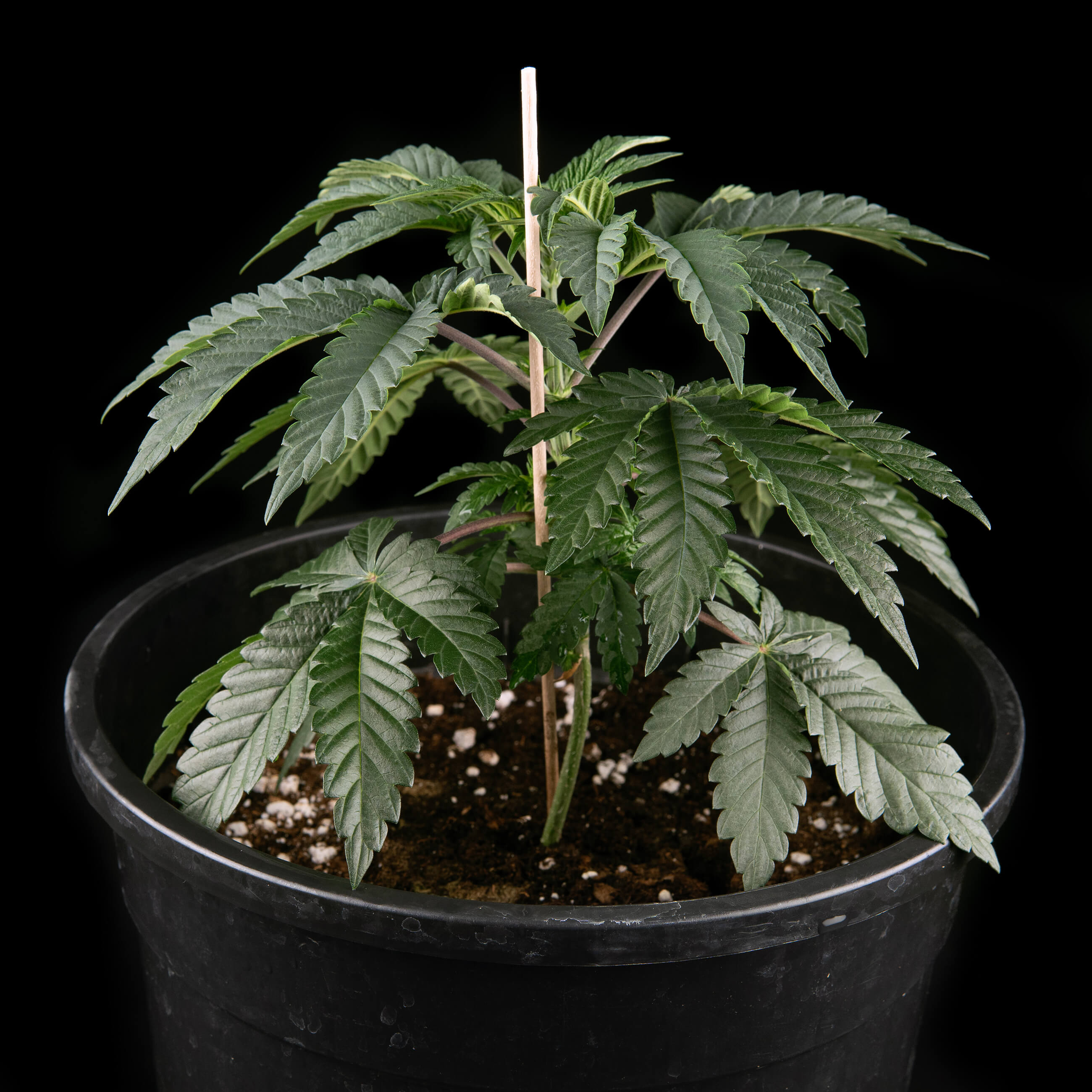
In week four, it was time to begin flowering our Lychee Sago Feminized plant by flipping our lights to a 12/12 schedule and lowering the humidity to 60%. At the same time, we began daily feedings with 800 ml of pH-balanced water (pH 6.0; EC 1.8) mixed with Bio Flower liquid nutrients. By the end of the week, our plant had reached a height of 19 cm, developing a somewhat open, stretched frame with somewhat long internodal spacing and no signs of lateral branches.
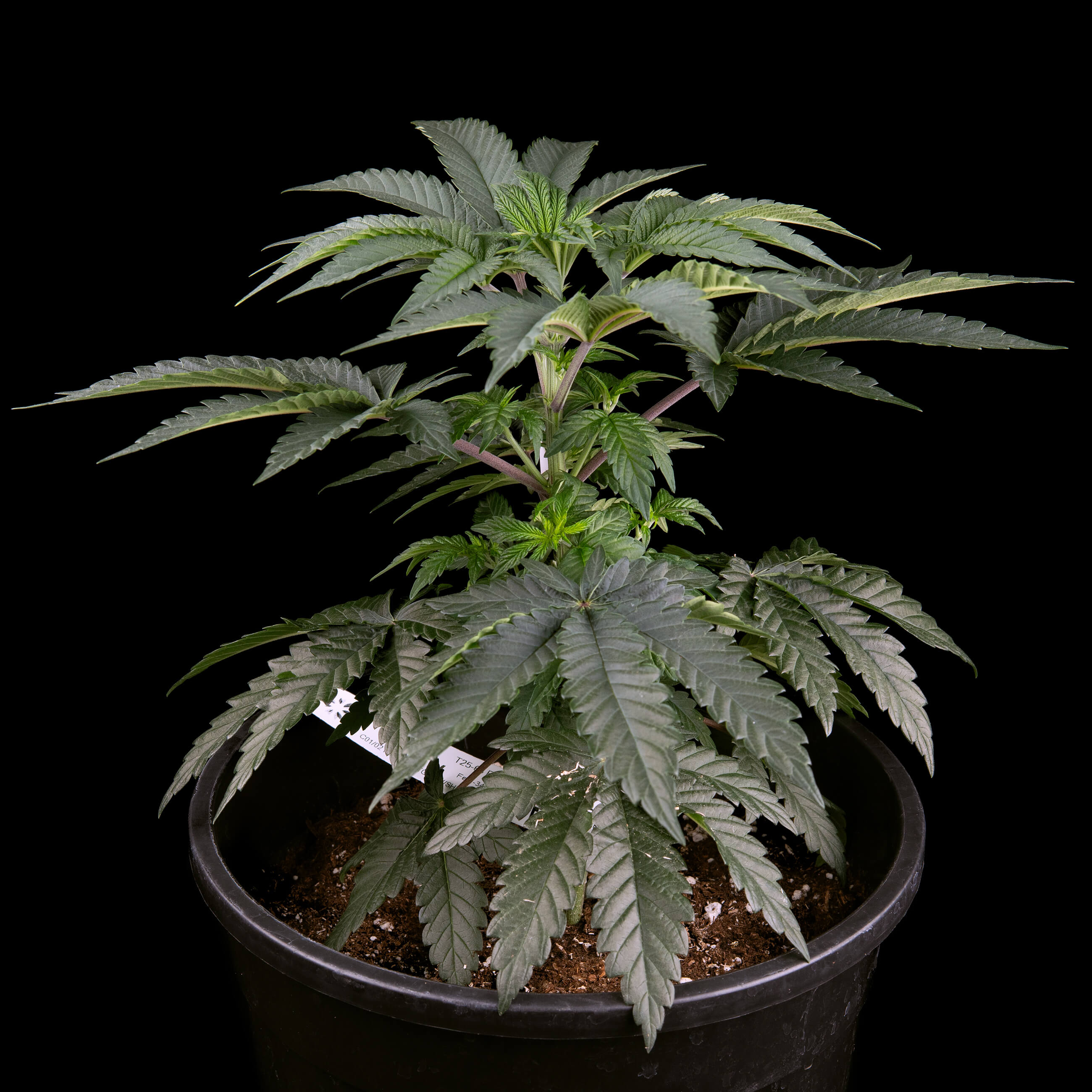
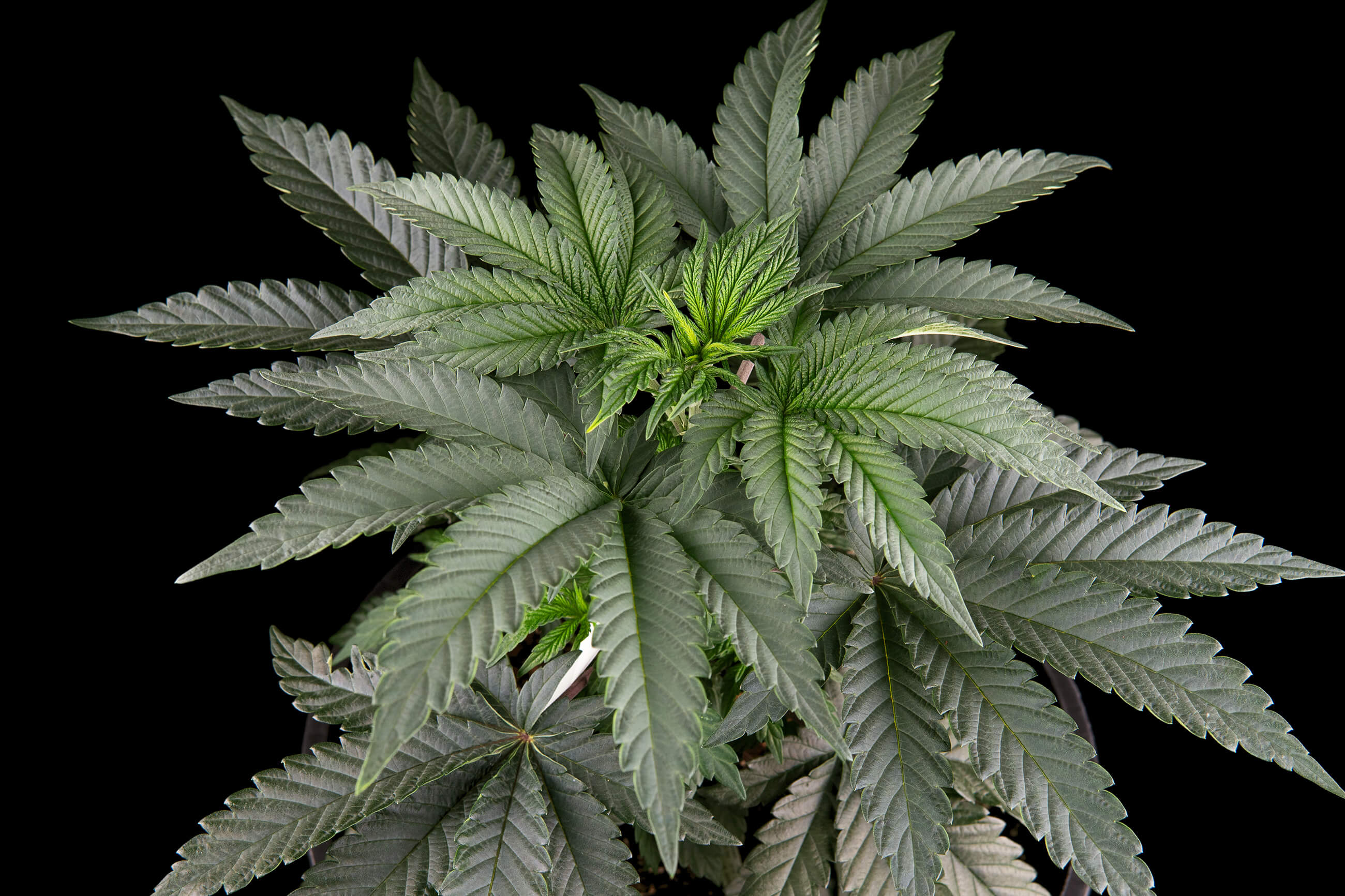
Week five saw an increase in vertical growth as our plant gained 9 cm to finish the week at 28 cm tall. Much of this new growth was due to new leaves on top of the main stem, while internodal spacing remained constant. This week also saw the lateral branches begin to properly take shape, though they were little more than small shoots at this stage. To support continued development, we increased our daily feedings to 1000 ml.
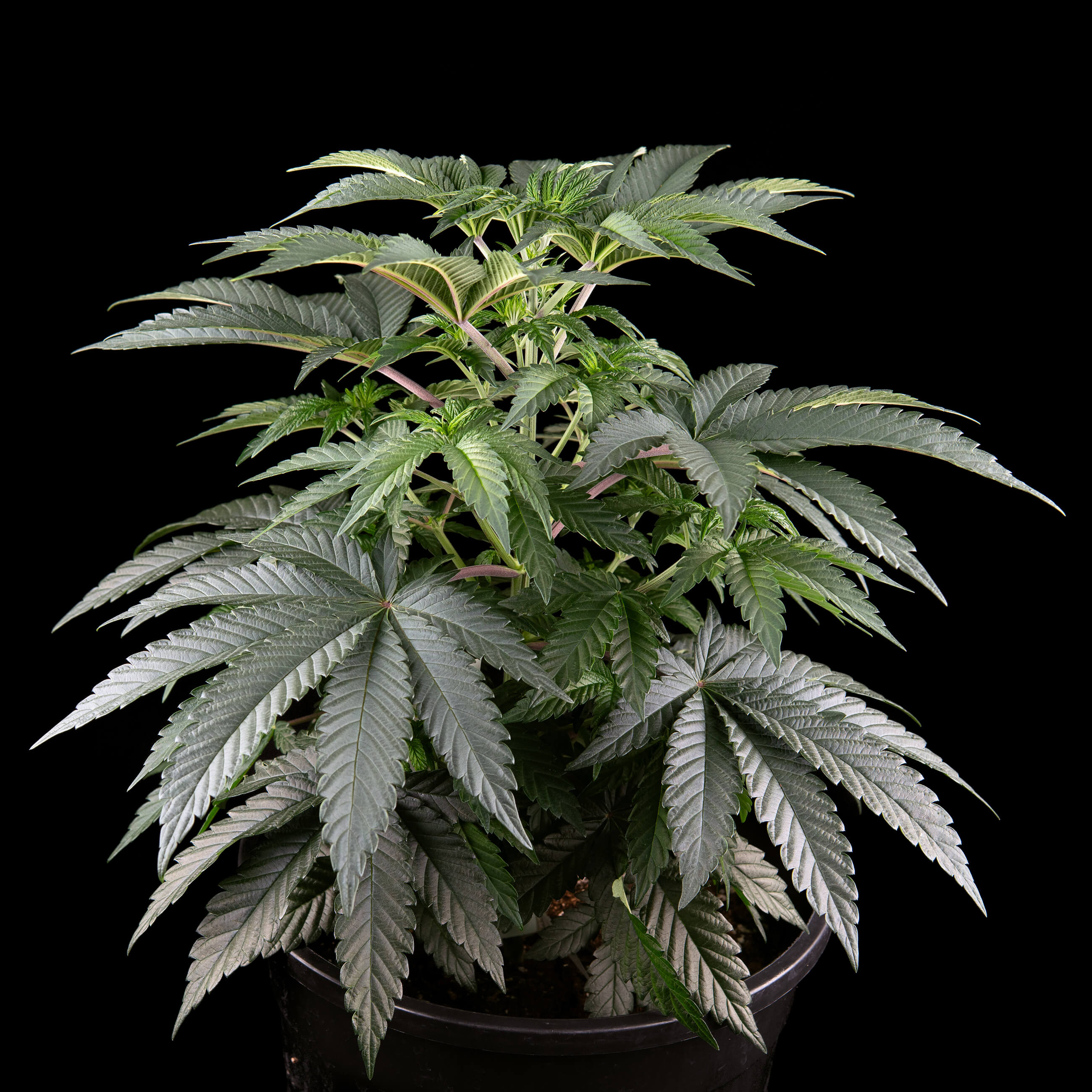
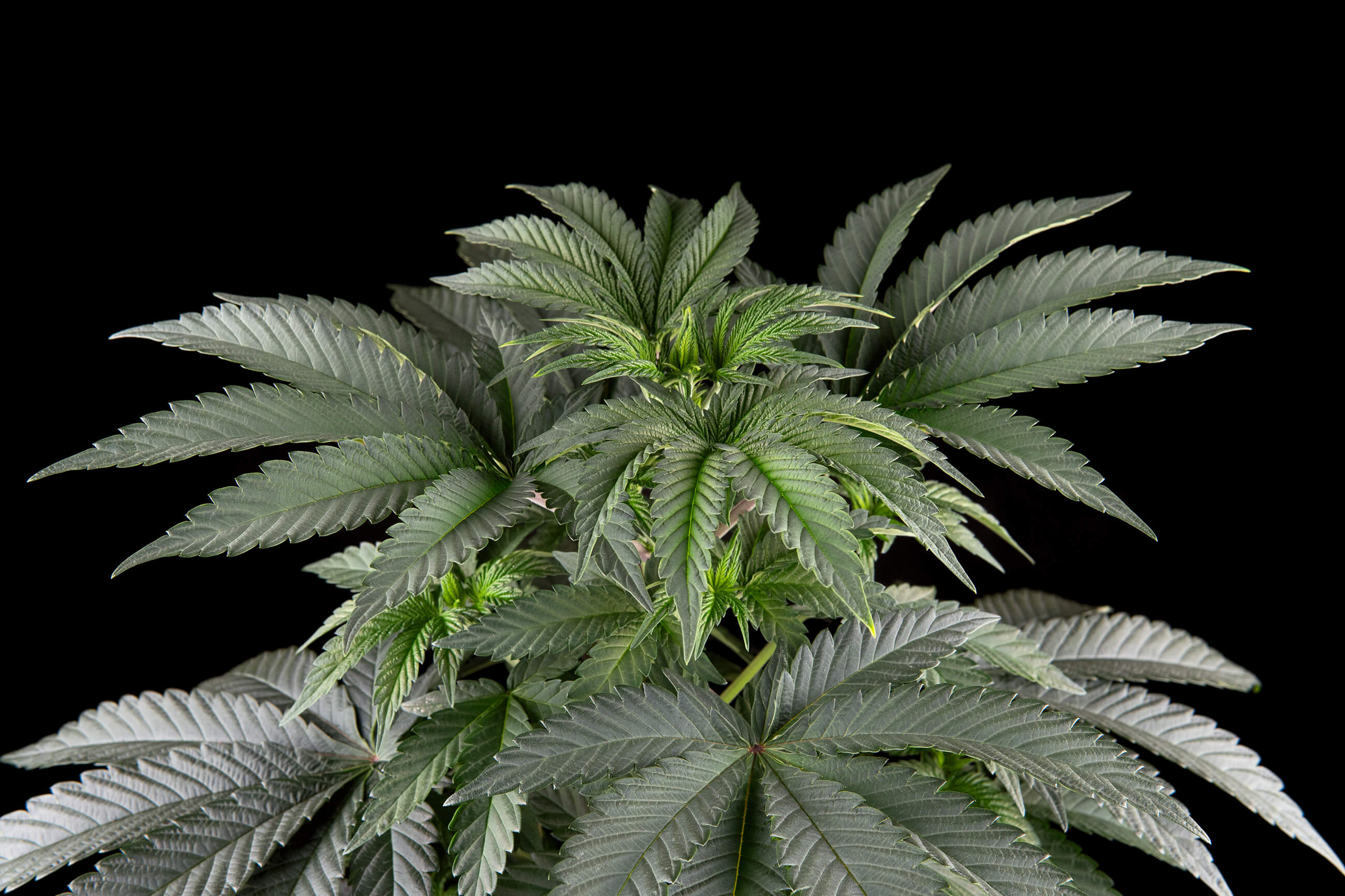
In week six, our plant continued its growth spurt, adding another 10 cm of height, reaching 38 cm. Much like the previous week, this growth was almost entirely new vegetation at the top of the main stem. The lateral branches were growing in quickly, though they were still fairly short and sticking close to the main stem, leading to an extremely bushy, somewhat compact shape. With flowering expected to begin soon, we increased our daily feedings to 1500 ml per day.
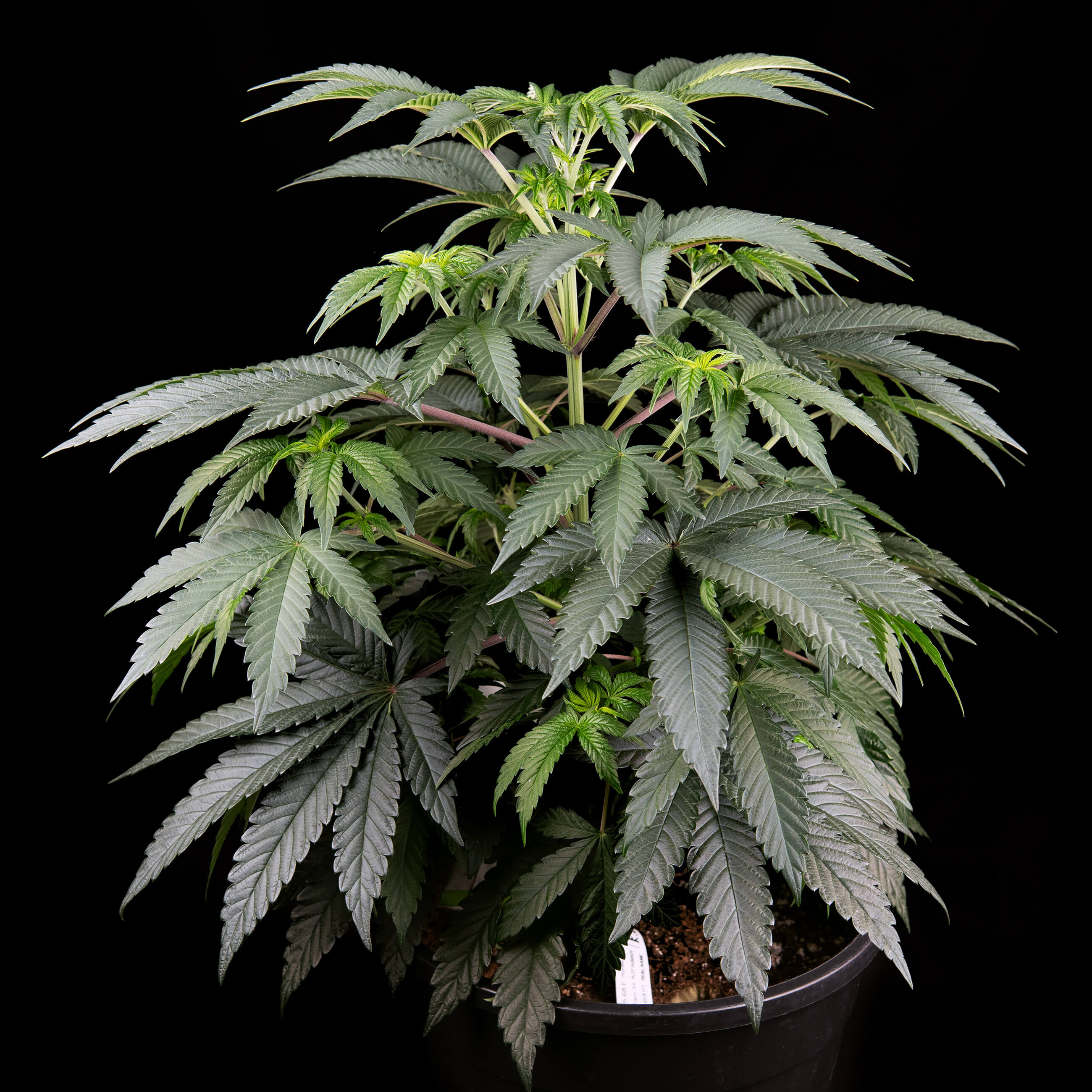
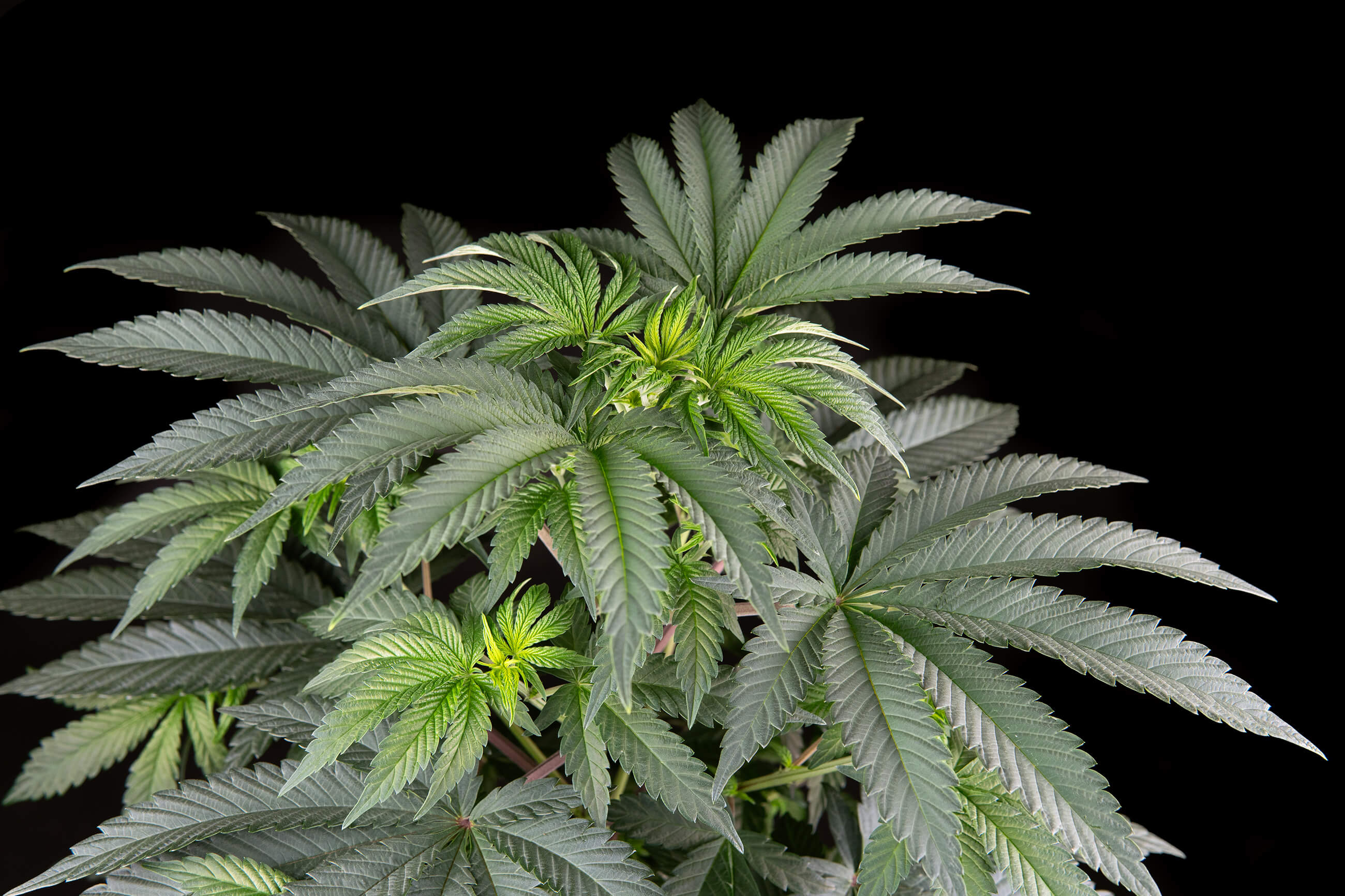
Over week seven, it underwent its first major growth spurt, gaining 15 cm, finishing the week at 53 cm. Once again, most of this increase came from vegetation on the main stem along the main stem, which was slowly rising above the lower canopy as lateral branches began to grow rapidly and nearly vertically.
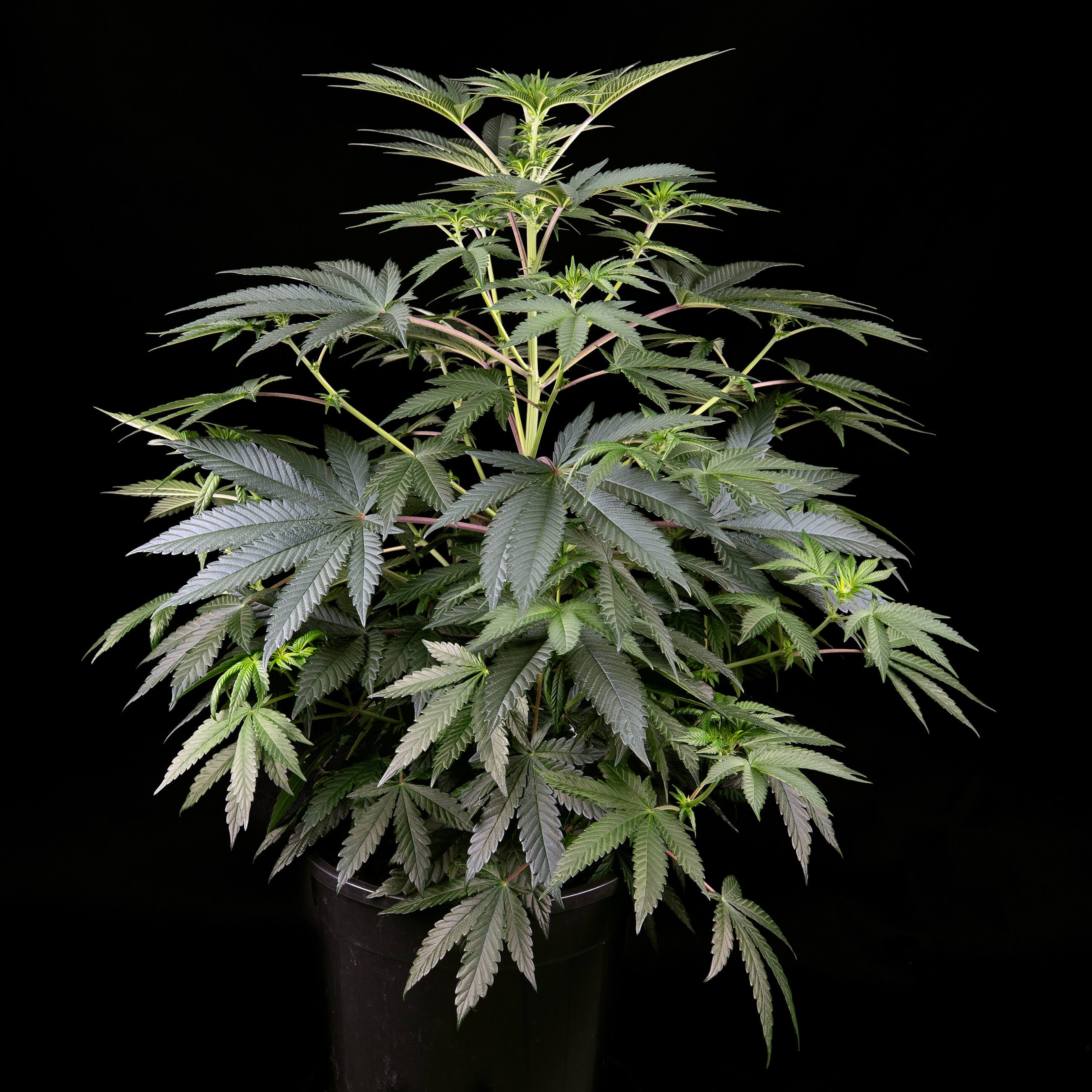
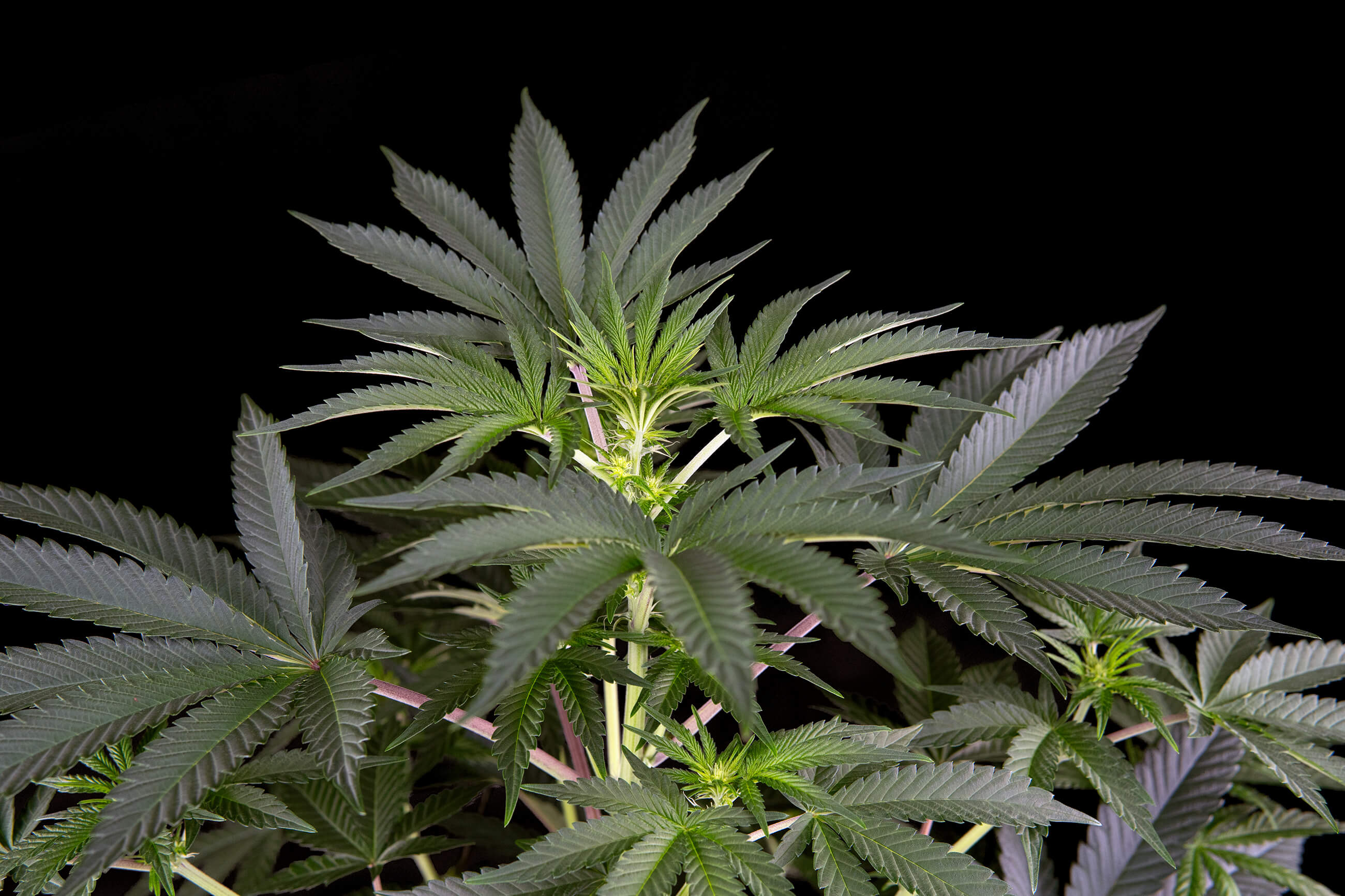
Week eight saw another round of explosive growth, with our plant climbing 15 cm to reach 68 cm. While vertical growth remained steady, lateral branches were growing at an ever-faster rate, doubling in size and growing outwards at angles of 45° or more. This helped to give the plant a less bushy frame, allowing for increased airflow and light penetration as the first signs of flowering appeared at the tips of branches.
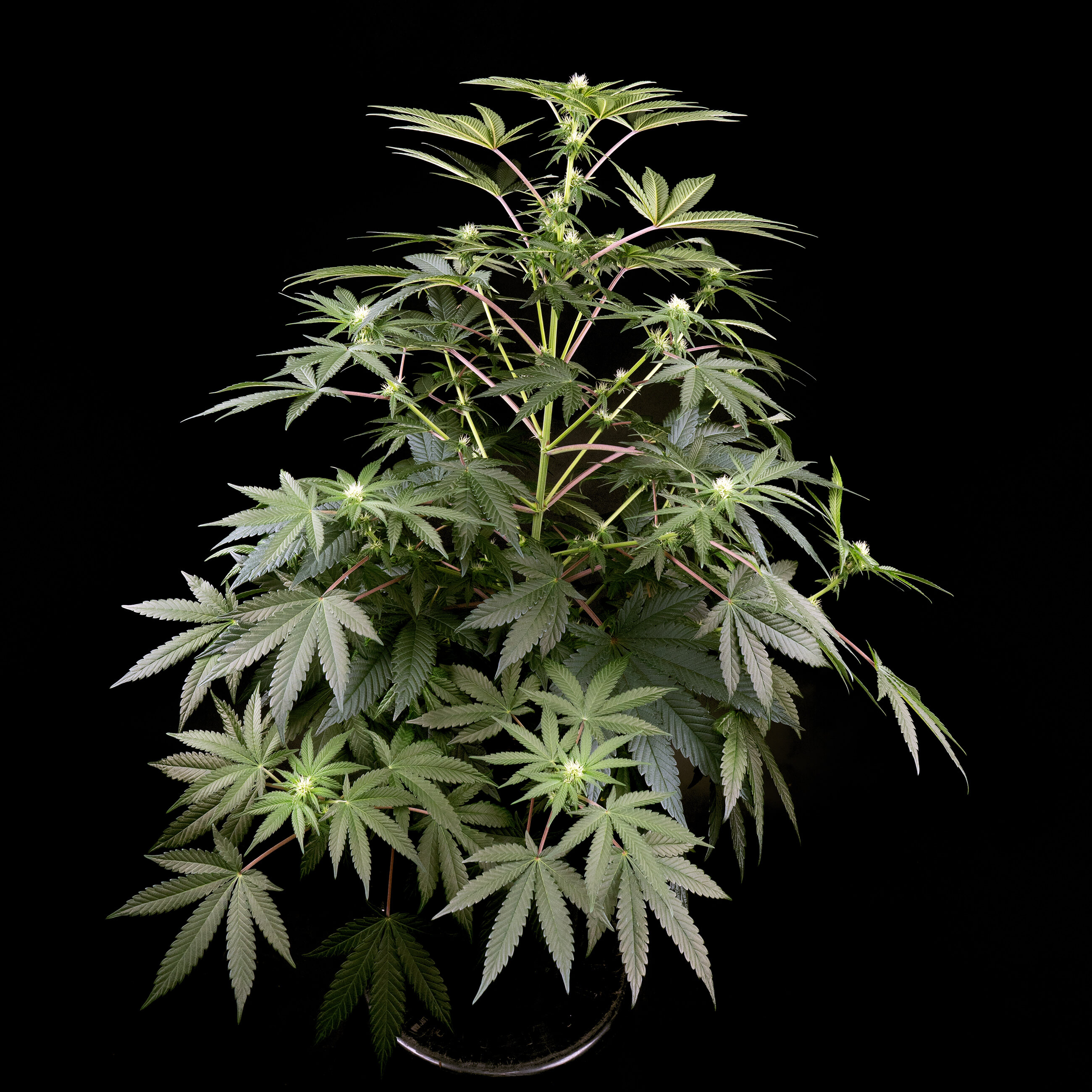
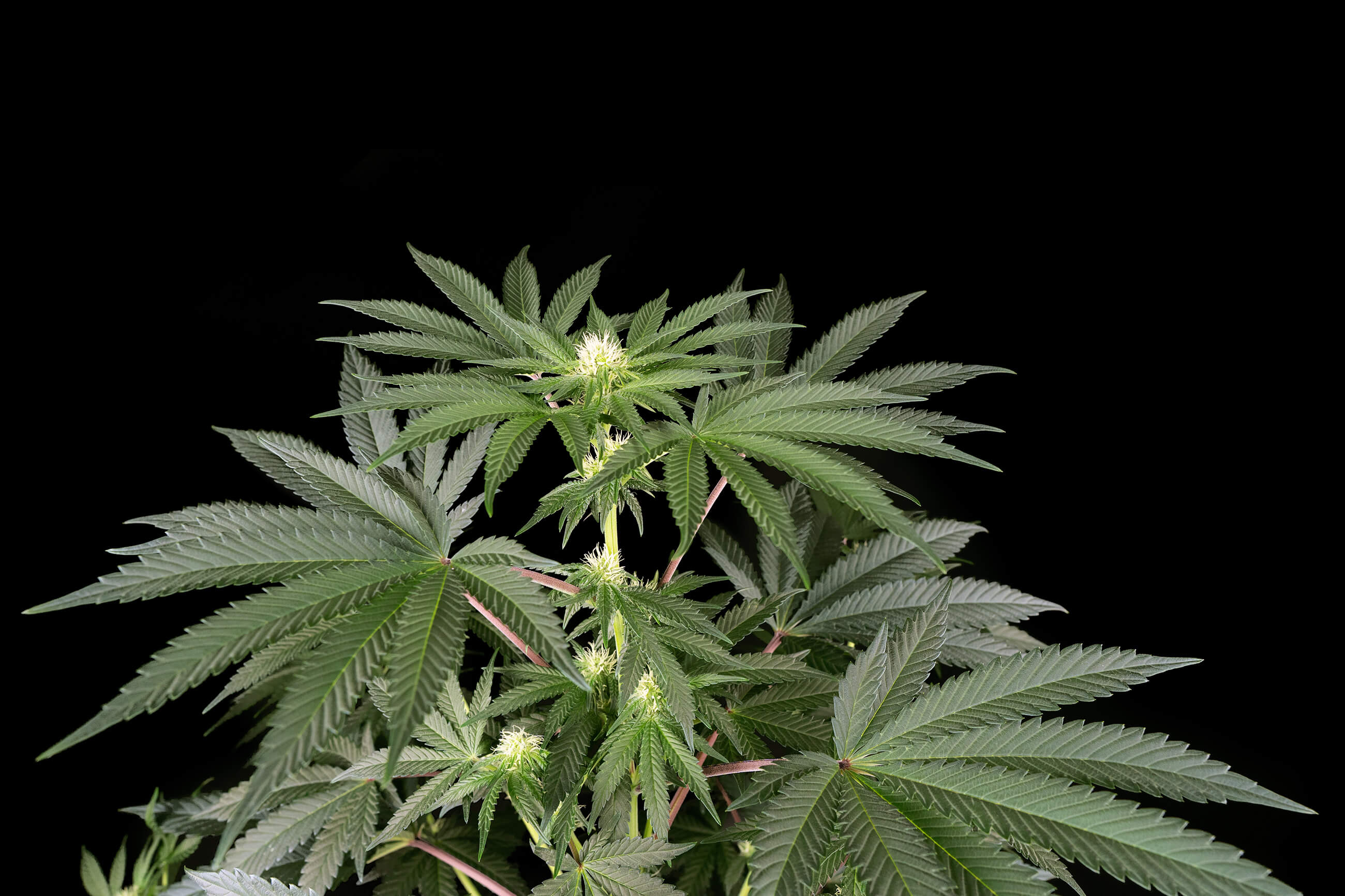
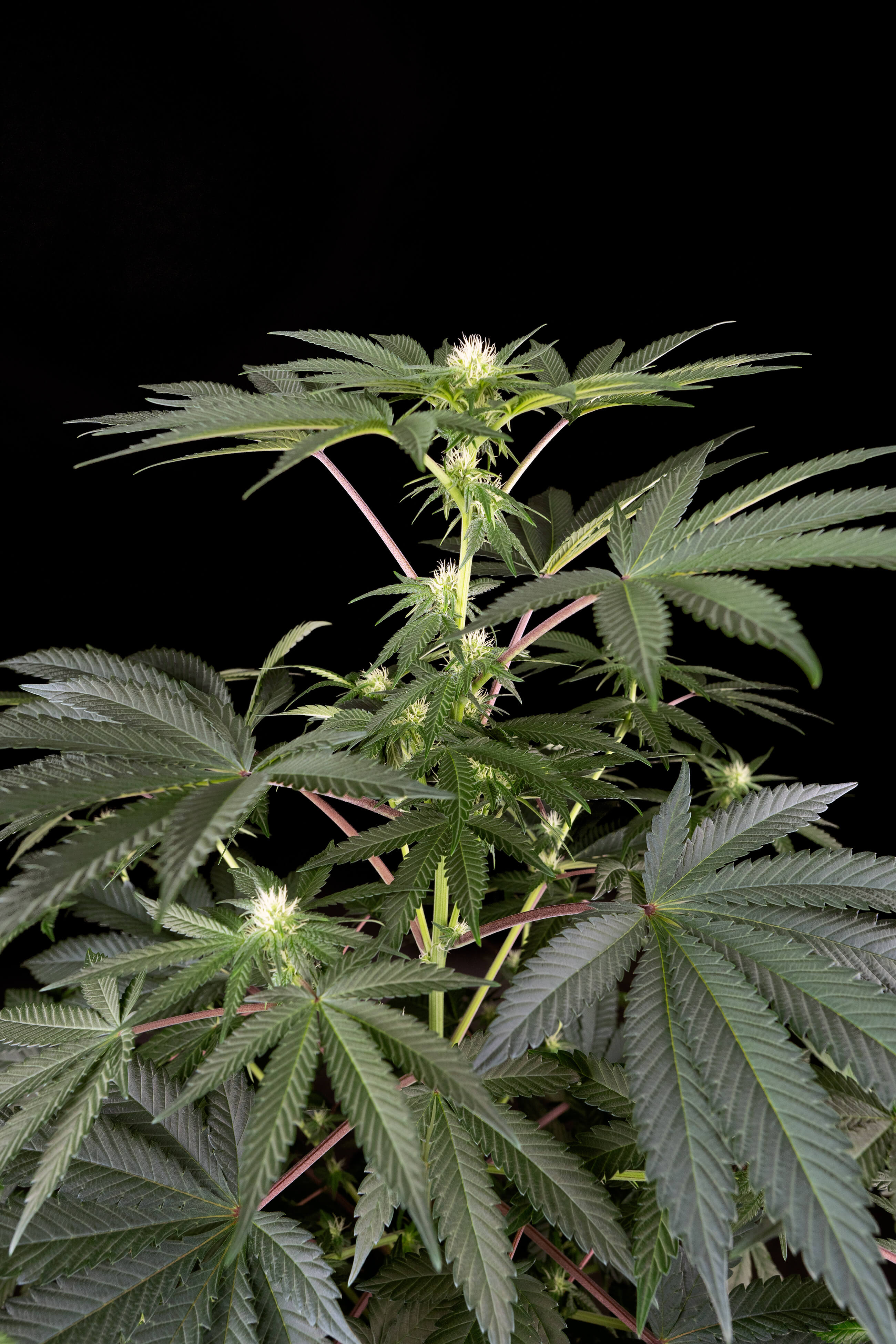
In week nine, our Lychee Sago Feminized cannabis plant began to slow down its vertical growth, gaining only 8 cm to reach 76 cm tall. Unlike previous weeks, most of this new growth came from the stretch as the internodal spacing grew considerably. By now, the main stem was only slightly above the lower canopy, and the lateral branches had slowed their growth as the plant diverted all of its energy to flowering.
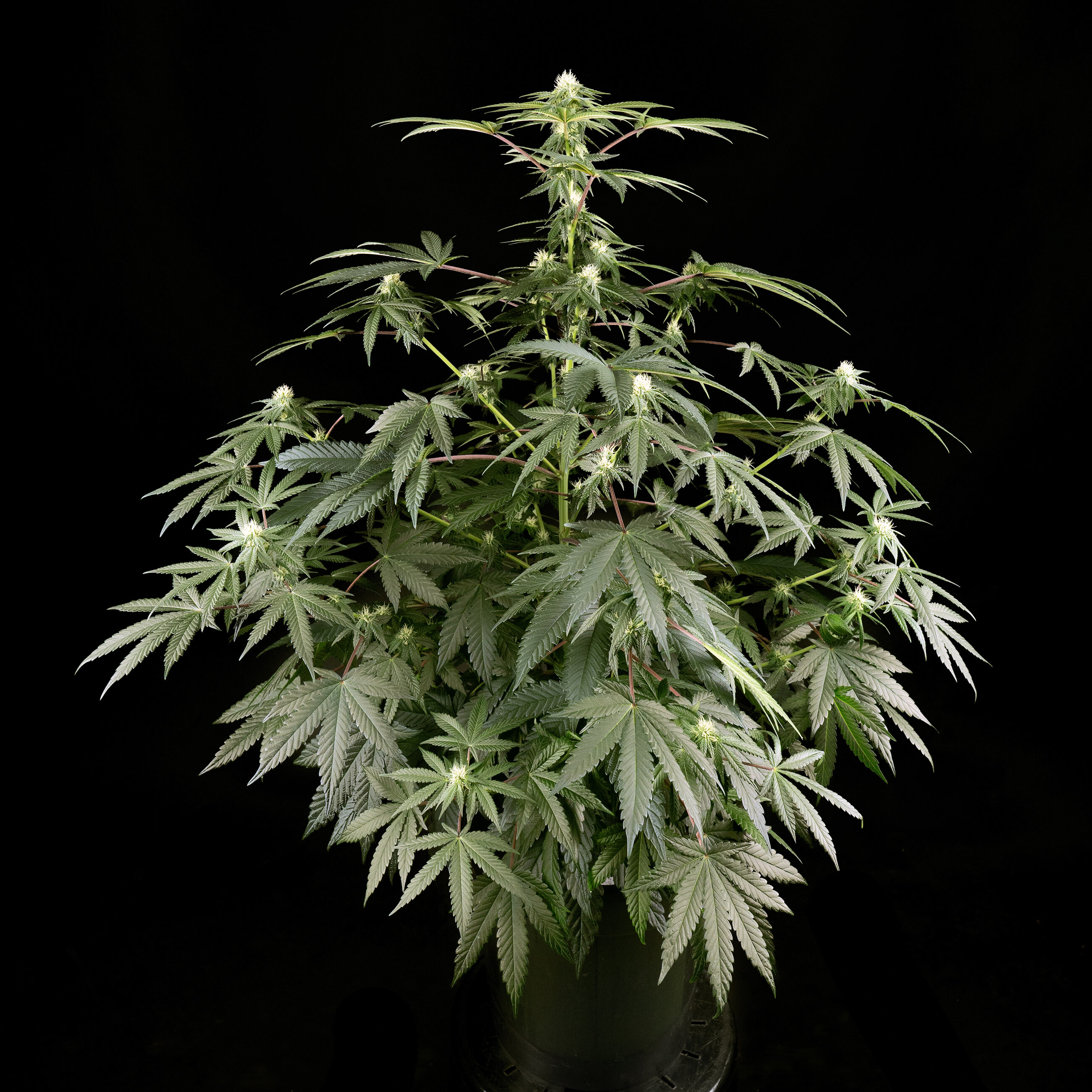
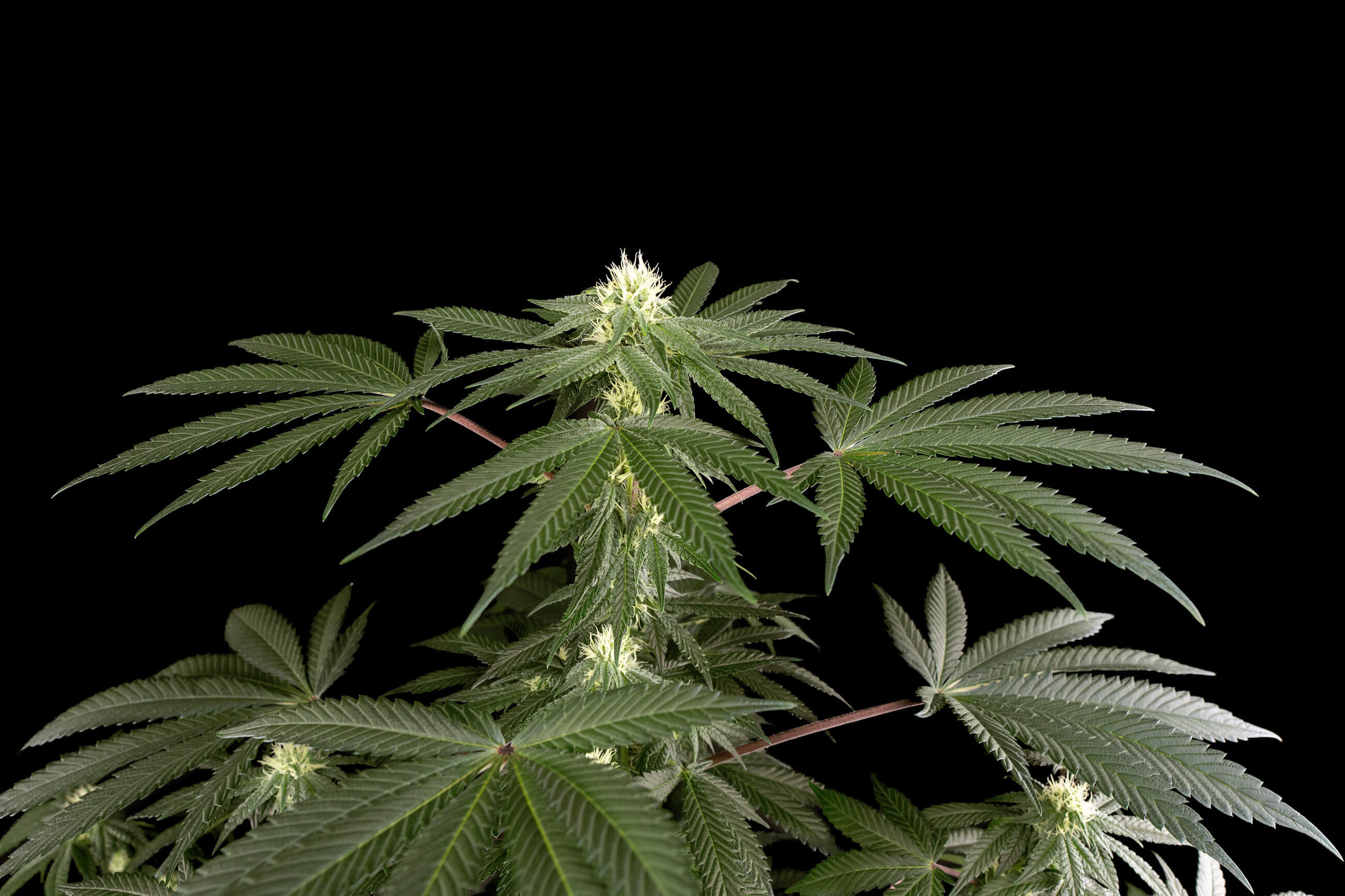
Throughout week ten, our plant continued its gradual slowdown, growing only 7 cm to reach 83 cm. Most of this new height came from the main stem, which was now rising well above the lower canopy, while the lateral branches continued to grow slightly outwards. Flower development was slow and steady across the plant, with the small buds being surprisingly dense even at this early stage.
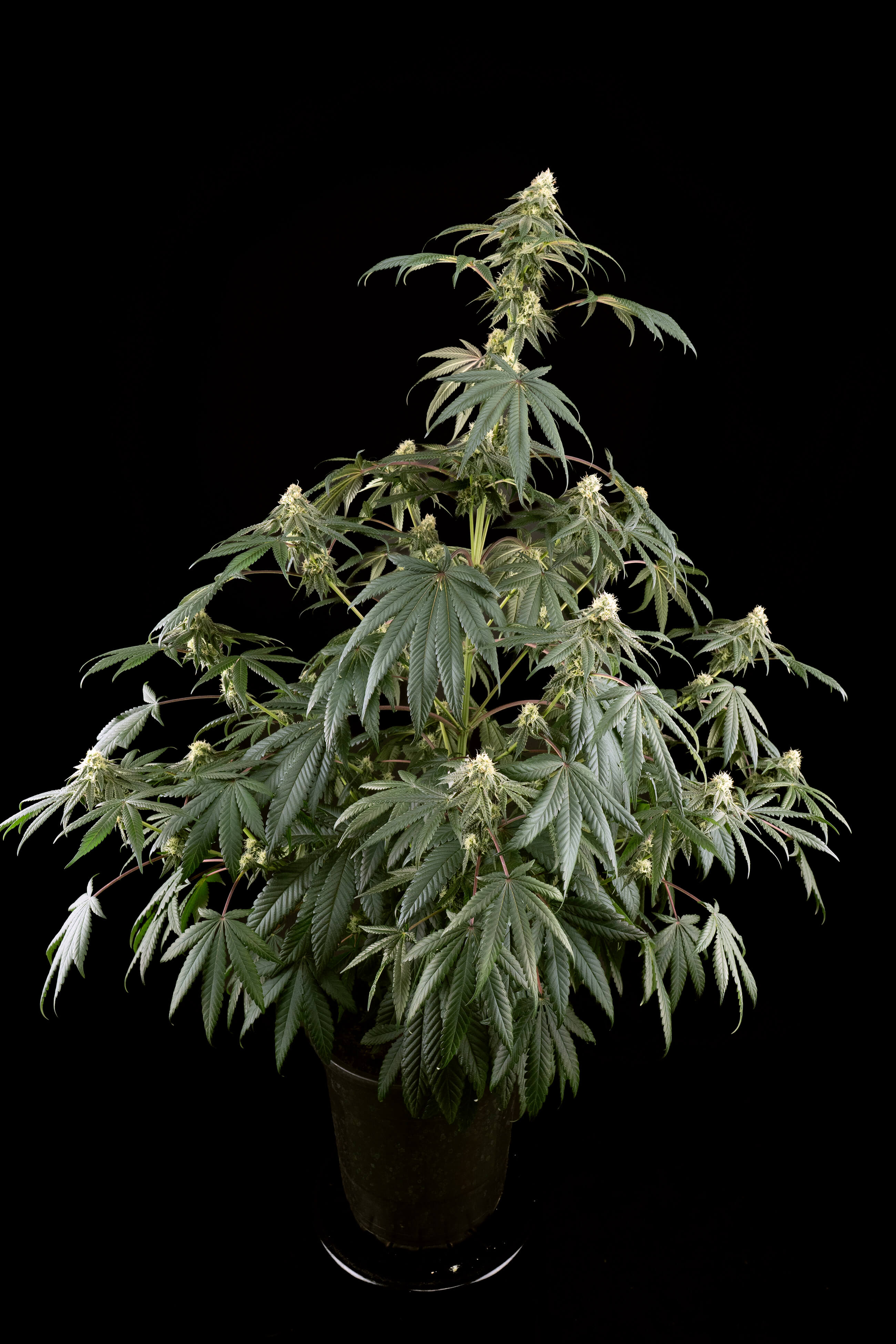
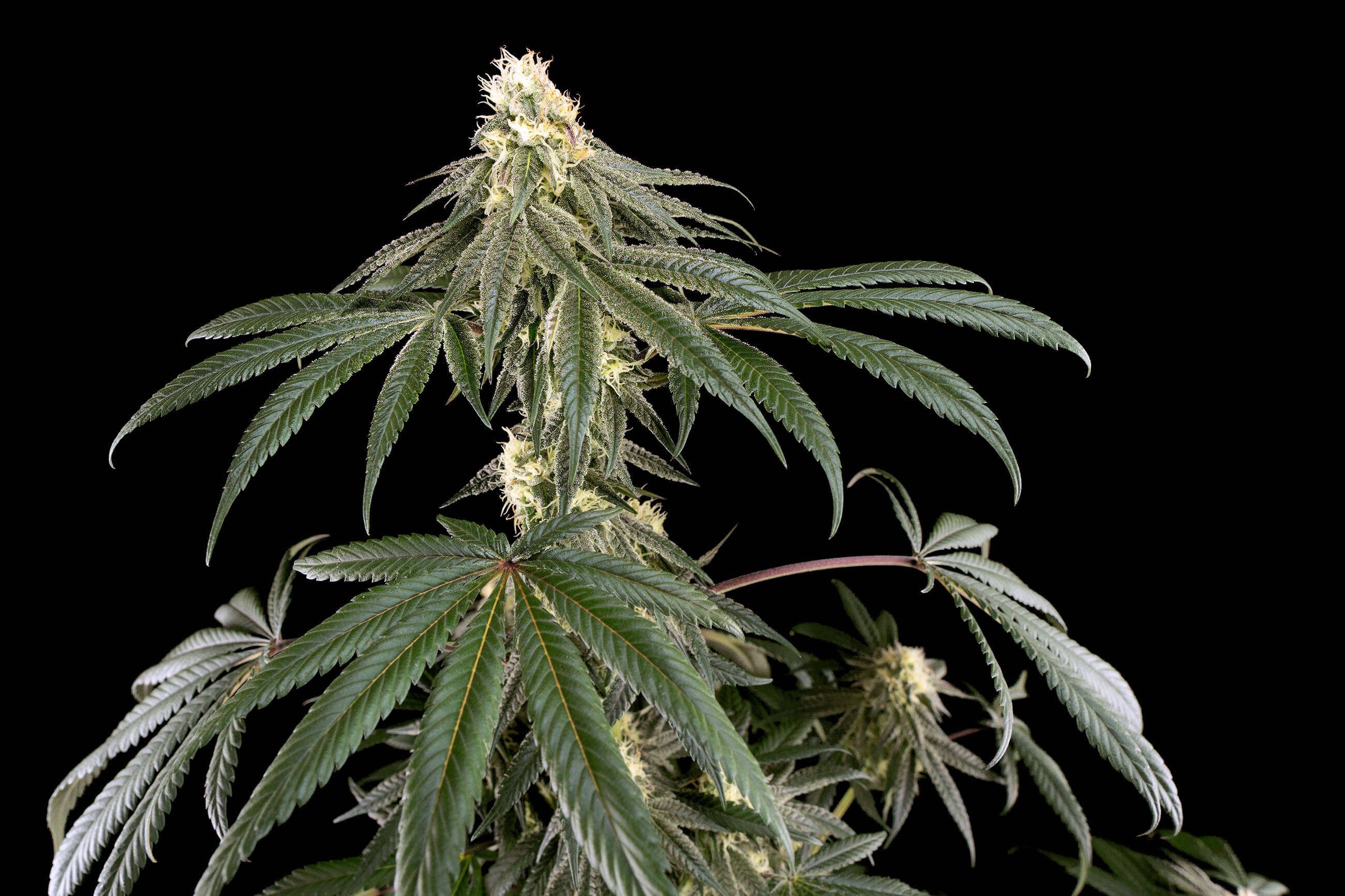
Week eleven saw our plant grow to 88 cm, only 3 cm taller than the previous week. Vertical stretch had all but stopped, and this height gain was entirely due to the ever-growing main cola, which was now standing well above the canopy. Further down, lateral branches continued to support increasingly large buds without being pulled too far down. At this point, we lowered the humidity to 55% to help prevent mould.
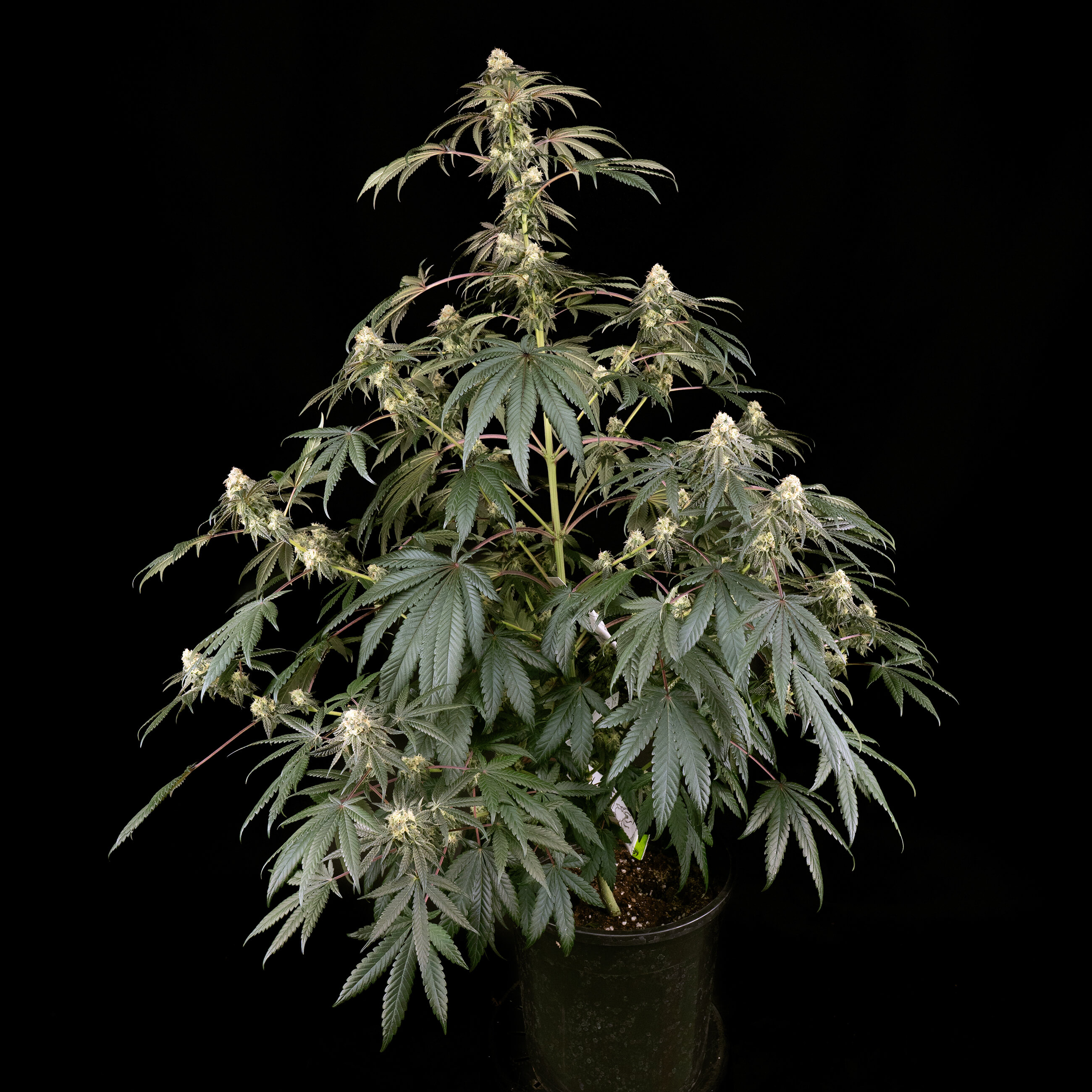
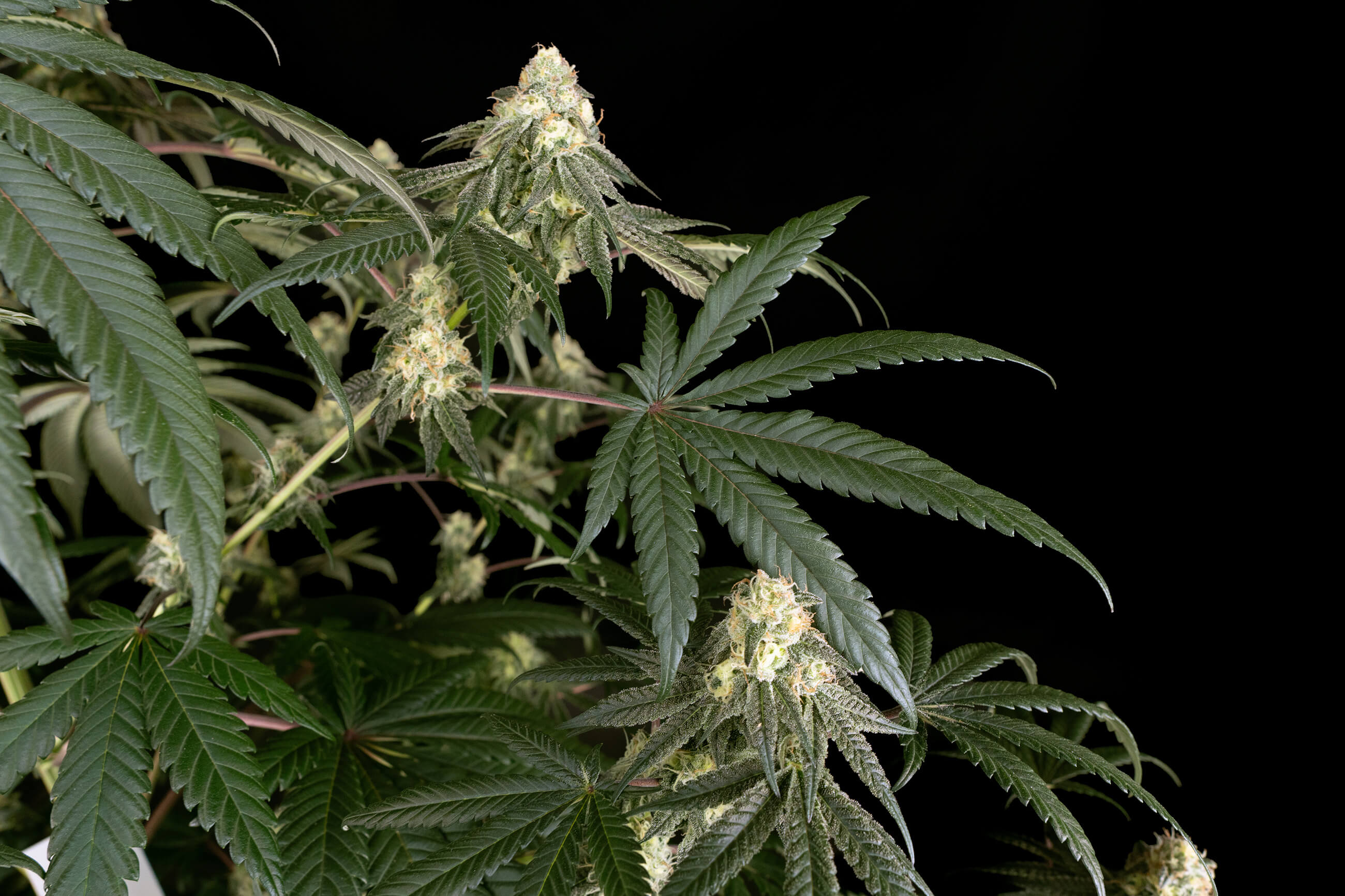
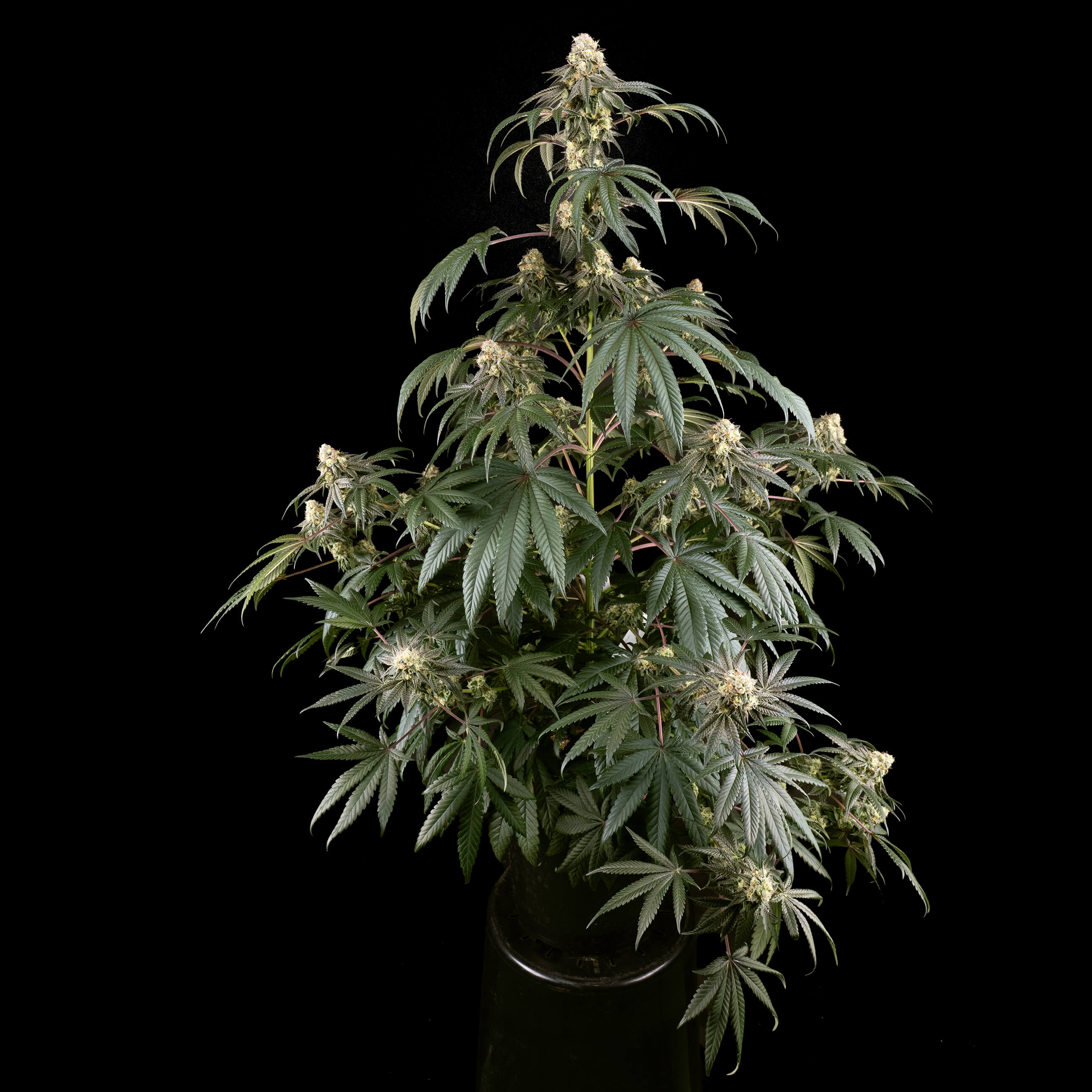
Throughout weeks twelve and thirteen, our plant reached its maximum height of 93 cm. While vertical growth had stopped, bud development continued, and the pistils were beginning to turn from white to orange, meaning that the plant would be ready for harvest any day now.
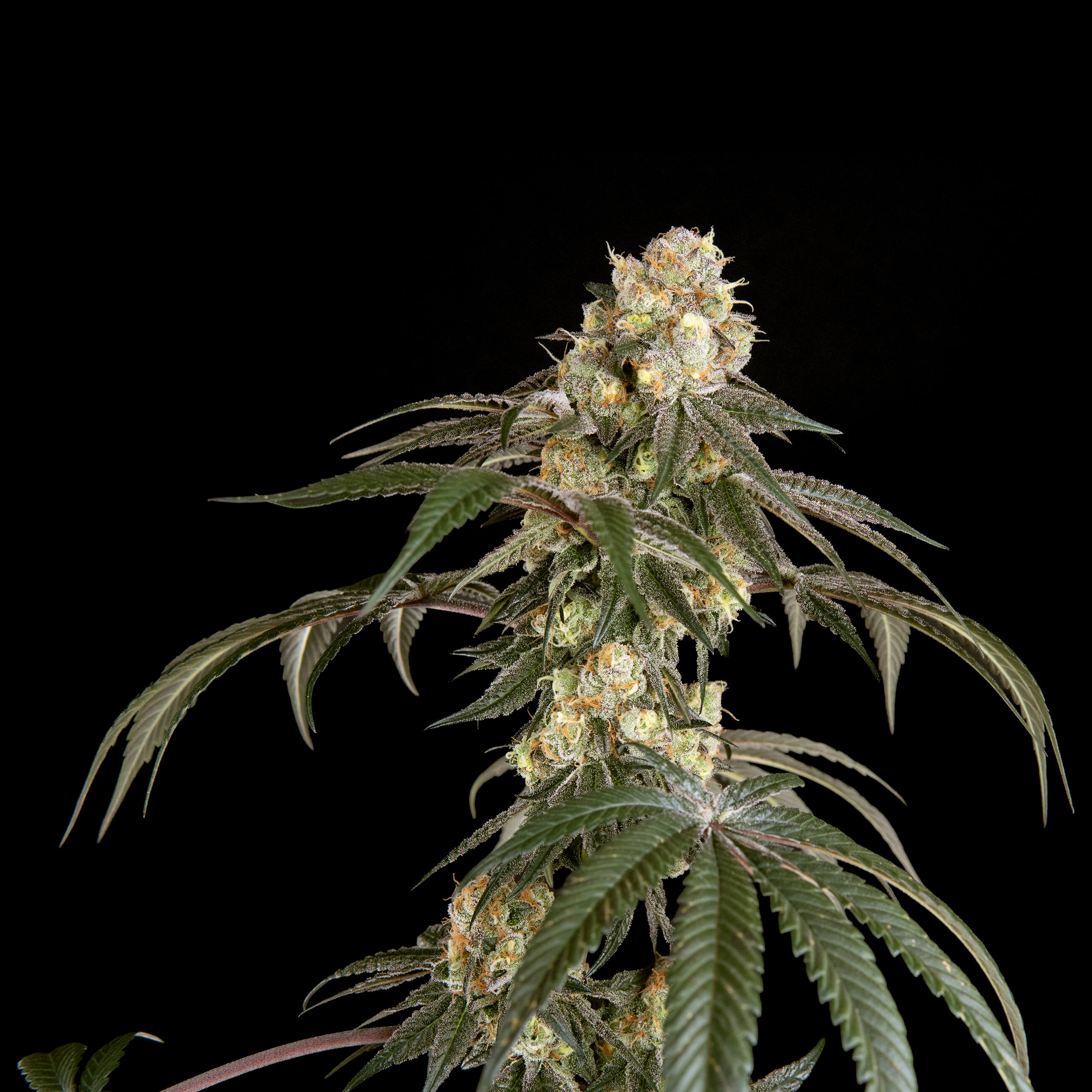
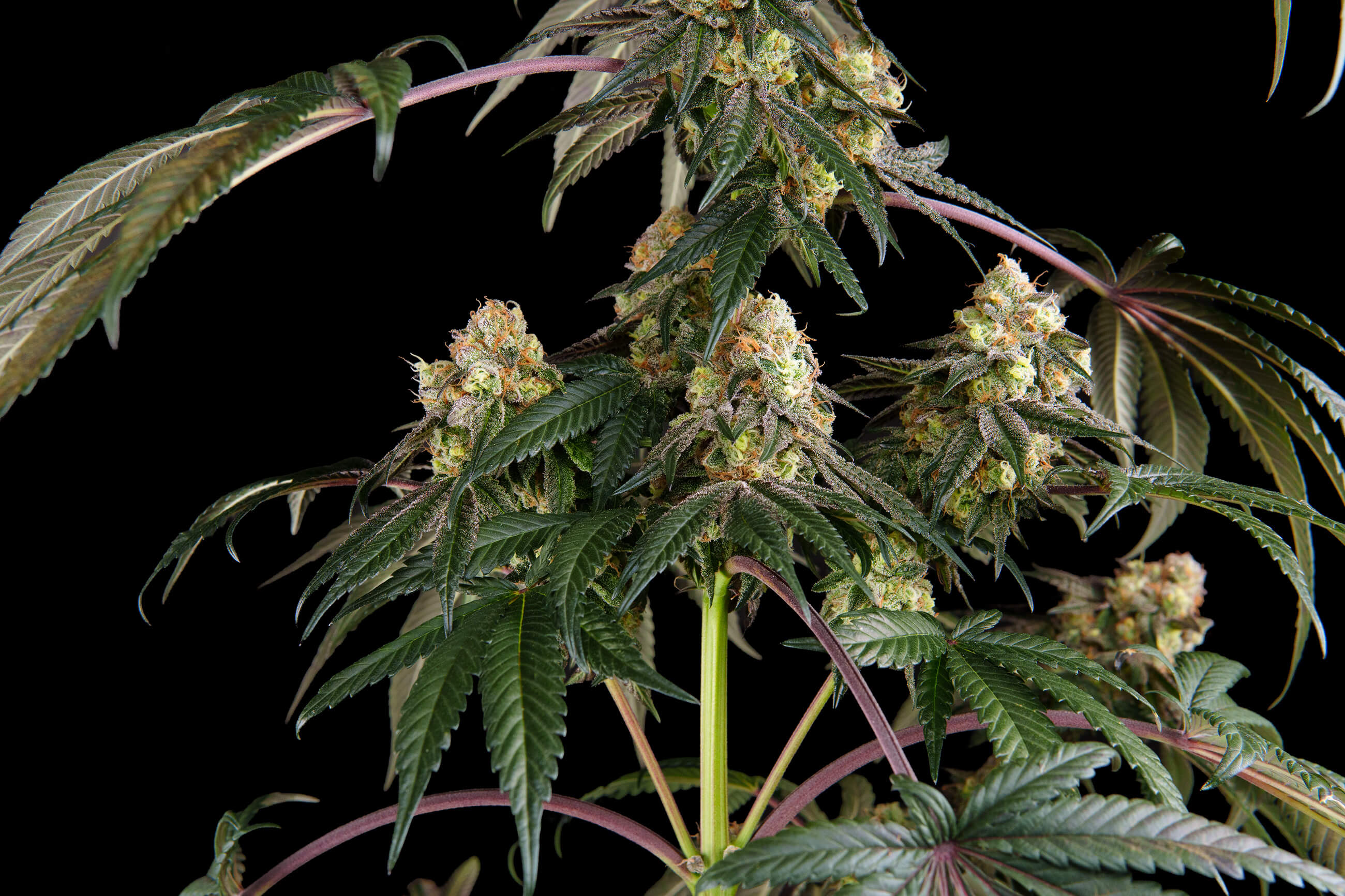
At the end of week fourteen, we harvested our Lychee Sago Feminized cannabis plant.
Harvest
Once it was time to harvest our Lychee Sago Feminized cannabis plant, we quickly cut it down at the base, removed all of the fan leaves, and hung it upside-down to dry. The drying room was kept at a stable 15.5°C with a relative humidity of 50%, and we left the plant hanging like this until the lower branches were dry enough to snap when bent. Typically, this process takes 10-20 days.
Once the plant had dried, it was time to remove the flowers from the stems, trim off any remaining leaves, and place the buds into glass jars for curing. For the first 24 hours, we left the jars unsealed to allow a majority of any remaining moisture to evaporate.
After a day, the jars were sealed and then “burped” several times a day for an hour at a time. Over the next several weeks, this frequency was gradually reduced to once a day. Proper curing is key to a smooth flavour, and the process can’t be rushed; on average, curing takes 4-6 weeks to complete.
Once everything was dried and cured, we ended up with a respectable 87 grams of dried flower with a THC content of 21.6%.
Related post
Terpene profile
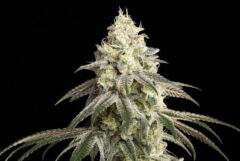
As our Lychee Sago Feminized plant started to flower, we began to notice a rather inviting aroma of sweet vanilla and creamy sherbet with a pungent diesel edge. This aroma was quite distinctive and was noticeable enough that growers concerned with their privacy may want to take extra steps to manage it.
The overall scent of the cured buds was slightly softer, but each individual element became even more pronounced. Sweet notes of tropical candy took the lead, supported by a gentle earthiness from the strain’s OG Kush genetics. The flavour matched this, with a sweet sherbet character on the inhale that gradually shifted into a creamy, tropical taste, before settling into a smooth exhale marked by diesel and earthy tones.
We found the effects of Lychee Sago Feminized to be extremely well-balanced overall. Things began with an uplifting, euphoric, cerebral buzz that sparked a burst of creative energy and also provided enough motivation to keep at it. After some time, that mental uplift eased into a calm, relaxing body buzz that was particularly well-suited for a laid-back evening with friends.
Related post

The outcome
Lychee Sago Feminized impressed us with its no-nonsense growth and respectable yield. While these plants’ robust lateral branches can make them a bit of a space invader, they provide an incredible frame for experimenting with advanced growing techniques.
- Disclaimer:Laws and regulations regarding cannabis cultivation differ from country to country. Sensi Seeds therefore strongly advises you to check your local laws and regulations. Do not act in conflict with the law.
